
“A republic if you can keep it”
–Benjamin Franklin’s response to Elizabeth Willing Powel’s question: “Well, Doctor, what have we got, a republic or a monarchy?”
September 17, 1787



“A republic if you can keep it”
–Benjamin Franklin’s response to Elizabeth Willing Powel’s question: “Well, Doctor, what have we got, a republic or a monarchy?”
September 17, 1787
State of American democracy July 5, 2026

Yellow is the color of caution
Yellow traffic lights function as a caution. Yellow in the energy industry is associated with sulfur.
As a result of the war with Iran a yellow flashing light is alerting us to challenges coming in the agricultural sector.
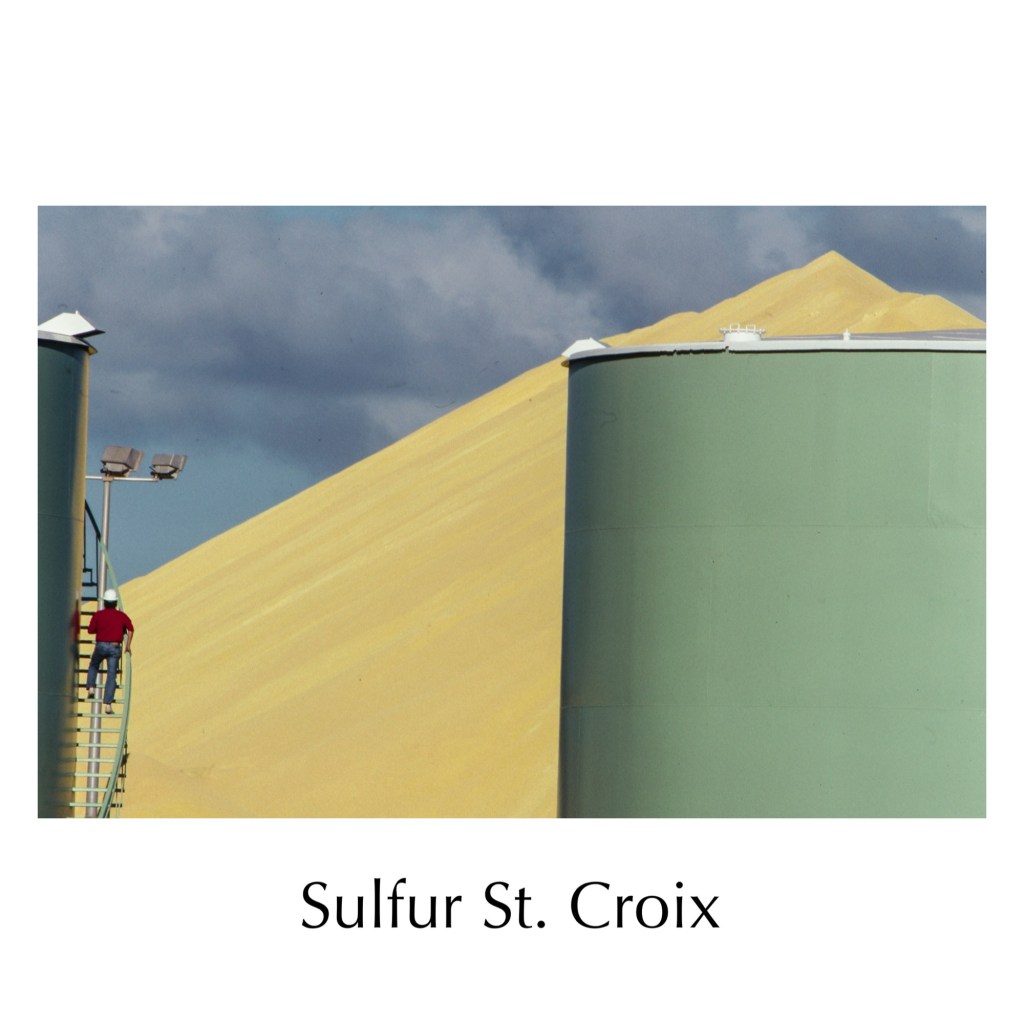
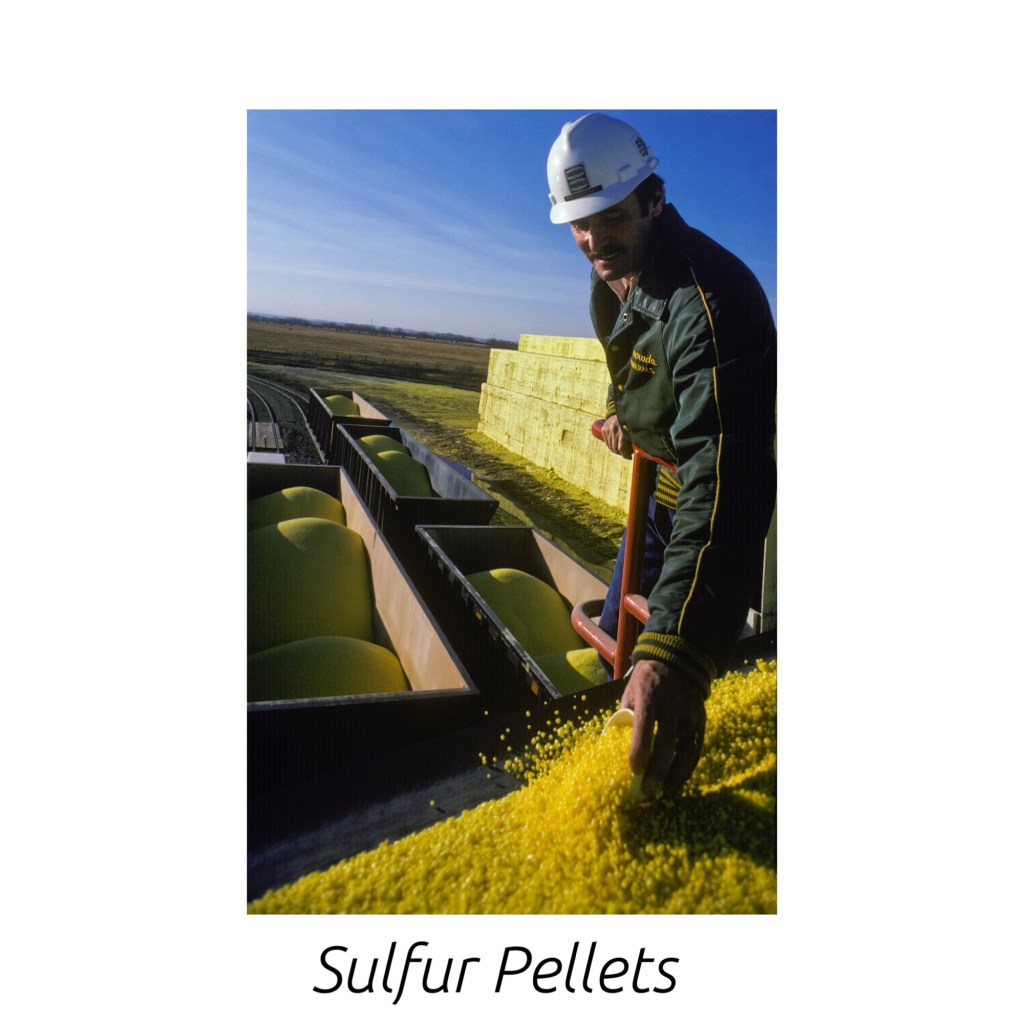
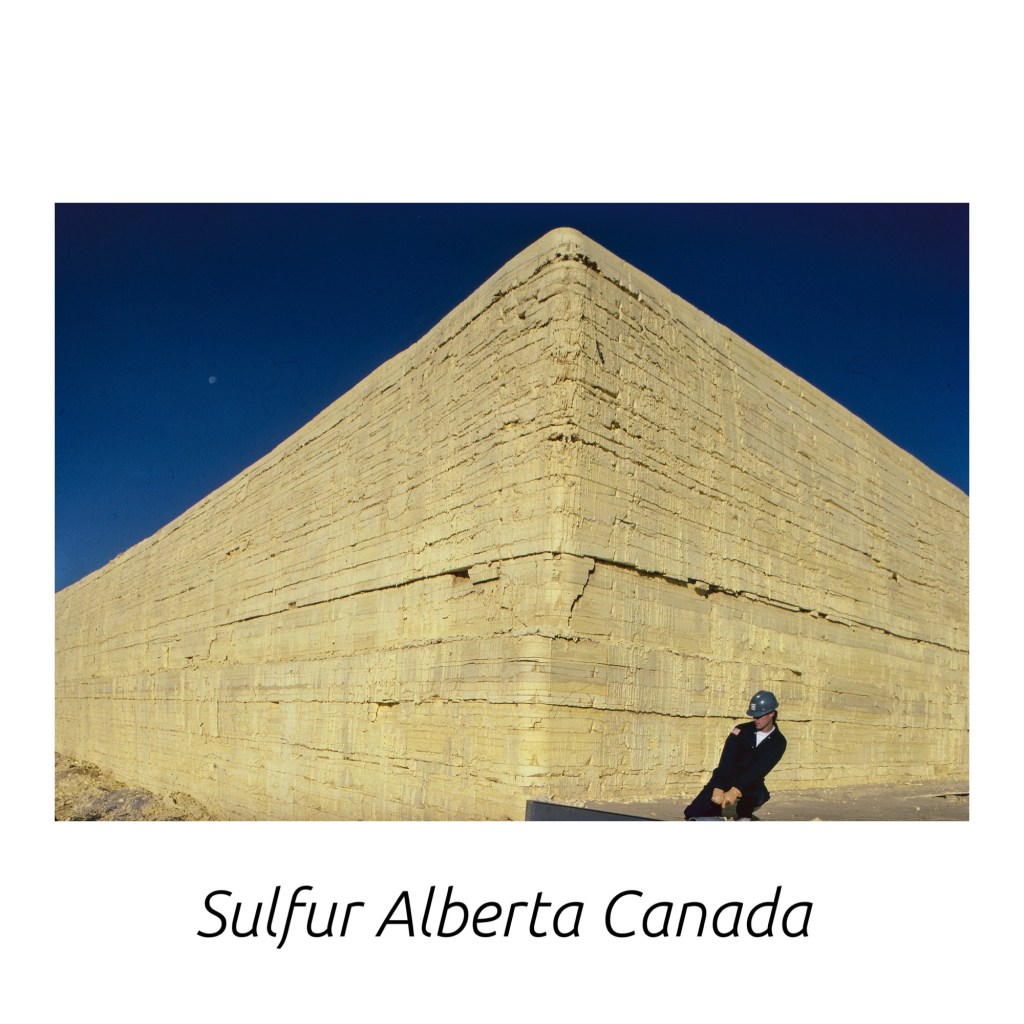
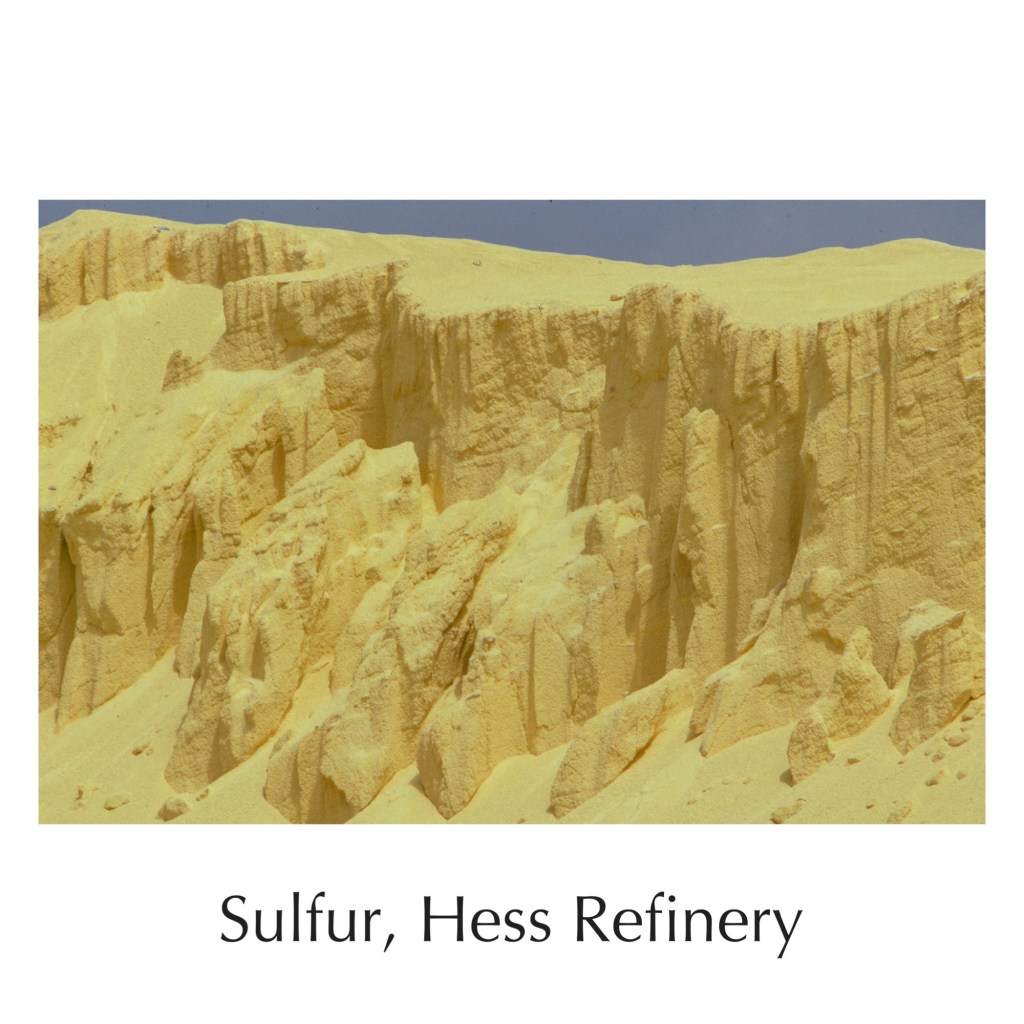
Bright yellow is the color of elemental sulfur, a bi-product of oil and natural gas and a key ingredient for making fertilizer.
The blockade of The Strait of Hormuz is disrupting the energy supply chain.
Less oil and natural gas, less sulfur, less fertilizer. Less fertilizer results in higher prices to farmers for fertilizer. Higher costs to grow crops will result in higher prices for food.
Rest assured the energy companies, refiners, shippers, chemical corporations agribusiness and grocers will be fine. They will pass the cost along. This increased cost will be paid for by ordinary people and families buying food at the grocery store.
You think the cost of gas is a problem and for most people it is.
But wait for it…higher cost of food in the grocery store is on the horizon.
It’s time to respond to the flashing yellow light and demand a stop to this war.
Sources:
Very Well Mind / psychology of color yellow
Keg River Premium Sulfur Fertilizerers
All photos copyrighted:
The increased cost of gas is not the only consequences of the war with Iran. Incres in the cost of sulfur is coming and with it increased costs of food
“Super” Tankers
These images will give you a sense of the enormous size of the Super Tankers moving through the Straits of Hormuz.

The first image shows a super tanker at Ras Laffan in Qatar being filled with LNG.
There are two types of LNG tankers used in Qatar: Q-Max with a capacity of 5.6 billion cubic feet of LNG and the Q-Flex with a capacity of 4.6 billion cubic feet of LNG.

A single Q-Max tanker can transport enough LNG to power approximately 70,000 homes for a whole year.

This image shows a tanker ready to be filled with crude oil in Kuwait. These tankers can carry between 2 and 3 million barrels of crude oil per voyage.
“Under normal conditions over 100 ships, including roughly 60-70% tankers and gas carriers, traverse the Strait of Hormuz daily. This represents approximately 20 million barrels of oil (20% of global consumption) and 20% of LNG trade”
Source: U.S. energy Information Administration
Sources for this post: American Petroleum Institute, Strauss Center, Mitsui O. S.K. Lines, Reuters, Industrial Info Resources, Nakilat, Qatar Energy LNG, Brand Finance, Wikipedia.
Website: Wayne Eastep
Images copyrighted by Wayne Eastep
Why Super Takers are called “Super”
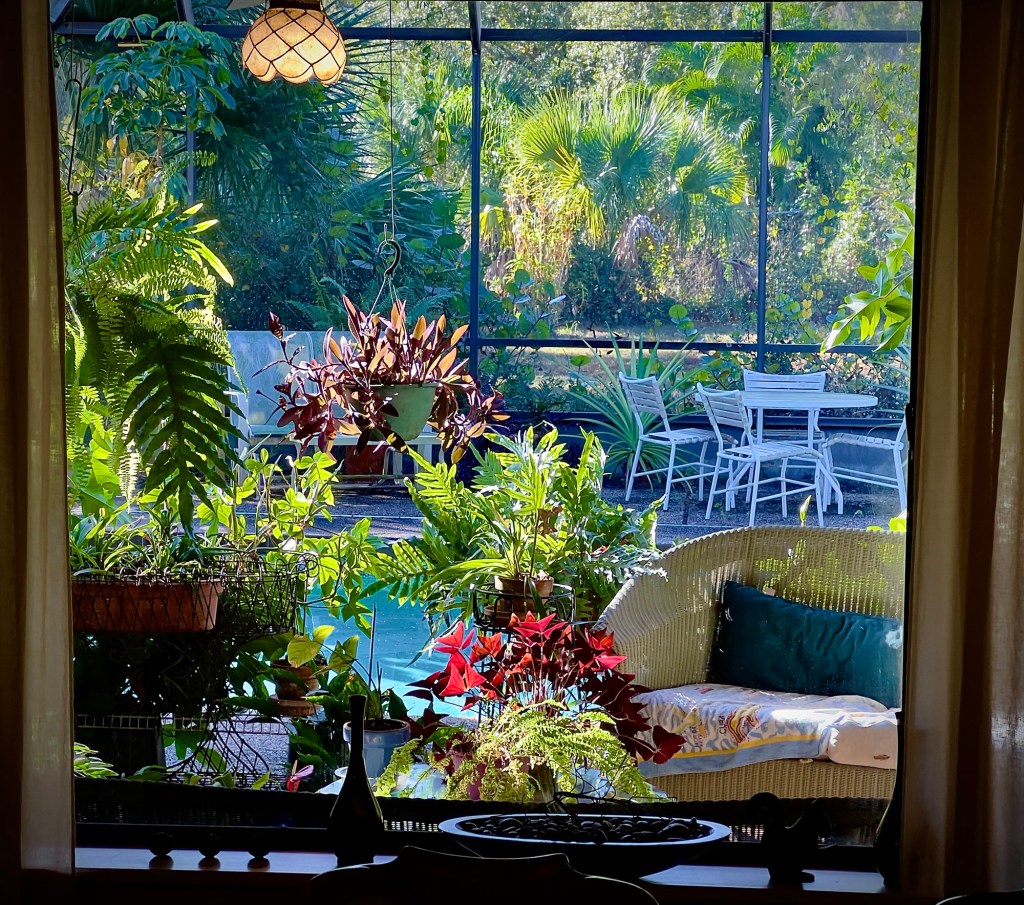
Making art, for me, begins with awareness—the ability to notice what moves us in an ordinary moment. Sometimes that awareness appears in the smallest places, like standing at the kitchen sink preparing coffee. That’s what happened a few mornings ago. I slowed down long enough to feel the energy of sunlight as it gently started the day. I thought, that’s beautiful.
Creating images is part of my daily life, so I paused, embraced that quiet, and made a simple photograph—a moment of morning arriving, carried on the light of sunrise.
The quiet beauty of the morning lit by the sunlight
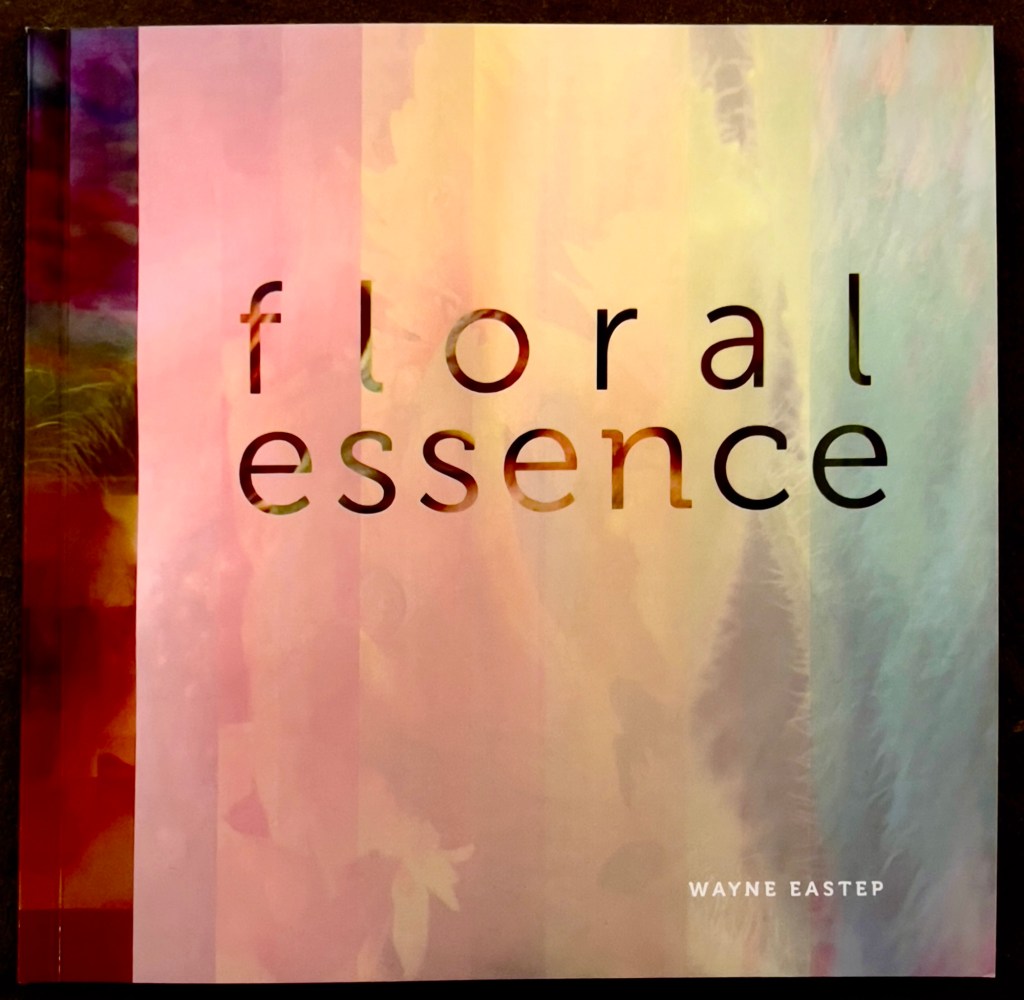
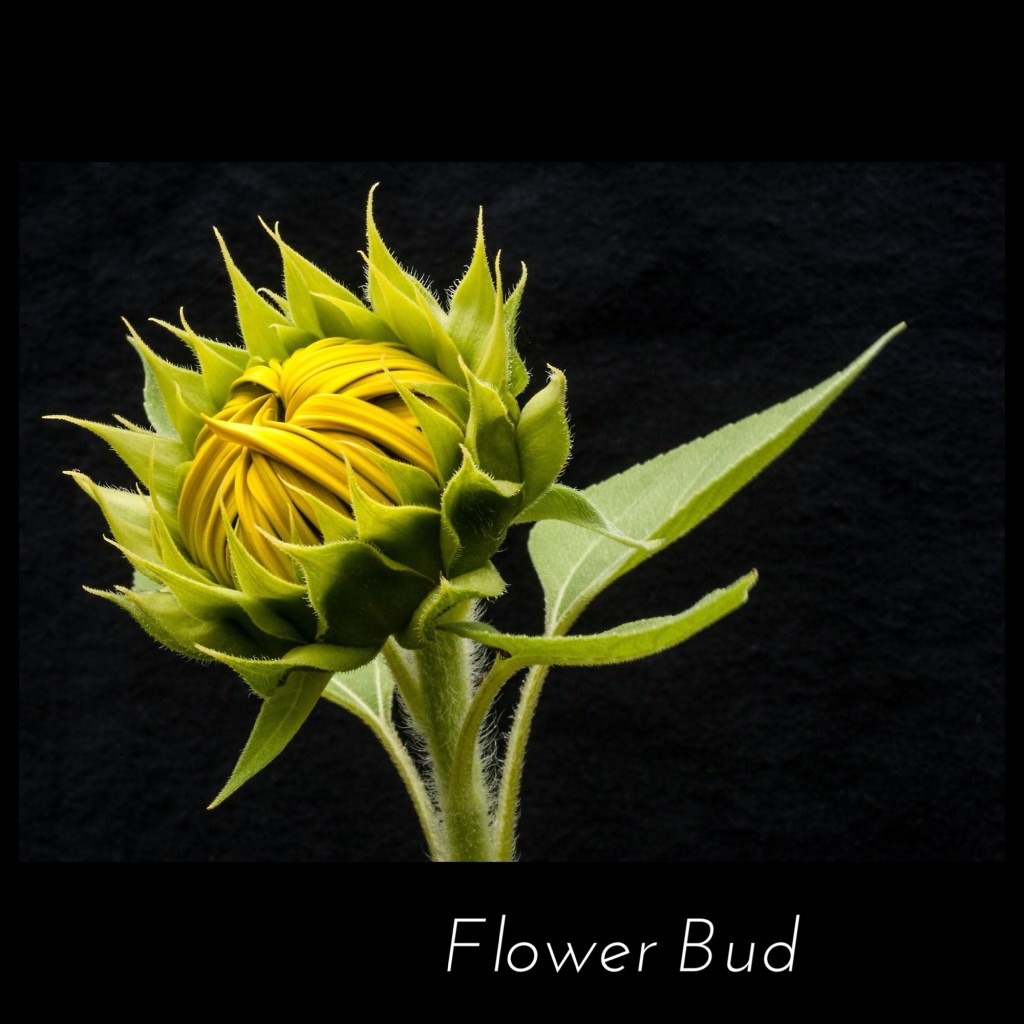
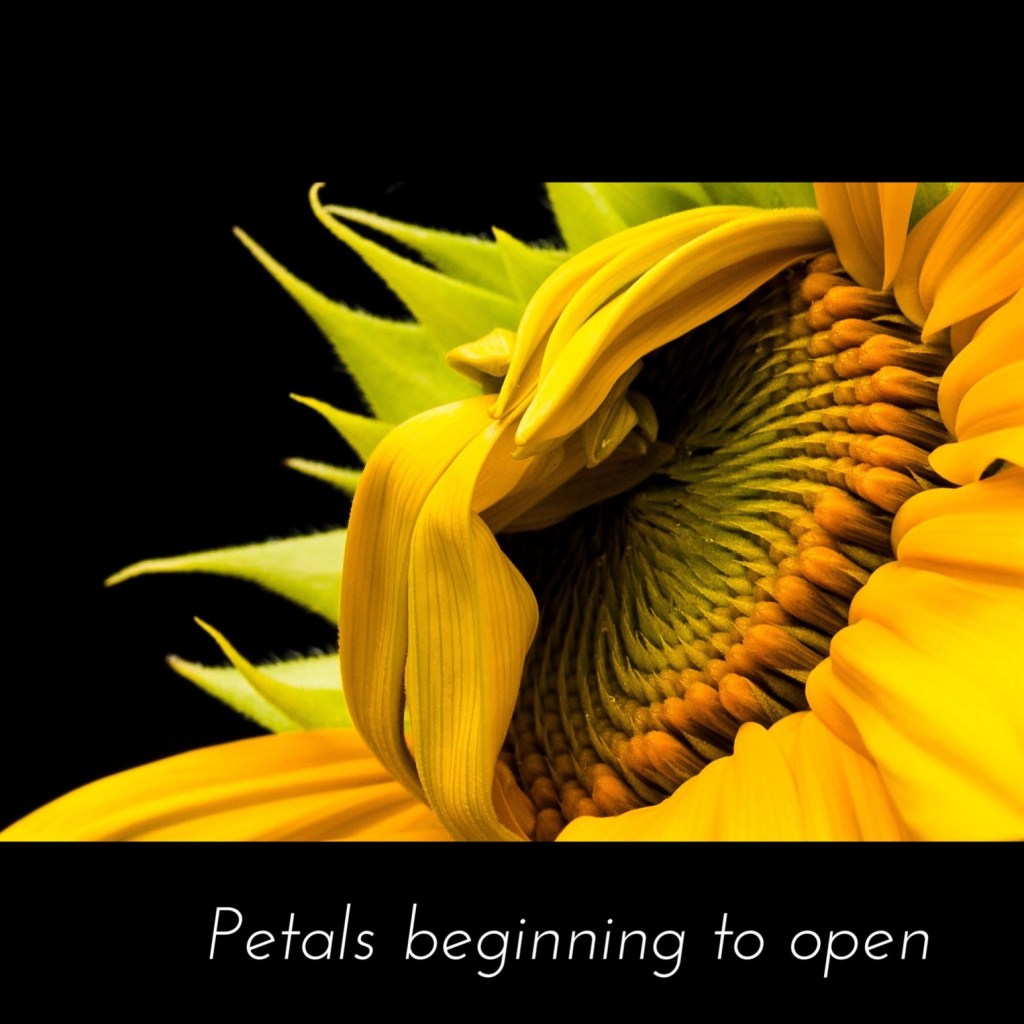

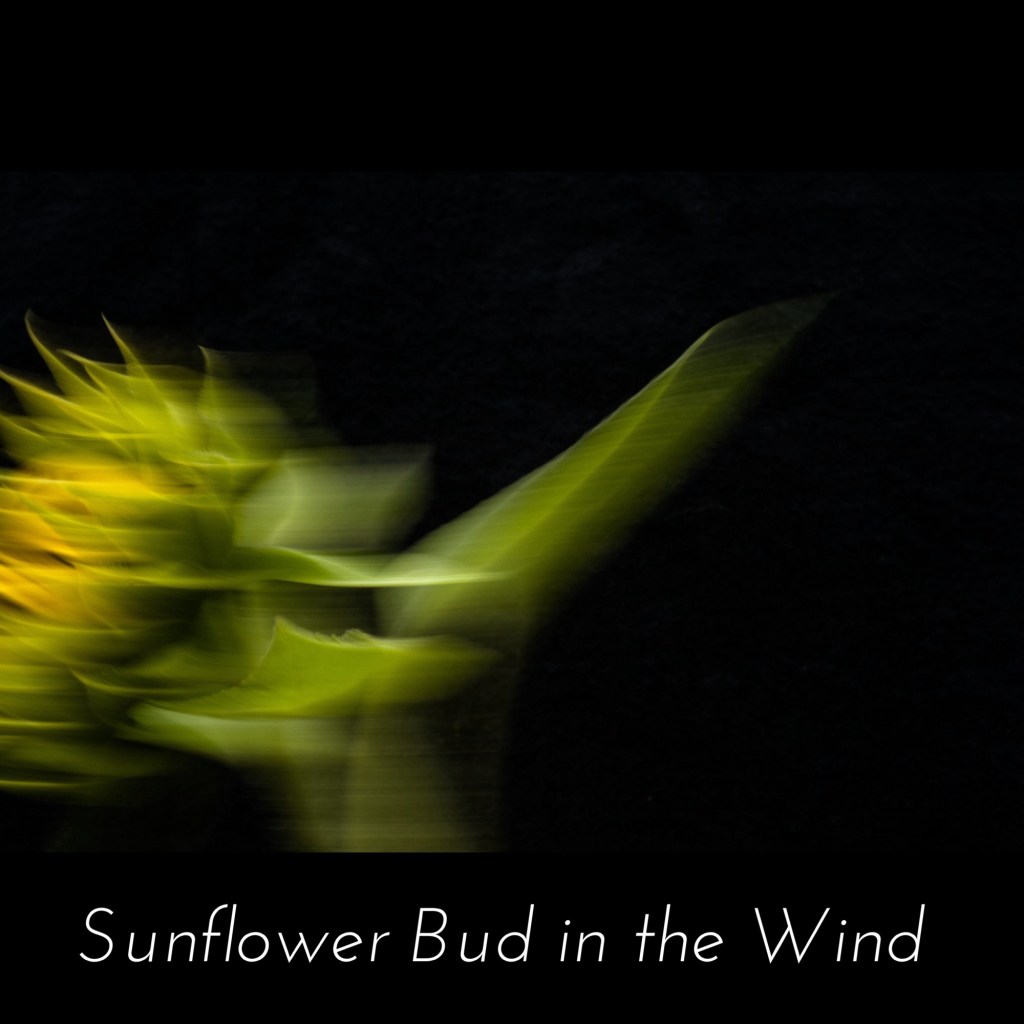
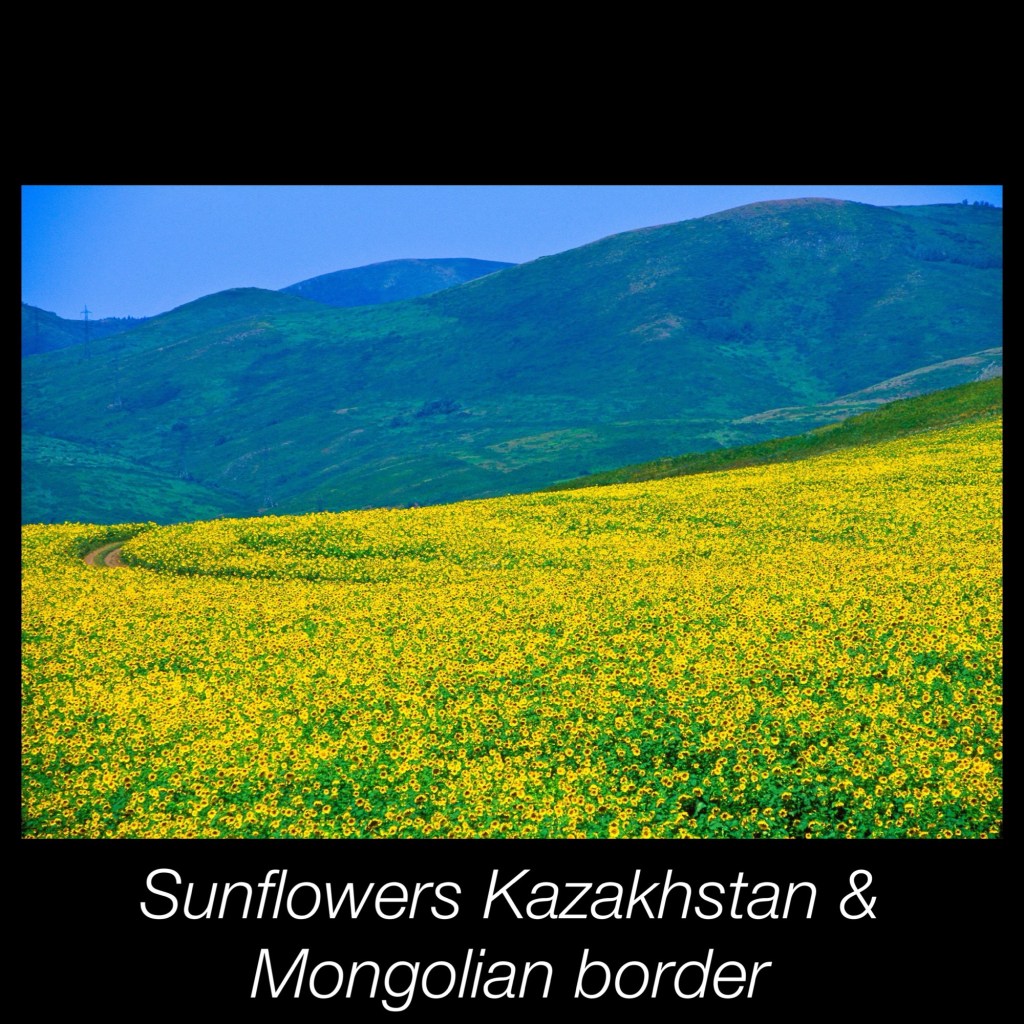
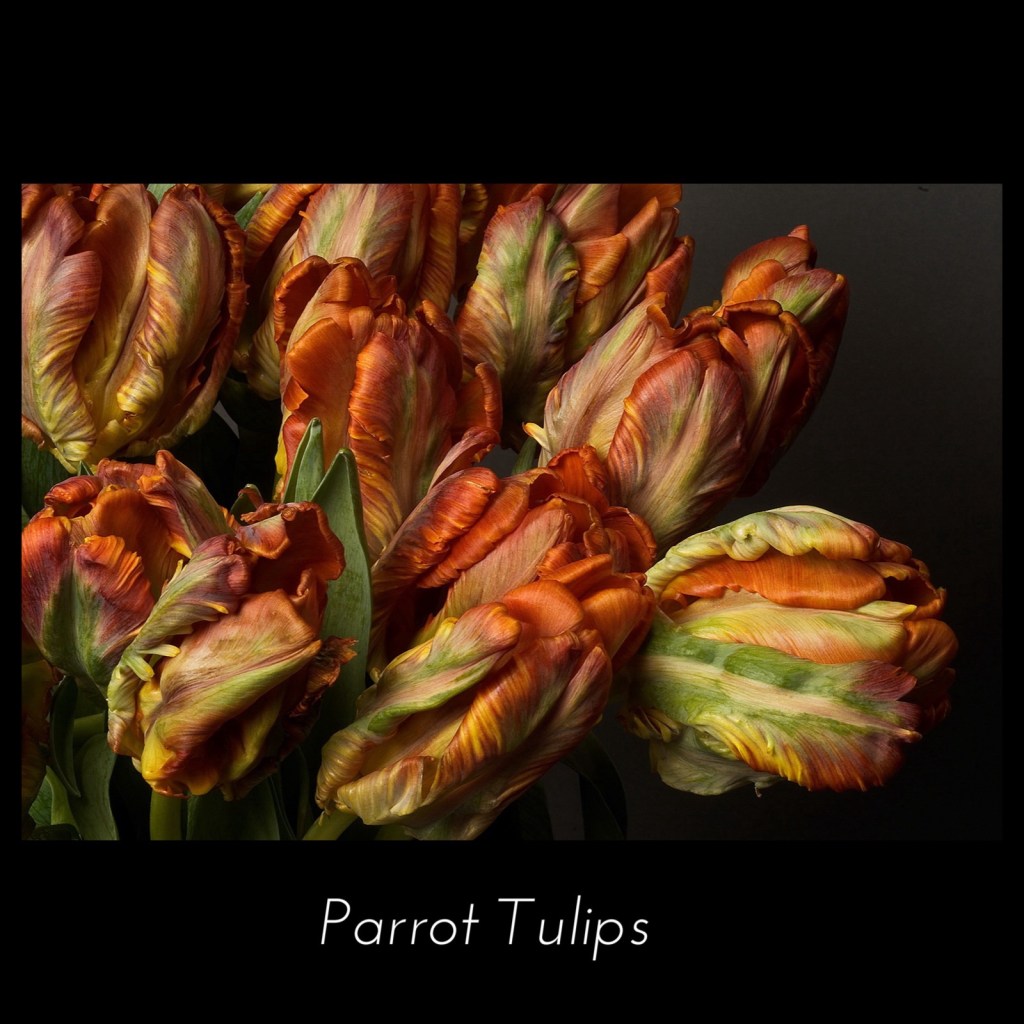
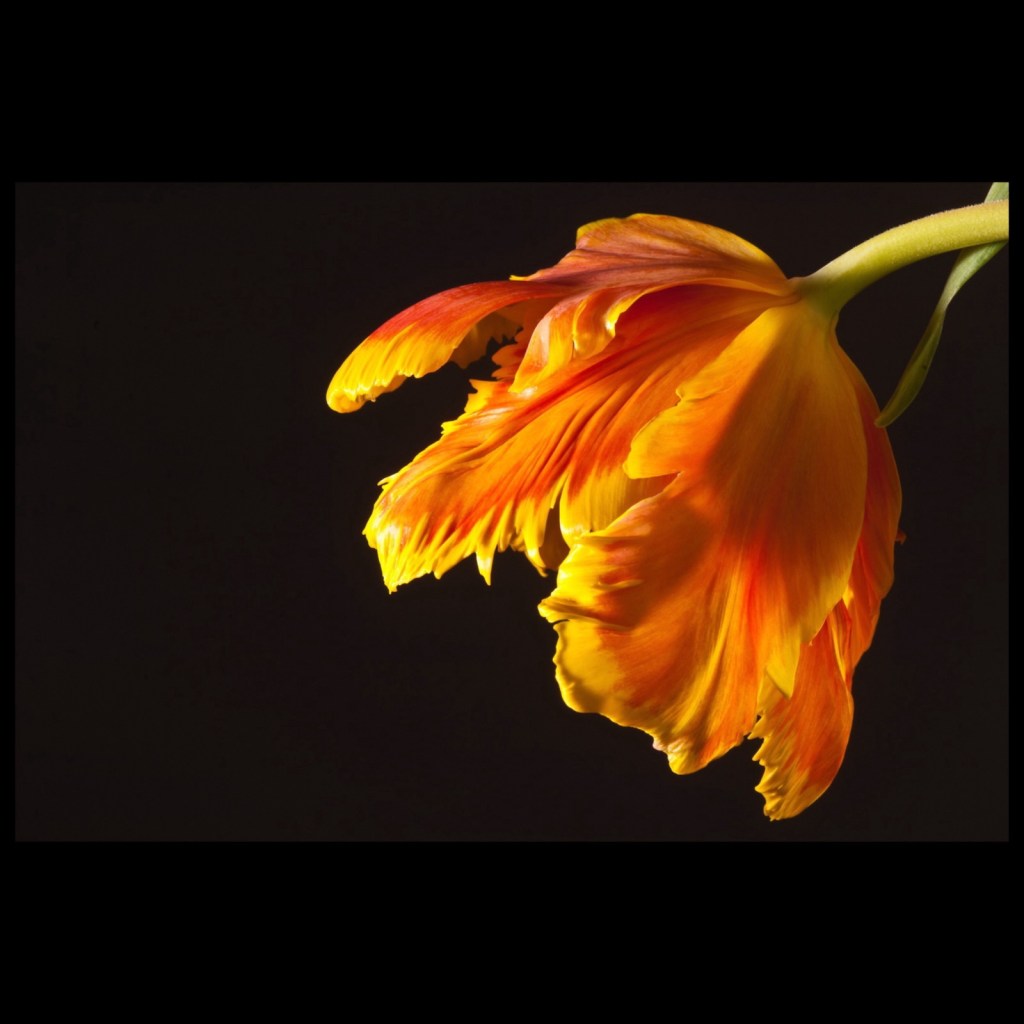

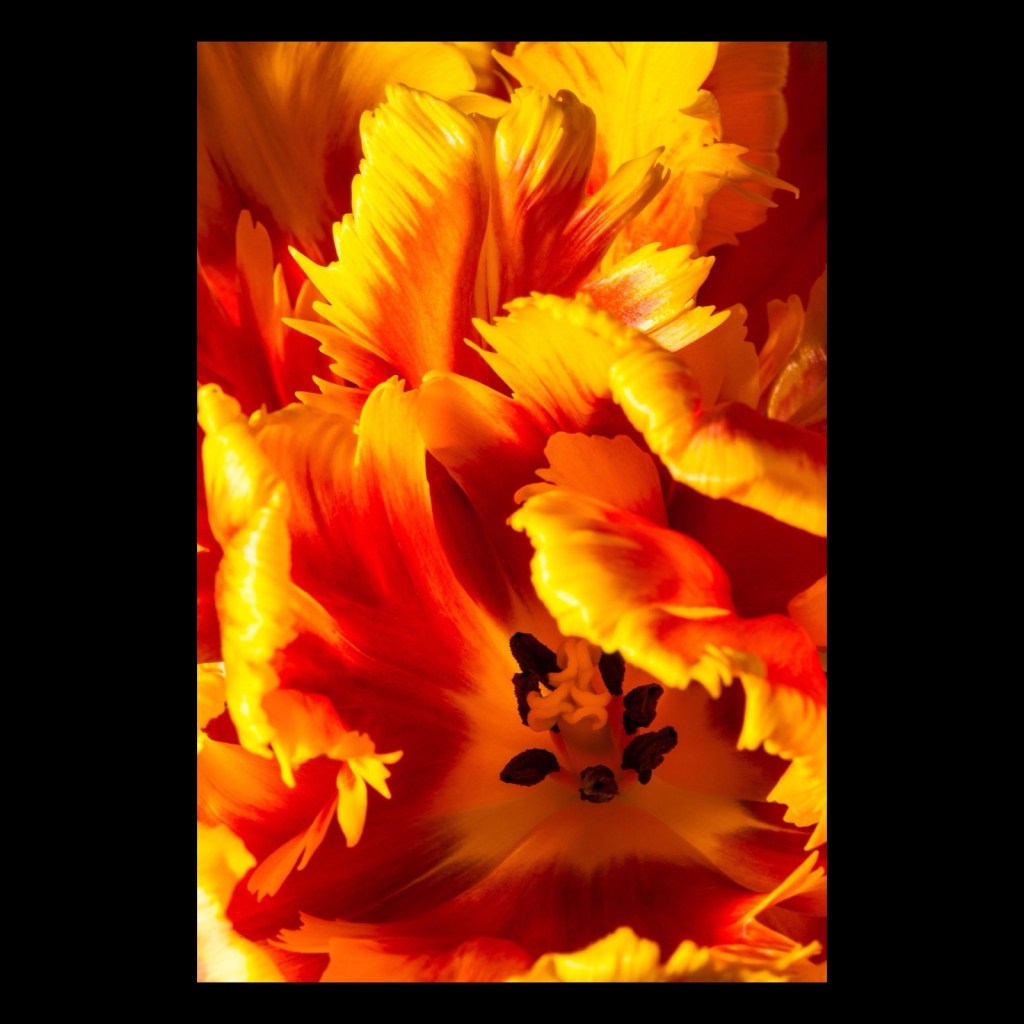
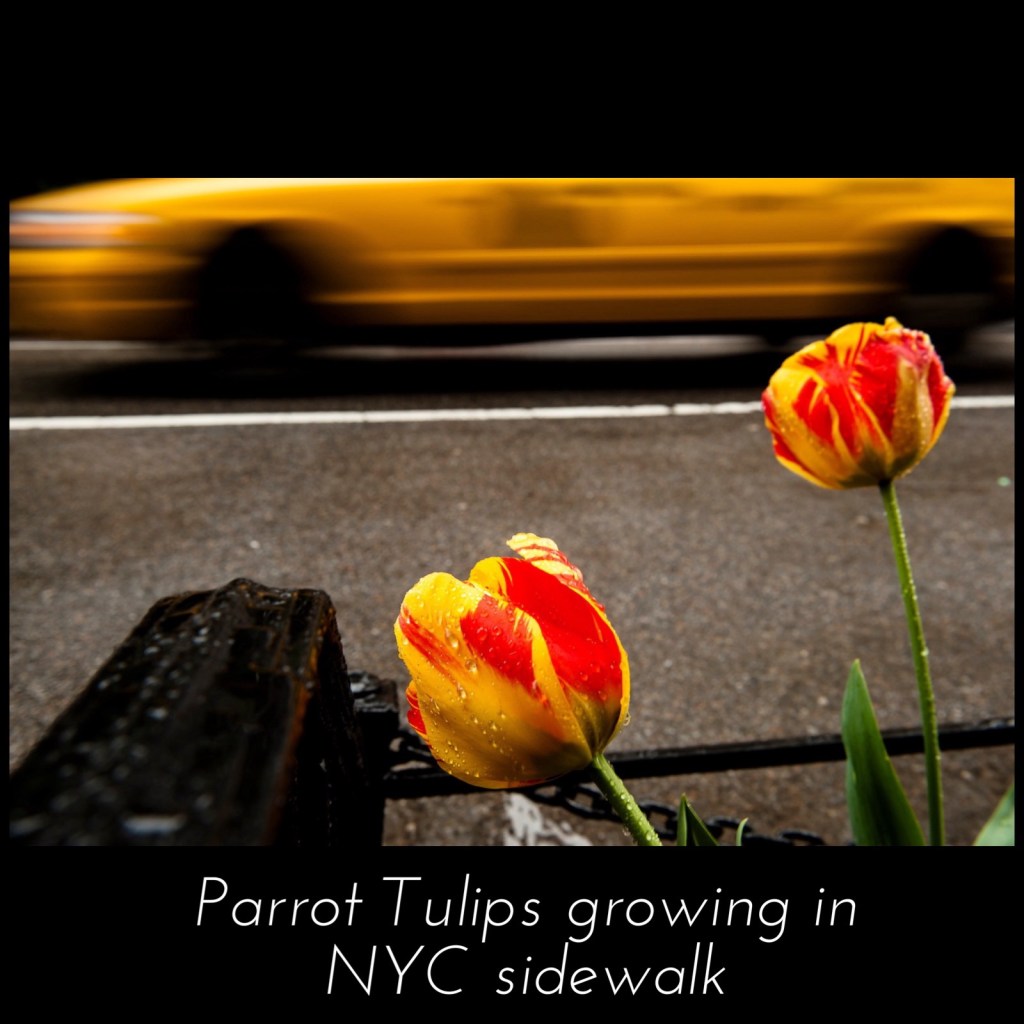
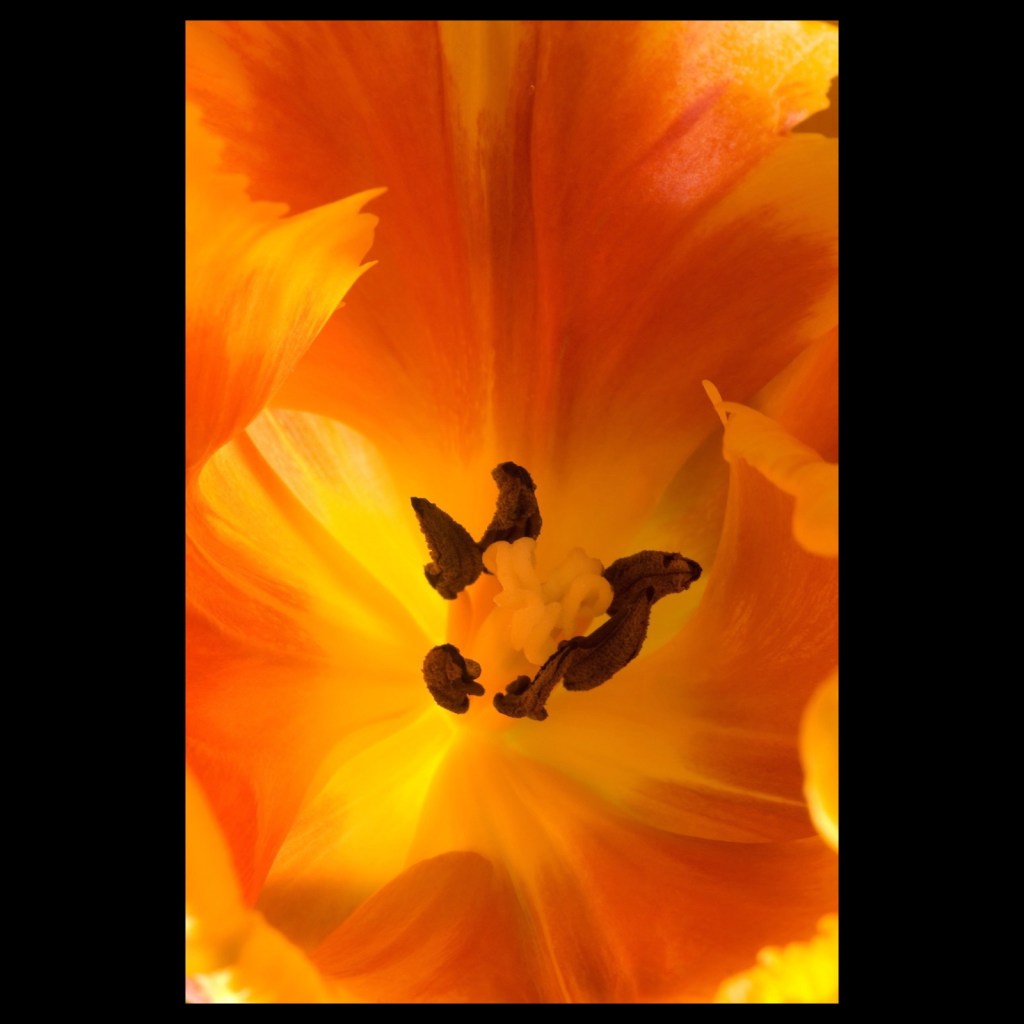

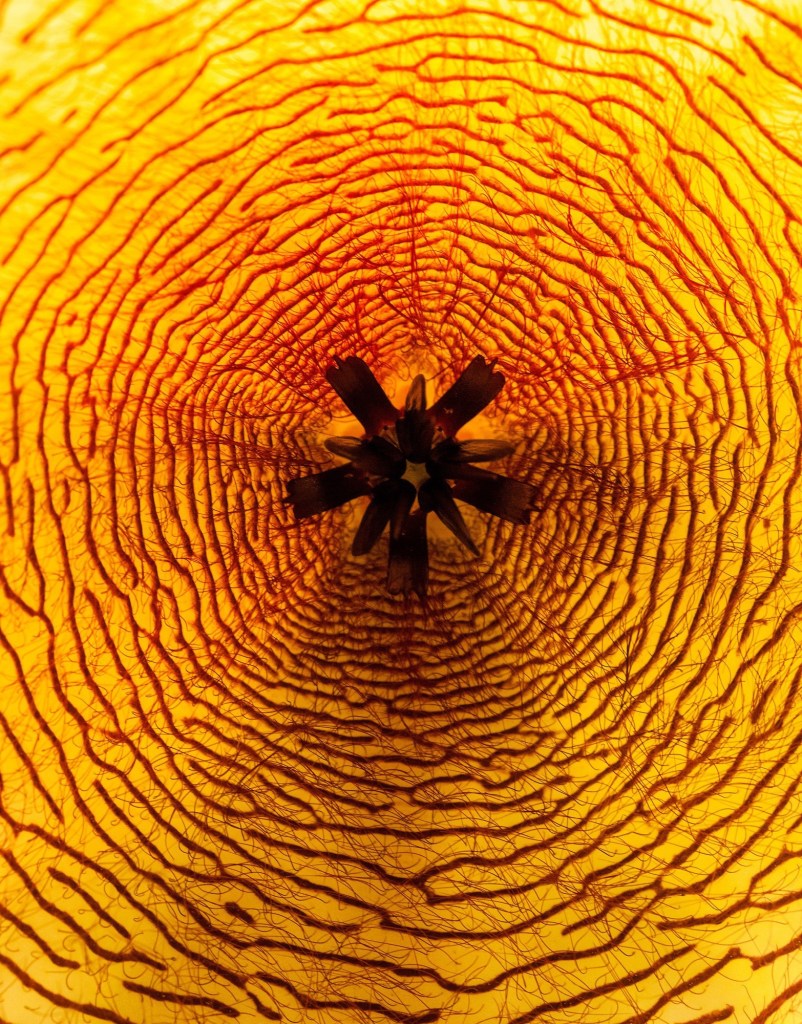
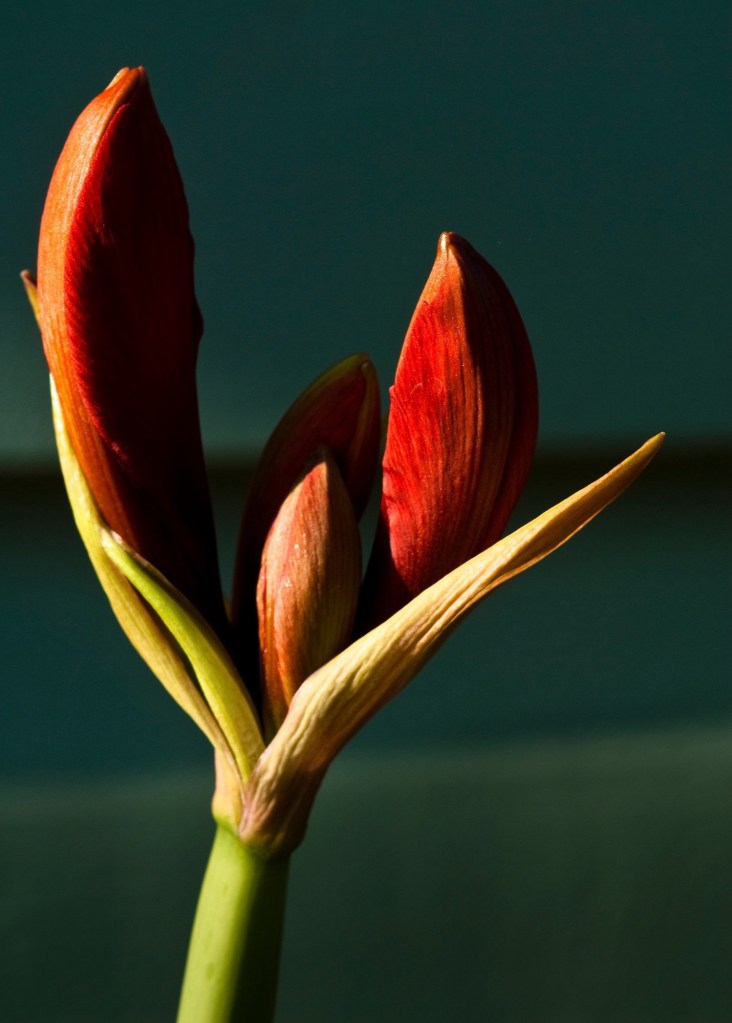
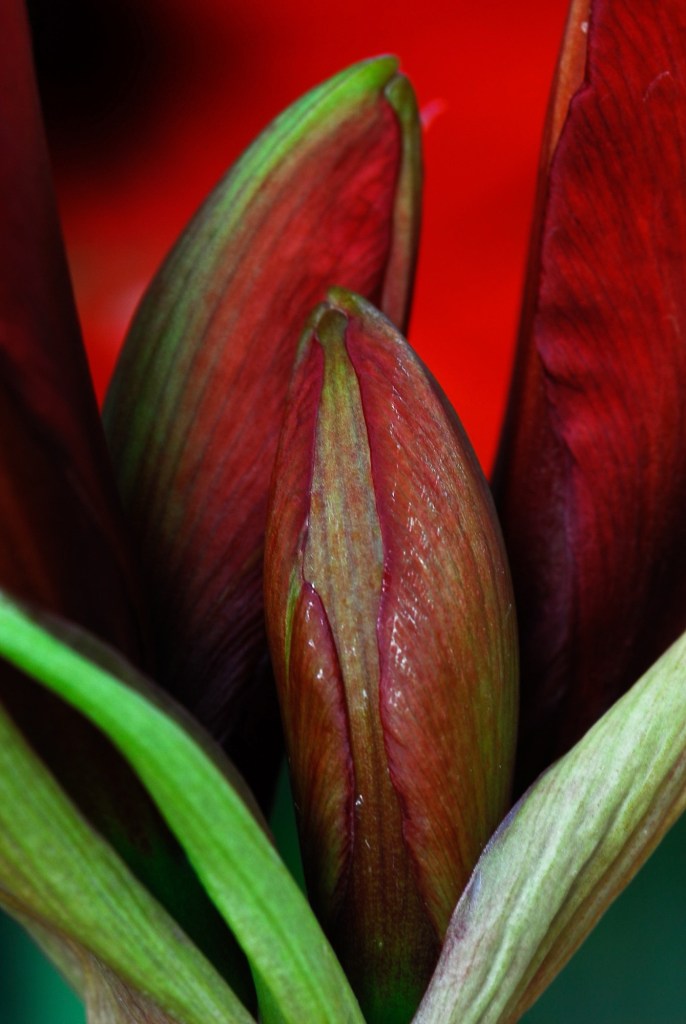

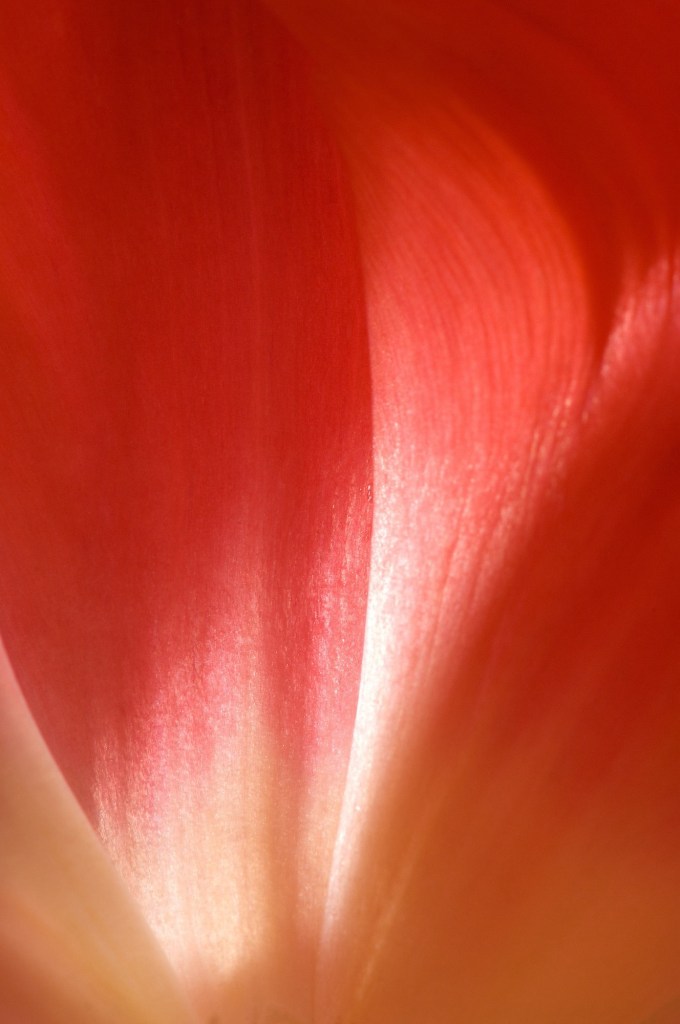
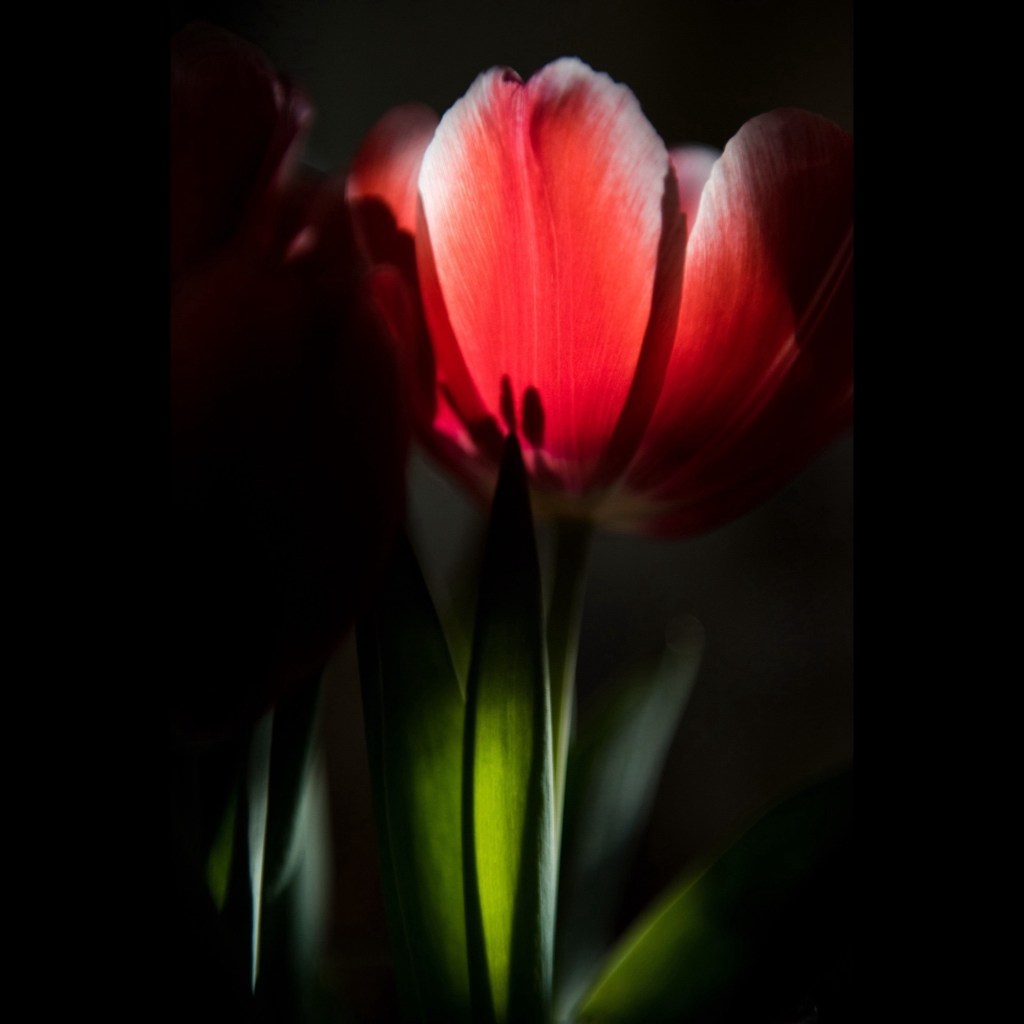
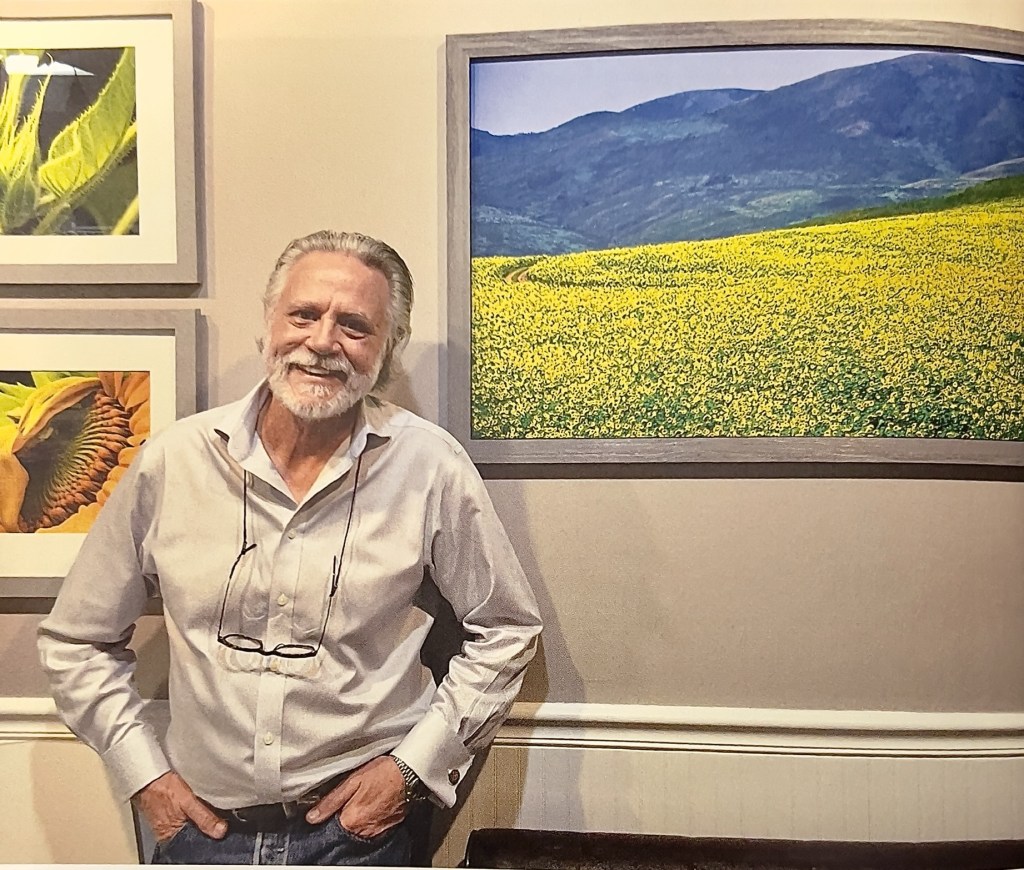
Excited to announce my Floral Essence series is now in print🌺.
This 7” x 7” monograph features 29 vibrant flower images across 42 pages. Available in softcover ($19.95) and hardcover ($39.95) plus $5 postage.
Sharing these images on social has been so rewarding, and now I’m thrilled to offer this curated print edition.
Share with someone you know who loves nature, flowers and photography.
Email me to order your copy and bring a touch of floral art home.
WayneEastep@gmail.com

Curated Collection of flower photographs printed in the monograph Floral Essence
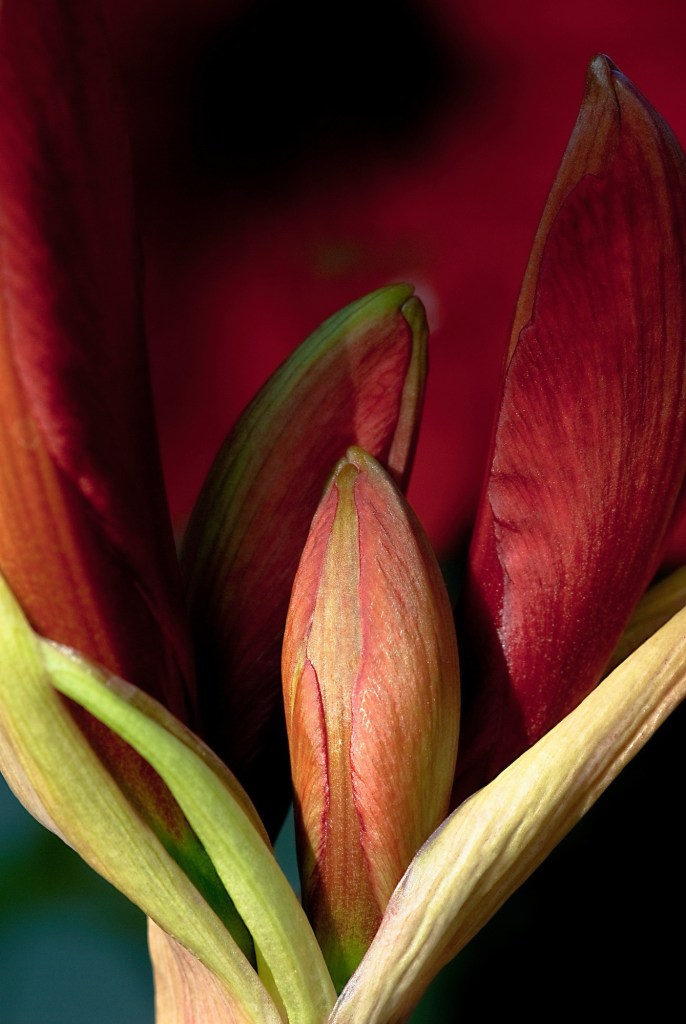
Series: Floral Essence #8 Amaryllis
The series “Floral Essence” comes to a finale. A post about the Amaryllis feels like the perfect subject at the right time with which to conclude this series.
As holidays near, wax-dipped Amaryllis bulbs show up in the shops, ready to brighten the gray winter days with color.
Named from the Greek word for “to sparkle,” it is fitting that the Amaryllis blooms in winter, around Christmas.
Given their sturdy stems and vertical profile, Amaryllis symbolize strength, pride, and determination. When the flowering phase ends, you can cut the stem and preserve the bulb; it will flower again next year. With proper care, it can live for up to 75 years.
Thank you for following Floral Essence. It has been an inspiring journey through the language of flowers.
An exceptional monograph is on the way, stay tuned!
Back to work on a new series about a different subject.
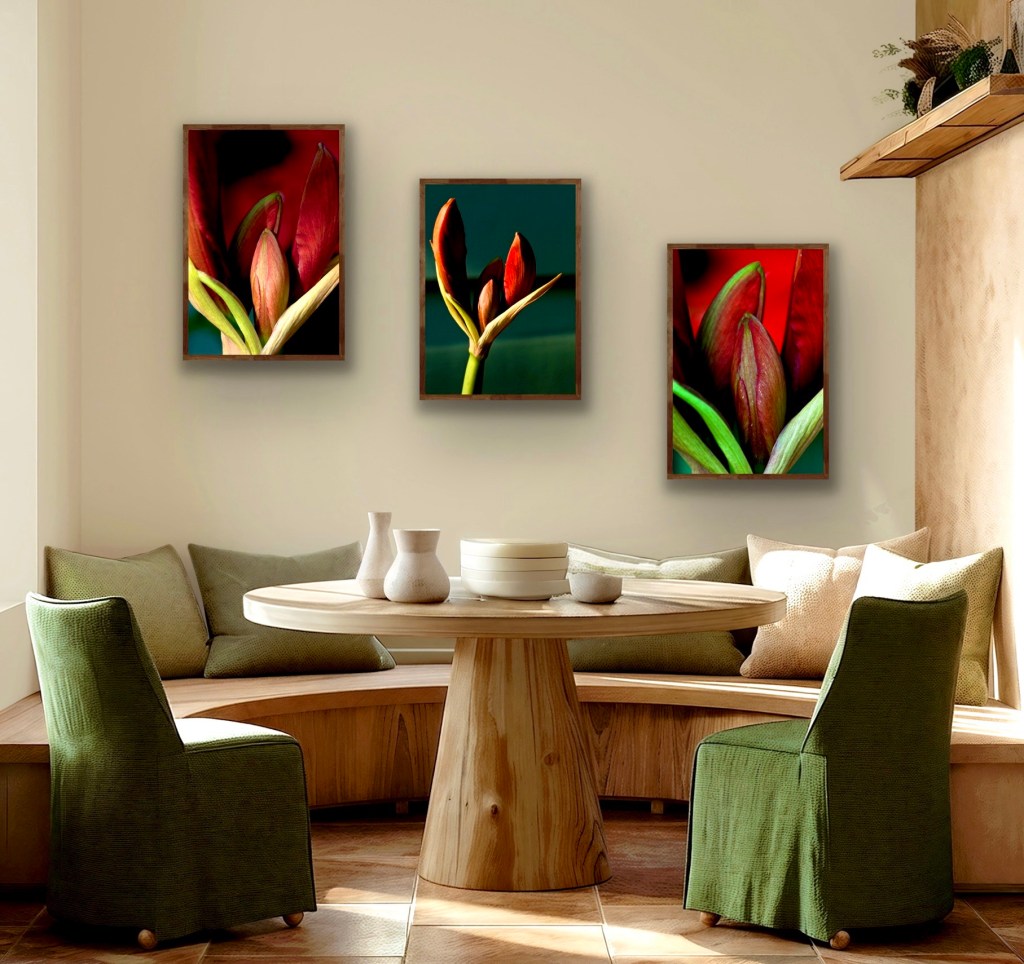
To see these Flowers and more, visit my website at: www.wayneeastep.com
Amaryllis buds “to sparkle”
Series: Floral Essence #7 Feather Grasses
Feather Grasses, like these near Sergeyevka, Kazakhstan, have grown for millennia in the thin topsoil of the Steppes; some varieties are now scarce or endangered species. The Steppes were covered in this ideal pasturage prior to the Soviets’ misguided Virgin Land Reclamation policy of the 1950s, under which nearly 25 million hectares (approximately 62 million acres) of the northern Steppes were plowed to plant wheat.
The feather grasses provide nutrition for horses, cattle, sheep and goats, ensuring a sustainable food source for nomads.
The sea of grasses move in waves with the wind, nurturing a soul that’s living in relationship with nature.
Book; Floral Essence. coming soon
To see more images of flowers visit: Wayne Eastep.com

Feather Grasses in the Steppes of Kazakhstan
Series: Floral Essence #6
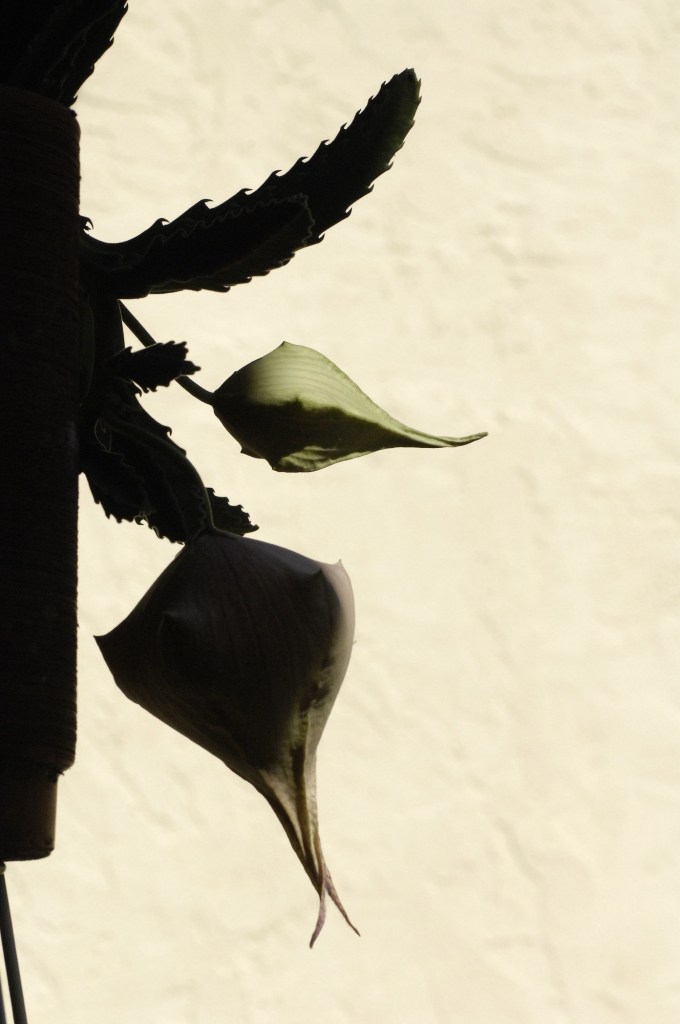
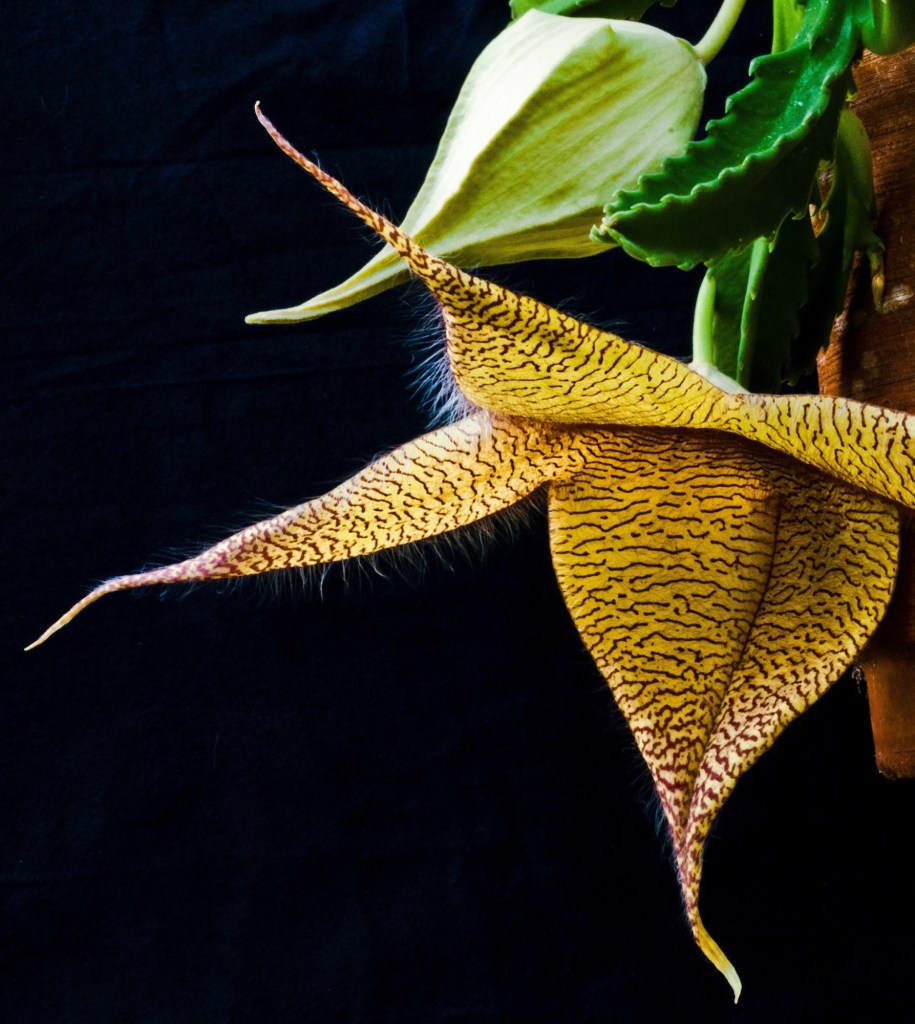
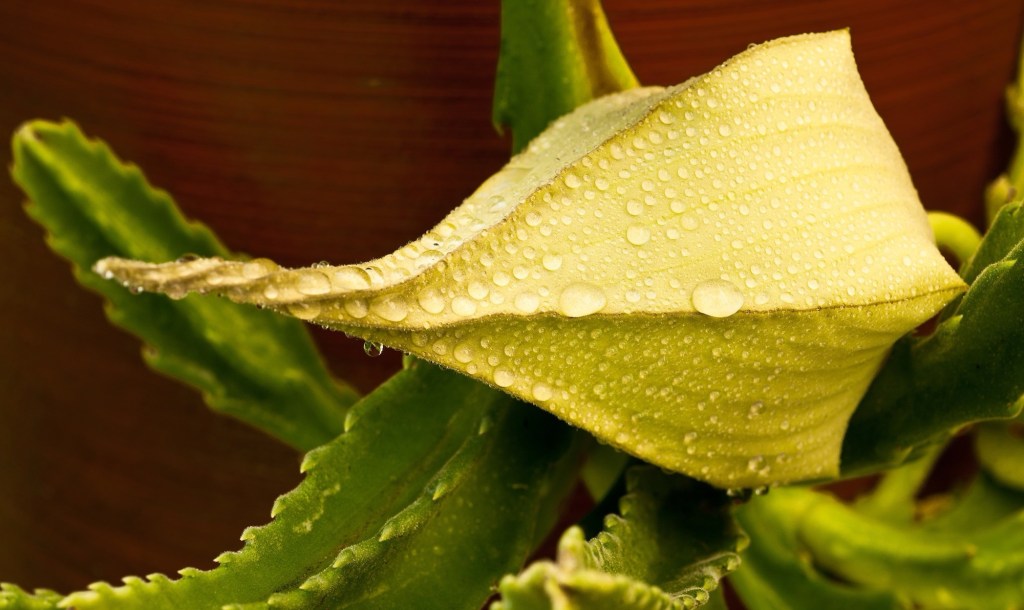
Giant Stapella Cactus
One of the gifts of growing plants is the time it offers for observing their quiet transformations, from the first emergence to eventual passing.
My sister Victoria gave me a cutting from this cactus, and over many months I watched it evolve.
Gradually, as the cactus revealed new shapes and gestures, it seemed to tell a quiet story about what it was and how it was changing.
Using my camera, I captured moments that brought both satisfaction and reflection, preserving memories that deepened my connection with the plant.
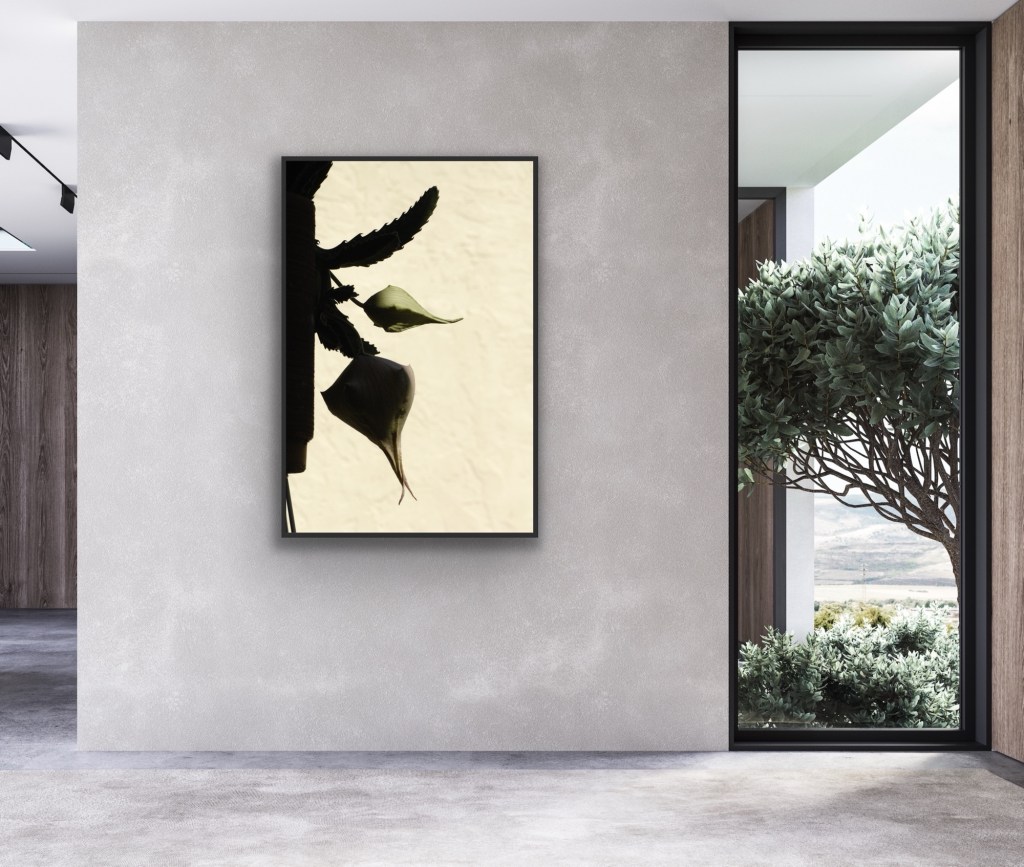
This series of images is part of a larger collection called Floral Essence. I’ll share more about that in the near future.
To see this image and more flower pictures, visit the gallery Flowers at:

Series: Floral Essence #5
Snapdragons Dancing in the Wind
Practicing photography can be much like practicing meditation. Both invite us to slow down and truly see. They heighten our awareness, sharpen our attention, and help us become more attuned to the quiet details that often pass unnoticed. This image is an expression of that mindful practice.
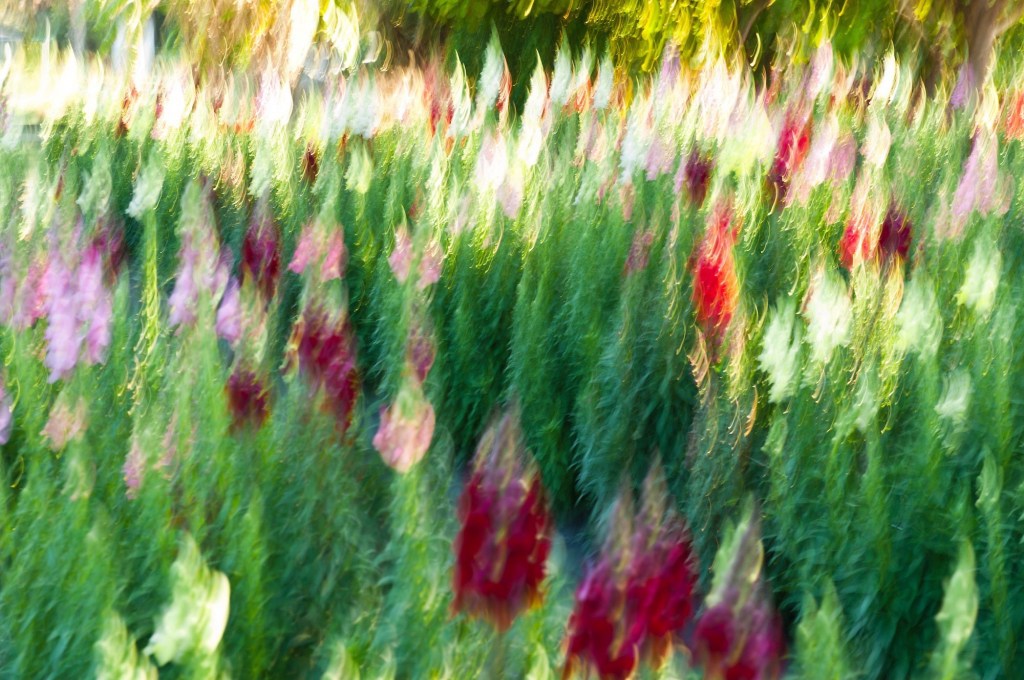
While driving near Sarasota, a field of snapdragons caught my eye—just a glimpse of color in my peripheral vision. I pulled over, spoke with the property owner, and was welcomed to wander the field with my camera.
As I began photographing, a gentle wind set the flowers in motion. In that moment, I saw not simply a field of snapdragons but blossoms dancing in the wind. I worked to capture the movement of the wind through the petals—more than a still image, a sense of motion and energy.
This photograph is the outcome of years of patient observation and practice. It also reflects what happens when we allow the mind’s eye to see beyond what is in front of us—when imagination meets perception, and feeling becomes form.
This series of images is part of a larger collection called Floral Essence. I’ll share more about that in the near future.
To see this image and more flower pictures, visit the gallery Flowers at: www.wayneeastep.com
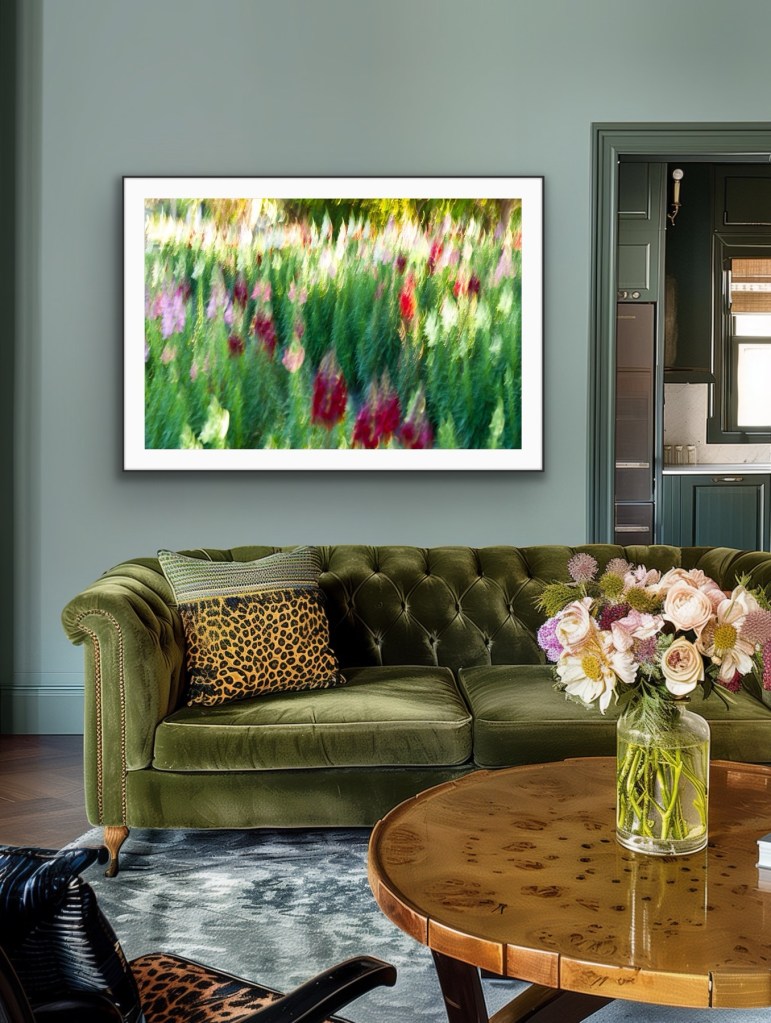
Snapdragons blossoms moving with the wind
Series: Floral Essence
#3 Amorphophallus titanum
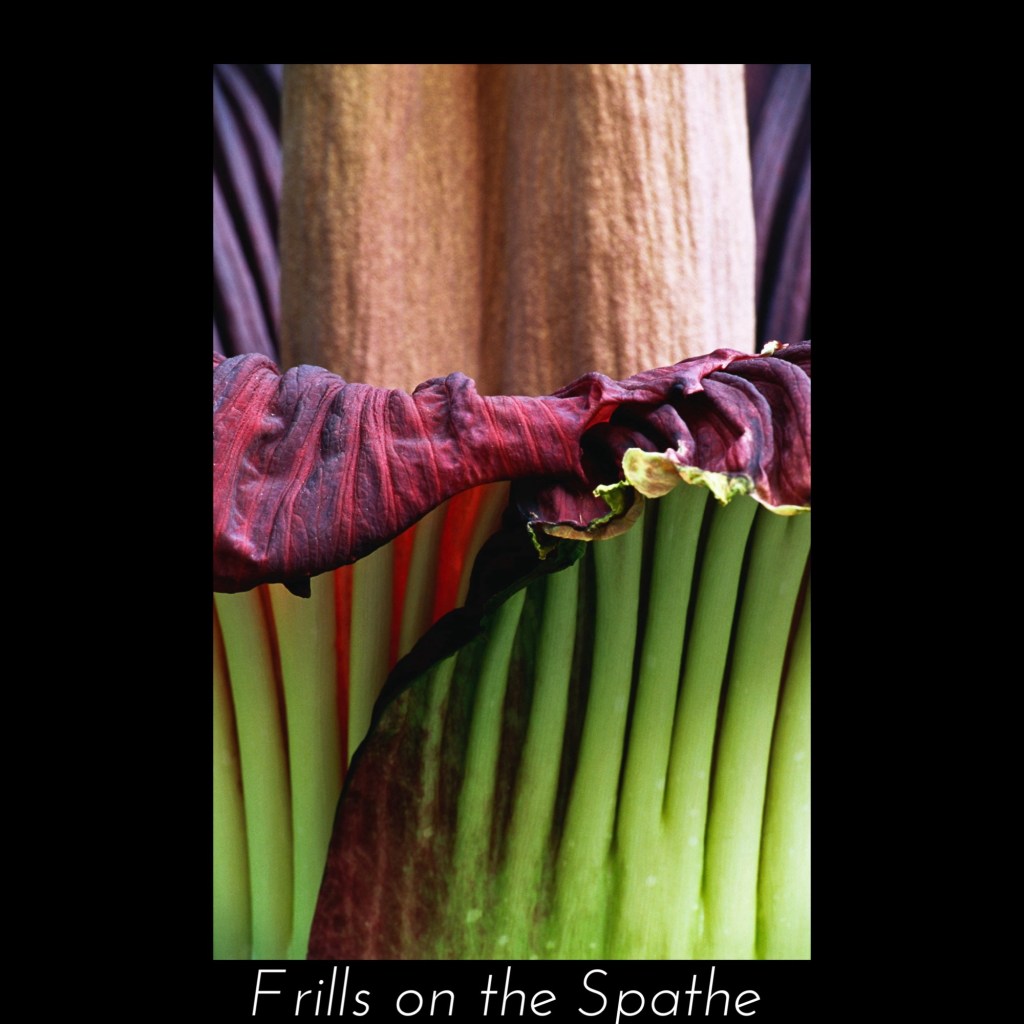
The Amorphophallus titanum is the largest unbranched inflorescence flower in the world. The plant grows to between 6 and 12 feet tall. With a name and size like that it’s no wonder it makes the news when it blooms.
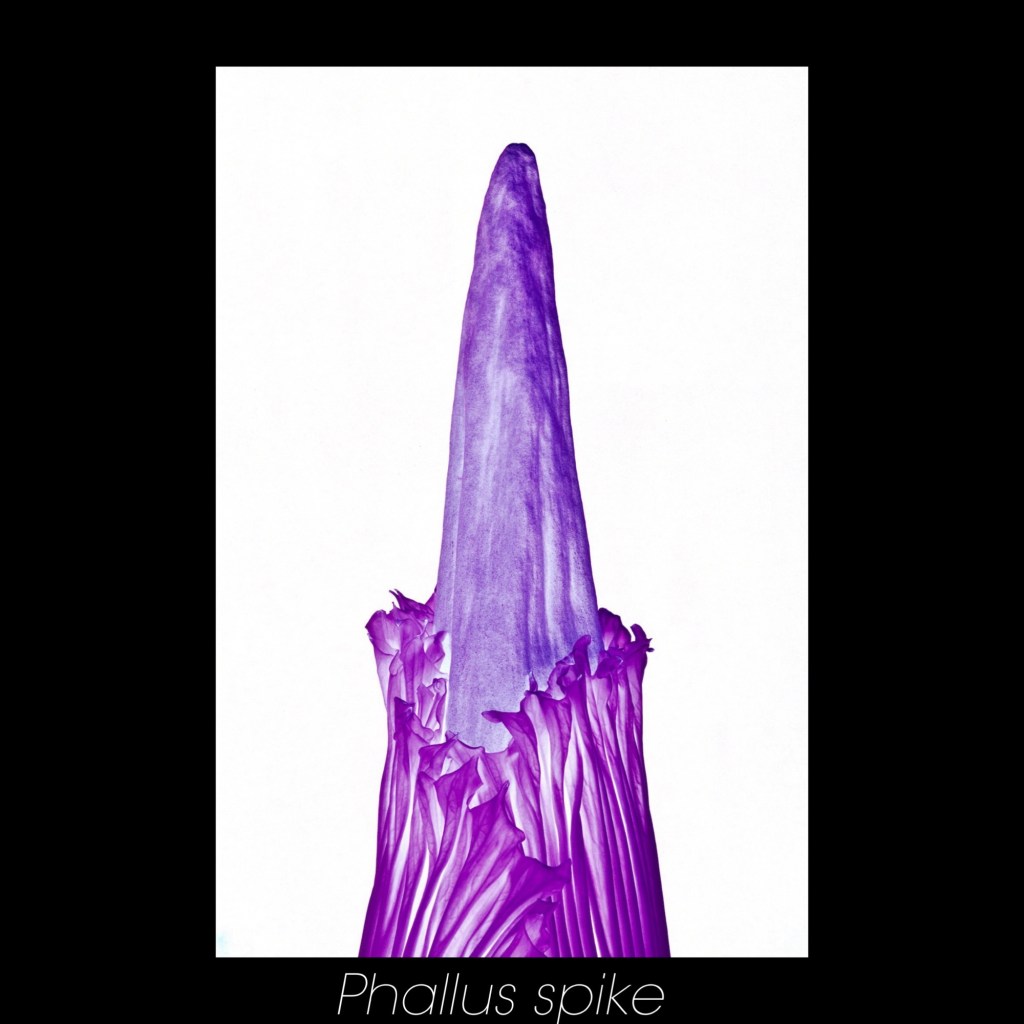
From bulb to bloom can take up to ten years. After that long wait the bloom only lasts for about 24 to 48 hours. The plant originates in Sumatra in Indonesia.
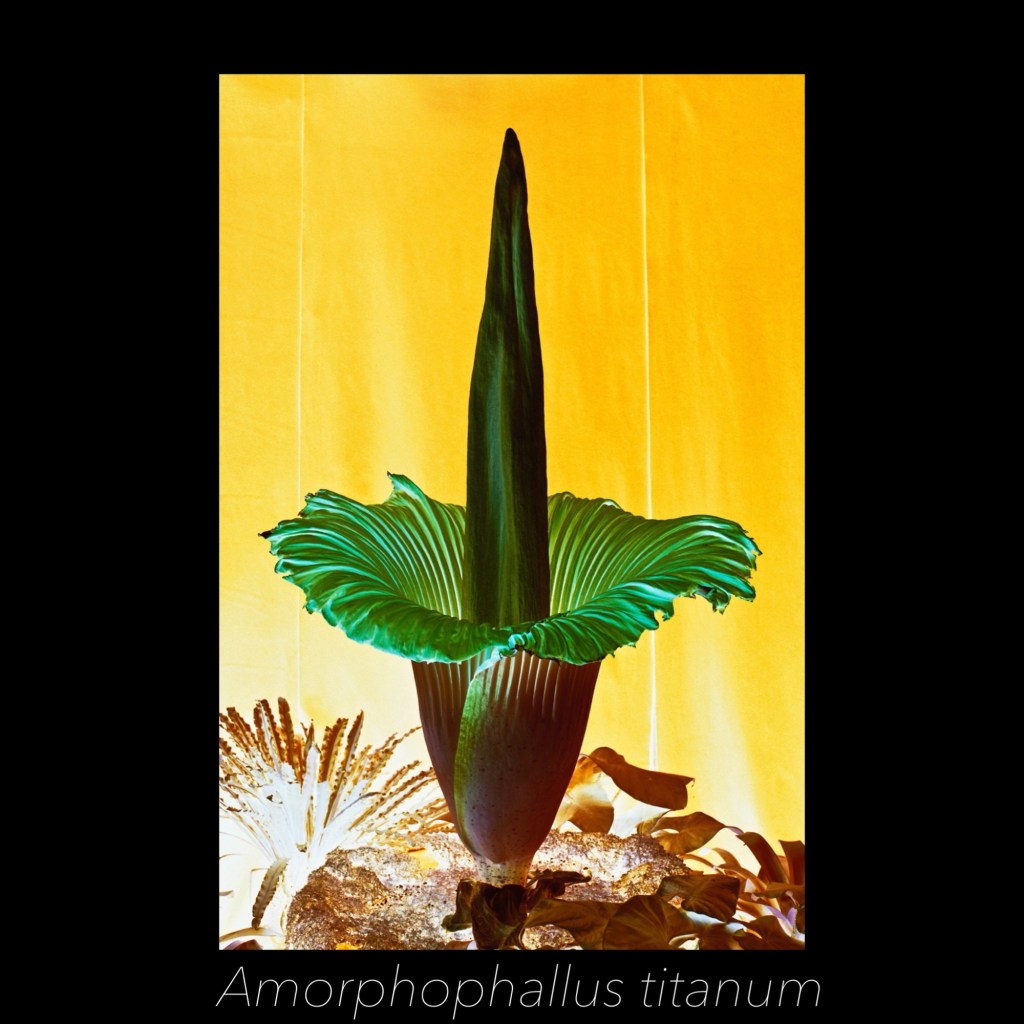
Because of this plants unusual resume I thought how can I make an image that suggests its dramatic presence. I settled on cross-processing some of the images to evoke the energy of this amazing plant. Cross-processing is when you use positive film and process it in negative chemistry. Doing this you never know what you’ll get.
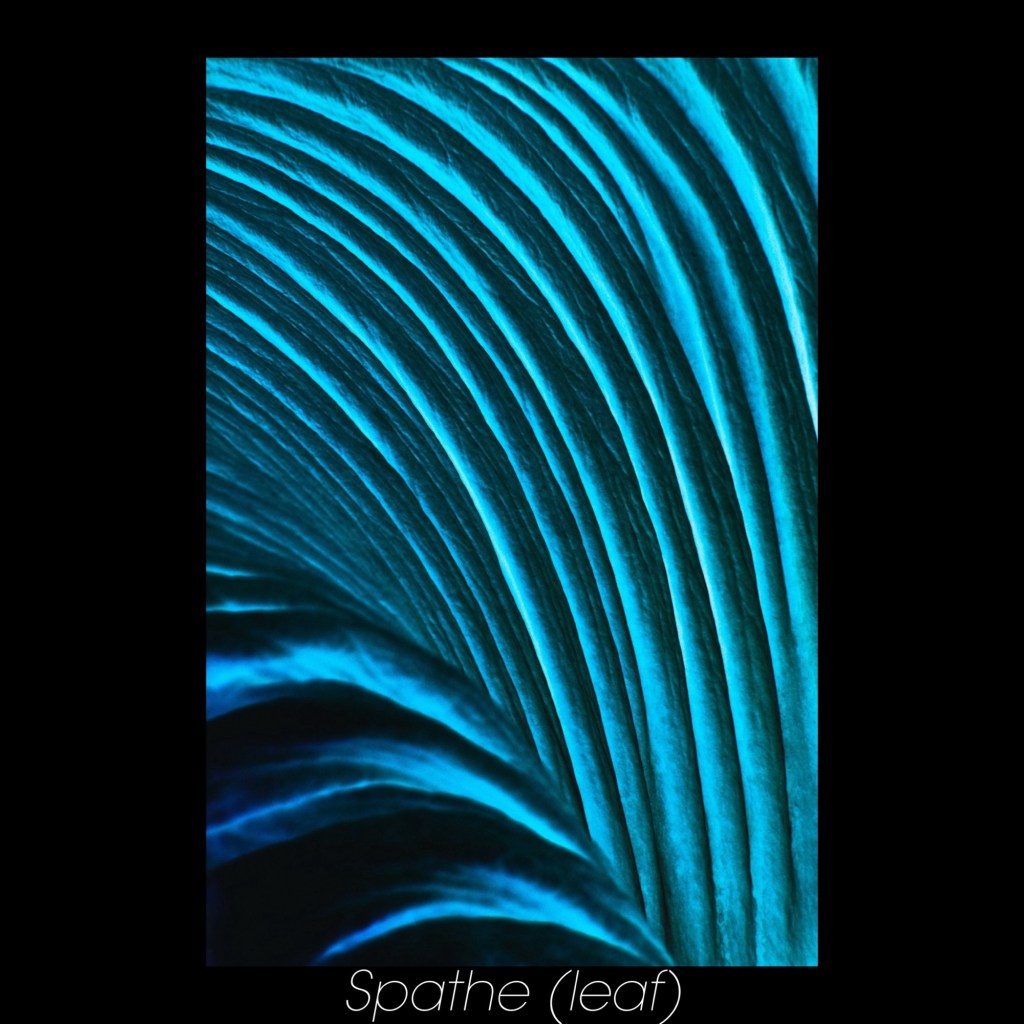
This series of images is part of a larger collection called Floral Essence. I’ll share more about that in the near future.
To see these images and more flower pictures visit the gallery Flowers at www.wayneeastep.com
Photographs of flower Amorphophallus titanum


