Here’s a Thought: Let’s Share the Wealth
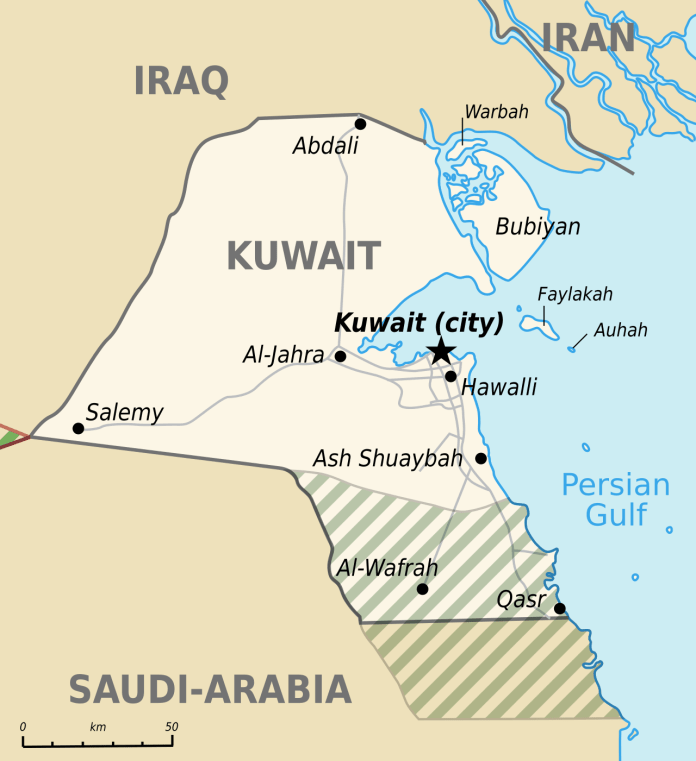
Map showing the Partitioned Neutral Zone of Kuwait and Saudi Arabia.
Map Source: Wikipedia

Money has the power to enrich relationships or to destroy them. More often than not, the pursuit of wealth has pulled families, friends, and entire nations apart. Yet when shared intentionally, wealth can become a bridge that strengthens bonds rather than breaks them.
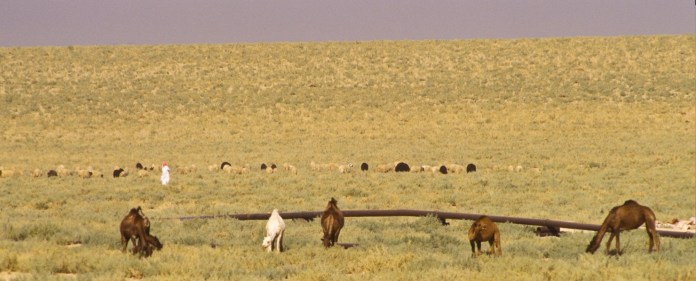
Bedouin watching over a herd of camels, sheep, and goats along a crude oil pipeline in the Neutral Zone shared by Kuwait and Saudi Arabia

Here’s a story that began long ago, on December 2, 1922. That was when the British designated 2,000 square miles of desert as a new border between Saudi Arabia and Kuwait under the Uqair Convention. The goal was to accommodate the Bedouin tribes who roamed freely across the area. The agreement declared that the rights to this region would be shared equally between the governments of Kuwait and Najd (modern-day Saudi Arabia). 
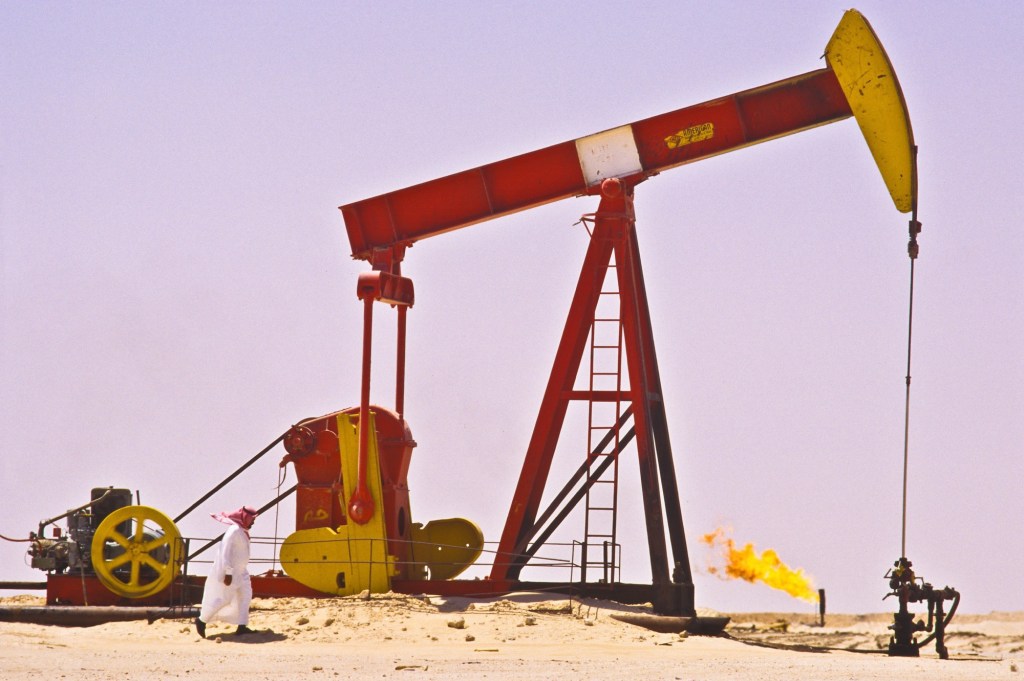
Rig pumping crude oil in the Partitioned Neutral Zone shared by Kuwait and Saudi Arabia
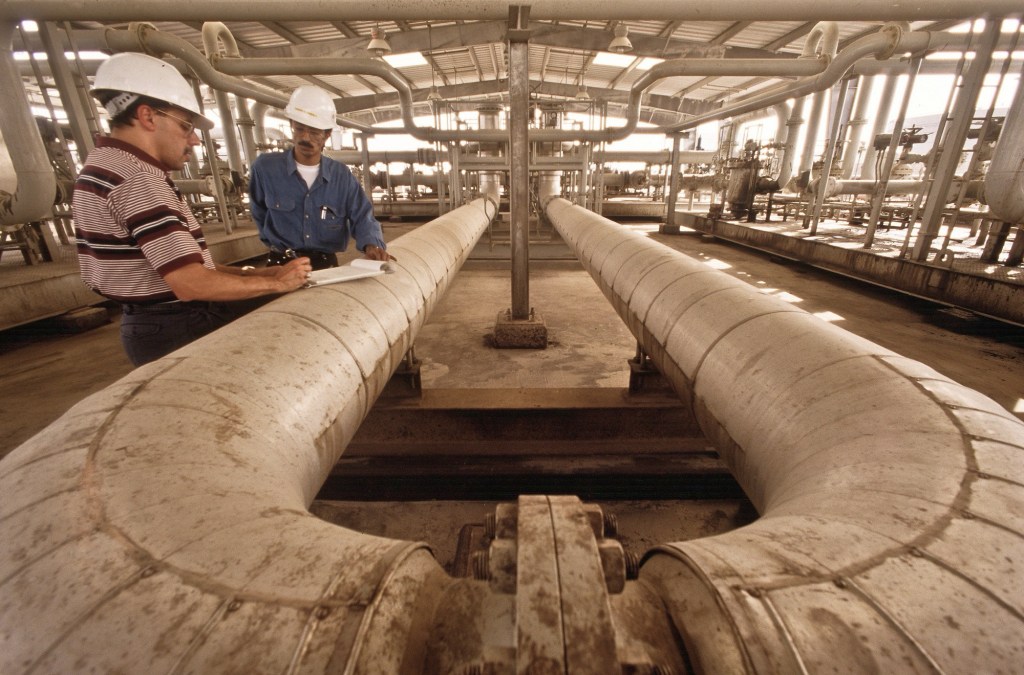
Oil Transfer Unit, PNZ Neutral Zone, Shared Crude Oil Kuwait/Saudi Arabia

Then came 1938, when oil was discovered in the Burgan field of Kuwait, near the Neutral Zone. It was a moment that could have sown division, because potential riches often spark rivalry. Over the next decades, more oil was found, but rather than dispute, both nations decided to cooperate. As oil development expanded through the 1960s and 70s, they continued to share the profits and manage the resource together. On January 18, 1970, they ratified an agreement to formally partition the Neutral Zone while continuing to jointly extract its oil.
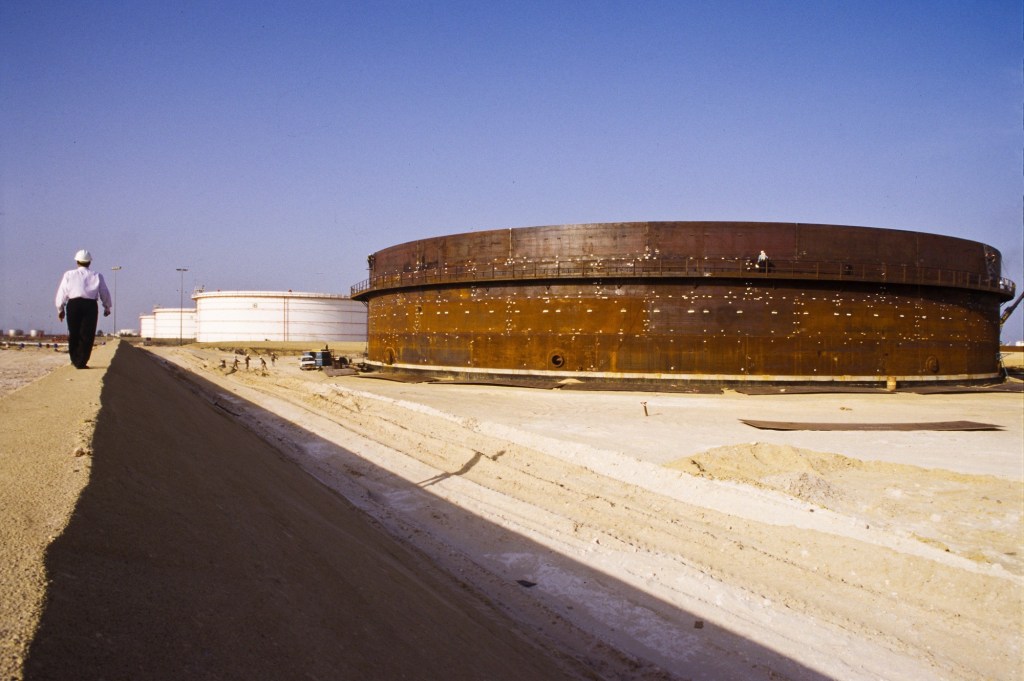
Crude Oil Storage Tanks, PNZ Neutral
Zone, Kuwait/Saudi Arabia

Years later, in 1991, Iraq invaded Kuwait, threatening both its sovereignty and its oil reserves. A coalition led by Saudi Arabia and the United States said “no,” pushed back the invaders, and restored Kuwait’s independence—securing not just territory but the spirit of partnership that had endured for decades.
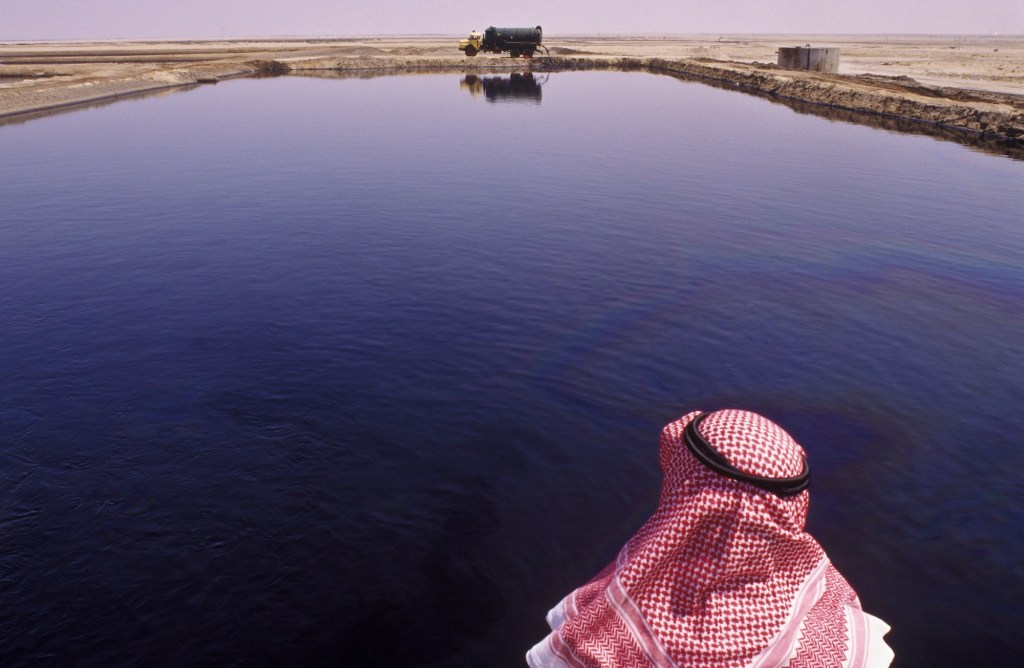
Kuwaiti overseeing captured crude oil spill after Iraqi-Kuwaiti war.
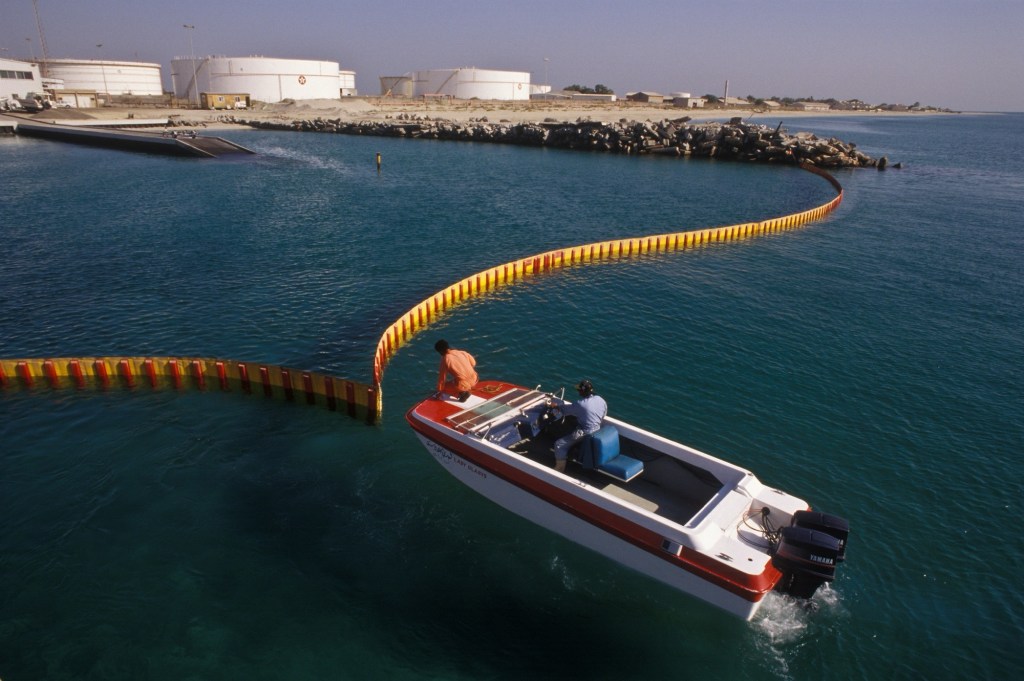
Oil Spill Containment Drill, Kuwait

More than half a century later, Saudi Arabia and Kuwait continue to peacefully share and benefit from the oil resources of the Neutral Zone. Their story stands as a living example that cooperation can yield prosperity, and that a shared resource can unite rather than divide.
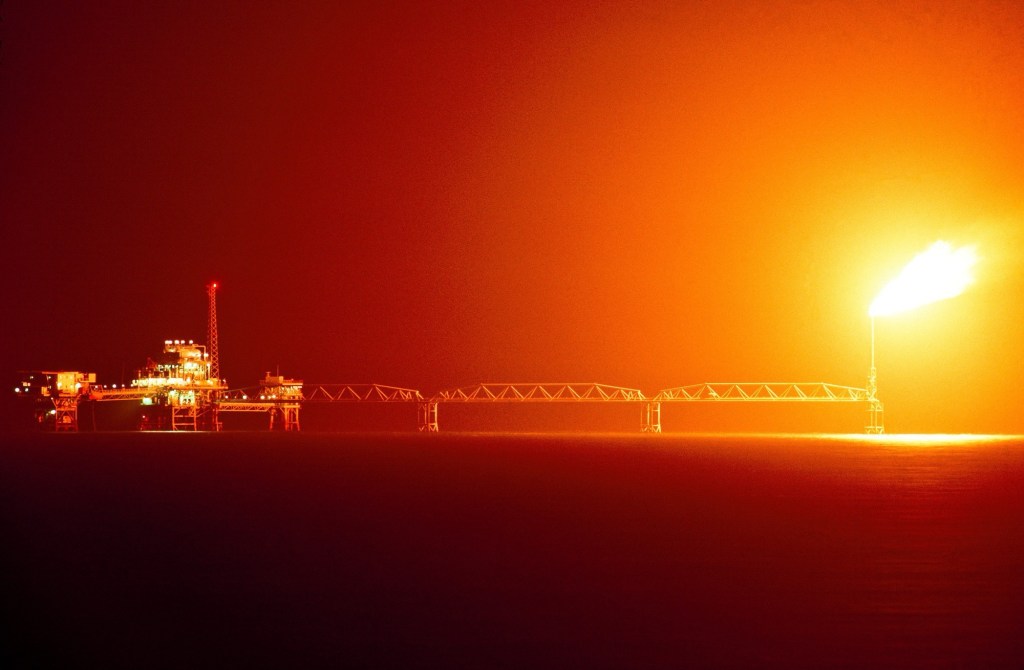
Safaniya Offshore Oil Rig, Arabian Gulf, Neutral Zone, Kuwait/Saudi Arabia
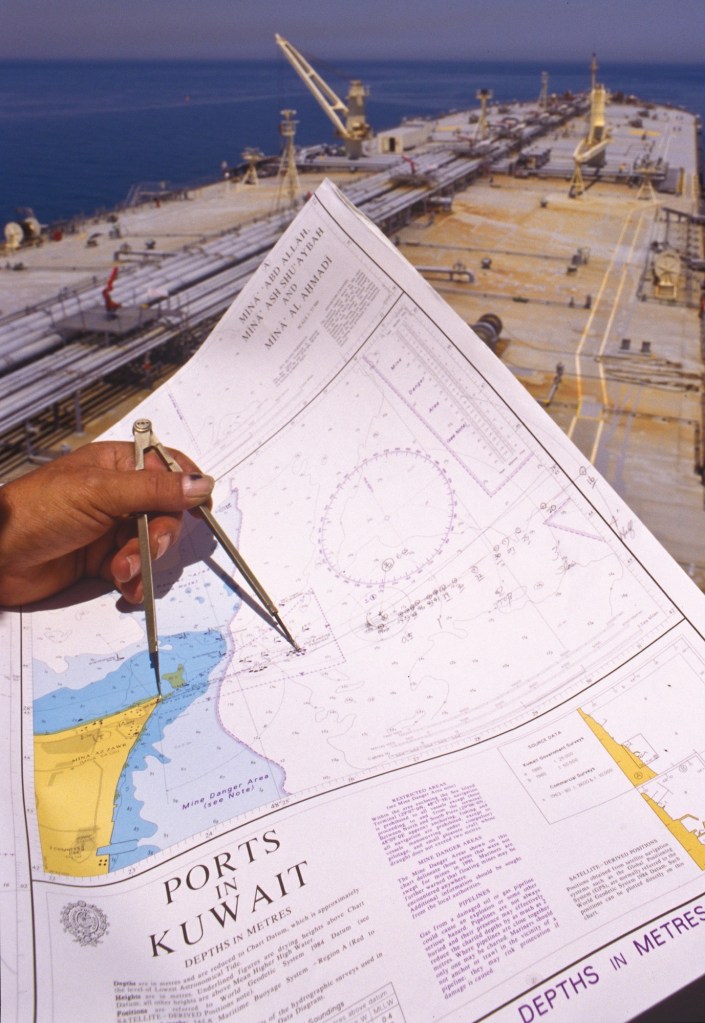
Ship navigation map, Arabian Gulf, Port of Kuwait

Perhaps real wealth lies not only in what we possess, but in how we choose to share it.

Sources: Wikipedia, Daniel Yergin, Uqair Protocol

Photos by Wayne Eastep

BEDOUIN, Energy, Kuwait, Middle East, Partitioned Neutral Zone, Petroleum Industry, Recent Personal Images, Saudi Arabia, Super Tankers

Here’s A Thought / Let’s Share The Wealth

Partitioned Neutral Zone between Kuwait and Saudi Arabia

Image

“Super” Tankers

These images will give you a sense of the enormous size of the Super Tankers moving through the Straits of Hormuz. 

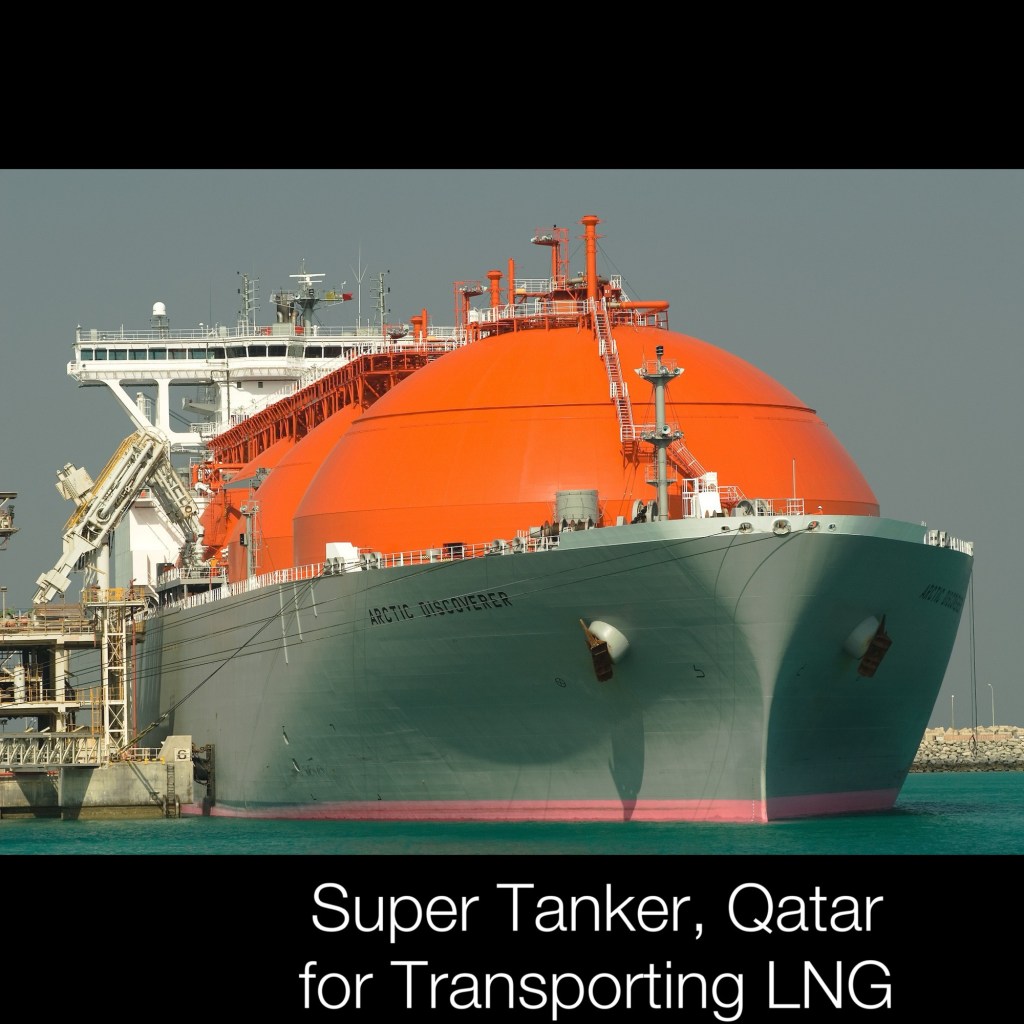
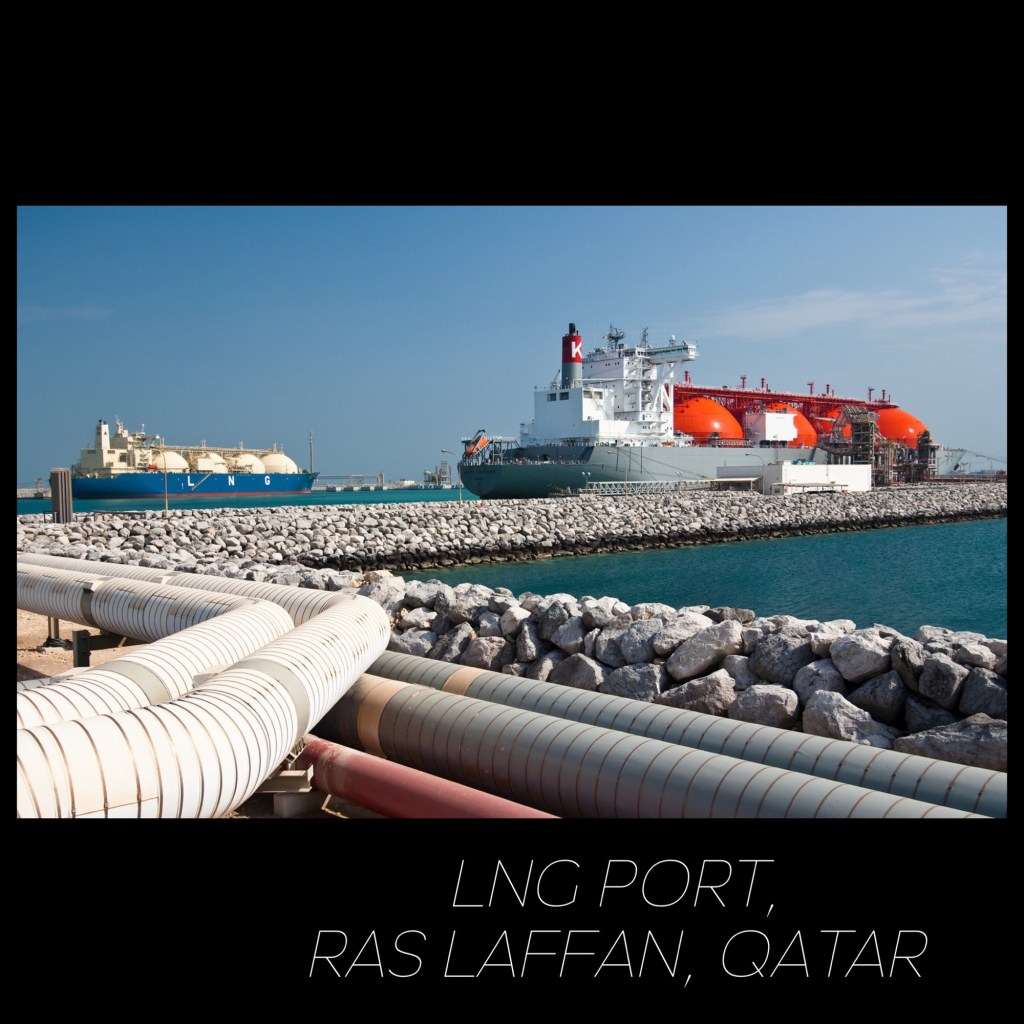
The first image shows a super tanker at Ras Laffan in Qatar being filled with LNG.

There are two types of LNG tankers used in Qatar: Q-Max with a capacity of 5.6 billion cubic feet of LNG and the Q-Flex with a capacity of 4.6 billion cubic feet of LNG.

A single Q-Max tanker can transport enough LNG to power approximately 70,000 homes for a whole year. 

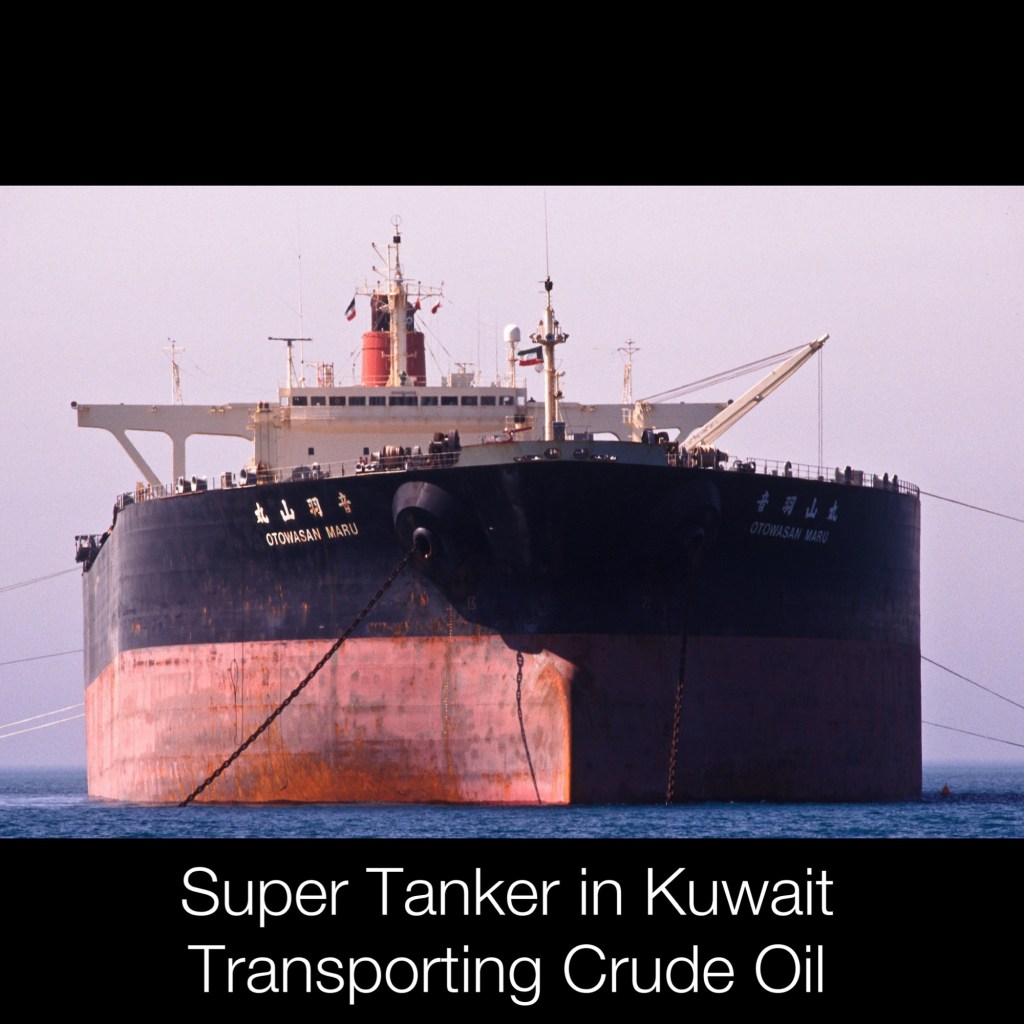
This image shows a tanker ready to be filled with crude oil in Kuwait.  These tankers can carry between 2 and 3 million barrels of crude oil per voyage.

“Under normal conditions over 100 ships, including roughly 60-70% tankers and gas carriers, traverse the Strait of Hormuz daily.  This represents approximately 20 million barrels of oil (20% of global consumption) and 20% of LNG trade”

Source:  U.S. energy Information Administration

Sources for this post: American Petroleum Institute, Strauss Center, Mitsui O. S.K. Lines, Reuters, Industrial Info Resources, Nakilat, Qatar Energy LNG, Brand Finance, Wikipedia.

Website: Wayne Eastep

Images copyrighted by Wayne Eastep

Energy, Kuwait, Petroleum Industry, Qatar, Ras Laffan LNG Refinery, Recent Personal Images, Saudi Arabia, Straits of Hormuz, Super Tankers

“SUPER” Tankers

Why Super Takers are called “Super”

Image