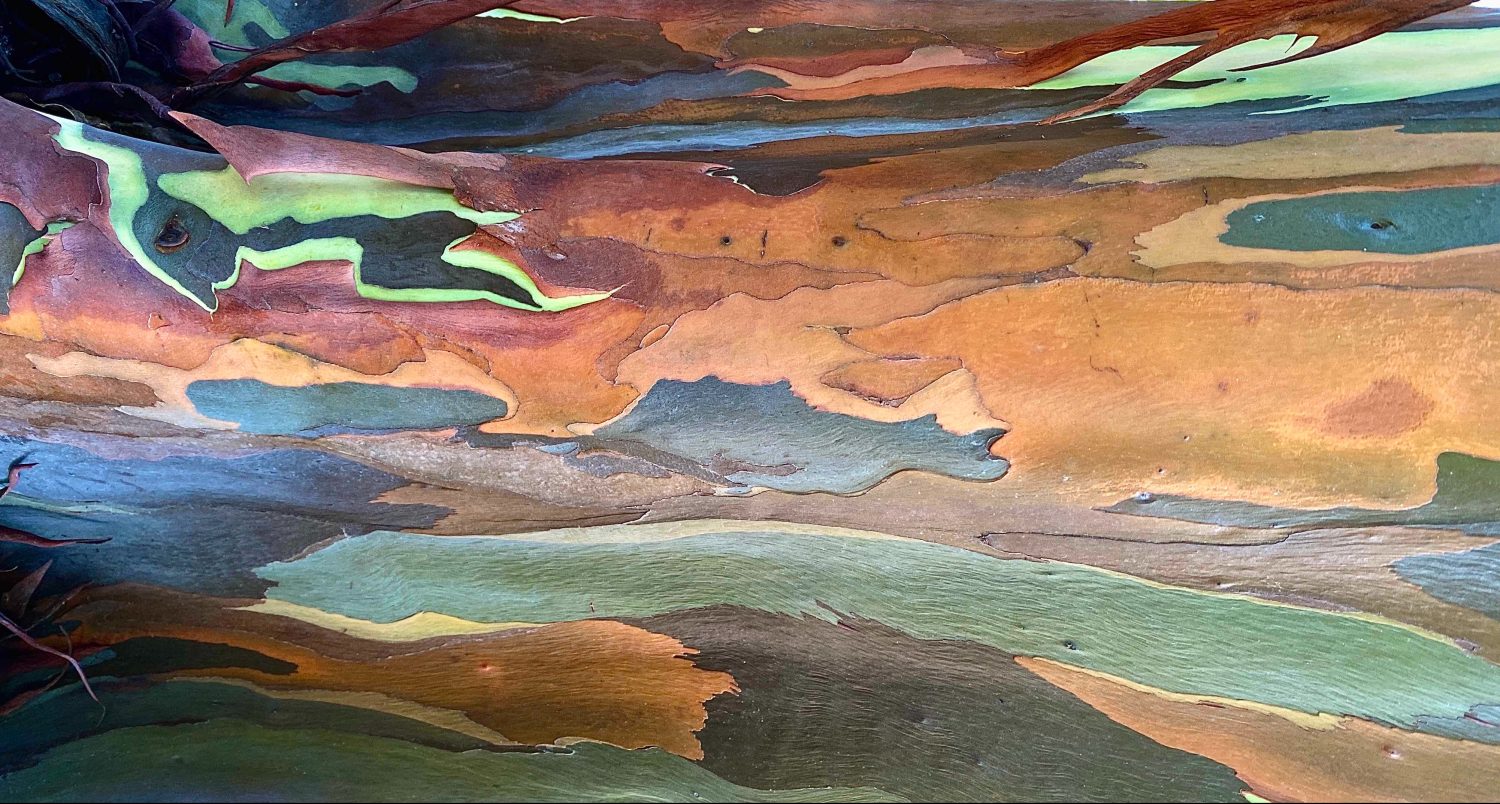
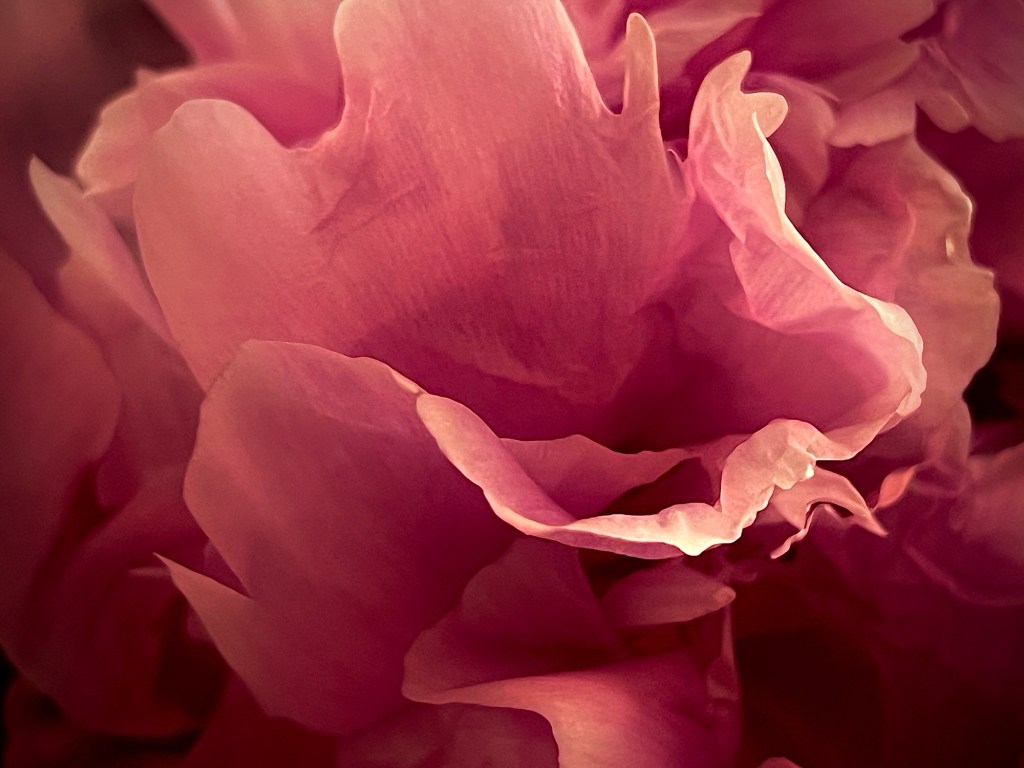
I’ve been wondering, why we describe something as beautiful?
I’d like to read your thoughts about what you think accounts for beauty?
I’ve been wondering, why we describe something as beautiful?
I’d like to read your thoughts about what you think accounts for beauty?
Series: Floral Essence
#4 Appreciation of a Single Rose Bud
Mother’s Day was approaching, and I found myself thinking about my mother-in-law. I called the wholesale florist I was working with and ordered two dozen white roses. When I brought them home and arranged them in a vase, one rose stood out—it appeared flawless.

I gently pulled it from the bunch and studied it closely. Something about the purity of its white petals and their perfect symmetry captivated me. I took it to the studio and spent hours lighting and studying that single bud. The exercise became a kind of meditation.
Since then, I’ve often reflected on the blessing of creating art—how it can draw us into a deeper relationship with the simple act of seeing.
Reflecting on beauty and the creative process reminds me of Rumi’s poem.
“What was said to the rose that made it open was said to me here in my chest.
What was told the cypress that made it strong and straight,
What was whispered the jasmine so it is what it is,
whatever made sugarcane sweet,
whatever was said to the inhabitants of the town of Chigil in Turkestan that makes them so handsome,
whatever lets the pomegranate flower blush like a human face,
that is being said to me now. I blush.
Whatever put eloquence in language, that’s happening here.
The great warehouse doors open; I fill with gratitude,
chewing a piece of sugarcane,
in love with the one to whom every ‘that’ belongs.”
Coleman Barks reciting the Rumi poem.
This series of images is part of a larger collection called Floral Essence. I’ll share more about that in the near future.
To see this image and more flower pictures visit the gallery Flowers at:
Still-life of a perfect white rose
Sunflower | Golden Ratio, Golden Bloom
Series: Floral Essence #2 Sunflower
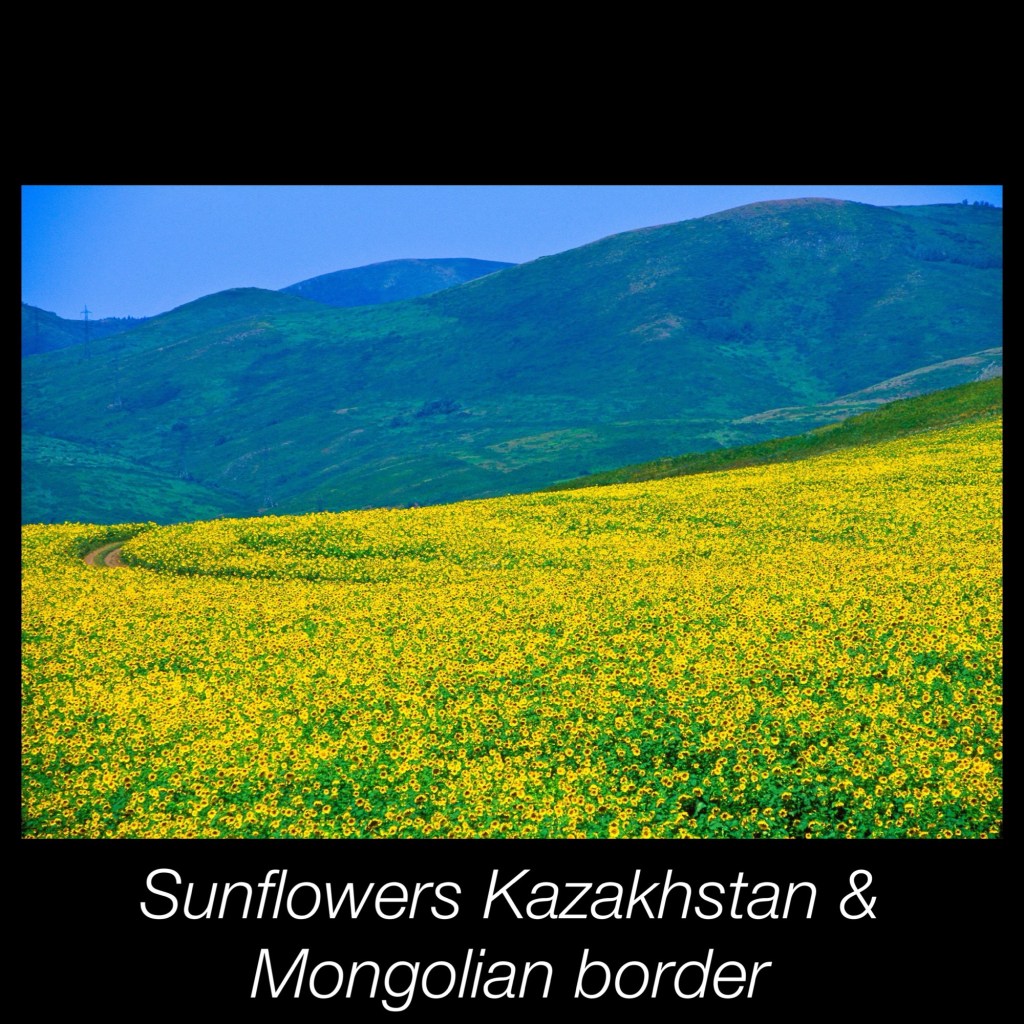
As we were driving along the border of Kazakhstan toward Mongolia, we crested a hill. The field in front of us, all the way to the horizon, was filled with sunflowers as far as the eye could see. I had our fixer pull over. I got out of the jeep, went into the field, and made a series of images of the golden carpet of sunflowers in full bloom. It knocked me out!
Over the next couple of years, the magnificence of those sunflowers remained alive in my memory.
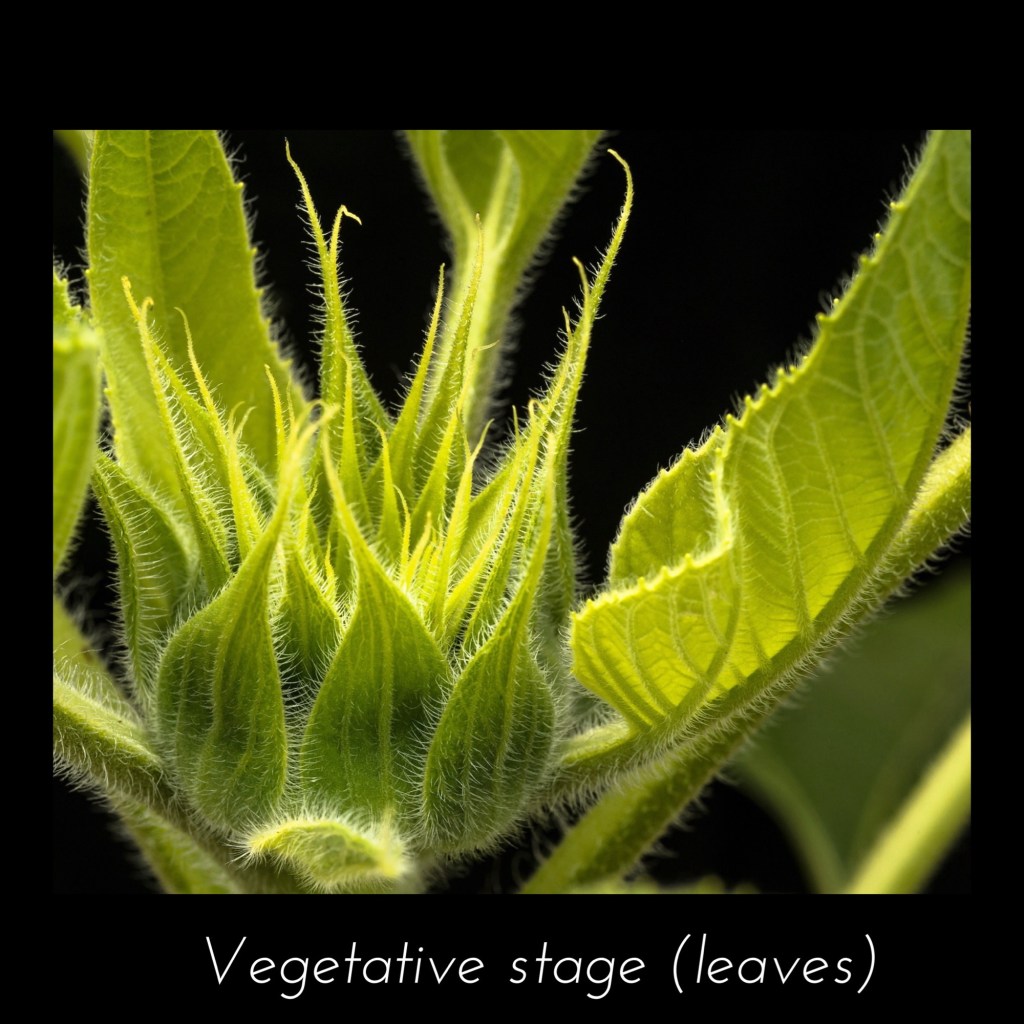
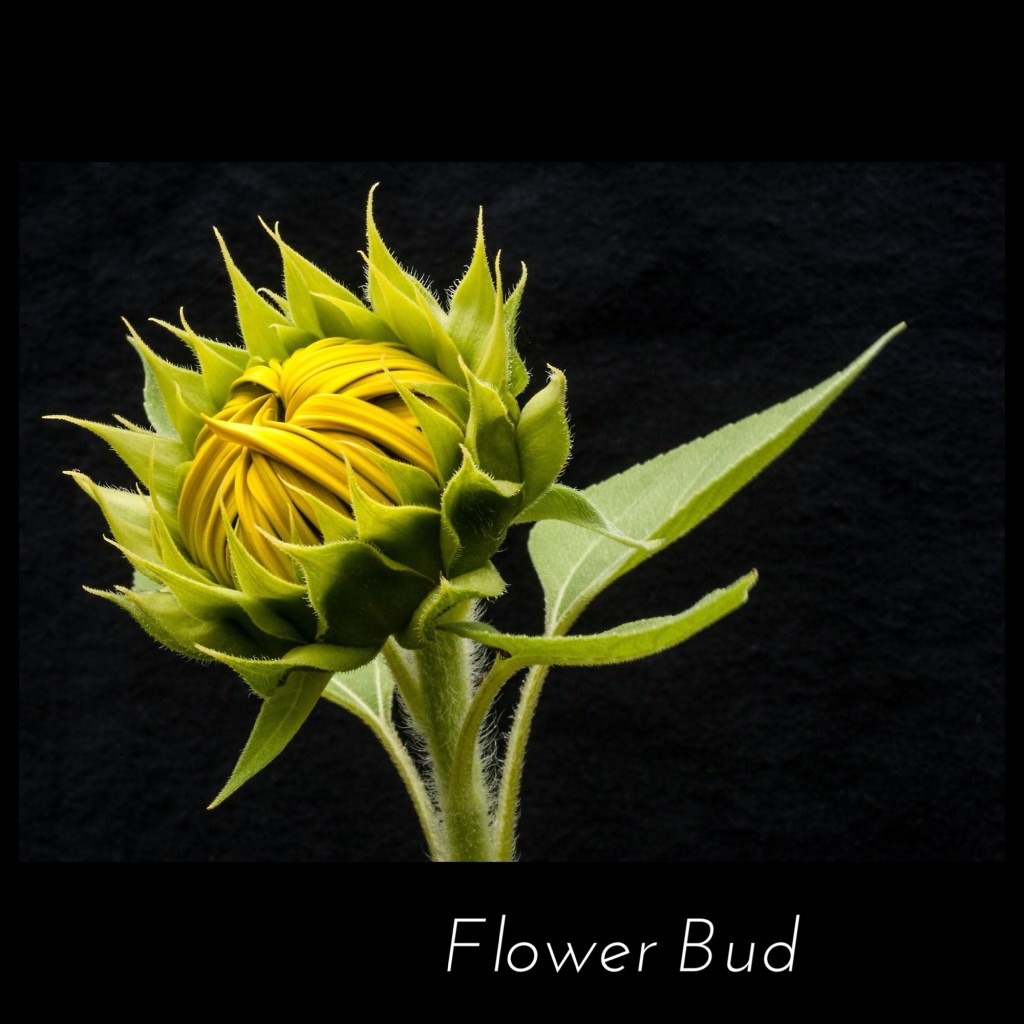
I wanted to learn more about sunflowers. My curiosity was not just about the beauty of their bright blossoms, but what they were all about. I ordered mammoth sunflower seeds, planted the seeds in a circle in my yard, waited, and watched. Over three months, I photographed the stages of growth from seedlings to decline. What I observed increased my appreciation for their beauty but raised even more questions.
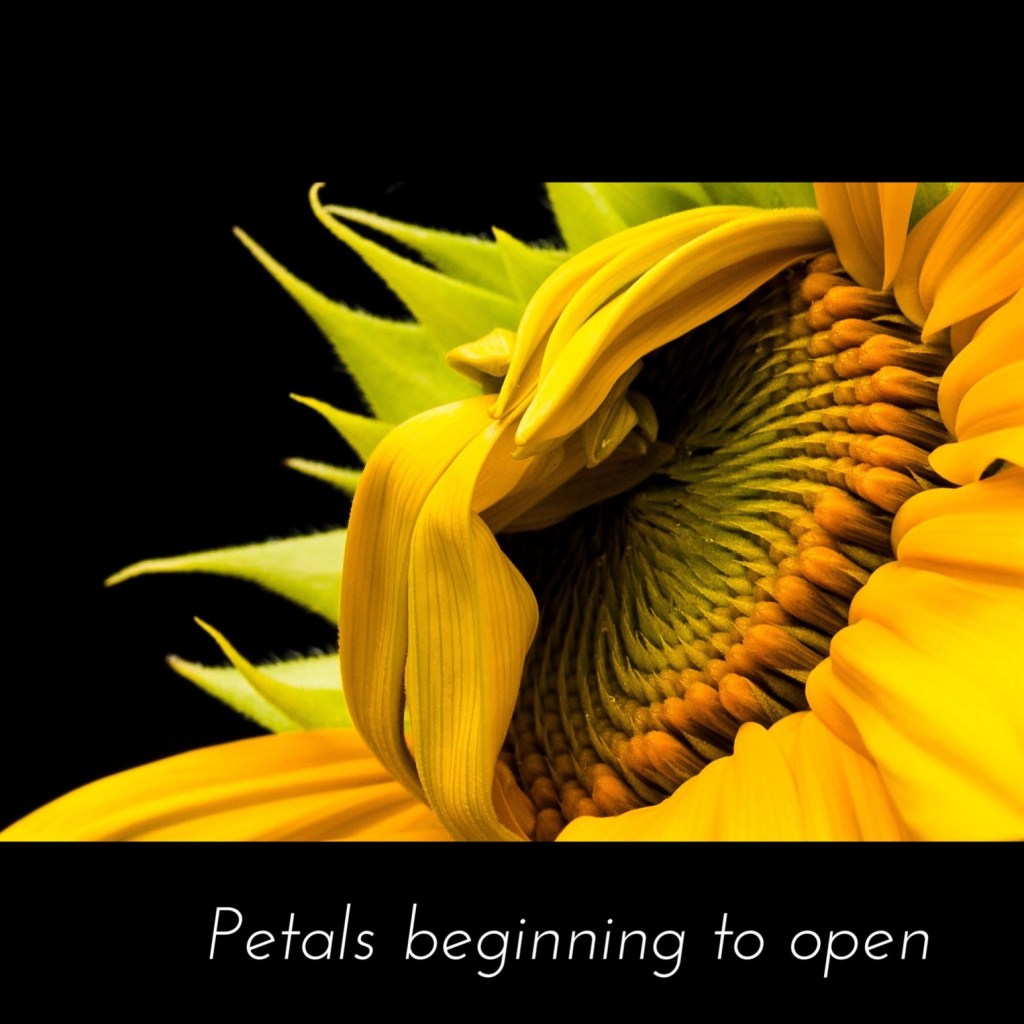
Why did every flower develop a similar spiral pattern? Why were the seeds packed in so tightly and at an angle? My research revealed many connections between nature, mathematics, philosophy, and the rich history of intellectual inquiry — more on that in a later post.

The short-form answer to my questions is that the spiral pattern and the angle of the seeds in the sunflower represent the most efficient way to pack seeds in space and ensure reproductive success. The spirals are called “golden spirals,” reflecting Fibonacci numbers. The elegant angle of the seeds to each other aligns with the “golden angle’’. The pattern of the seeds in the sunflower represents what, in mathematics and aesthetics, can be called beauty — more on that in a future post. Leonardo Da Vinci described this phenomenon, which can also be seen in hurricanes, galaxies, pinecones, and pineapples, as the “Divine Proportions”.
One day, when the flowers were reaching maturity, I watched a pair of wild Brazilian Green Parrots as they fed on the seeds. The two parrots took up positions next to each other on two sunflowers. While one ate, the other stood guard, watching for any threat. After a while, they switched roles. The one guarding then ate, and the other provided protection.
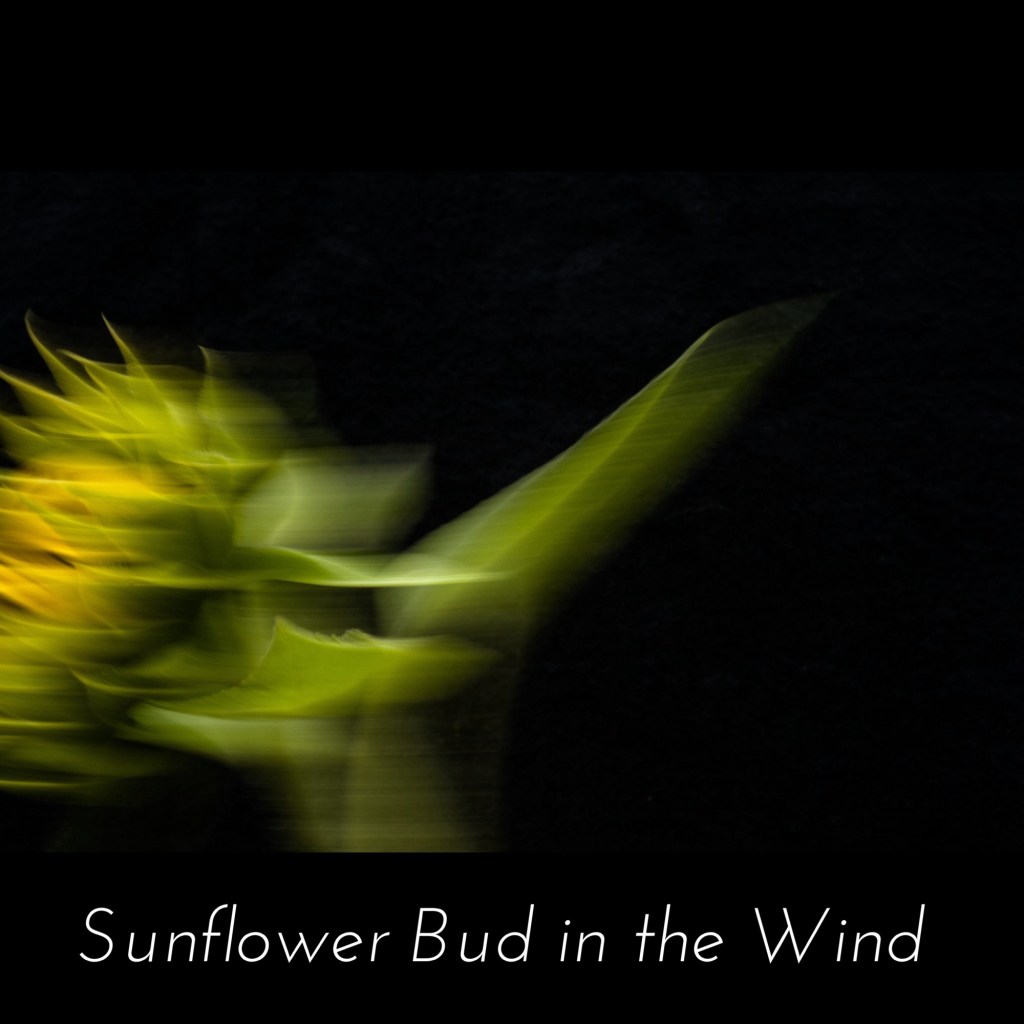
Sunflowers blend mathematics and beauty
Abstract Images are a common feature in our minds and world
Abstract art can help us see parallels and sense echoes between our aesthetic expression and forms in science and nature.
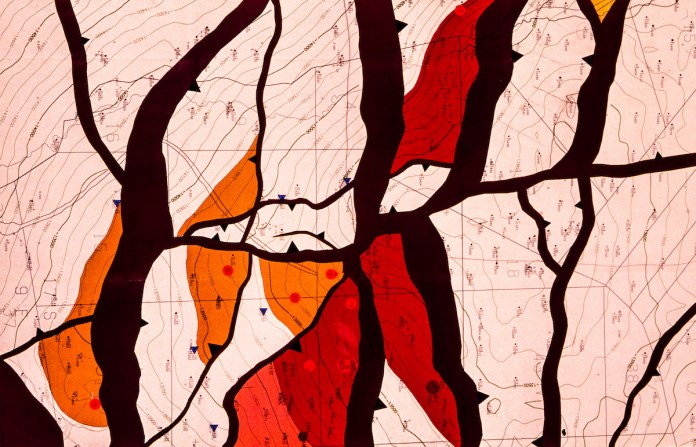
At first glance, these images appear to be abstract art. Under closer examination, we see that they are scientific images of the ocean floor indicating deposits of gas, crude oil, and voids.
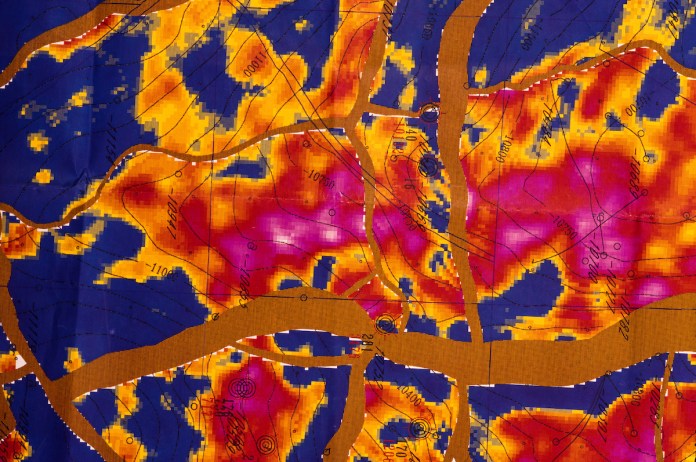
Imaging of the brain produces similar abstract images.
We have a natural capacity to know these shapes and use them in abstract art. Upon deeper reflection, we realize that we have the capacity to understand and express these insights through art.
The cognitive function of the brain is what we refer to as the mind. Therein lies a universe of symbols and archetypes that manifest as innate knowledge. This may be why we are touched by abstract art. The art does not objectively describe something that exists as an object. It expresses something that we feel and know, almost like a memory from a dream

To see these images and others in my photographic archive, visit my website: WayneEastep.com
Abstraction in our minds, art and science.
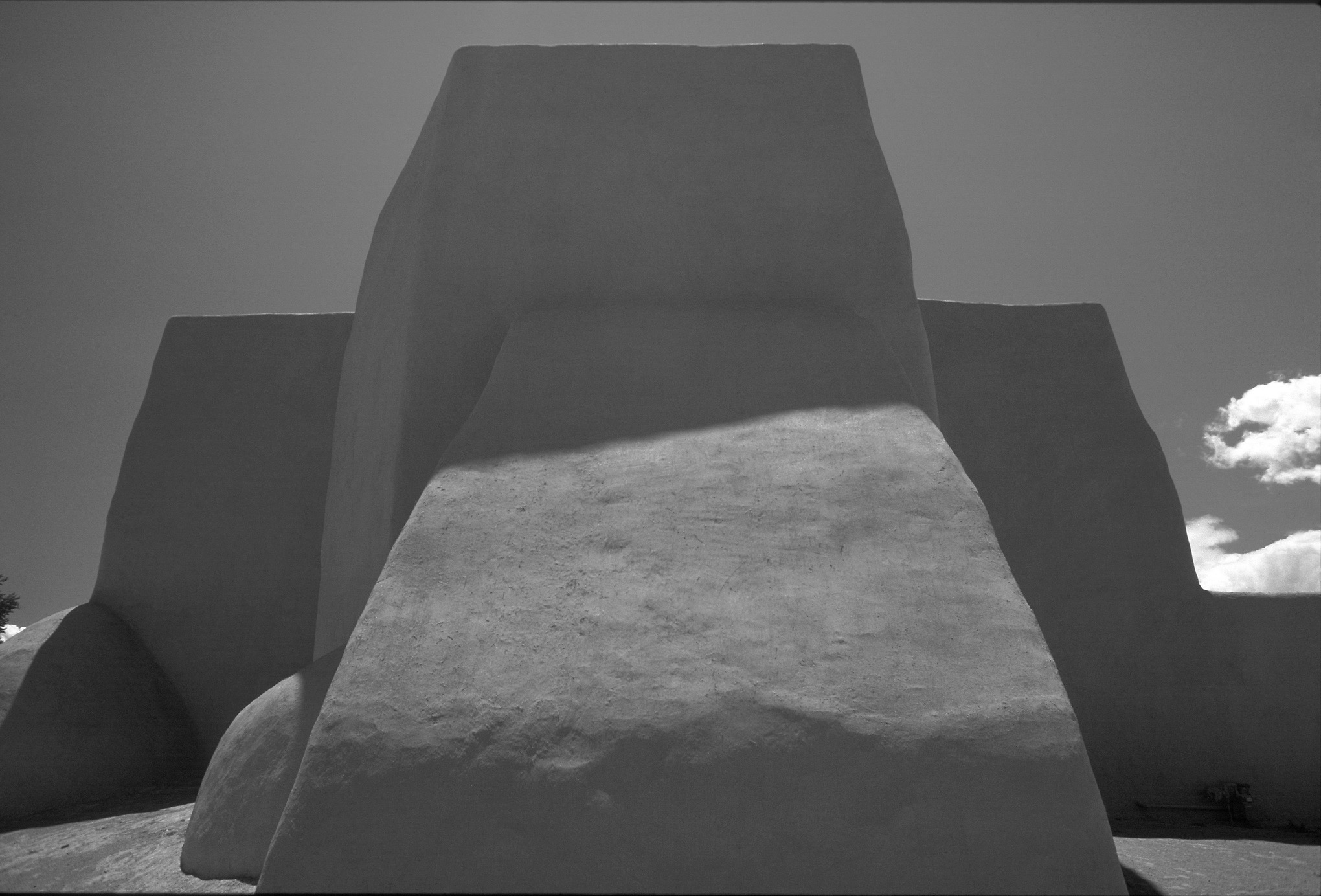
This mission church is one of the oldest churches in America dedicated to San Francisco de Asis. It is an outstanding example of adobe mission architecture. Constructed between 1813 & 1815. Ranchos de Taos, New Mexico.
The clean lines and earthen materials make it a kindered spirit to modern architecture from the Sarasota School of Architecture. They both integrate the outdoor environment with the architecture using simple materials and clean lines in the design.

Order a print through my online store: EastepStore@WayneEastep.com
Visit my Image Archive at: WayneEastep.com
Adobe mission church San Francisco de Assis, Ranchos de Taos, New Mexico.

Spiral cherry wood staircase, one of a twin. Designed by Michajah Burnett for the Trustee’s house at the Shaker Village, Pleasant Hill, Kentucky.
I was commissioned by Nikon to use all their lenses to show each to it’s full creative and technical performance. The 8mm fisheye lens proved to be a challenge because it drew so much attention to the technical characteristic of the circular format. I felt it easily took away from the engaging aesthetics of the subject. That all changed when I came upon this magnificent spiral cherry wood staircase. There was a match between the way the concept of the spiral was formed within the staircase and the format of the fisheye lens. This image is the result.
The image is part of a collection of images I’ve curated illustrating my signature style.
To order a print go to my online store: EastepStore.WayneEastep.com
Visit my image archive to see a full selection of images: WayneEastep.com


