Yellow is the color of caution

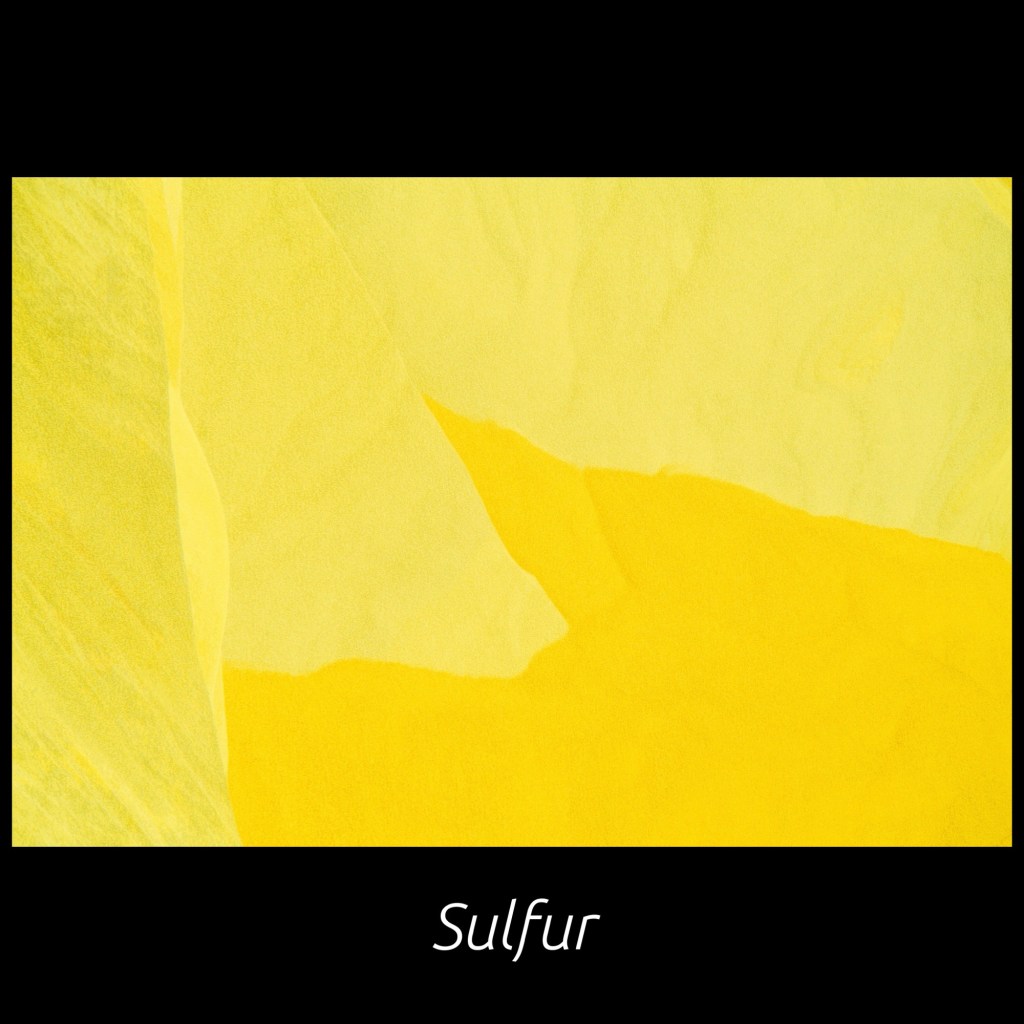
Yellow traffic lights function as a caution.  Yellow in the energy industry is associated with sulfur.

As a result of the war with Iran a yellow flashing light is alerting us to challenges coming in the agricultural sector.
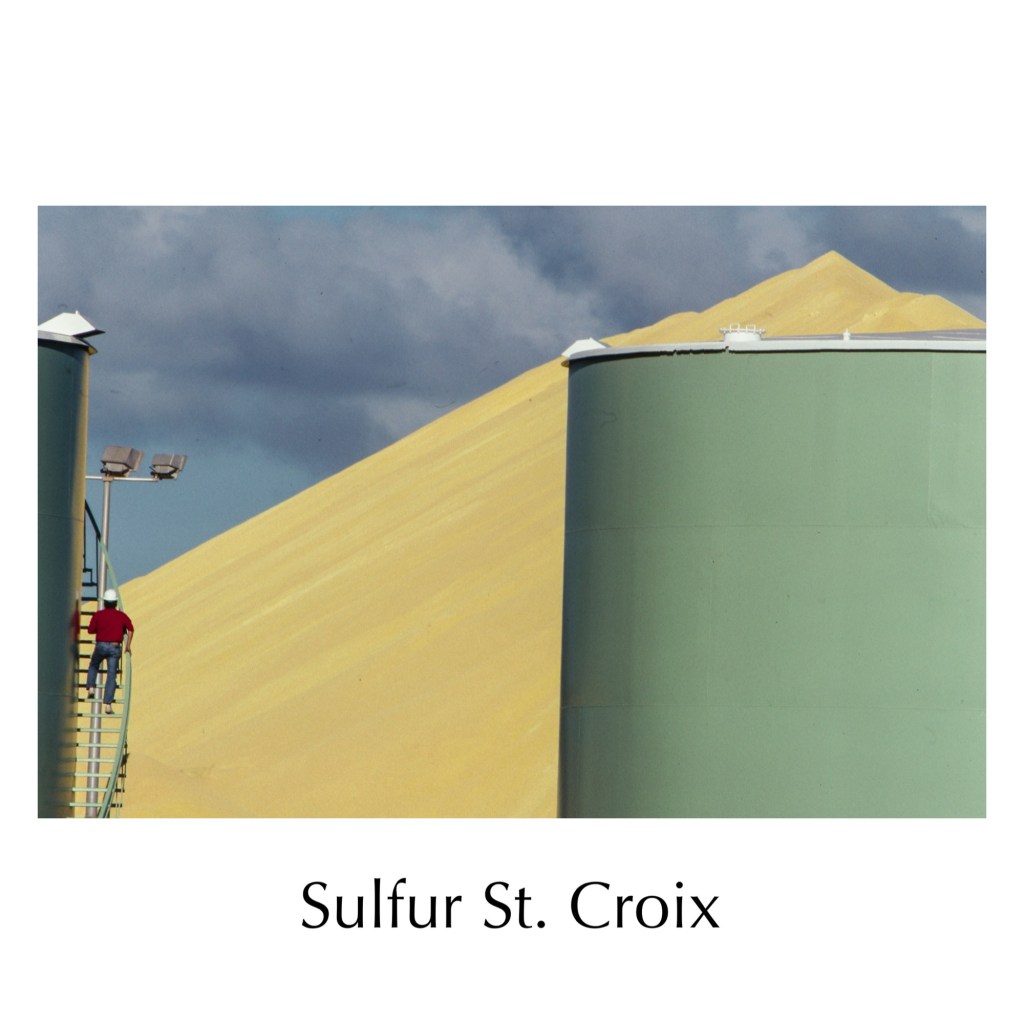
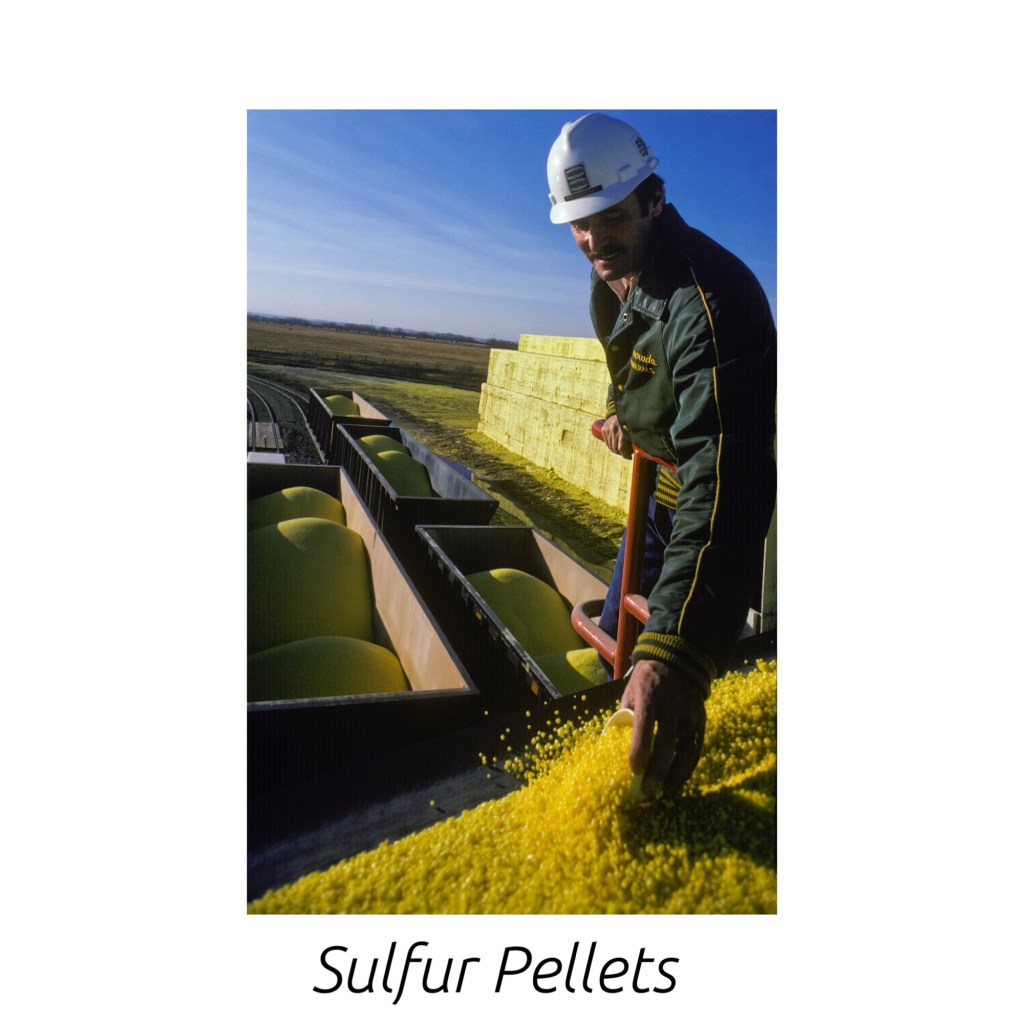
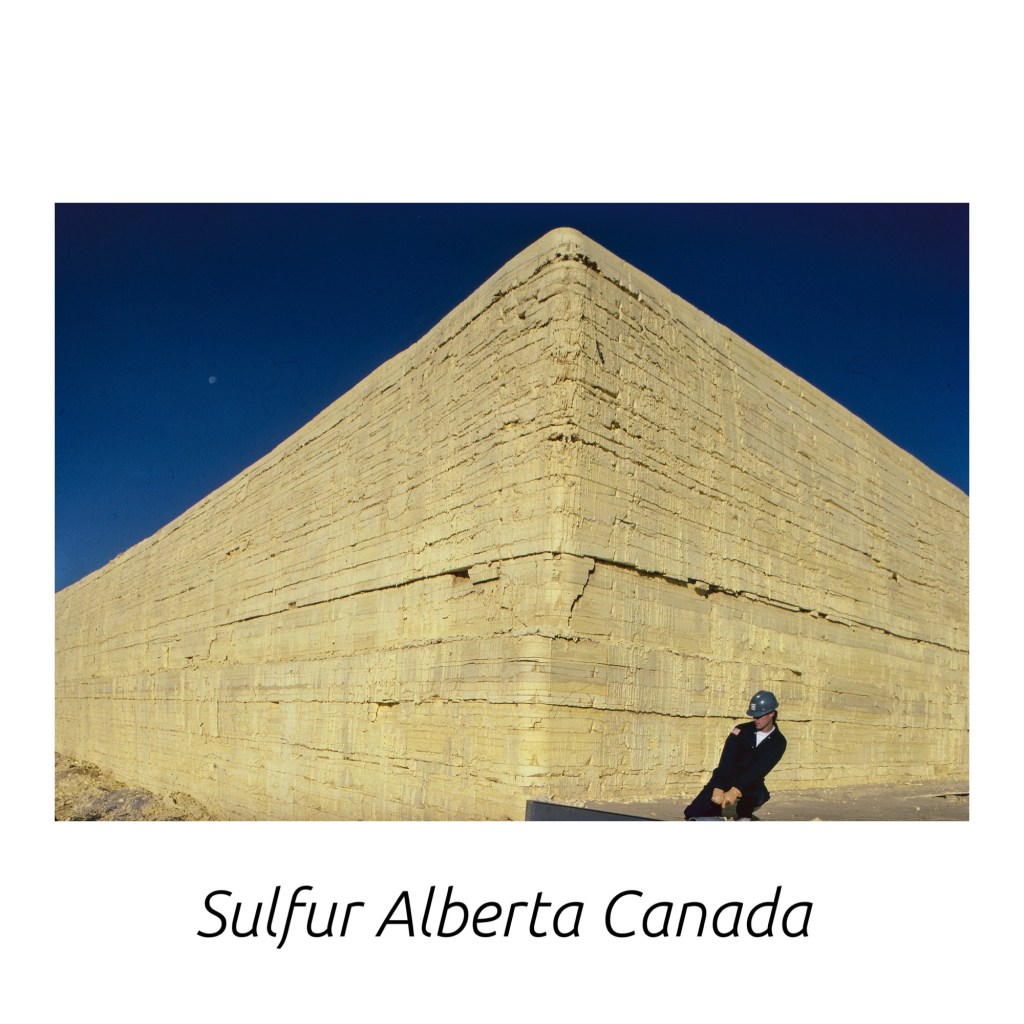
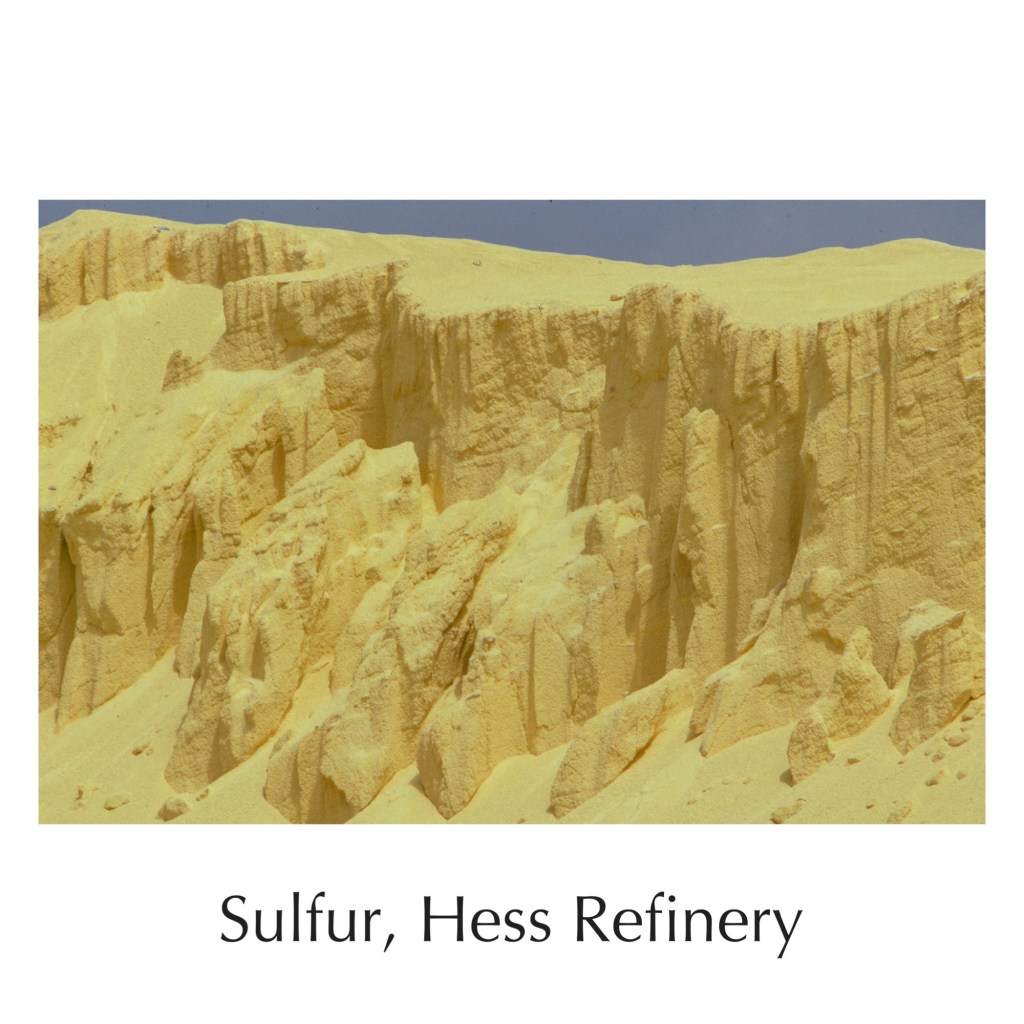
Bright yellow is the color of elemental sulfur, a bi-product of oil and natural gas and a key ingredient for making fertilizer. 

The blockade of The Strait of Hormuz is disrupting the energy supply chain.

Less oil and natural gas, less sulfur, less fertilizer. Less fertilizer results in higher prices to farmers for fertilizer.  Higher costs to grow crops will result in higher prices for food.  
Rest assured the energy companies, refiners, shippers, chemical corporations agribusiness and grocers will be fine. They will pass the cost along. This increased cost will be paid for by ordinary people and families buying food at the grocery store.

You think the cost of gas is a problem and for most people it is.

But wait for it…higher cost of food in the grocery store is on the horizon. 
It’s time to respond to the flashing yellow light and demand a stop to this war. 
Sources:

Noria-Research

Very Well Mind / psychology of color yellow

Carnegie Endowment

Keg River Premium Sulfur Fertilizerers

All photos copyrighted: 

Wayne Eastep

Energy, Middle East, Petroleum Industry, Recent Personal Images, Straits of Hormuz, Sulfur

Yellow Signals Caution

The increased cost of gas is not the only consequences of the war with Iran. Incres in the cost of sulfur is coming and with it increased costs of food

Image

“Super” Tankers

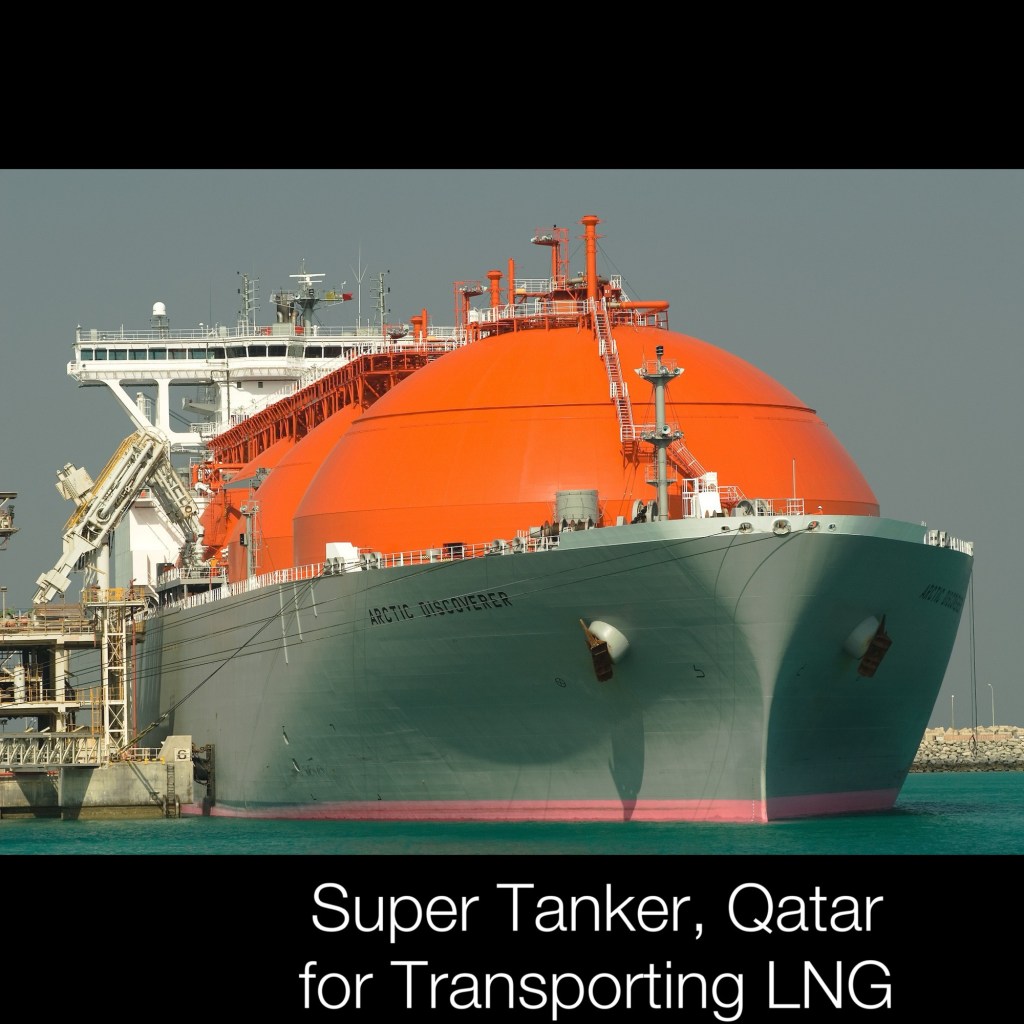
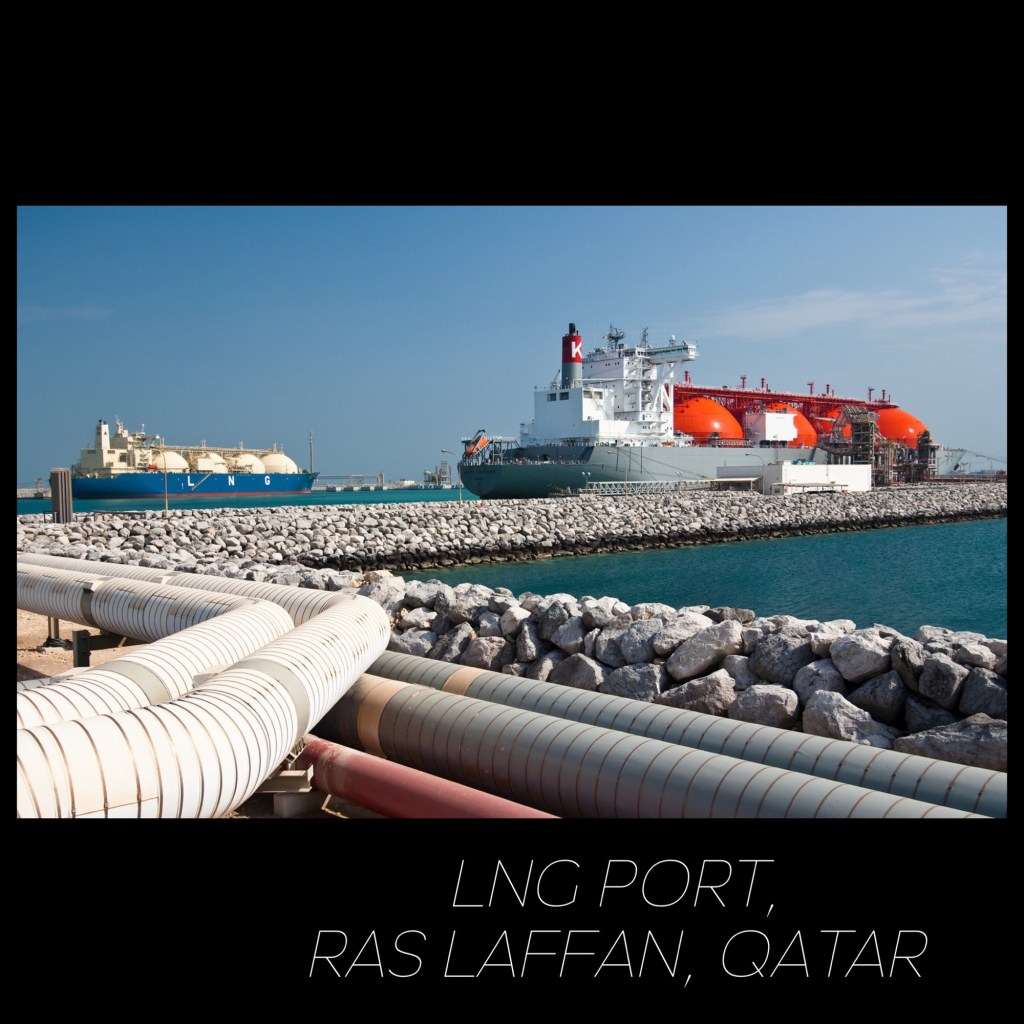
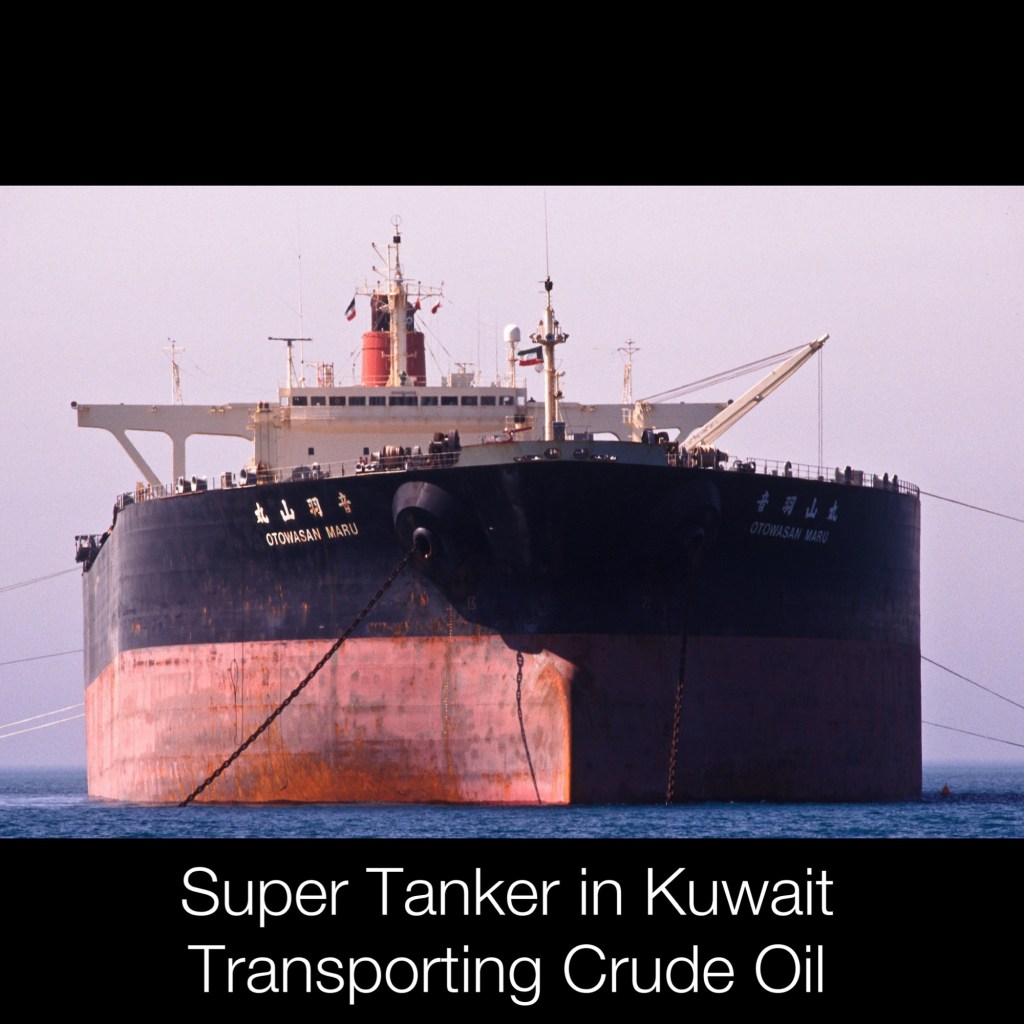
These images will give you a sense of the enormous size of the Super Tankers moving through the Straits of Hormuz. 

The first image shows a super tanker at Ras Laffan in Qatar being filled with LNG.

There are two types of LNG tankers used in Qatar: Q-Max with a capacity of 5.6 billion cubic feet of LNG and the Q-Flex with a capacity of 4.6 billion cubic feet of LNG.

A single Q-Max tanker can transport enough LNG to power approximately 70,000 homes for a whole year. 

This image shows a tanker ready to be filled with crude oil in Kuwait.  These tankers can carry between 2 and 3 million barrels of crude oil per voyage.

“Under normal conditions over 100 ships, including roughly 60-70% tankers and gas carriers, traverse the Strait of Hormuz daily.  This represents approximately 20 million barrels of oil (20% of global consumption) and 20% of LNG trade”

Source:  U.S. energy Information Administration

Sources for this post: American Petroleum Institute, Strauss Center, Mitsui O. S.K. Lines, Reuters, Industrial Info Resources, Nakilat, Qatar Energy LNG, Brand Finance, Wikipedia.

Website: Wayne Eastep

Images copyrighted by Wayne Eastep

Energy, Kuwait, Petroleum Industry, Qatar, Ras Laffan LNG Refinery, Recent Personal Images, Saudi Arabia, Straits of Hormuz, Super Tankers

“SUPER” Tankers

Why Super Takers are called “Super”

Image