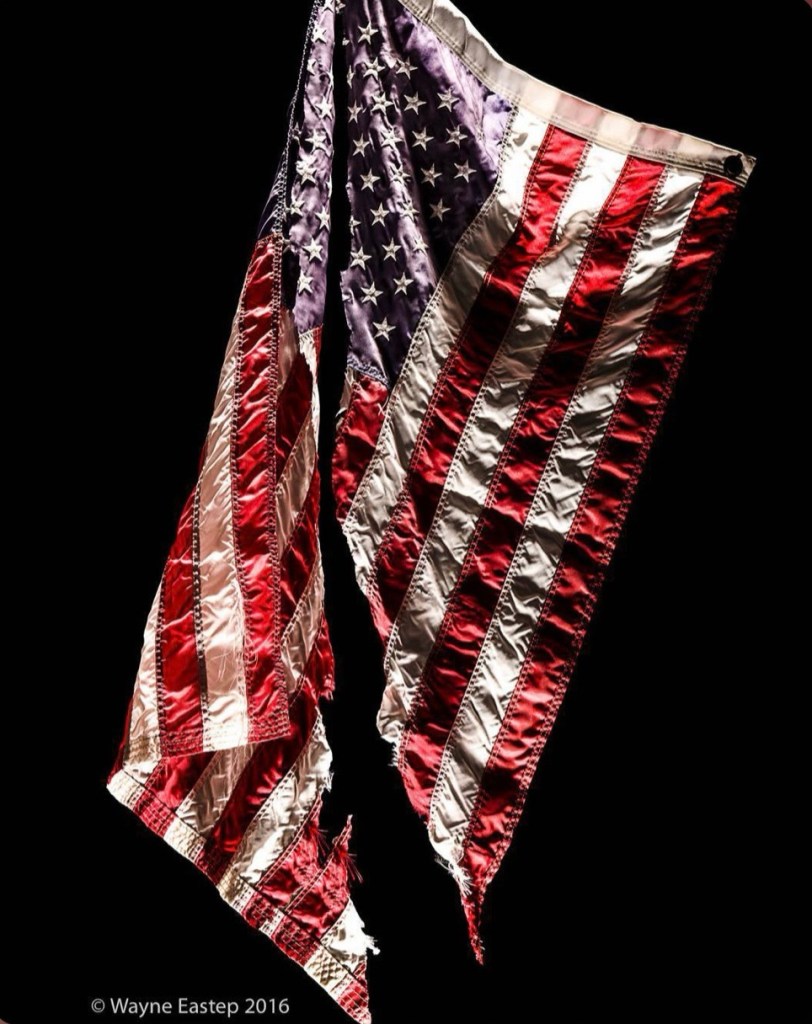
“A republic if you can keep it”
–Benjamin Franklin’s response to Elizabeth Willing Powel’s question: “Well, Doctor, what have we got, a republic or a monarchy?”
September 17, 1787
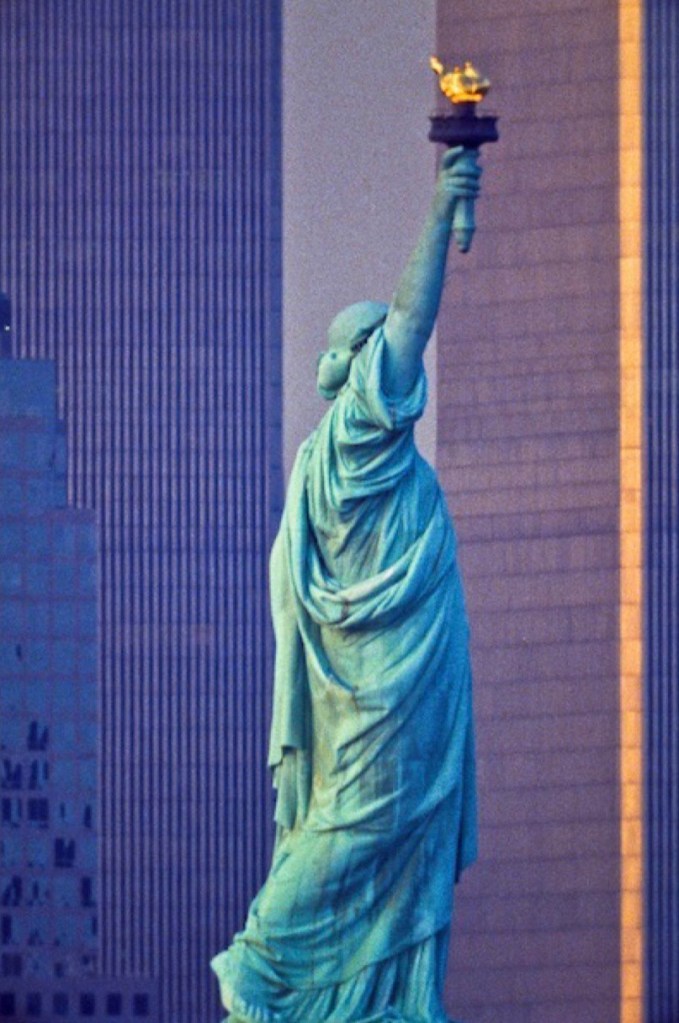
“A republic if you can keep it”
–Benjamin Franklin’s response to Elizabeth Willing Powel’s question: “Well, Doctor, what have we got, a republic or a monarchy?”
September 17, 1787
State of American democracy July 5, 2026
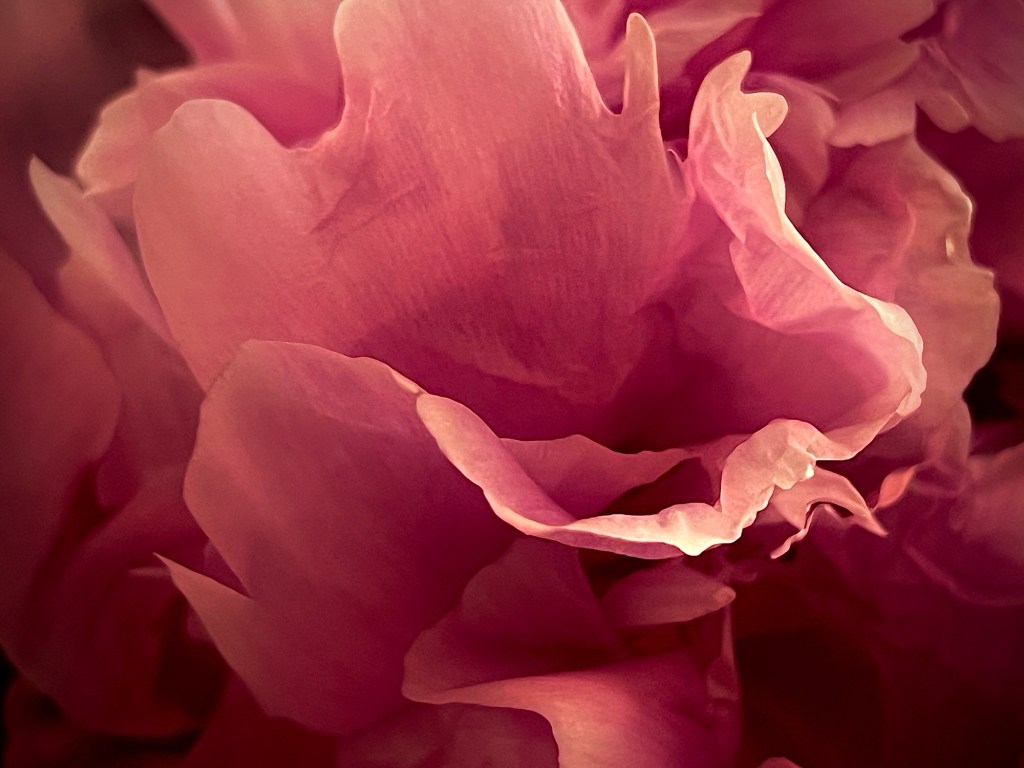
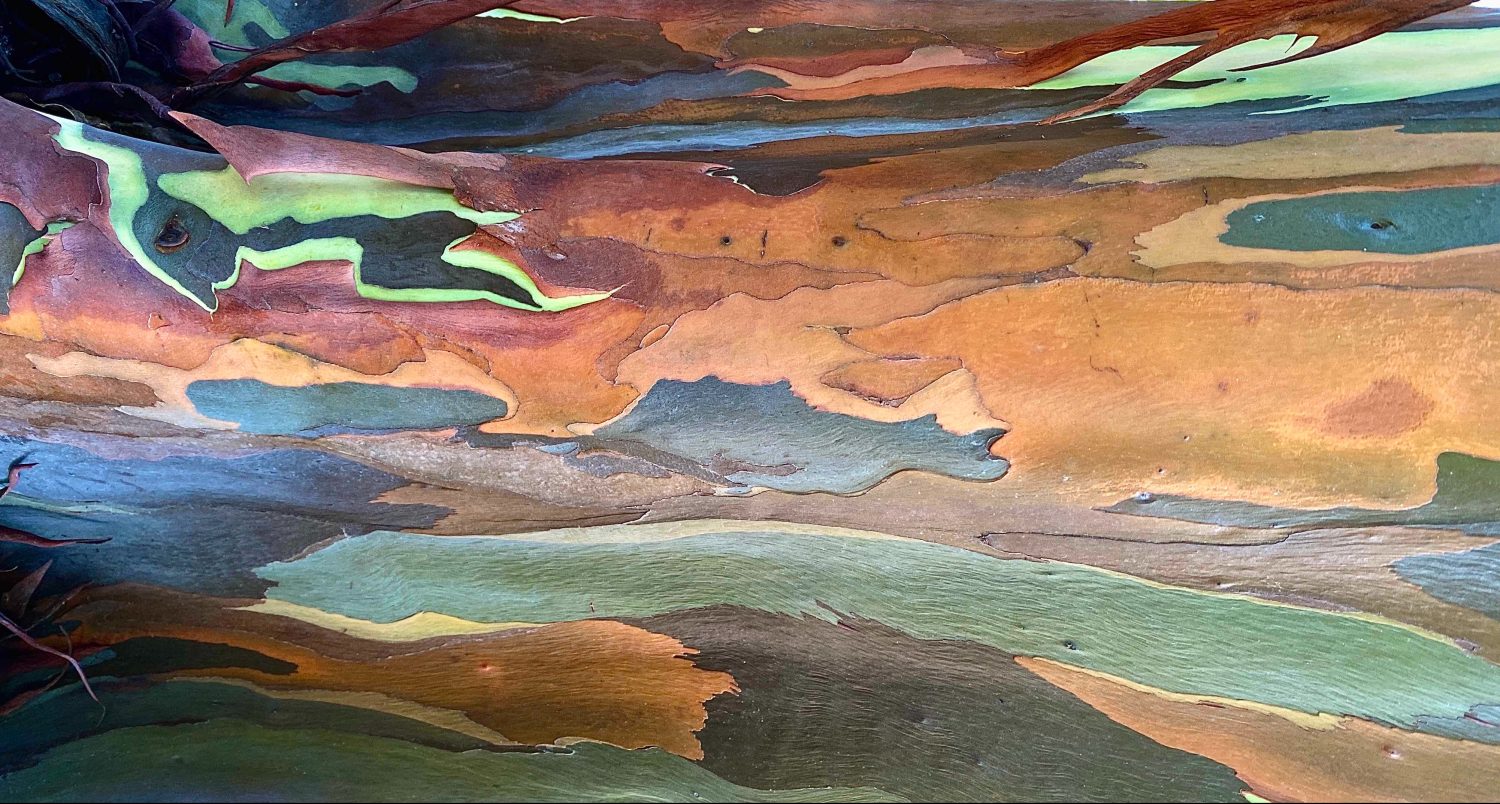
I’ve been wondering, why we describe something as beautiful?
I’d like to read your thoughts about what you think accounts for beauty?
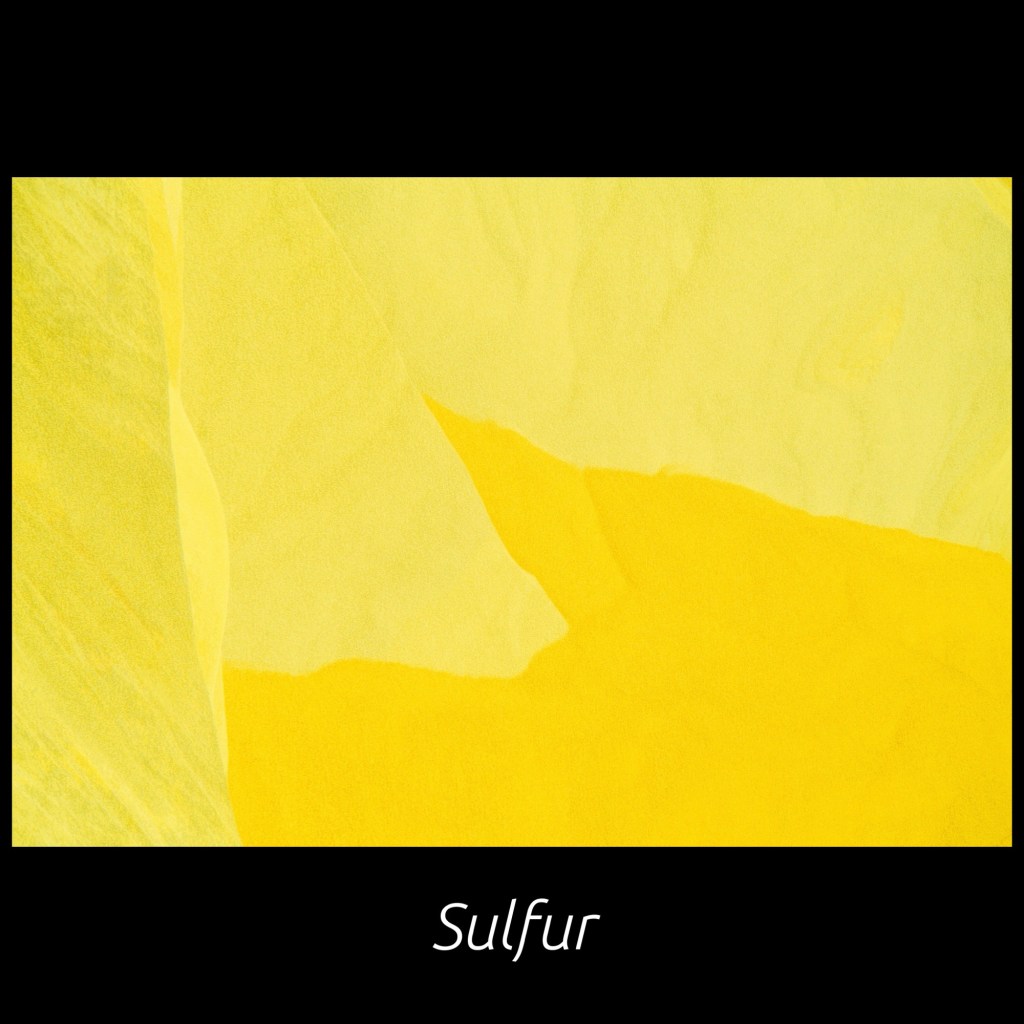
Yellow is the color of caution
Yellow traffic lights function as a caution. Yellow in the energy industry is associated with sulfur.
As a result of the war with Iran a yellow flashing light is alerting us to challenges coming in the agricultural sector.
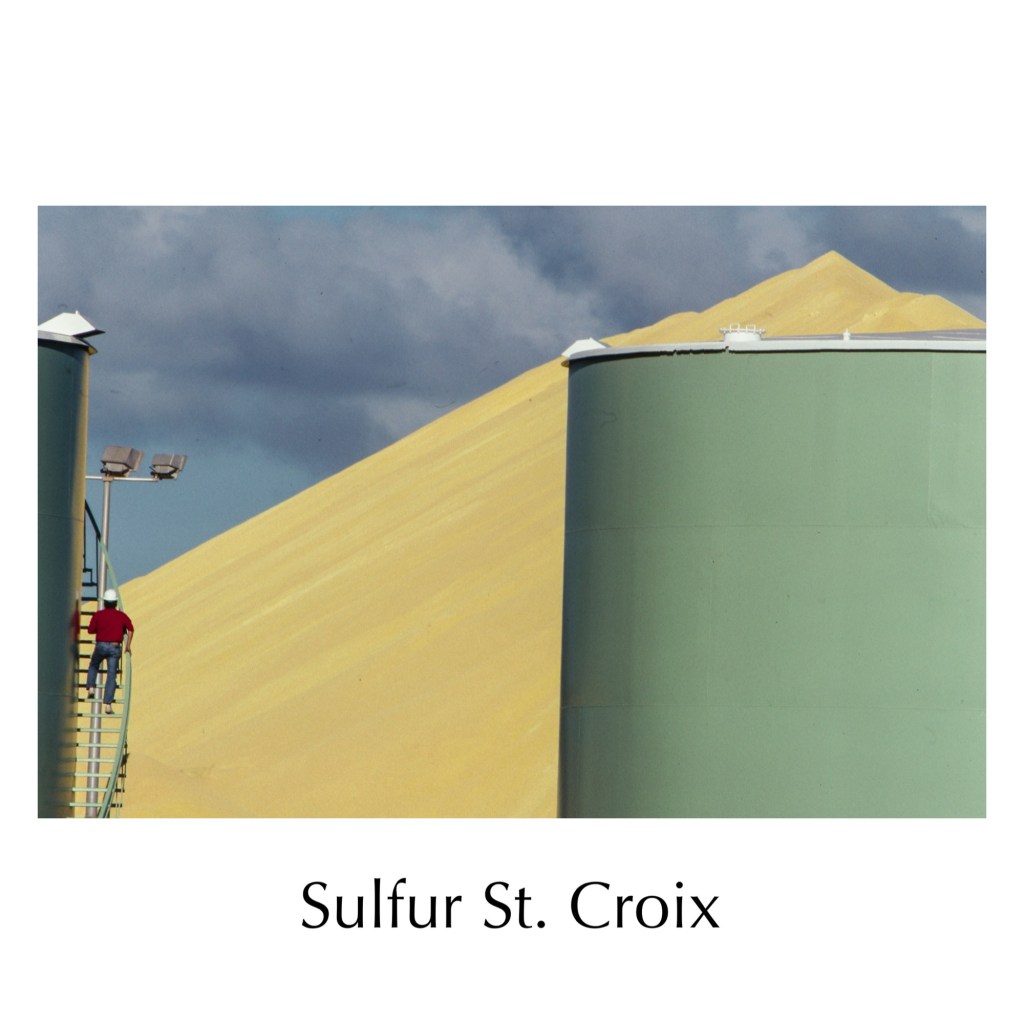
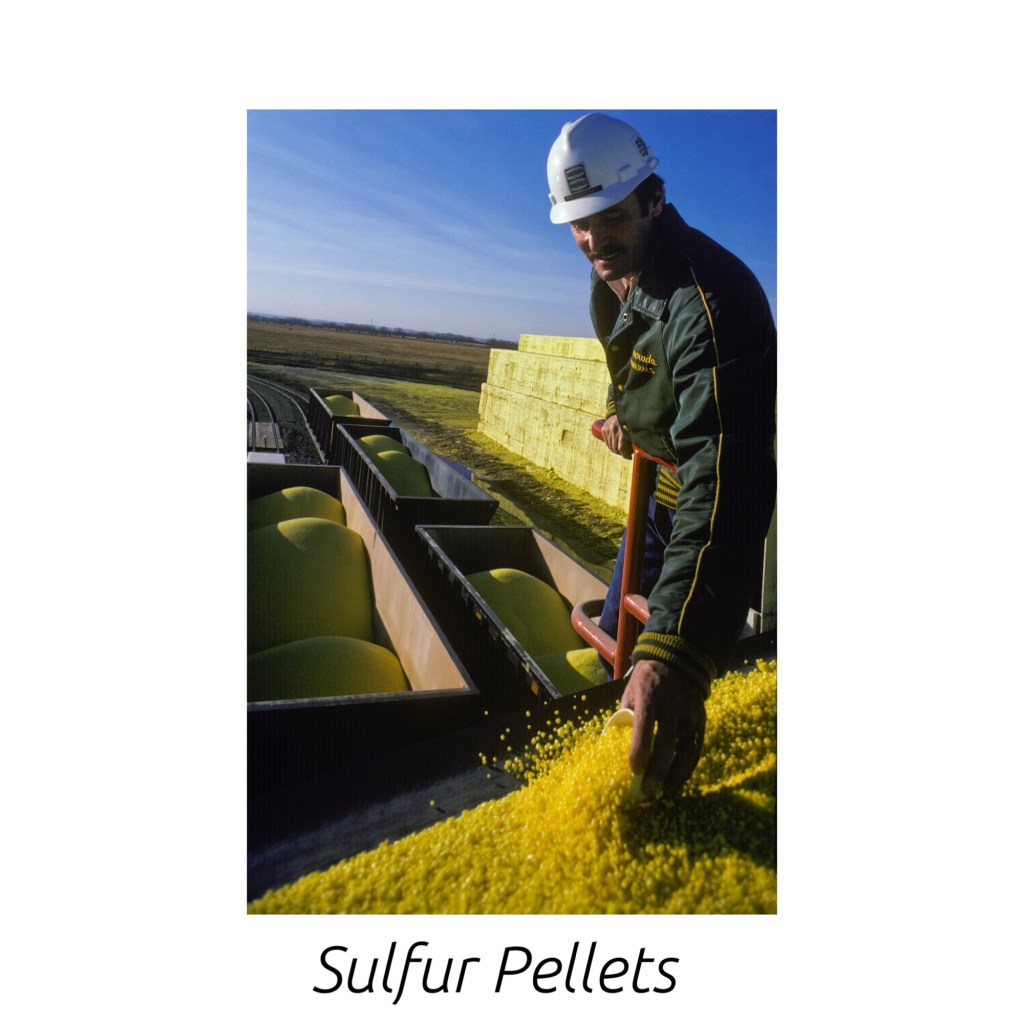
Bright yellow is the color of elemental sulfur, a bi-product of oil and natural gas and a key ingredient for making fertilizer.
The blockade of The Strait of Hormuz is disrupting the energy supply chain.
Less oil and natural gas, less sulfur, less fertilizer. Less fertilizer results in higher prices to farmers for fertilizer. Higher costs to grow crops will result in higher prices for food.
Rest assured the energy companies, refiners, shippers, chemical corporations agribusiness and grocers will be fine. They will pass the cost along. This increased cost will be paid for by ordinary people and families buying food at the grocery store.
You think the cost of gas is a problem and for most people it is.
But wait for it…higher cost of food in the grocery store is on the horizon.
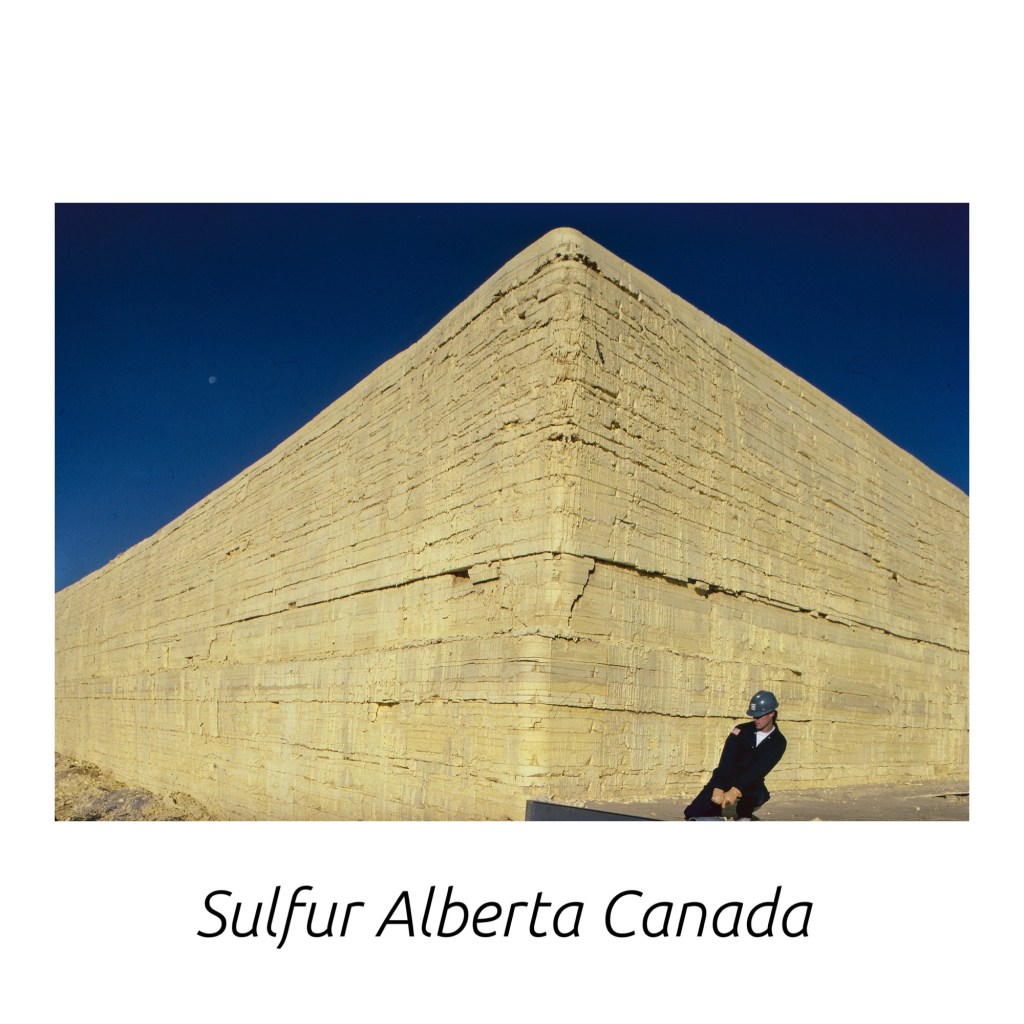
It’s time to respond to the flashing yellow light and demand a stop to this war.
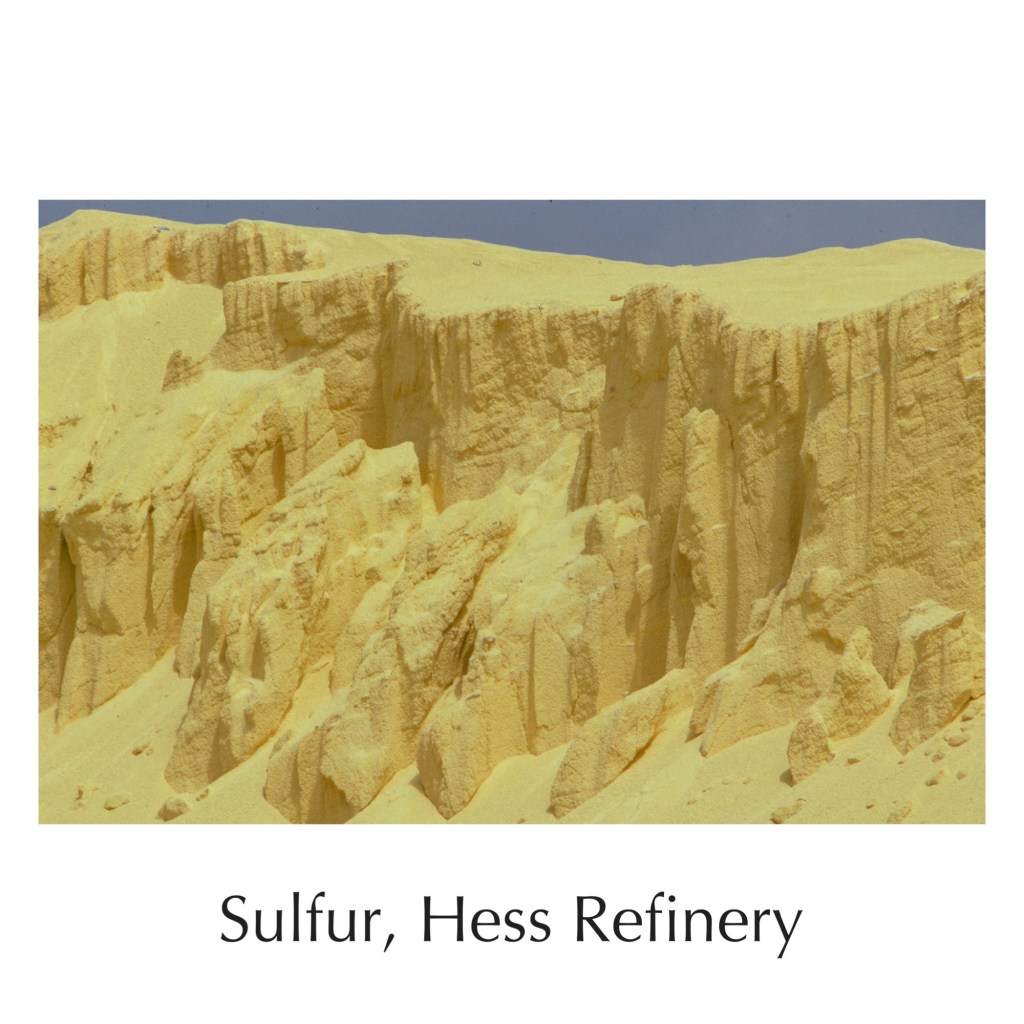
Sources:
Very Well Mind / psychology of color yellow
Keg River Premium Sulfur Fertilizerers
All photos copyrighted:
The increased cost of gas is not the only consequences of the war with Iran. Incres in the cost of sulfur is coming and with it increased costs of food
Here’s a Thought: Let’s Share the Wealth
Money has the power to enrich relationships or to destroy them. More often than not, the pursuit of wealth has pulled families, friends, and entire nations apart. Yet when shared intentionally, wealth can become a bridge that strengthens bonds rather than breaks them.
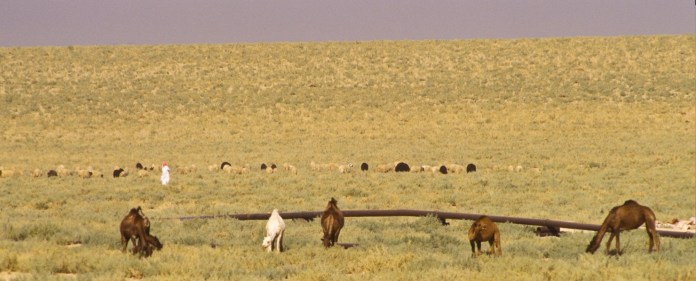
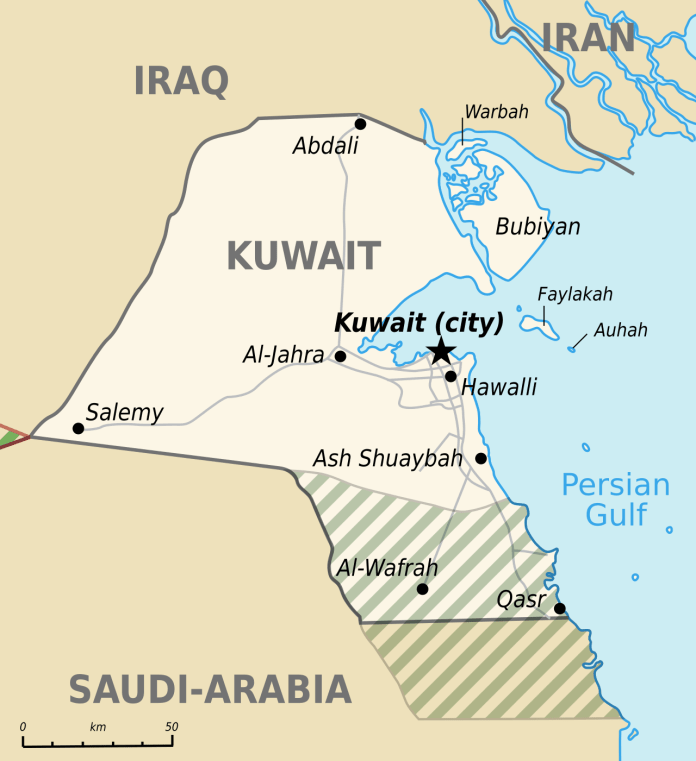
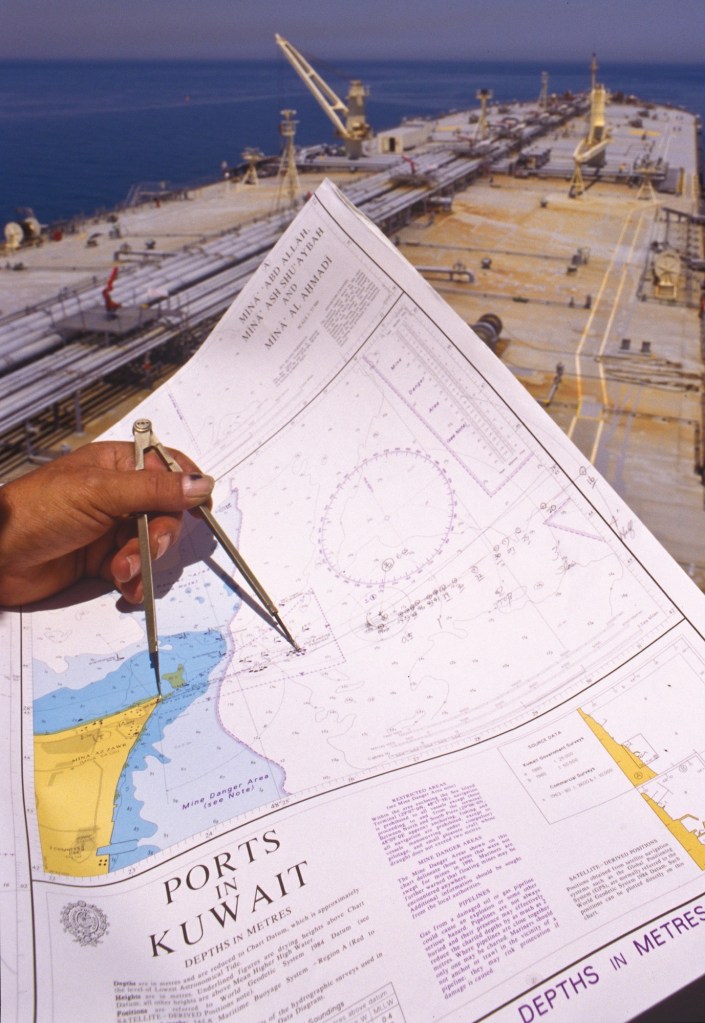
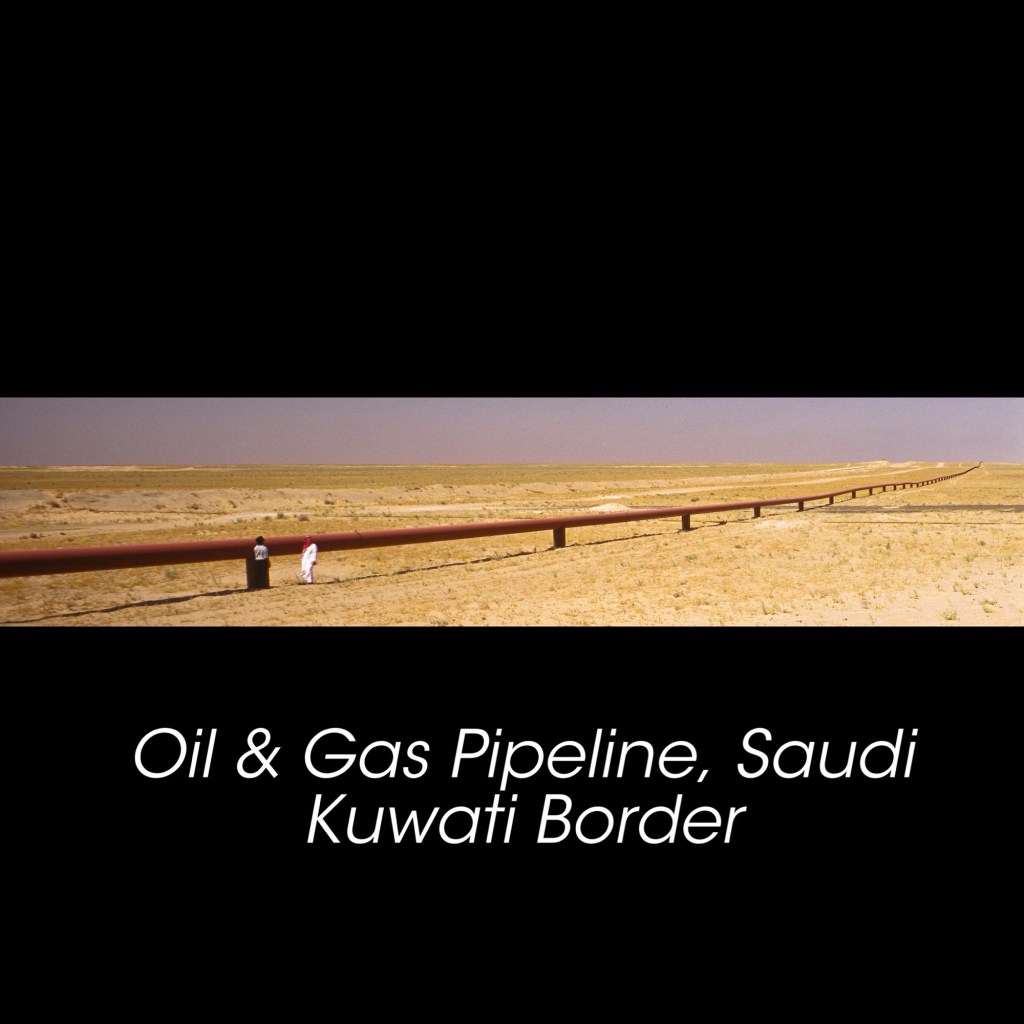
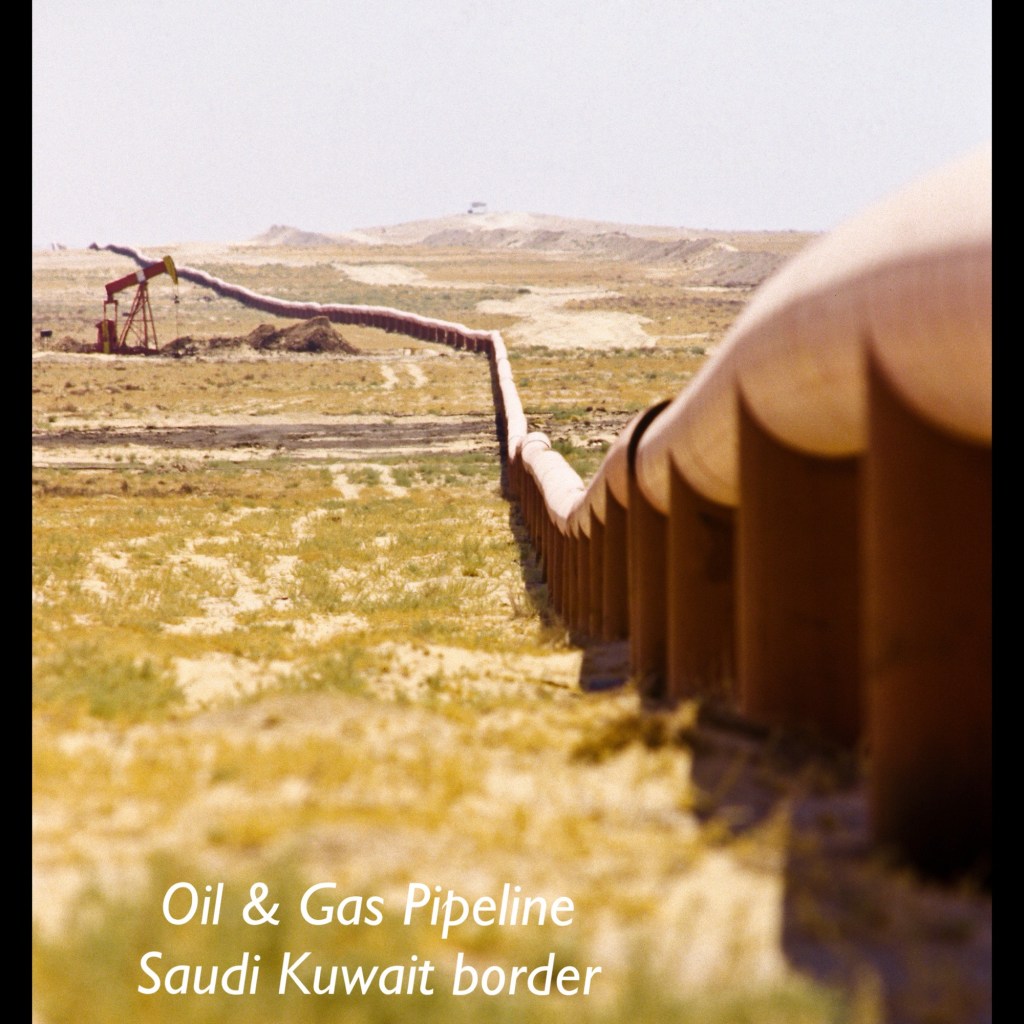
Here’s a story that began long ago, on December 2, 1922. That was when the British designated 2,000 square miles of desert as a new border between Saudi Arabia and Kuwait under the Uqair Convention. The goal was to accommodate the Bedouin tribes who roamed freely across the area. The agreement declared that the rights to this region would be shared equally between the governments of Kuwait and Najd (modern-day Saudi Arabia).
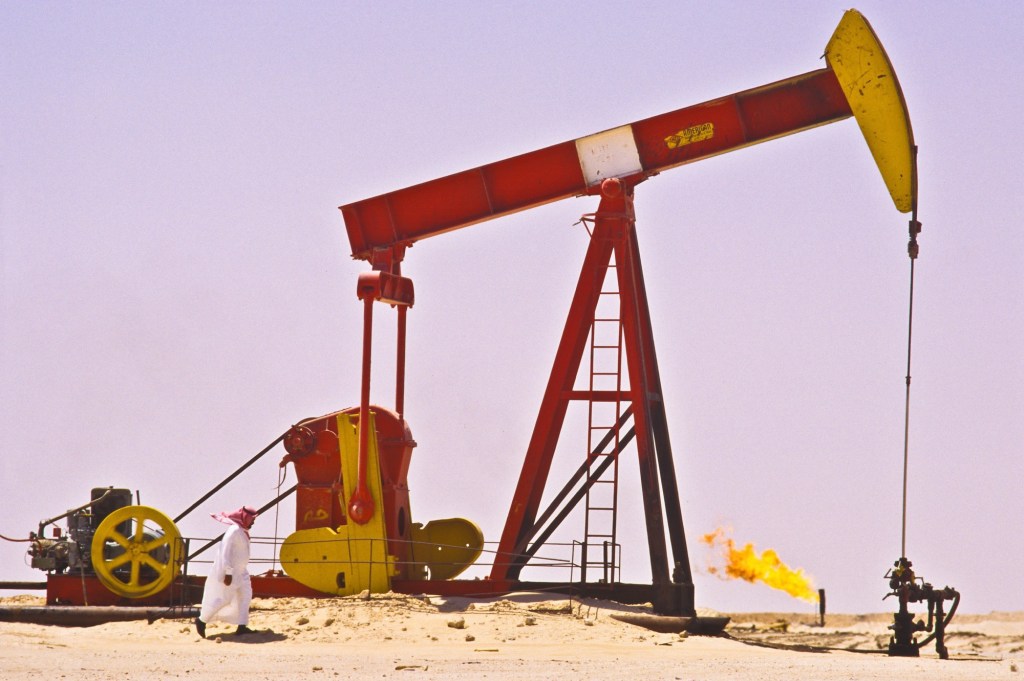
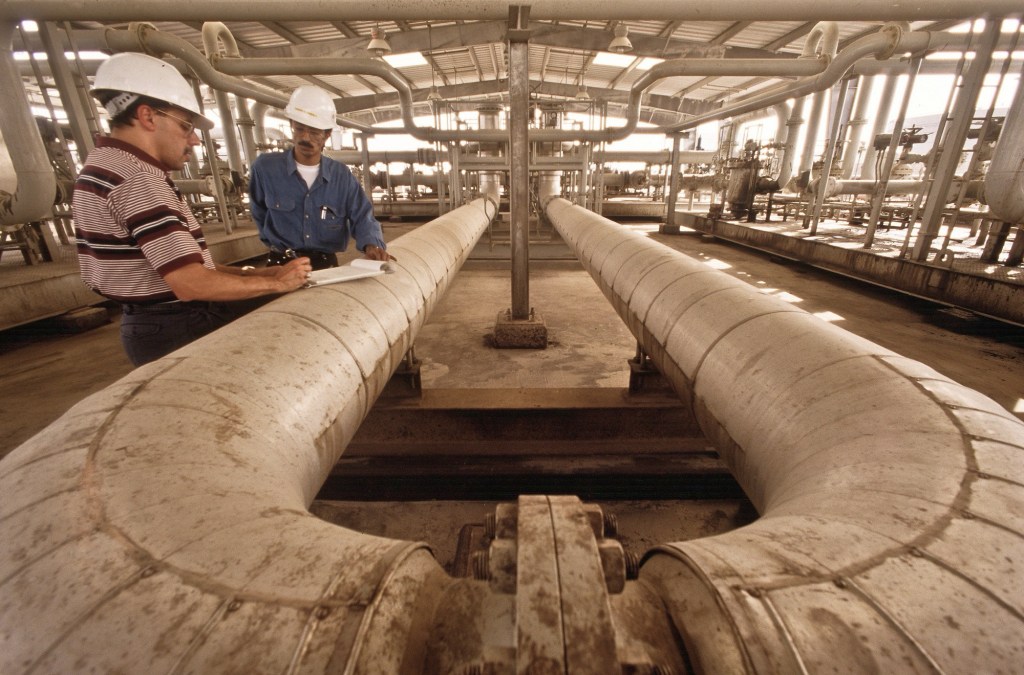
Then came 1938, when oil was discovered in the Burgan field of Kuwait, near the Neutral Zone. It was a moment that could have sown division, because potential riches often spark rivalry. Over the next decades, more oil was found, but rather than dispute, both nations decided to cooperate. As oil development expanded through the 1960s and 70s, they continued to share the profits and manage the resource together. On January 18, 1970, they ratified an agreement to formally partition the Neutral Zone while continuing to jointly extract its oil.
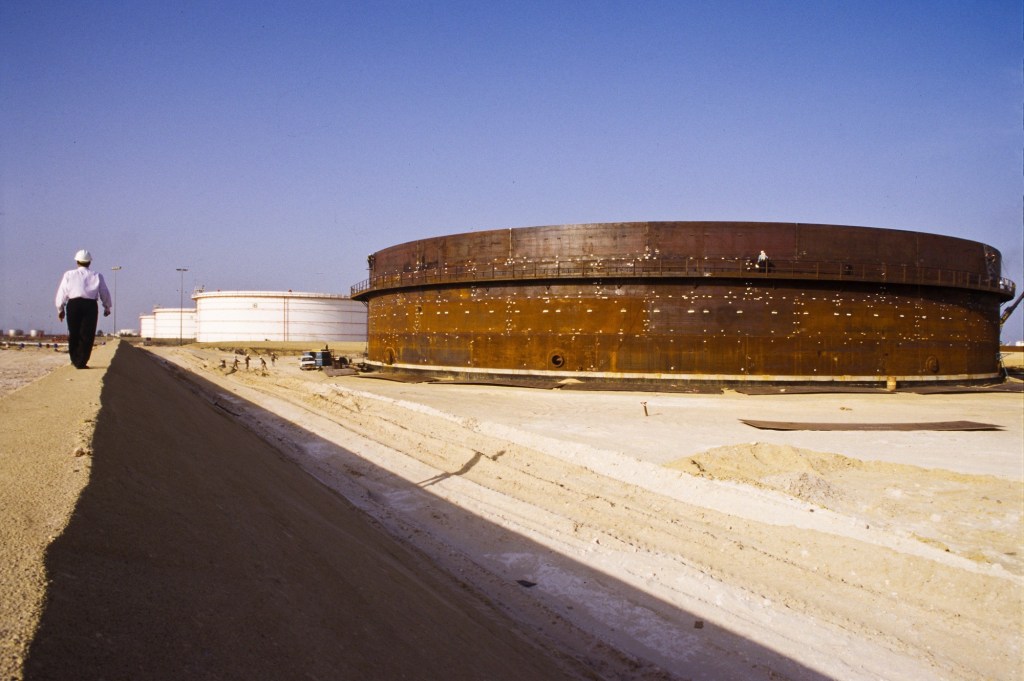
Years later, in 1991, Iraq invaded Kuwait, threatening both its sovereignty and its oil reserves. A coalition led by Saudi Arabia and the United States said “no,” pushed back the invaders, and restored Kuwait’s independence—securing not just territory but the spirit of partnership that had endured for decades.
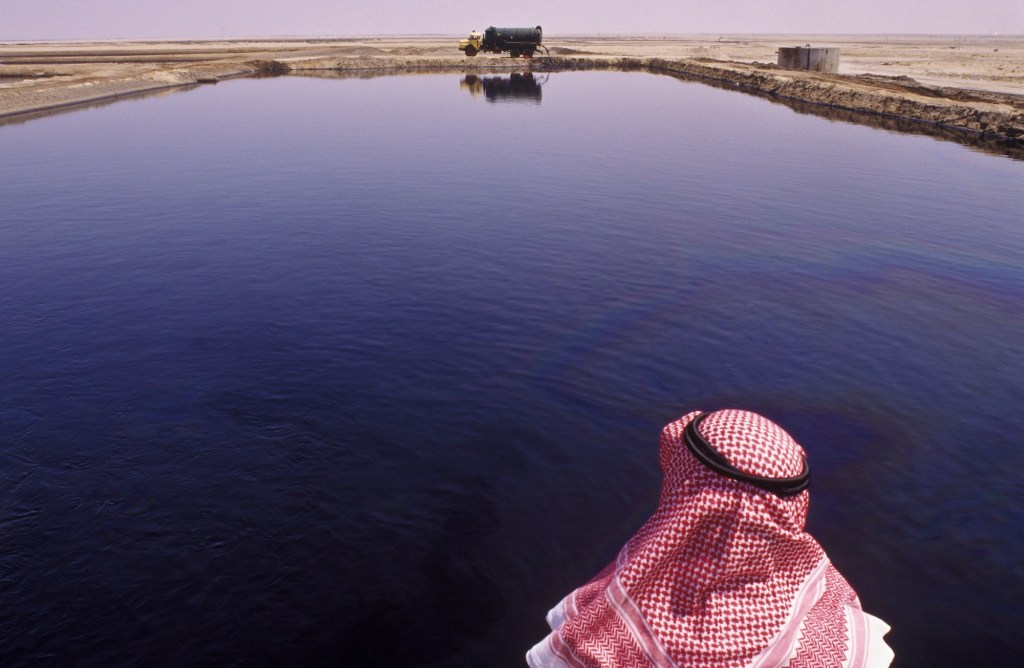
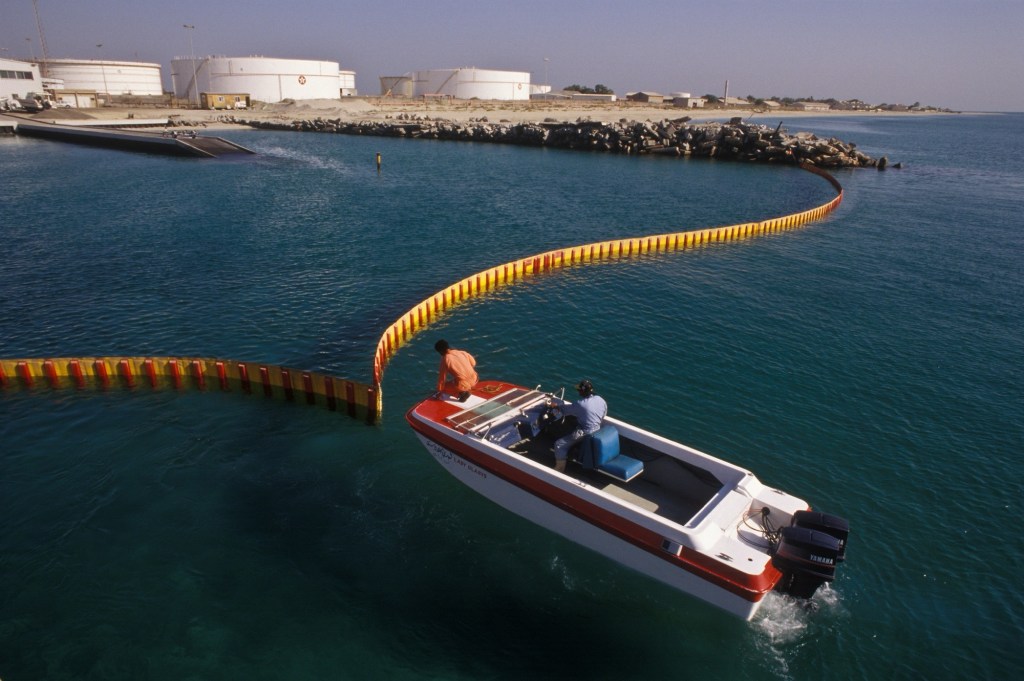
More than half a century later, Saudi Arabia and Kuwait continue to peacefully share and benefit from the oil resources of the Neutral Zone. Their story stands as a living example that cooperation can yield prosperity, and that a shared resource can unite rather than divide.
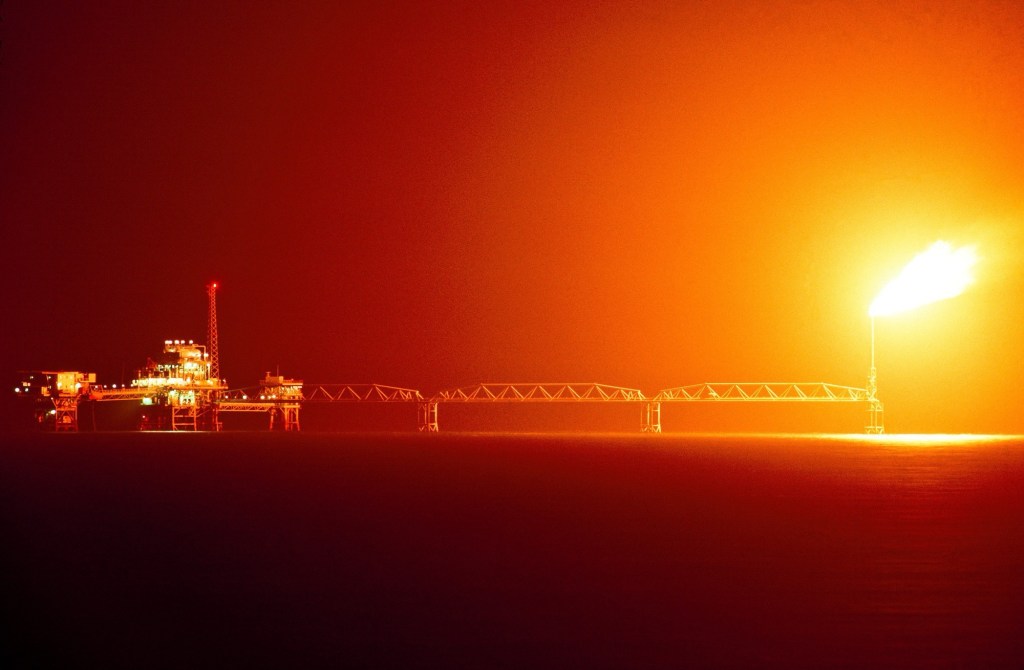
Perhaps real wealth lies not only in what we possess, but in how we choose to share it.
Sources: Wikipedia, Daniel Yergin, Uqair Protocol
Photos by Wayne Eastep
Partitioned Neutral Zone between Kuwait and Saudi Arabia
“Super” Tankers
These images will give you a sense of the enormous size of the Super Tankers moving through the Straits of Hormuz.
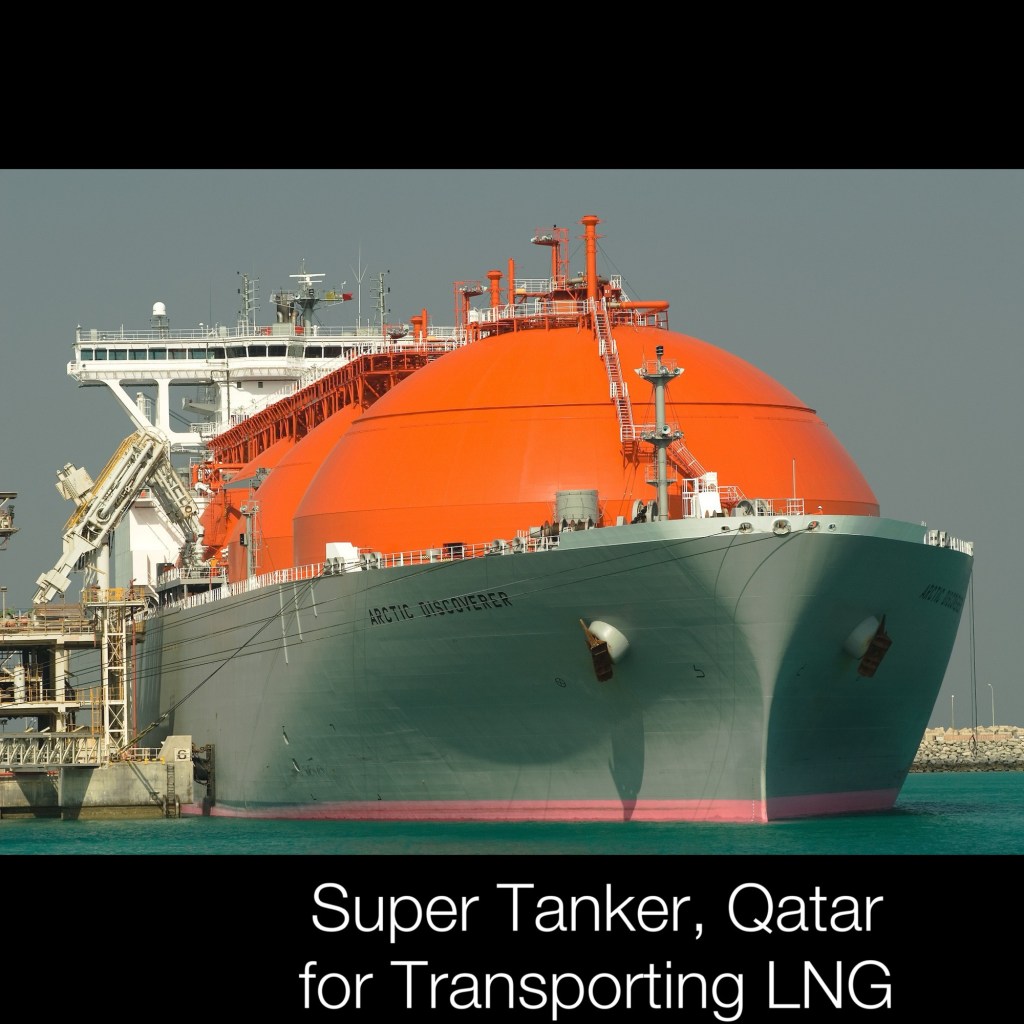
The first image shows a super tanker at Ras Laffan in Qatar being filled with LNG.
There are two types of LNG tankers used in Qatar: Q-Max with a capacity of 5.6 billion cubic feet of LNG and the Q-Flex with a capacity of 4.6 billion cubic feet of LNG.
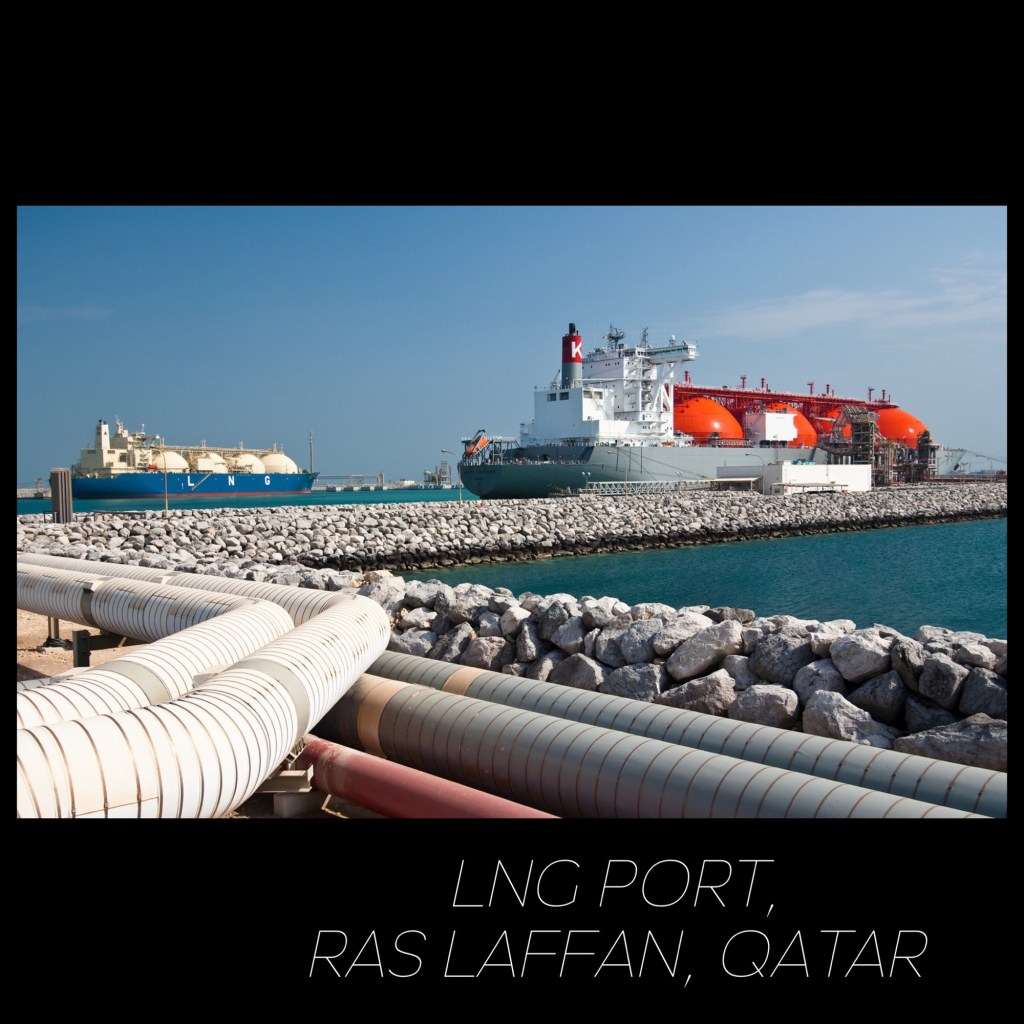
A single Q-Max tanker can transport enough LNG to power approximately 70,000 homes for a whole year.
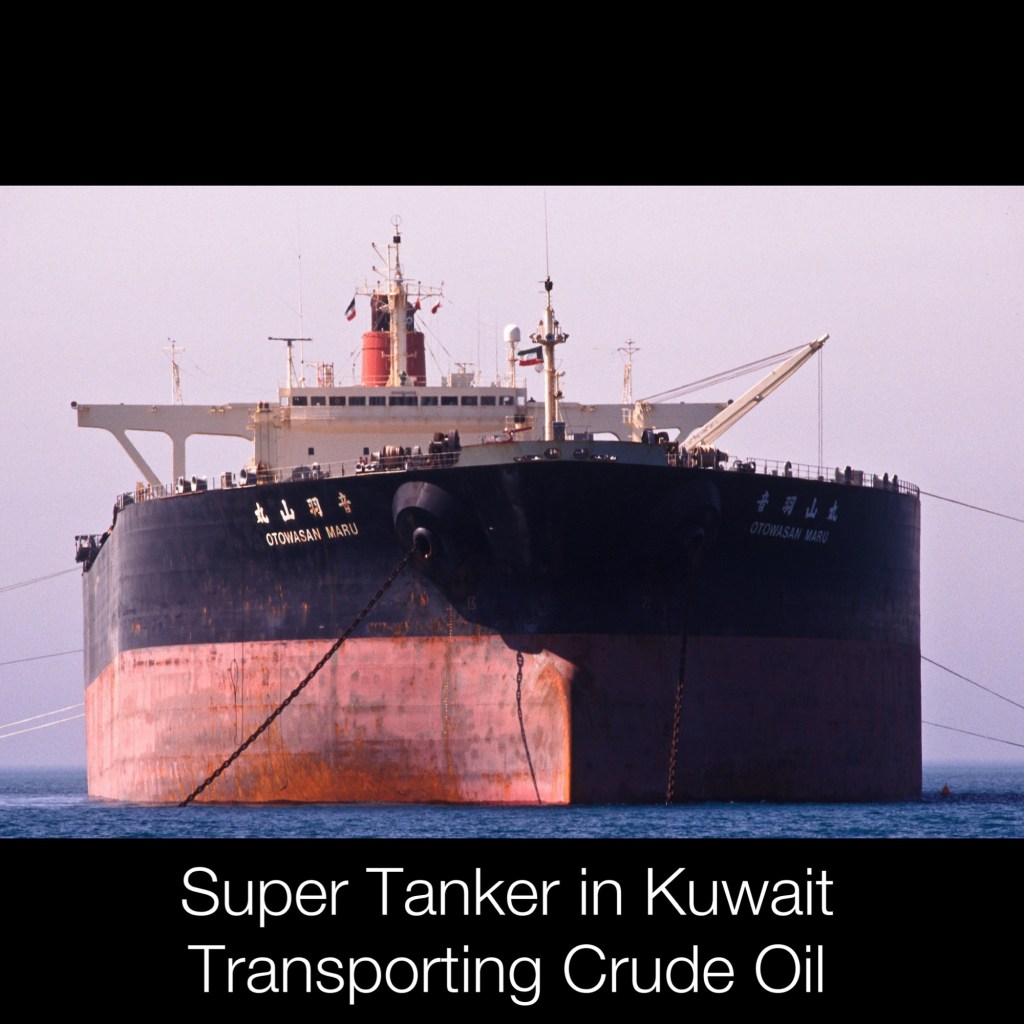
This image shows a tanker ready to be filled with crude oil in Kuwait. These tankers can carry between 2 and 3 million barrels of crude oil per voyage.
“Under normal conditions over 100 ships, including roughly 60-70% tankers and gas carriers, traverse the Strait of Hormuz daily. This represents approximately 20 million barrels of oil (20% of global consumption) and 20% of LNG trade”
Source: U.S. energy Information Administration
Sources for this post: American Petroleum Institute, Strauss Center, Mitsui O. S.K. Lines, Reuters, Industrial Info Resources, Nakilat, Qatar Energy LNG, Brand Finance, Wikipedia.
Website: Wayne Eastep
Images copyrighted by Wayne Eastep
Why Super Takers are called “Super”
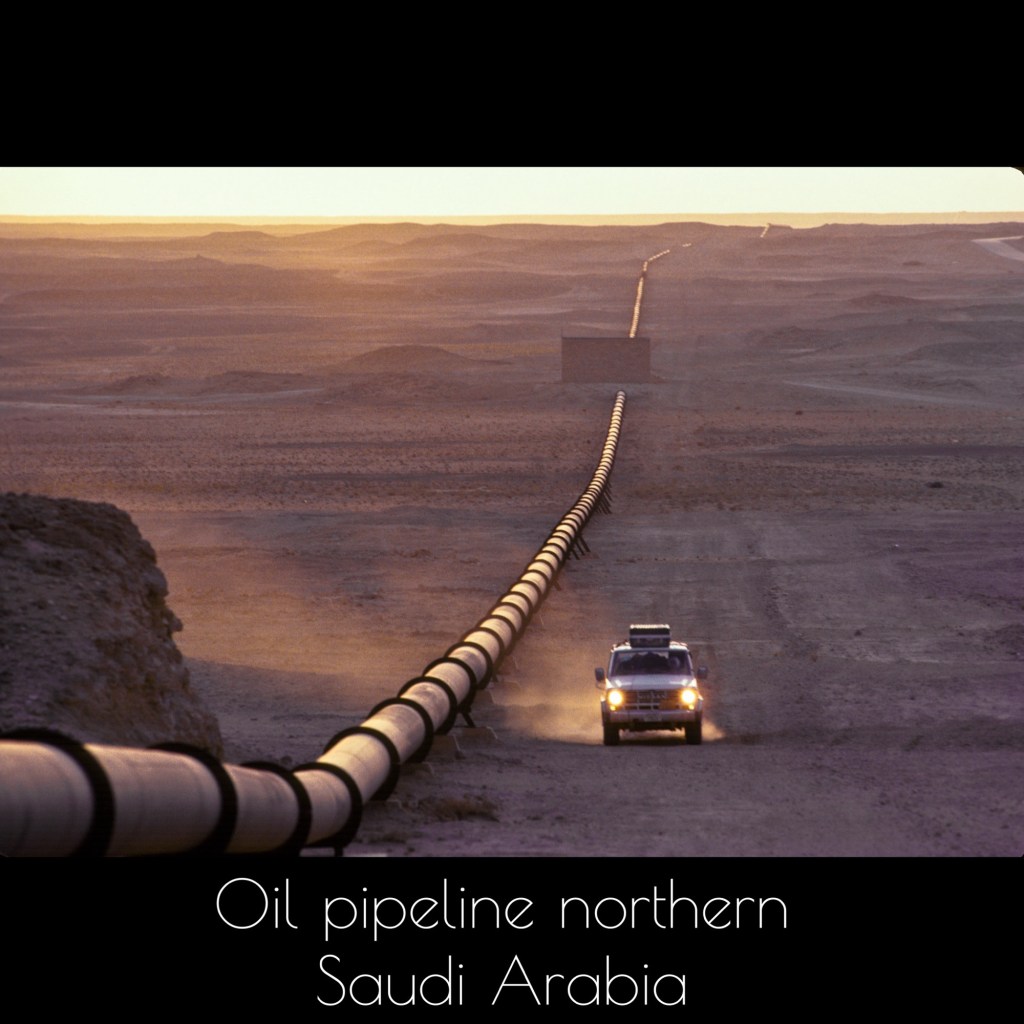
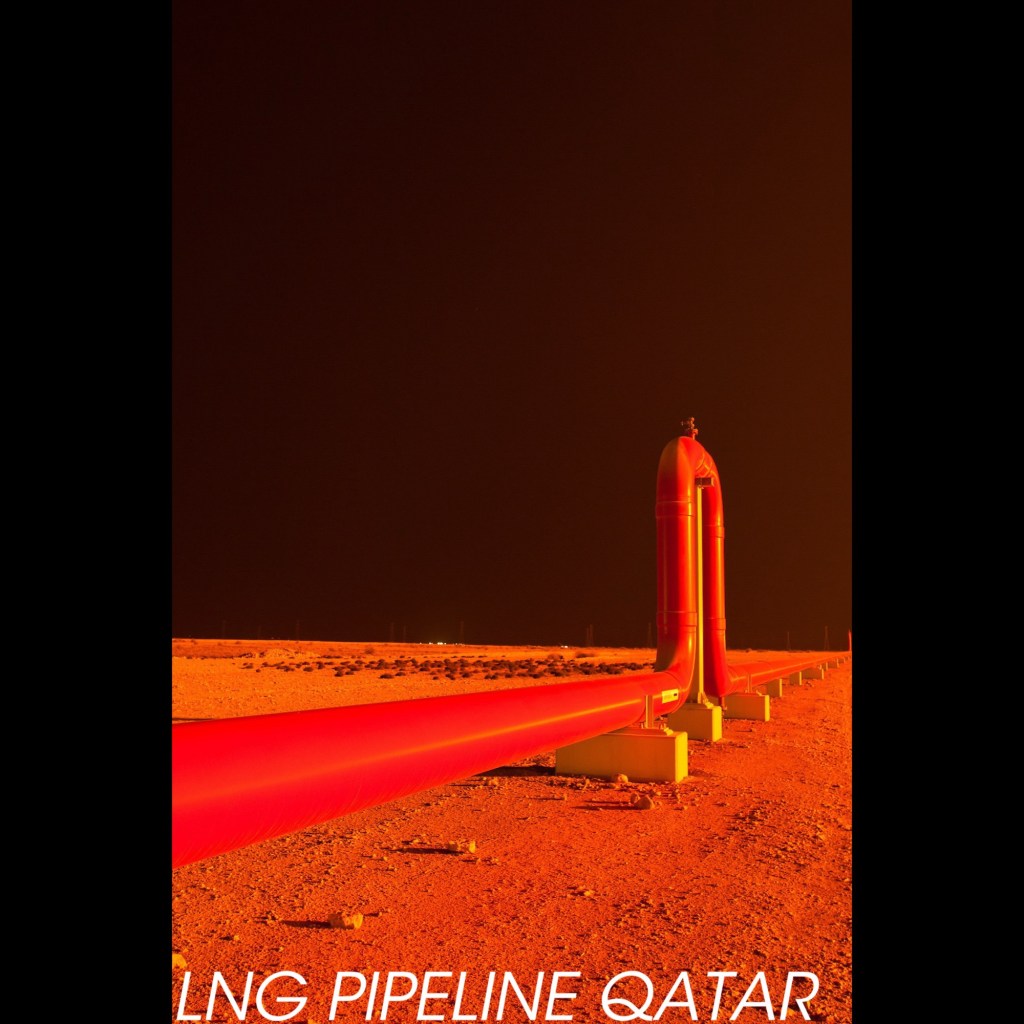
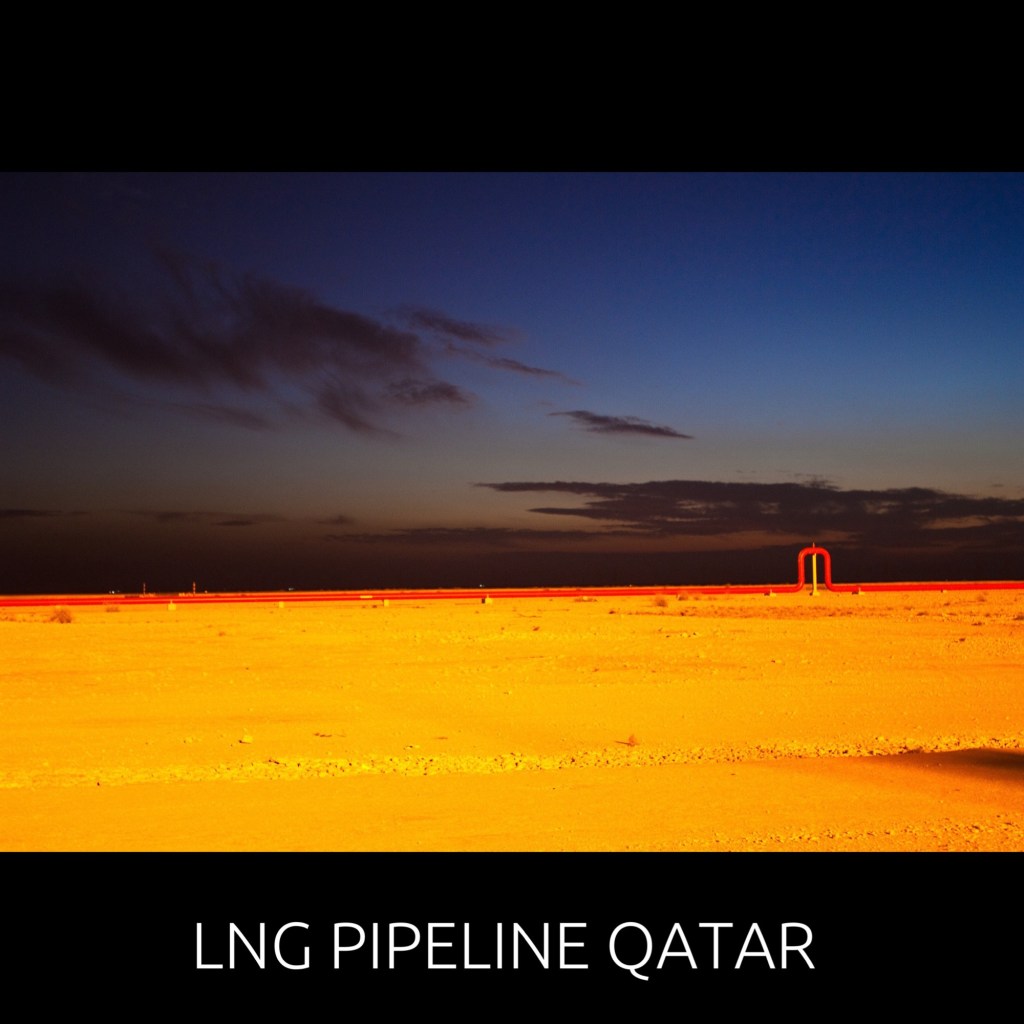
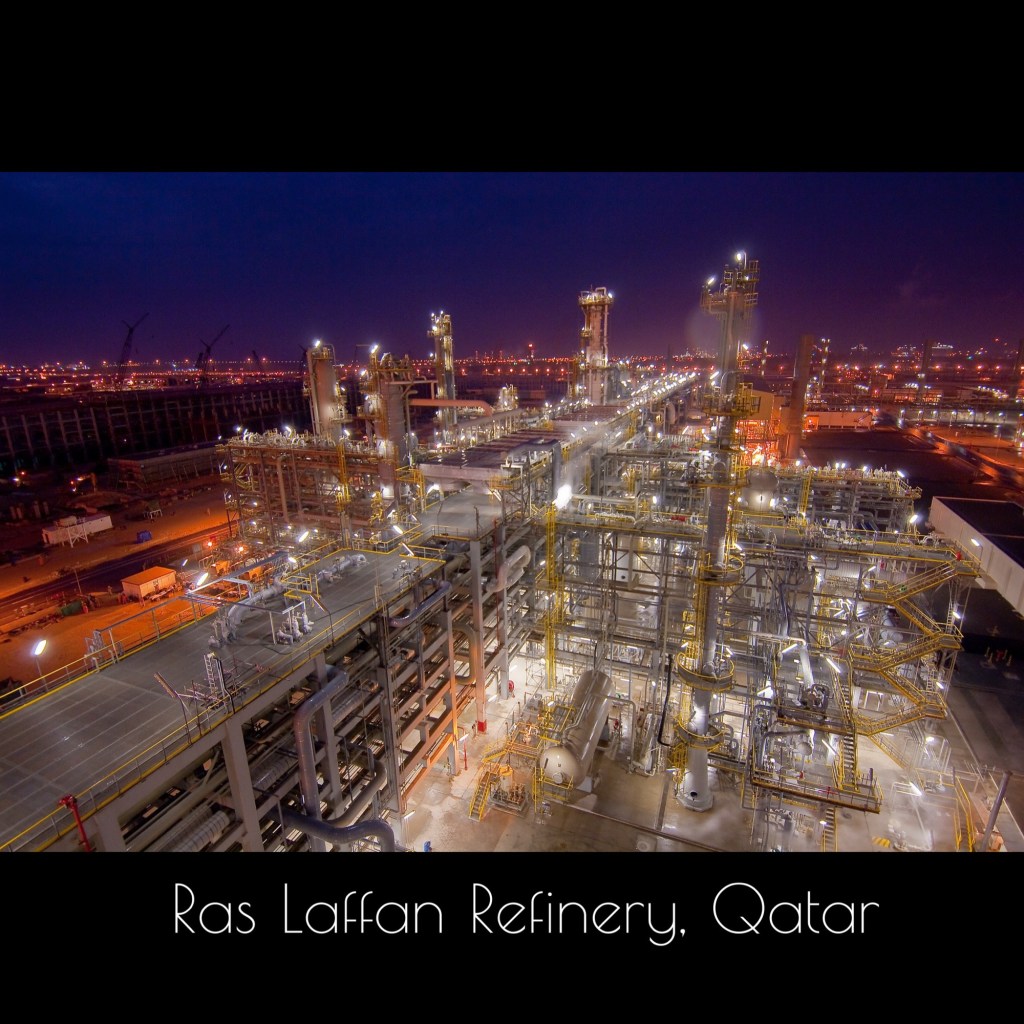
This photo shows one of the LNG processing trains at Ras Laffan in Qatar. After the March 2026 missile strikes, QatarEnergy said the damage to the LNG facilities would take about three to five years to repair, and reporting indicated that two of 14 trains were hit, reducing export capacity by about 17%. Estimates also put repair costs around $25 billion, with major implications for LNG supply to Europe, Asia, and global energy markets.
I photographed this facility three times over several years. To help put this unnecessary war in context, I’ve curated photographs of major energy infrastructure around the world on my website, WayneEastep.com, under Energy.
Sources: Reuters, CNBC, Al Jazeera, Intellinews, and Rystad Energy.
#energy #qatar #LNG #war #Iran
The Dance of Sunlight on Water
There’s something ancient and grounding about watching sunlight move across the surface of water. Each glimmer feels alive. The natural rhythm draws us into a quiet state of mind. This simple act of observing light’s reflection can help calm the nervous system, reminding us that presence doesn’t require effort, screens, or guidance—only stillness.
As the light shimmers and shifts, our breath naturally slows. The mind softens. In watching the world’s gentle movements, we begin to mirror them. The fluidity and gentle movement of light triggers something soothing within us. This is nature’s way of showing us that restoration often comes not from doing, but from simply being.
Be Still.
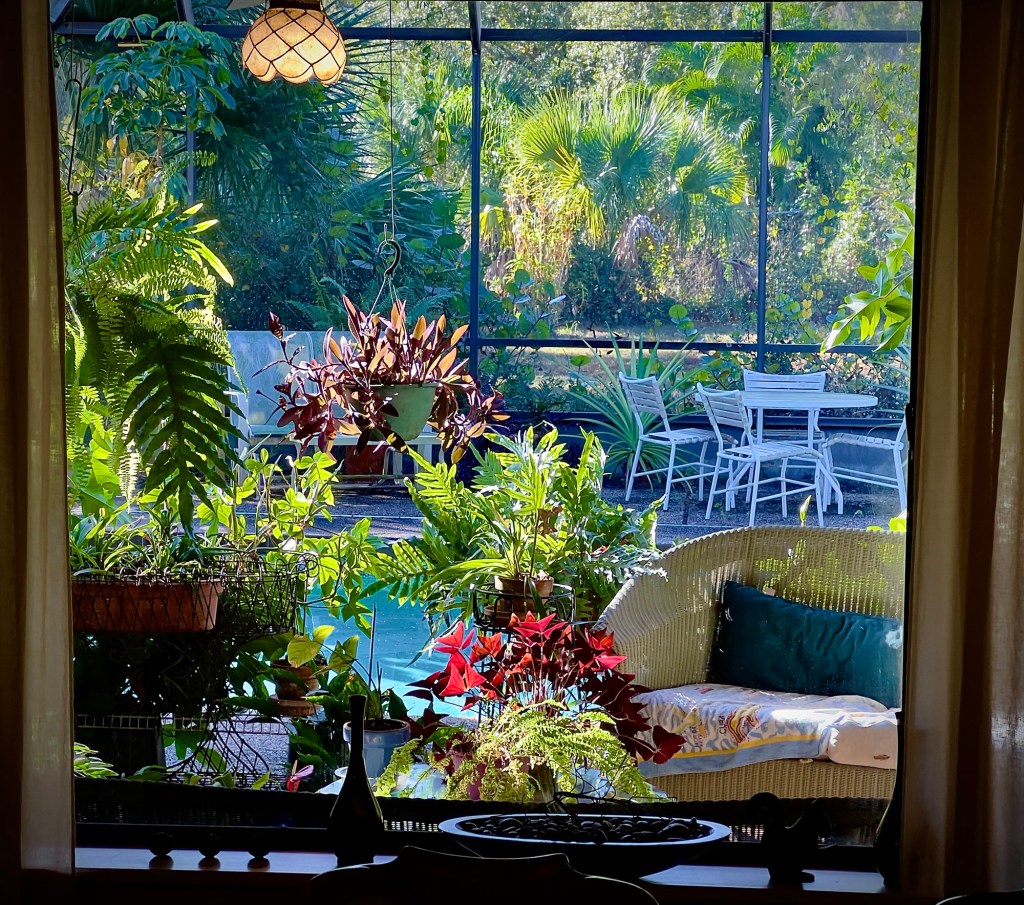
Making art, for me, begins with awareness—the ability to notice what moves us in an ordinary moment. Sometimes that awareness appears in the smallest places, like standing at the kitchen sink preparing coffee. That’s what happened a few mornings ago. I slowed down long enough to feel the energy of sunlight as it gently started the day. I thought, that’s beautiful.
Creating images is part of my daily life, so I paused, embraced that quiet, and made a simple photograph—a moment of morning arriving, carried on the light of sunrise.
The quiet beauty of the morning lit by the sunlight
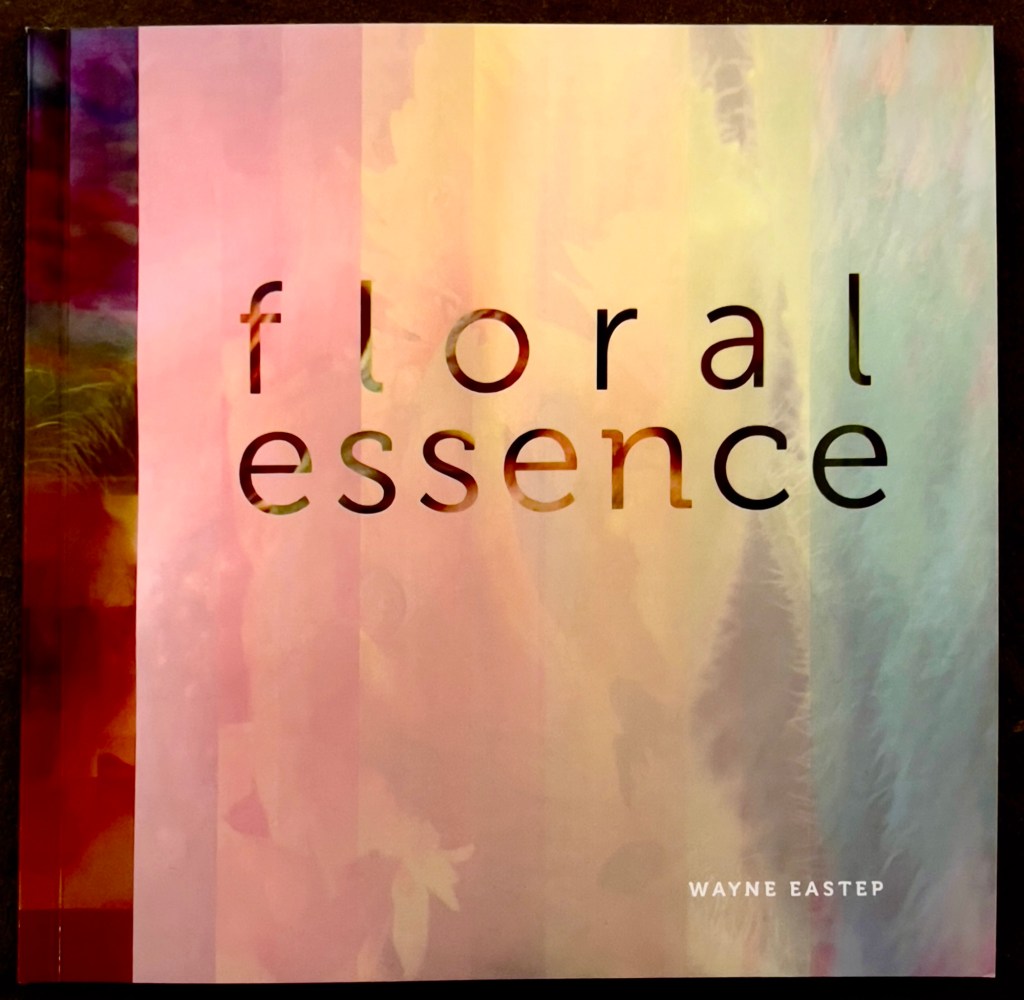
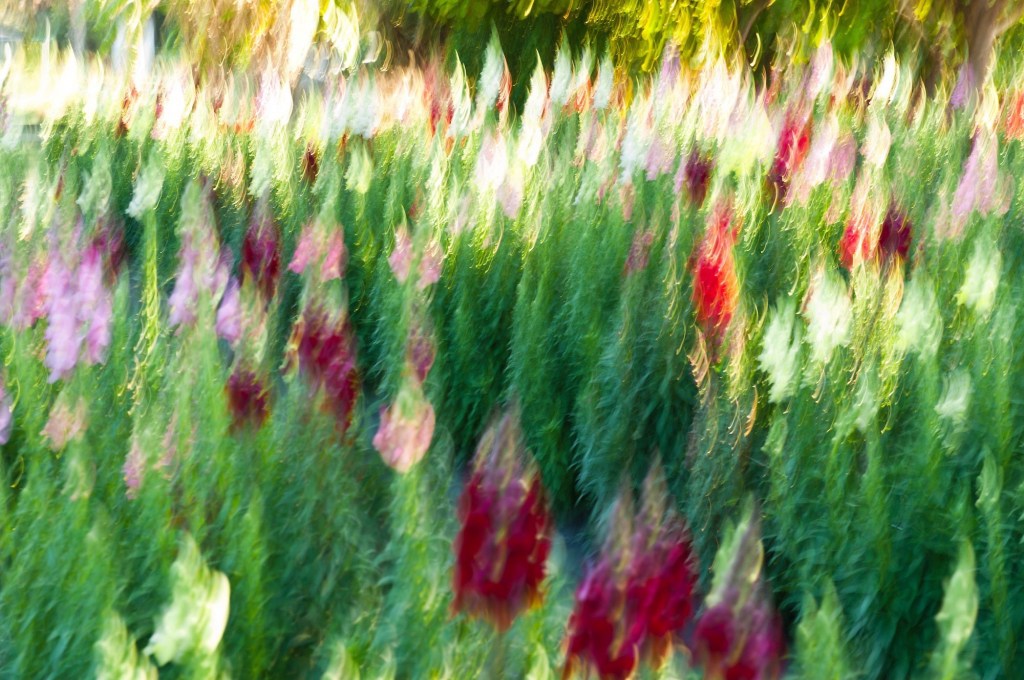
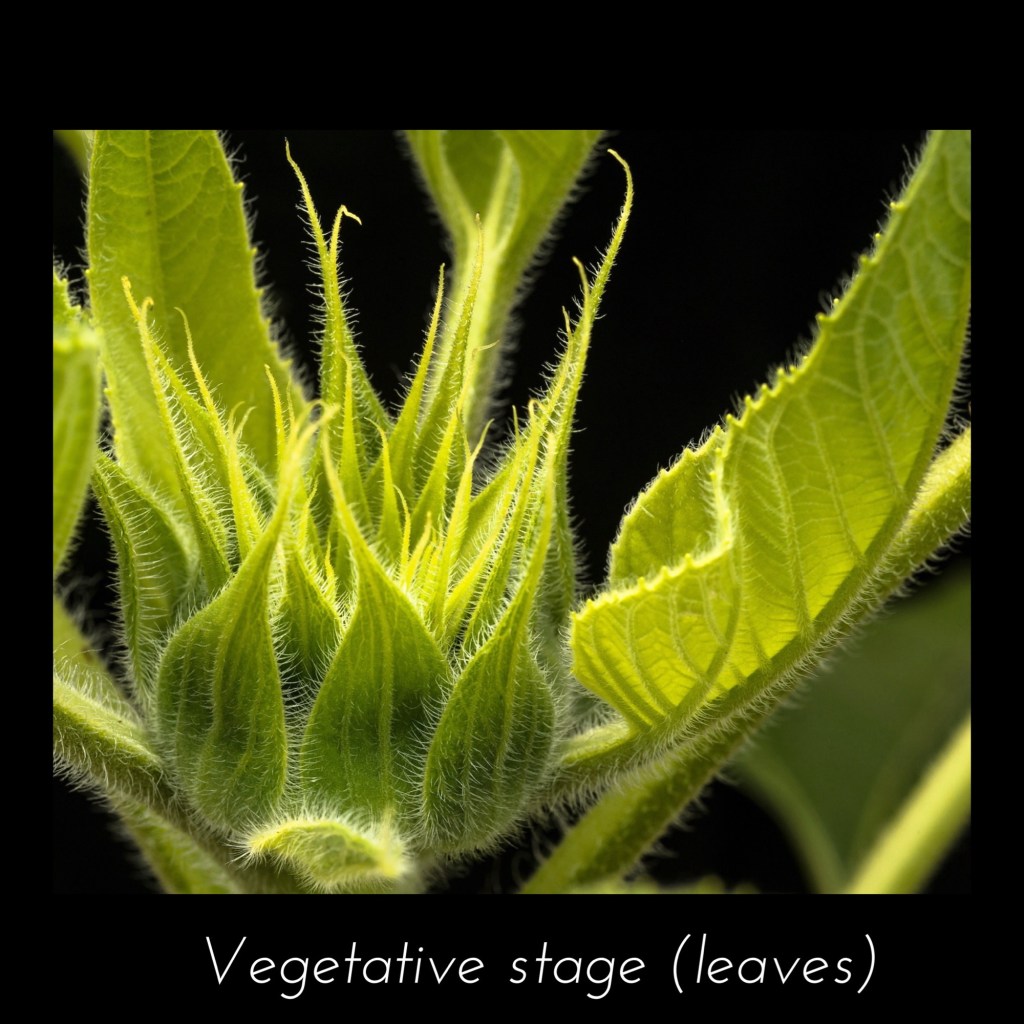
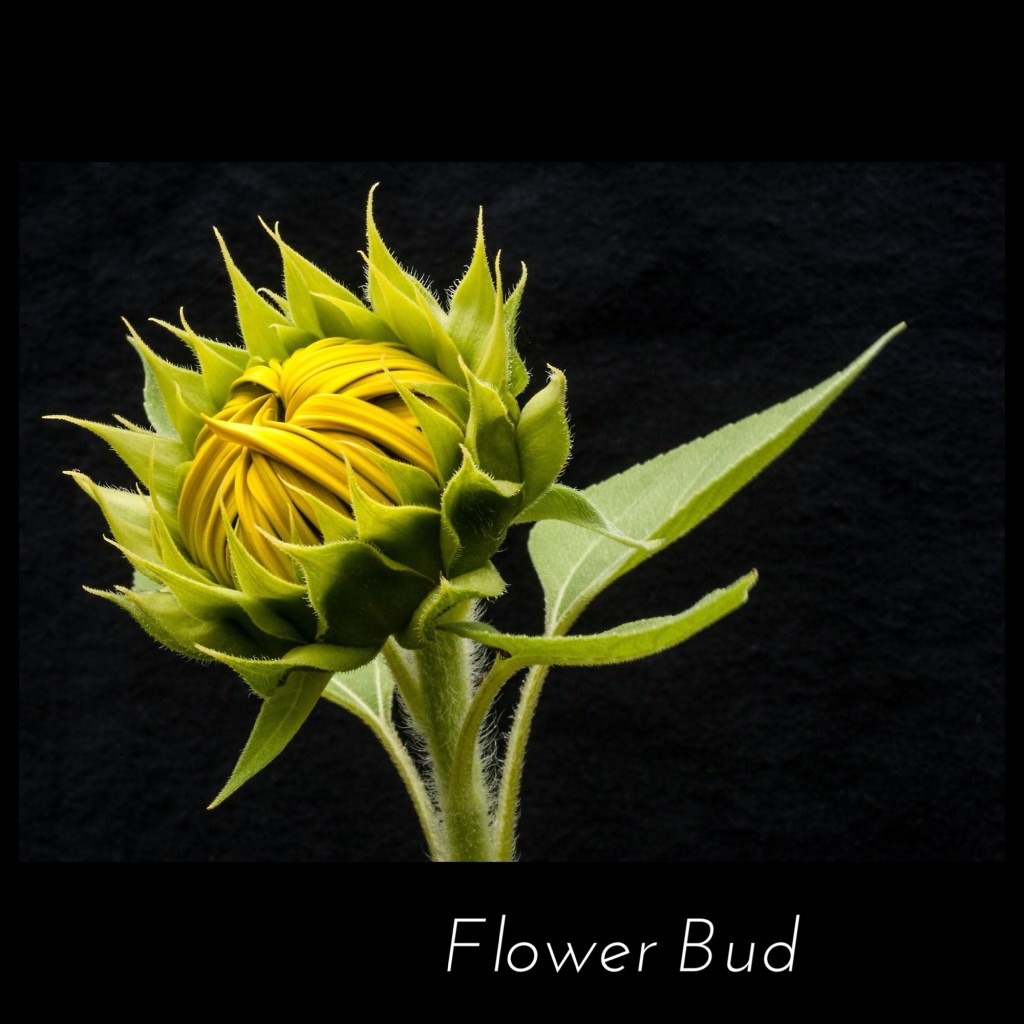
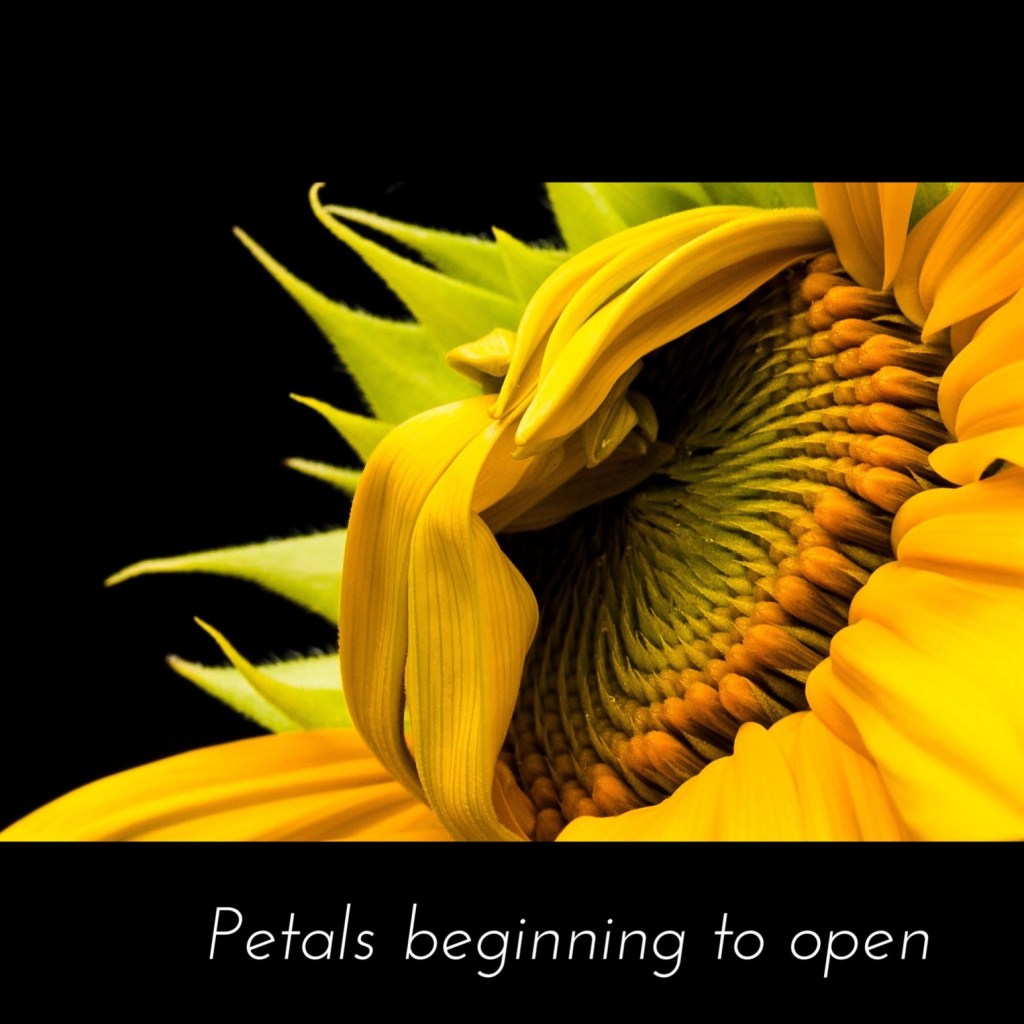

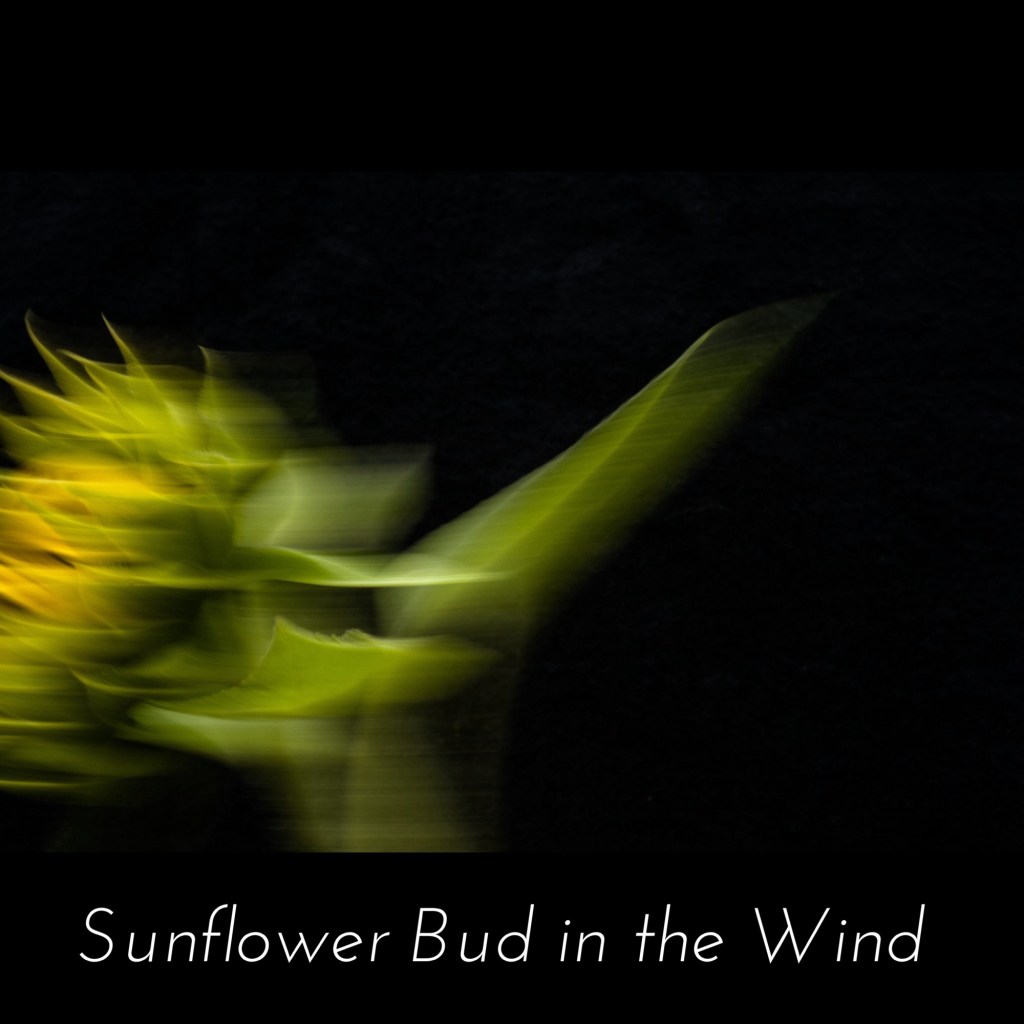
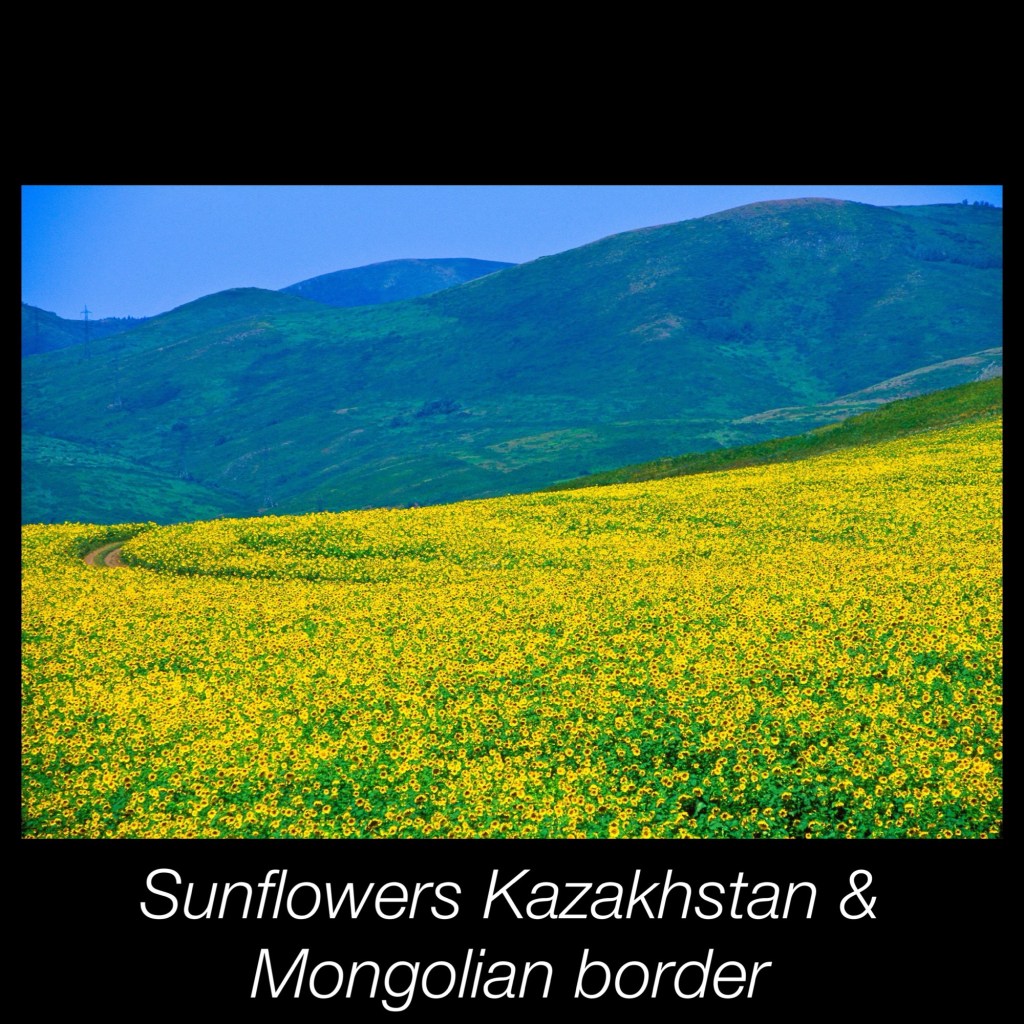
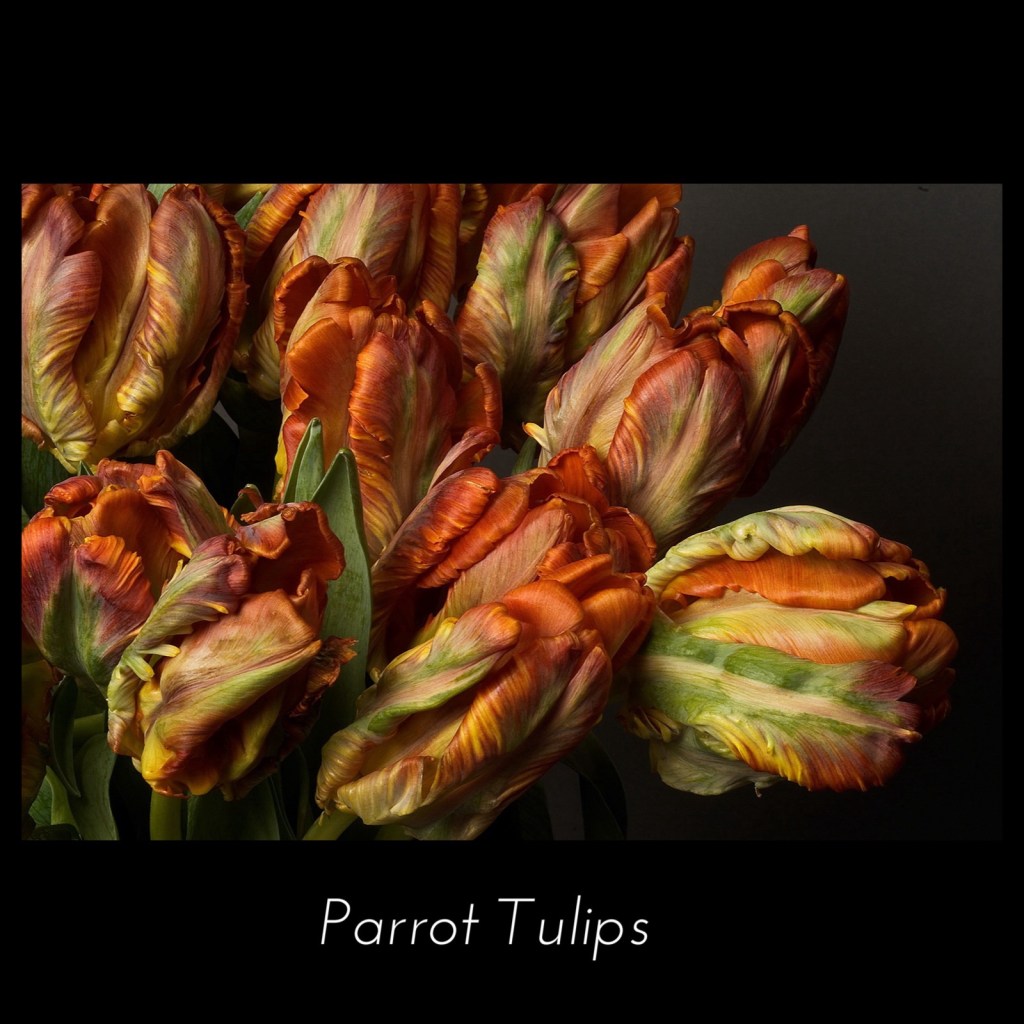
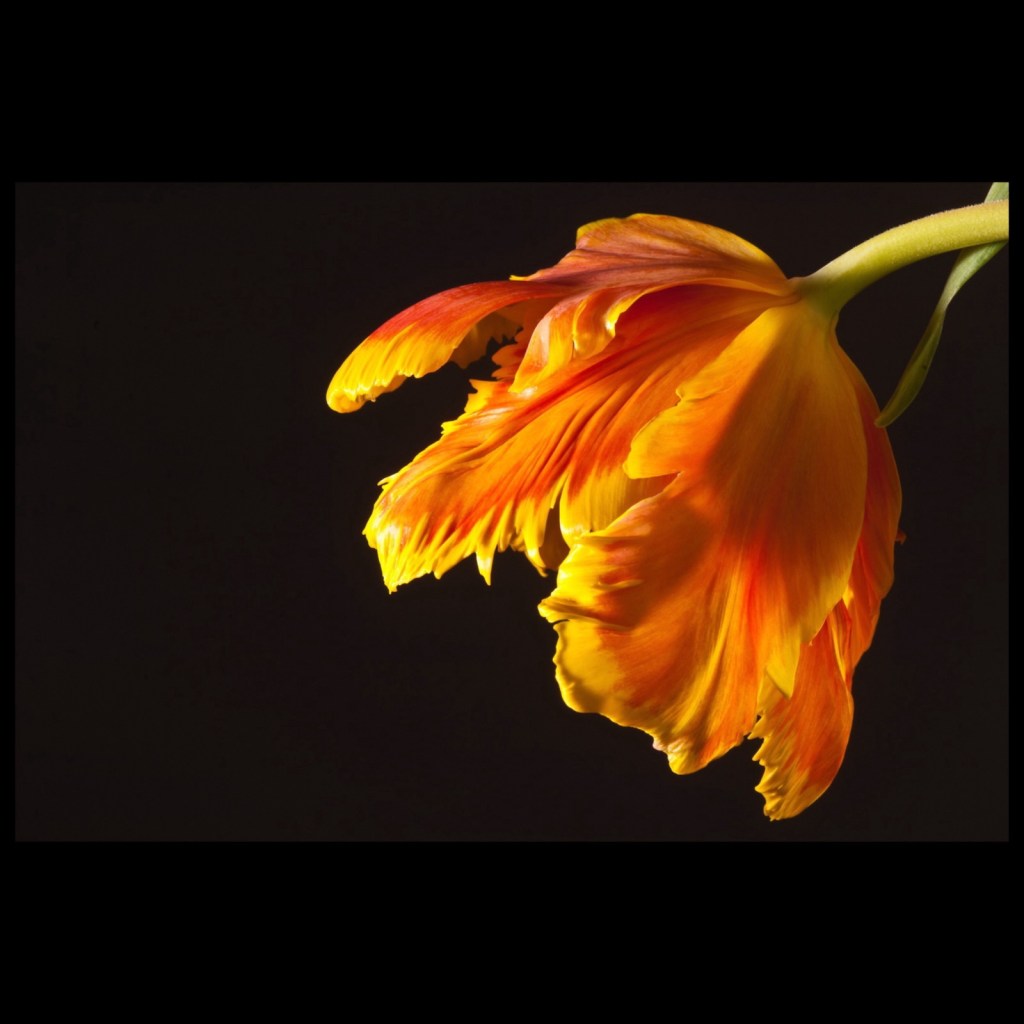

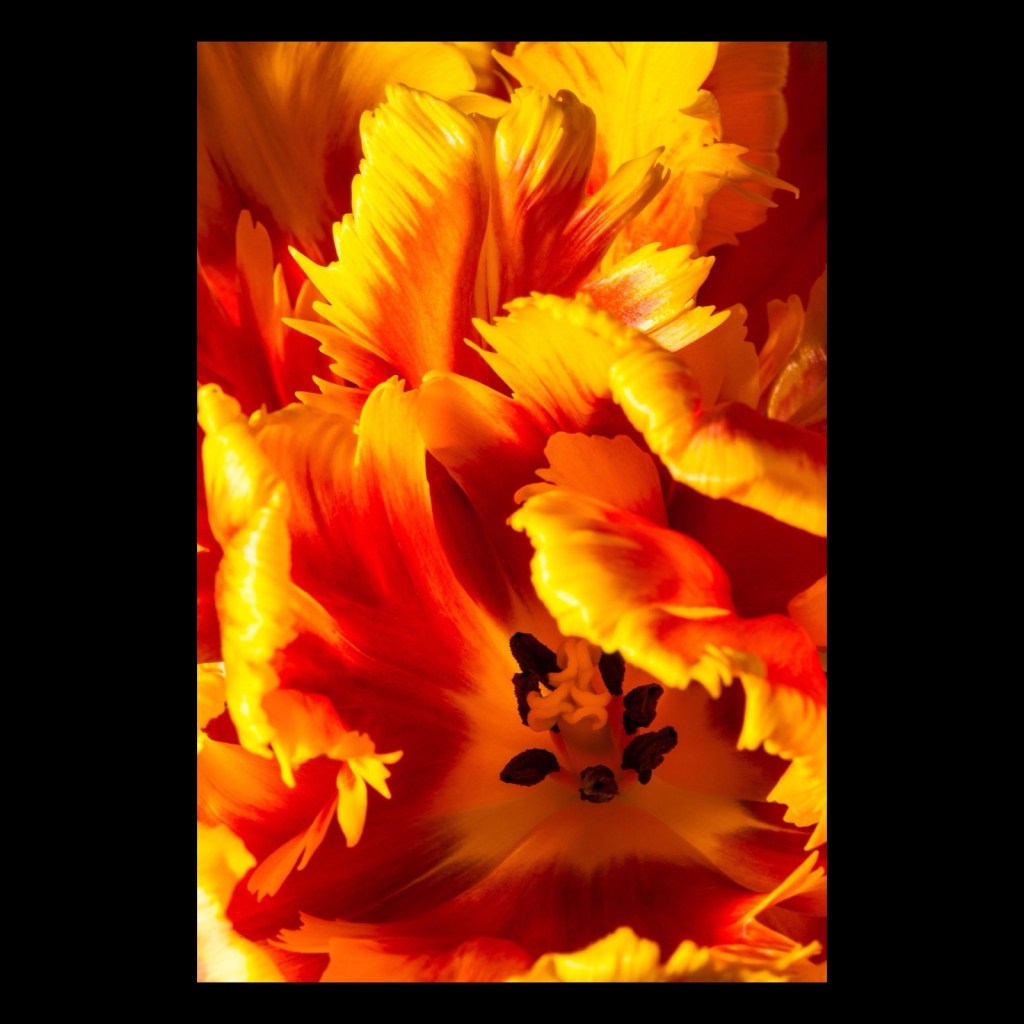
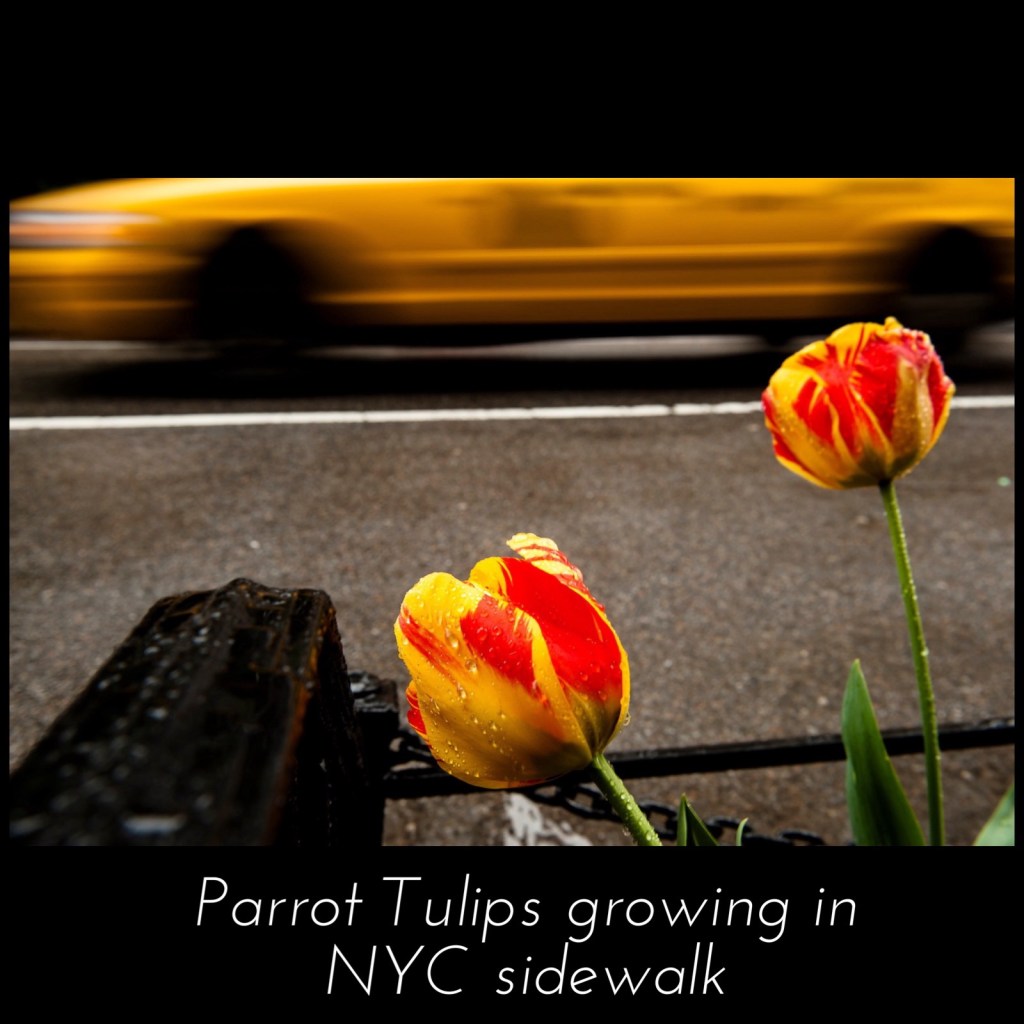
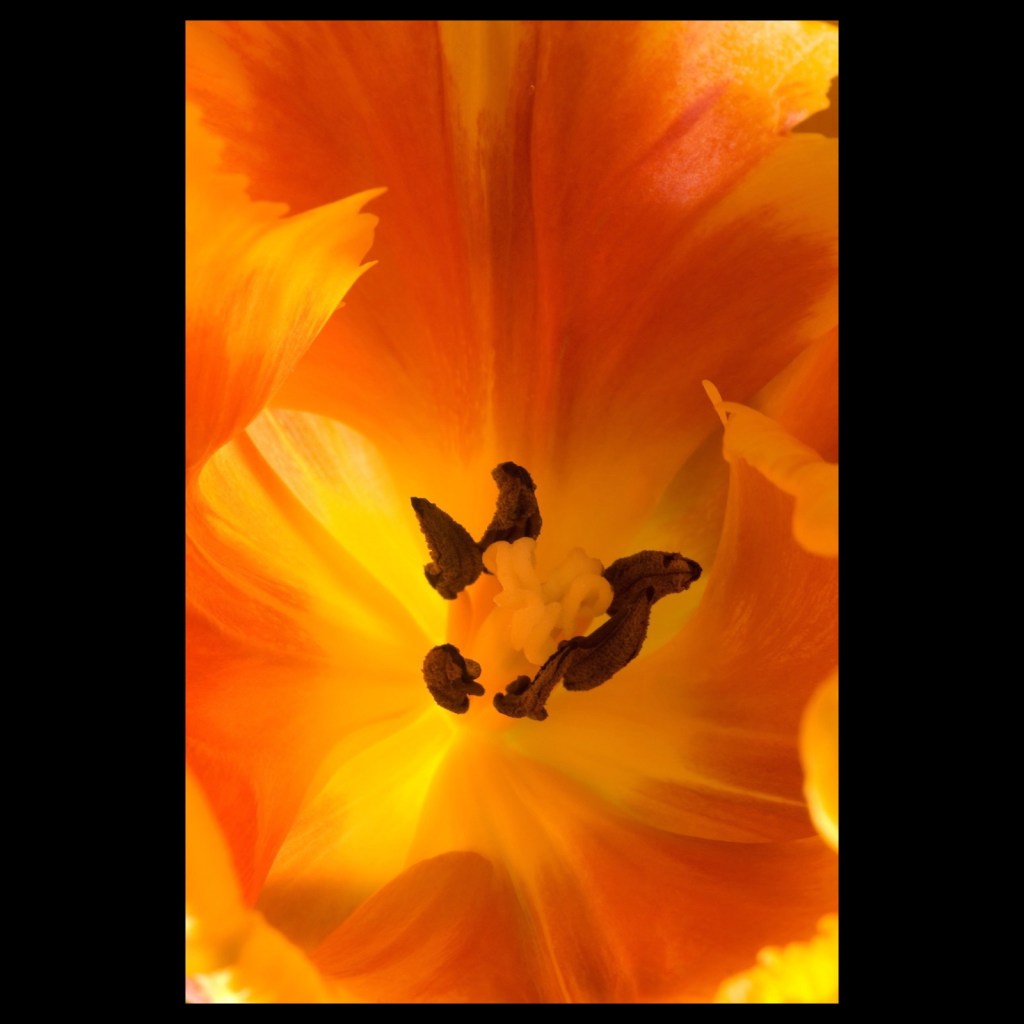

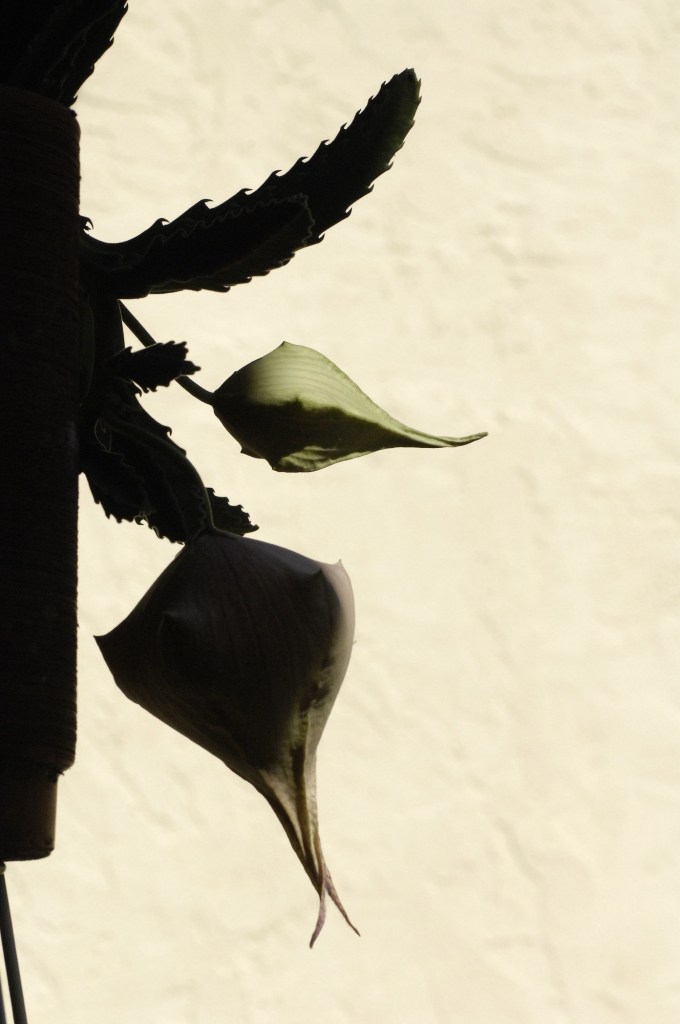
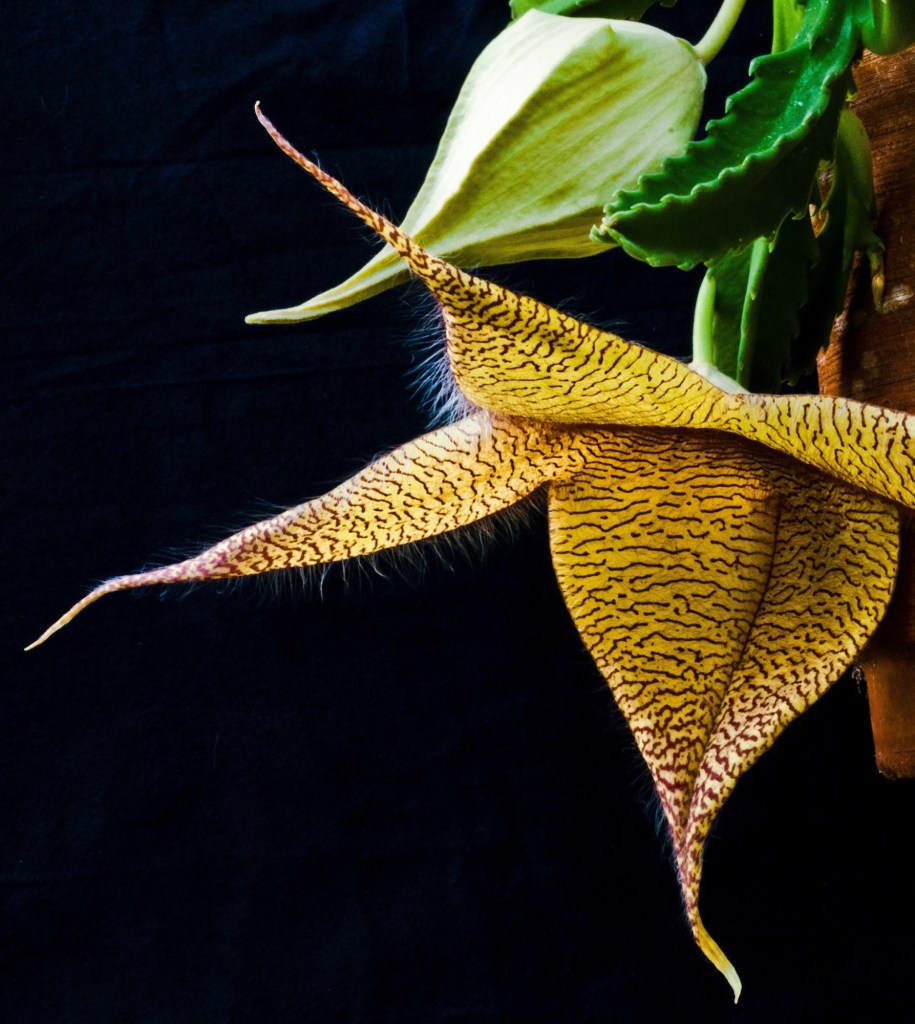
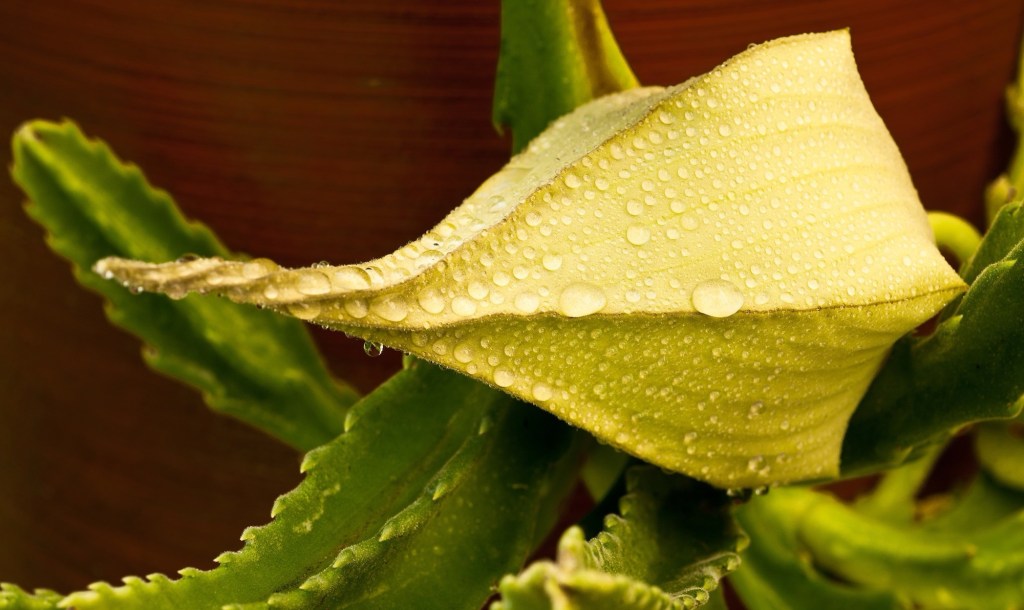

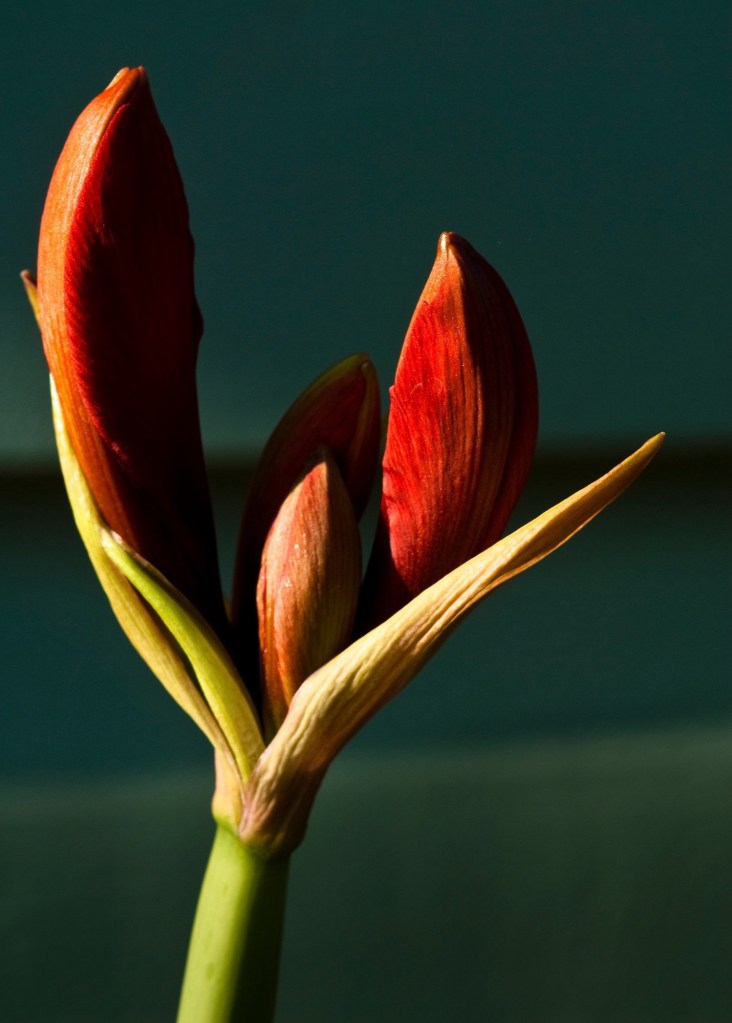
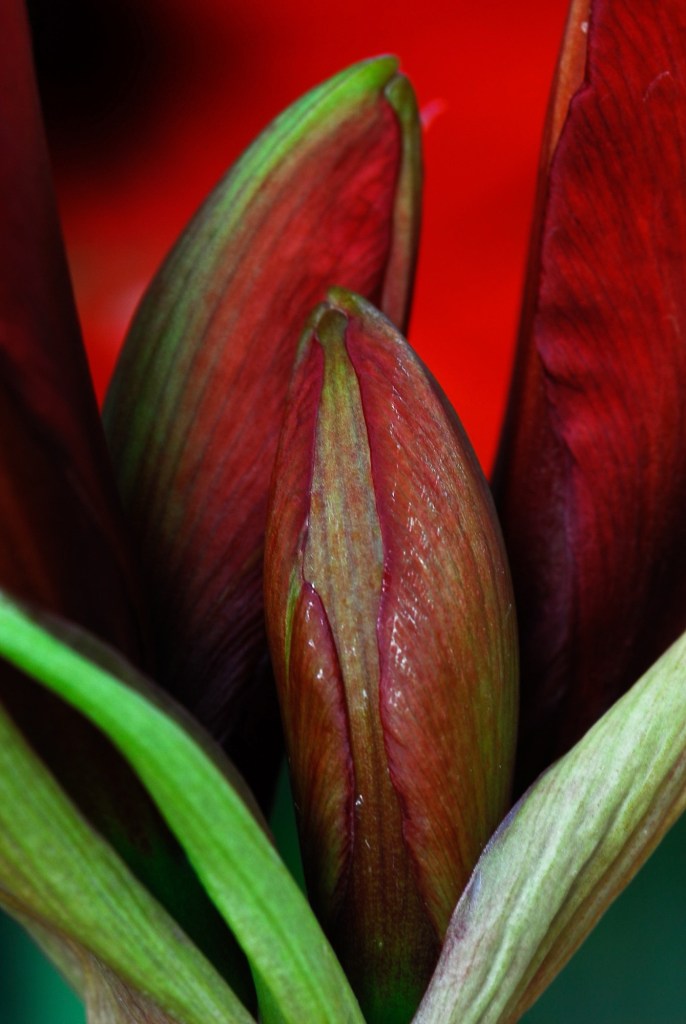

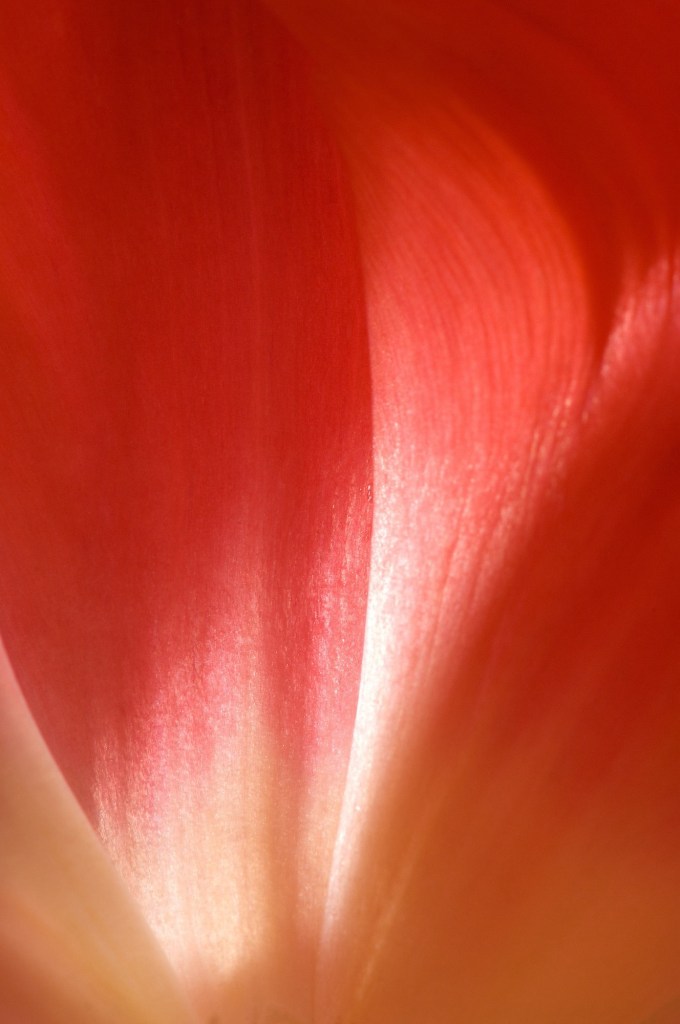
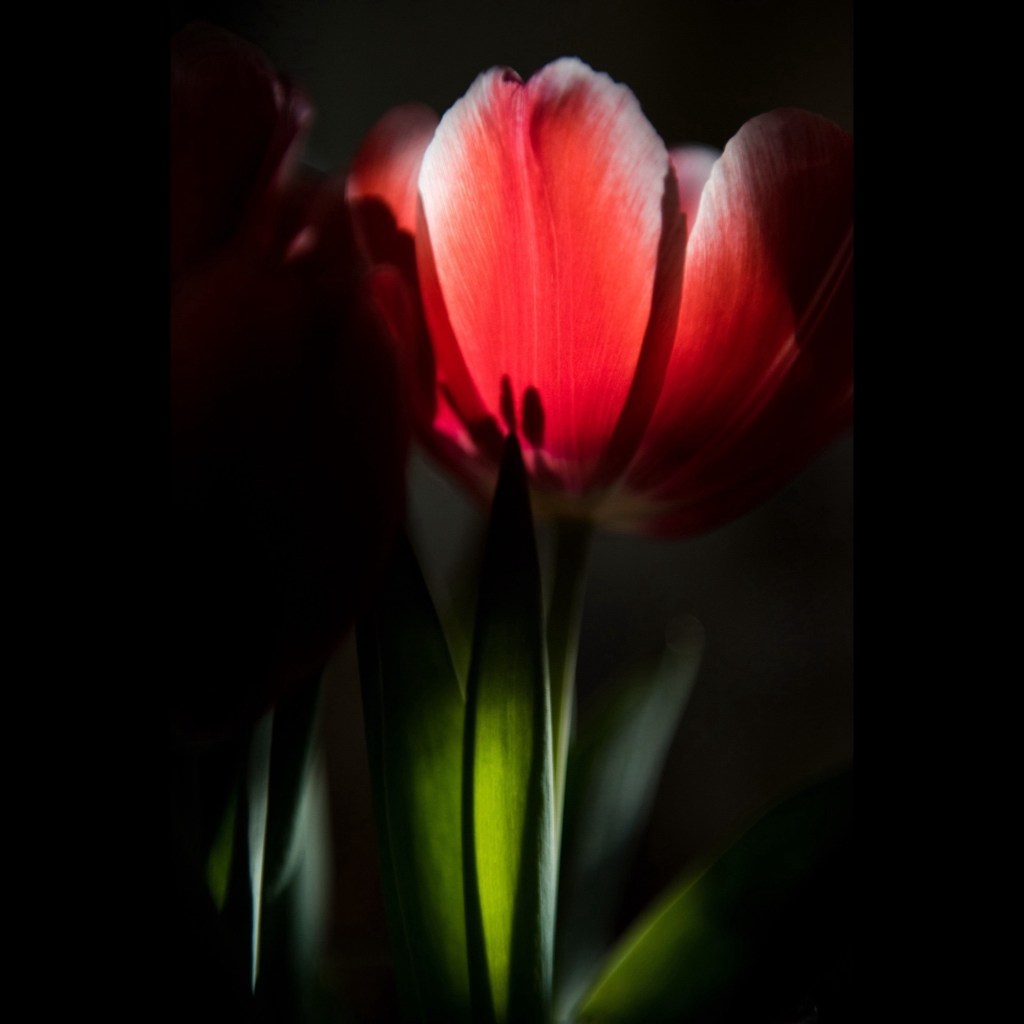
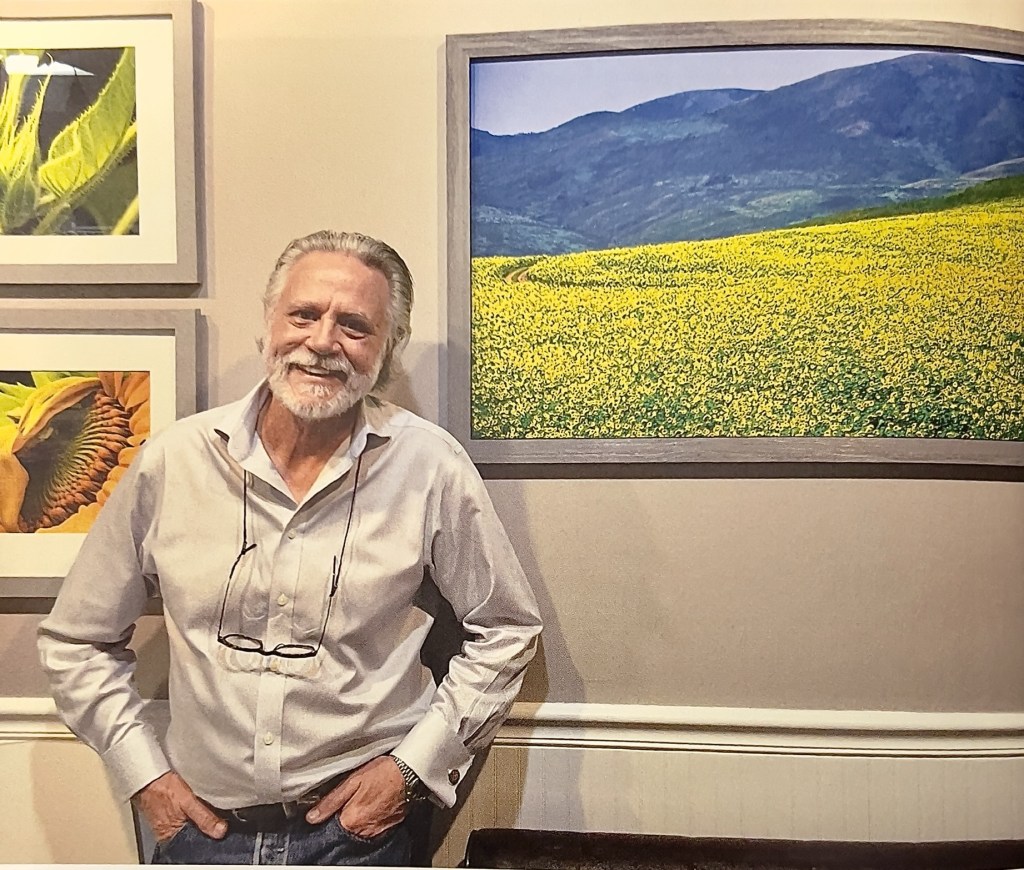
Excited to announce my Floral Essence series is now in print🌺.
This 7” x 7” monograph features 29 vibrant flower images across 42 pages. Available in softcover ($19.95) and hardcover ($39.95) plus $5 postage.
Sharing these images on social has been so rewarding, and now I’m thrilled to offer this curated print edition.
Share with someone you know who loves nature, flowers and photography.
Email me to order your copy and bring a touch of floral art home.
WayneEastep@gmail.com
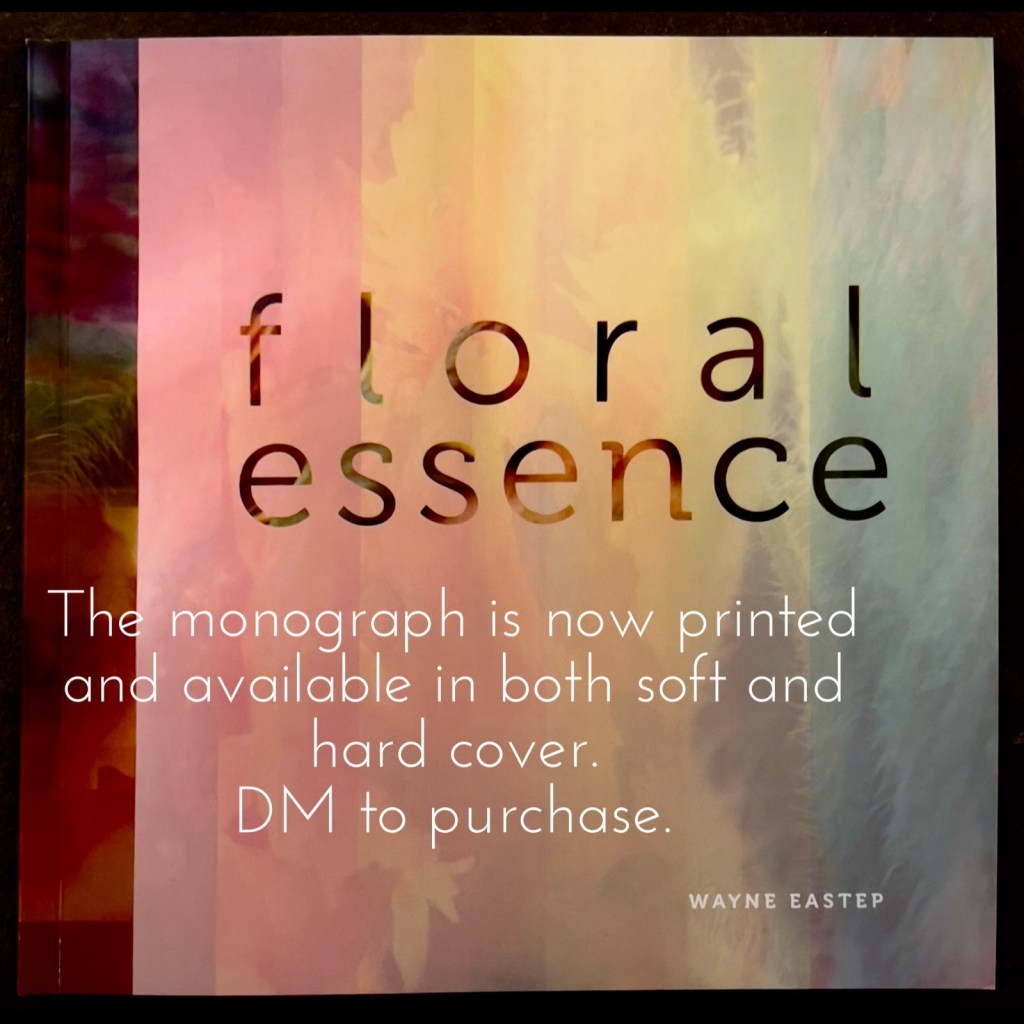
Curated Collection of flower photographs printed in the monograph Floral Essence


 wayne eastep's blog