Here’s a Thought: Let’s Share the Wealth
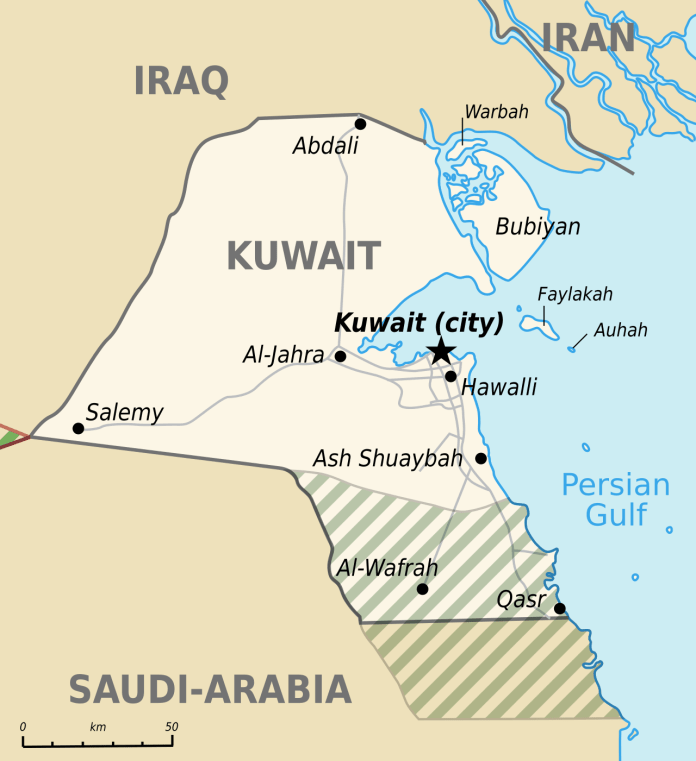
Map showing the Partitioned Neutral Zone of Kuwait and Saudi Arabia.
Map Source: Wikipedia

Money has the power to enrich relationships or to destroy them. More often than not, the pursuit of wealth has pulled families, friends, and entire nations apart. Yet when shared intentionally, wealth can become a bridge that strengthens bonds rather than breaks them.
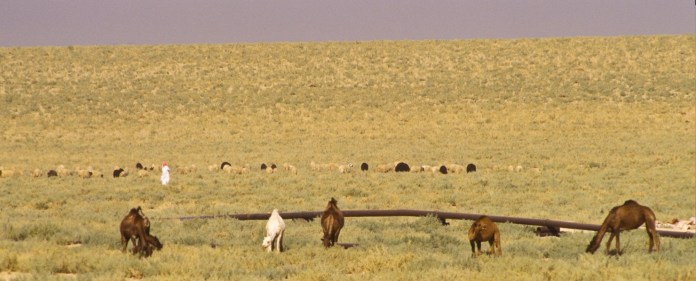
Bedouin watching over a herd of camels, sheep, and goats along a crude oil pipeline in the Neutral Zone shared by Kuwait and Saudi Arabia

Here’s a story that began long ago, on December 2, 1922. That was when the British designated 2,000 square miles of desert as a new border between Saudi Arabia and Kuwait under the Uqair Convention. The goal was to accommodate the Bedouin tribes who roamed freely across the area. The agreement declared that the rights to this region would be shared equally between the governments of Kuwait and Najd (modern-day Saudi Arabia). 
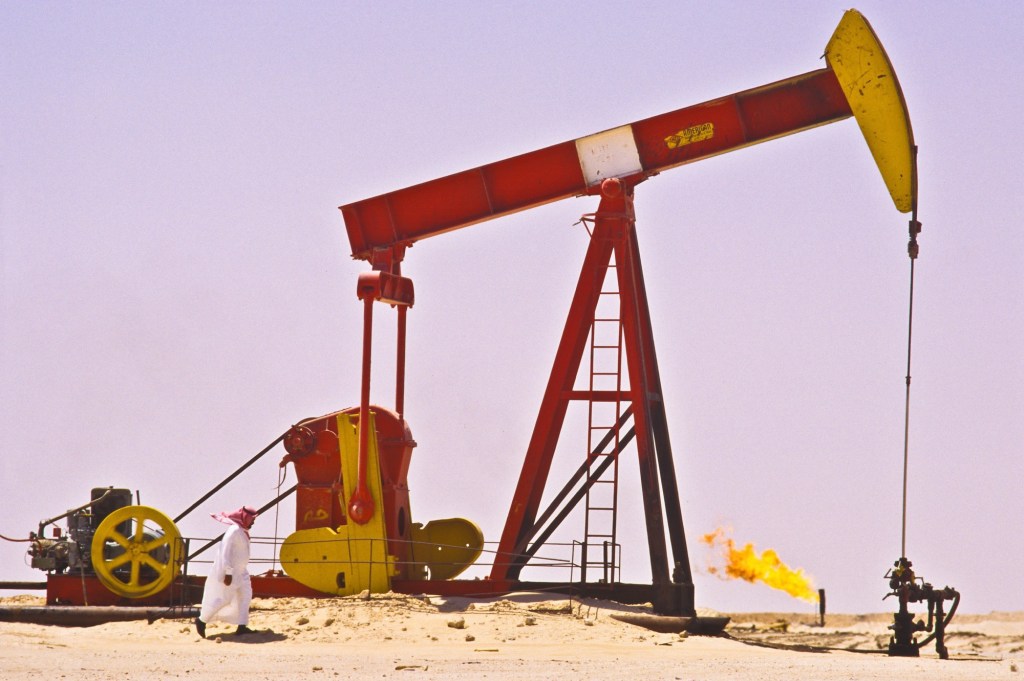
Rig pumping crude oil in the Partitioned Neutral Zone shared by Kuwait and Saudi Arabia
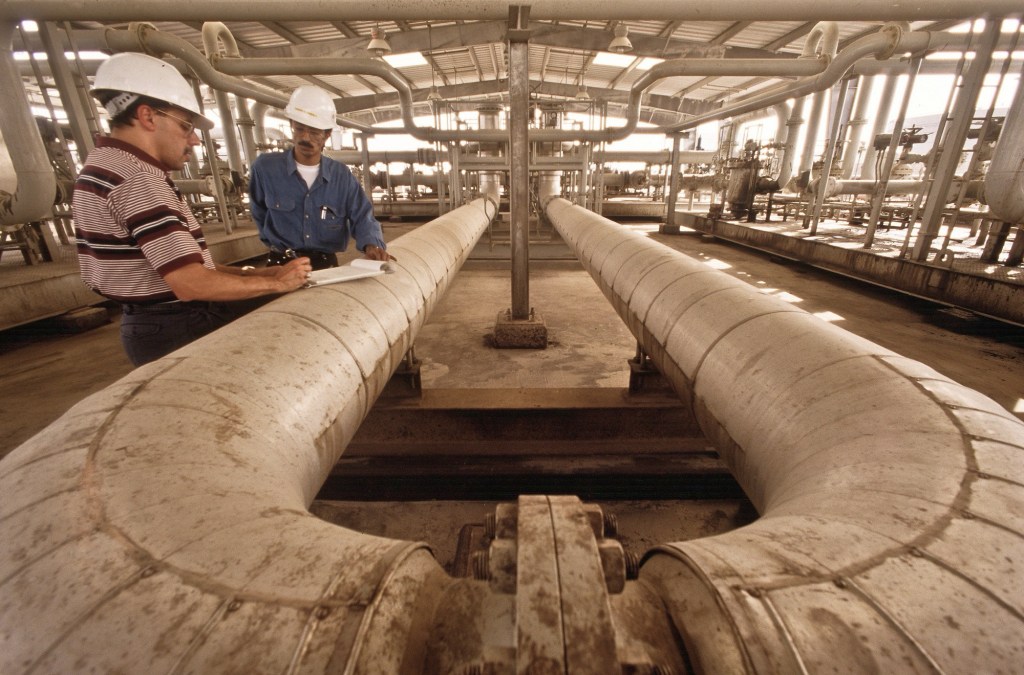
Oil Transfer Unit, PNZ Neutral Zone, Shared Crude Oil Kuwait/Saudi Arabia

Then came 1938, when oil was discovered in the Burgan field of Kuwait, near the Neutral Zone. It was a moment that could have sown division, because potential riches often spark rivalry. Over the next decades, more oil was found, but rather than dispute, both nations decided to cooperate. As oil development expanded through the 1960s and 70s, they continued to share the profits and manage the resource together. On January 18, 1970, they ratified an agreement to formally partition the Neutral Zone while continuing to jointly extract its oil.
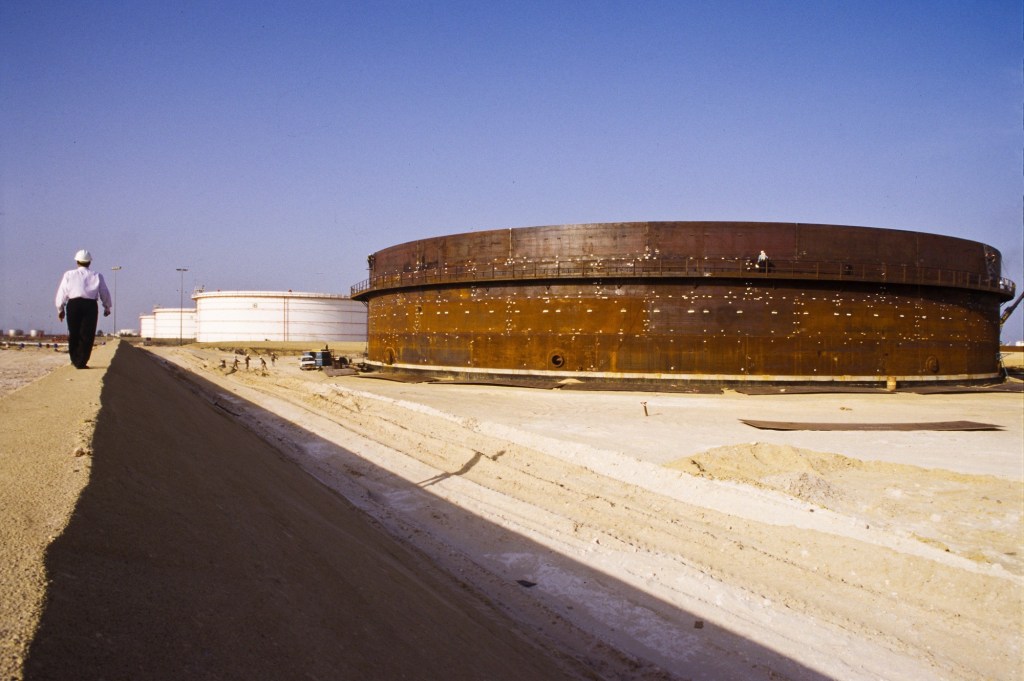
Crude Oil Storage Tanks, PNZ Neutral
Zone, Kuwait/Saudi Arabia

Years later, in 1991, Iraq invaded Kuwait, threatening both its sovereignty and its oil reserves. A coalition led by Saudi Arabia and the United States said “no,” pushed back the invaders, and restored Kuwait’s independence—securing not just territory but the spirit of partnership that had endured for decades.
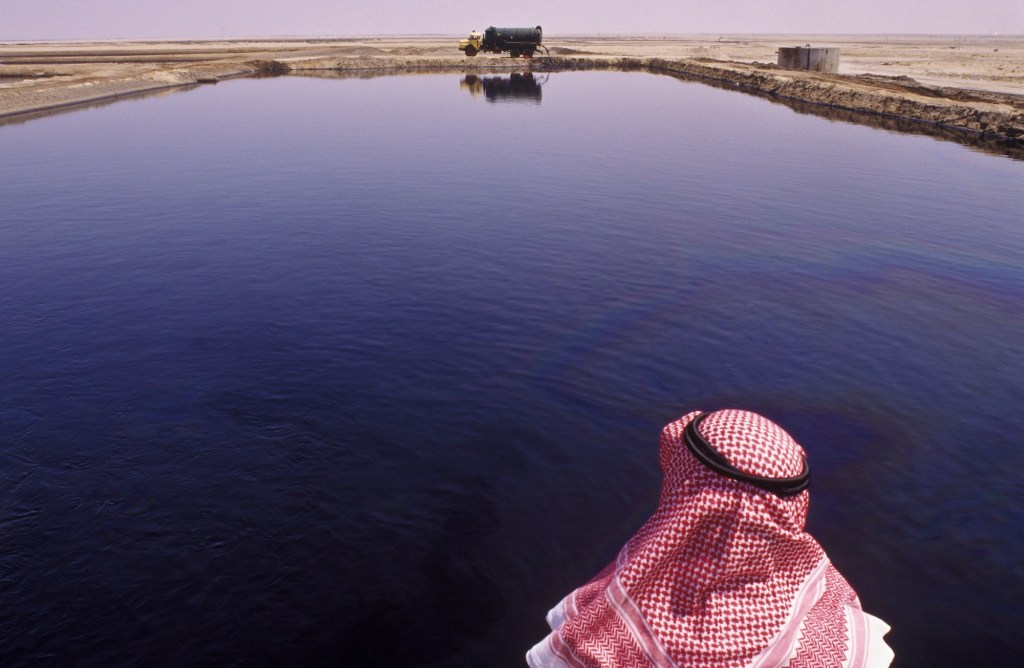
Kuwaiti overseeing captured crude oil spill after Iraqi-Kuwaiti war.
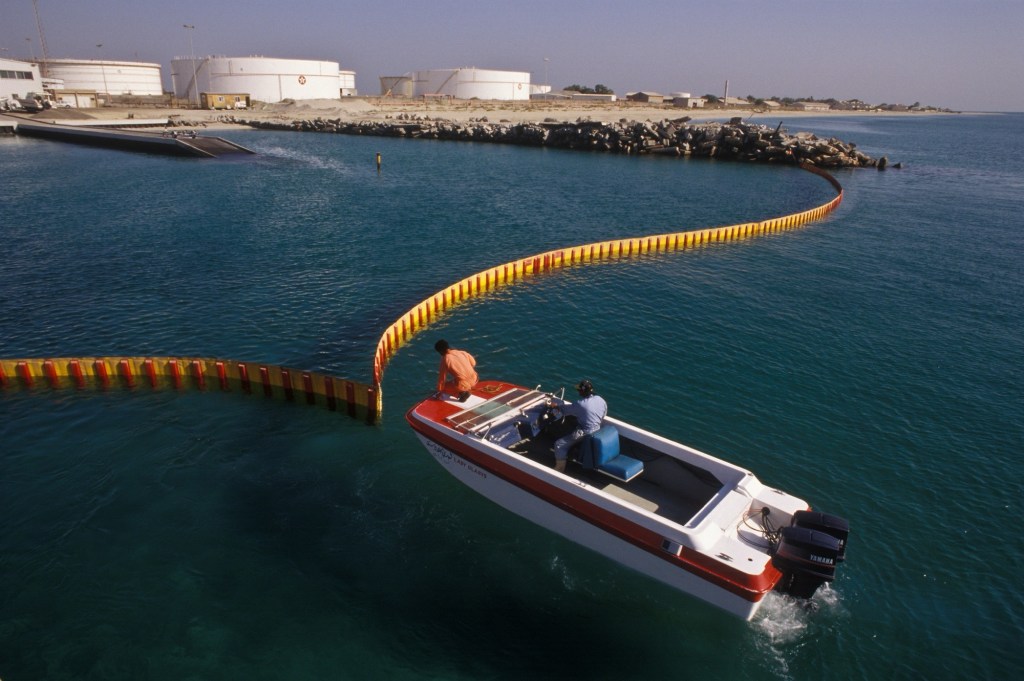
Oil Spill Containment Drill, Kuwait

More than half a century later, Saudi Arabia and Kuwait continue to peacefully share and benefit from the oil resources of the Neutral Zone. Their story stands as a living example that cooperation can yield prosperity, and that a shared resource can unite rather than divide.
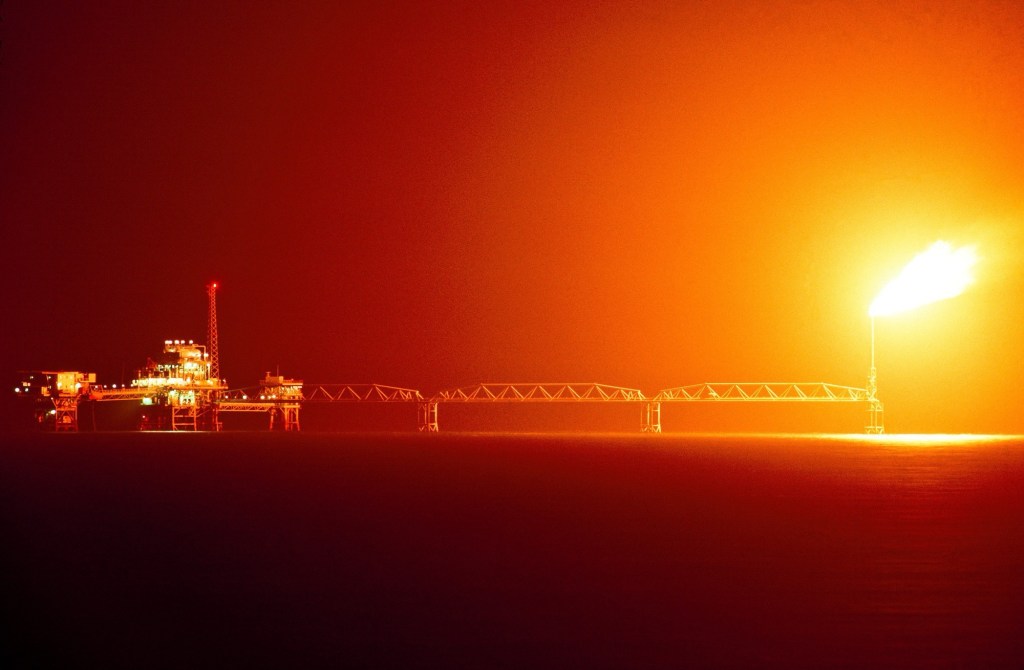
Safaniya Offshore Oil Rig, Arabian Gulf, Neutral Zone, Kuwait/Saudi Arabia
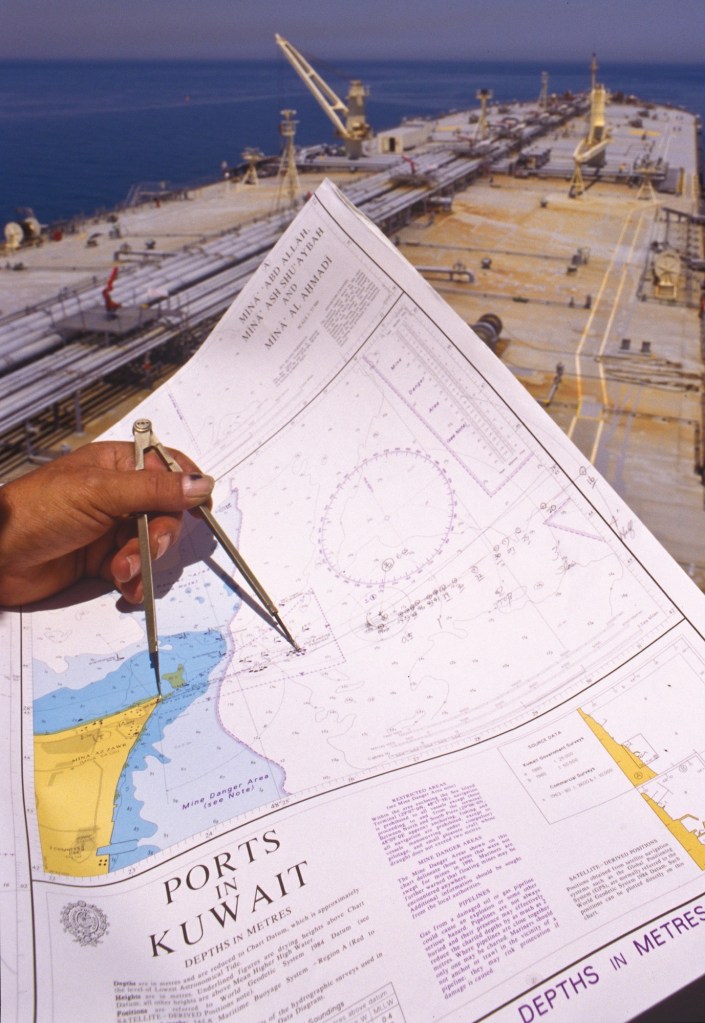
Ship navigation map, Arabian Gulf, Port of Kuwait

Perhaps real wealth lies not only in what we possess, but in how we choose to share it.

Sources: Wikipedia, Daniel Yergin, Uqair Protocol

Photos by Wayne Eastep

BEDOUIN, Energy, Kuwait, Middle East, Partitioned Neutral Zone, Petroleum Industry, Recent Personal Images, Saudi Arabia, Super Tankers

Here’s A Thought / Let’s Share The Wealth

Partitioned Neutral Zone between Kuwait and Saudi Arabia

Image

“Super” Tankers

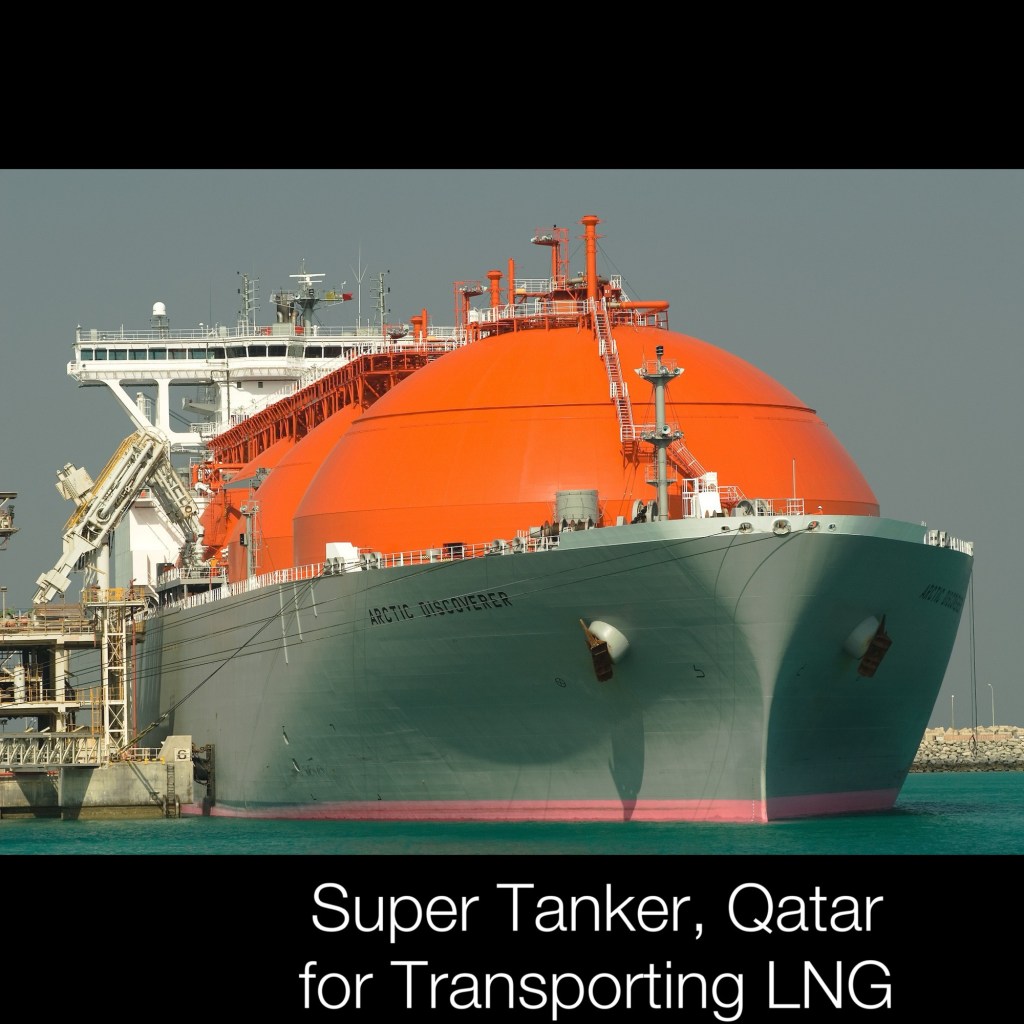
These images will give you a sense of the enormous size of the Super Tankers moving through the Straits of Hormuz. 

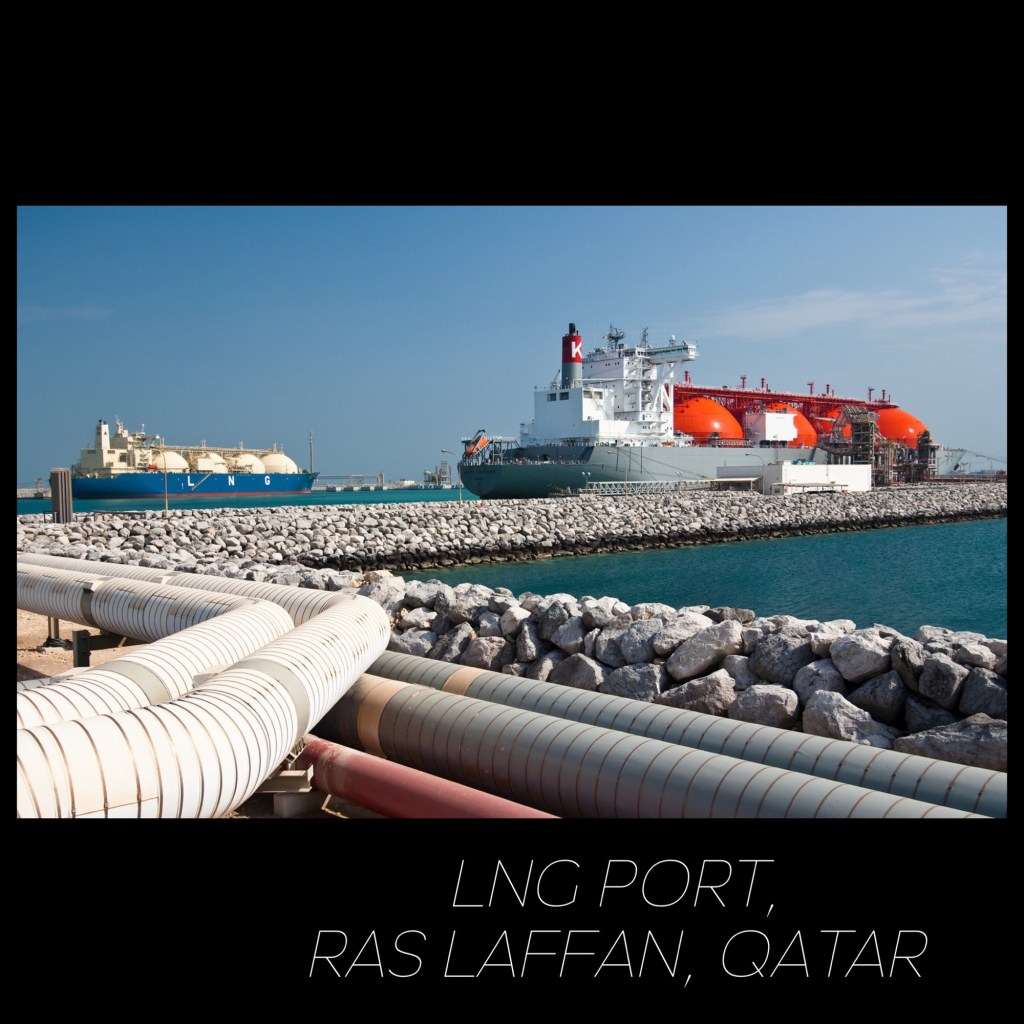
The first image shows a super tanker at Ras Laffan in Qatar being filled with LNG.

There are two types of LNG tankers used in Qatar: Q-Max with a capacity of 5.6 billion cubic feet of LNG and the Q-Flex with a capacity of 4.6 billion cubic feet of LNG.

A single Q-Max tanker can transport enough LNG to power approximately 70,000 homes for a whole year. 

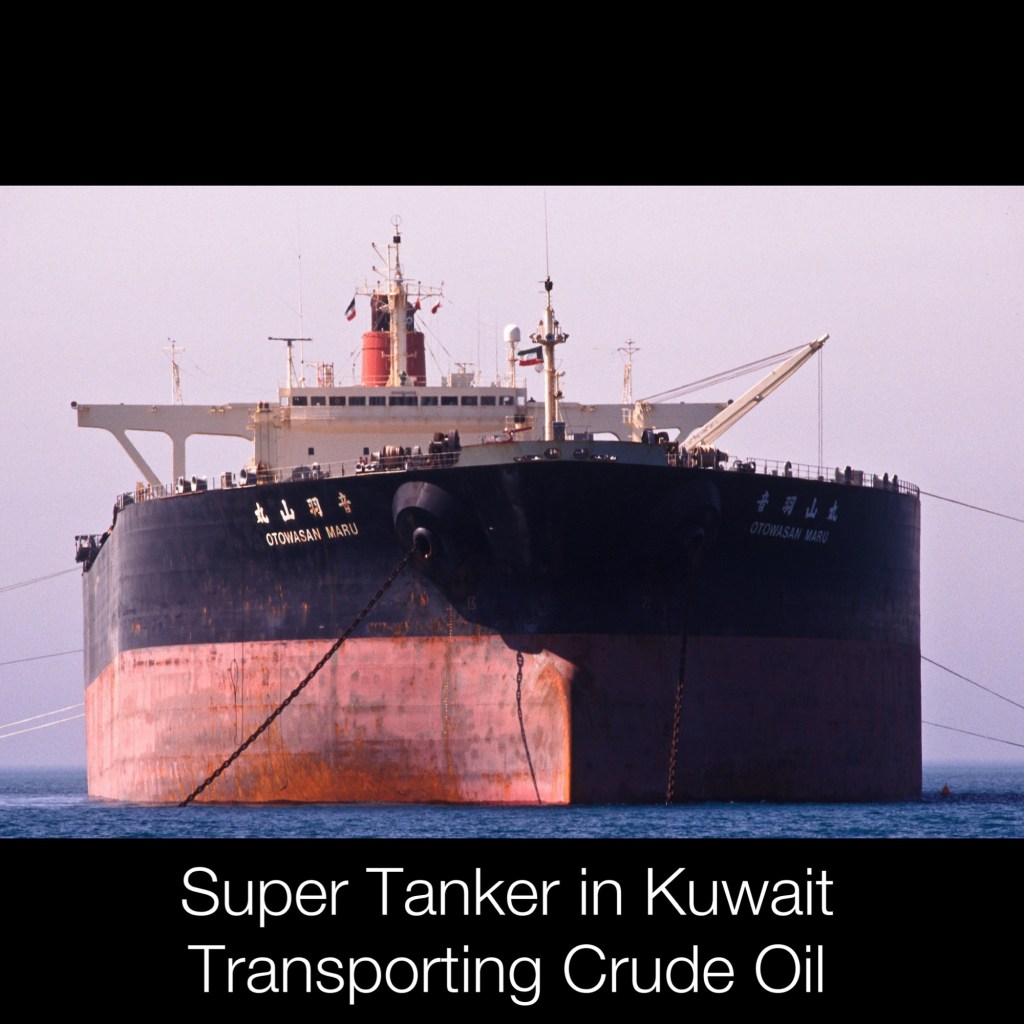
This image shows a tanker ready to be filled with crude oil in Kuwait.  These tankers can carry between 2 and 3 million barrels of crude oil per voyage.

“Under normal conditions over 100 ships, including roughly 60-70% tankers and gas carriers, traverse the Strait of Hormuz daily.  This represents approximately 20 million barrels of oil (20% of global consumption) and 20% of LNG trade”

Source:  U.S. energy Information Administration

Sources for this post: American Petroleum Institute, Strauss Center, Mitsui O. S.K. Lines, Reuters, Industrial Info Resources, Nakilat, Qatar Energy LNG, Brand Finance, Wikipedia.

Website: Wayne Eastep

Images copyrighted by Wayne Eastep

Energy, Kuwait, Petroleum Industry, Qatar, Ras Laffan LNG Refinery, Recent Personal Images, Saudi Arabia, Straits of Hormuz, Super Tankers

“SUPER” Tankers

Why Super Takers are called “Super”

Image
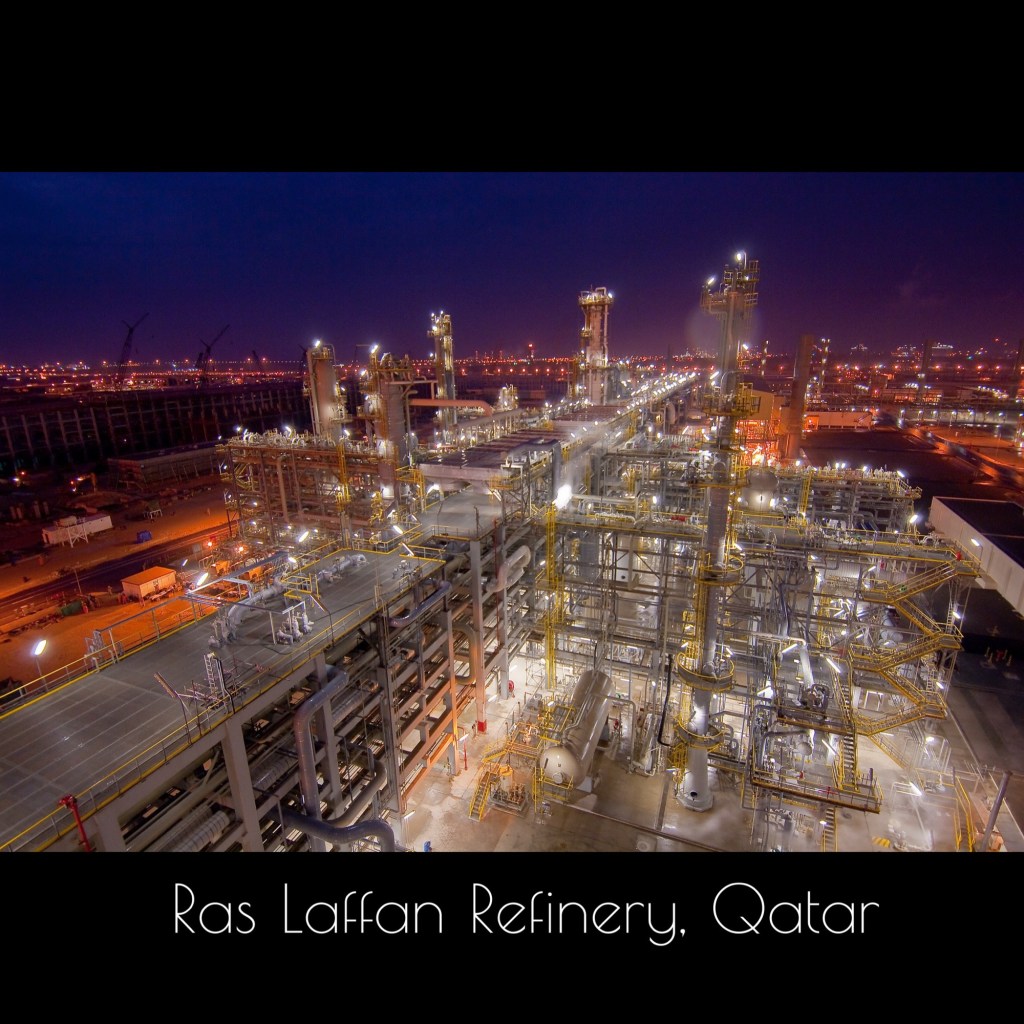
ONE OF 14 LNG PROCESSING TRAINS

This photo shows one of the LNG processing trains at Ras Laffan in Qatar. After the March 2026 missile strikes, QatarEnergy said the damage to the LNG facilities would take about three to five years to repair, and reporting indicated that two of 14 trains were hit, reducing export capacity by about 17%. Estimates also put repair costs around $25 billion, with major implications for LNG supply to Europe, Asia, and global energy markets.

I photographed this facility three times over several years. To help put this unnecessary war in context, I’ve curated photographs of major energy infrastructure around the world on my website, WayneEastep.com, under Energy.

Sources: Reuters, CNBC, Al Jazeera, Intellinews, and Rystad Energy.

#energy #qatar #LNG #war #Iran

Energy, Saudi Arabia

Repairing This Refinery Will Cost

Image

Portrait, Portraiture, Bedouin, Bedu, Saudi Arabia,

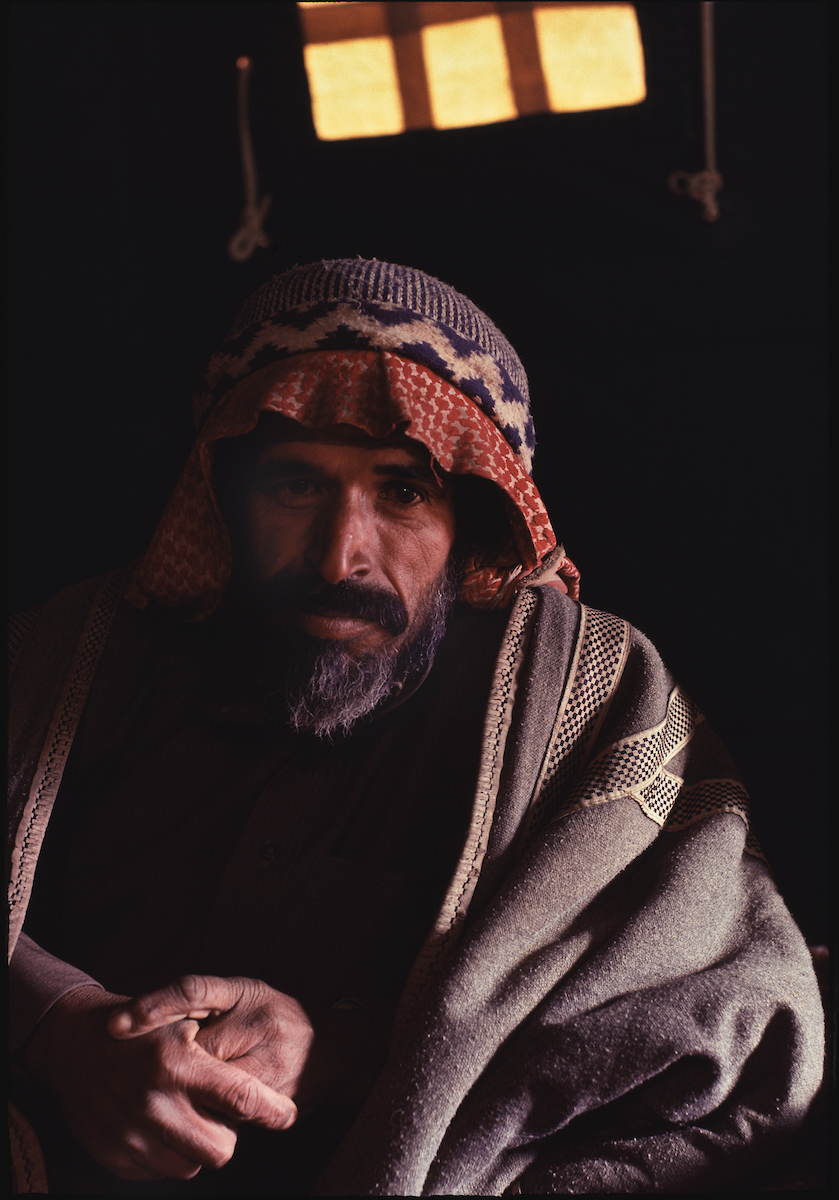
Murie bin Mohammed Al Murrah brought us a bag of truffles from the Empty Quarter. Dahana Sands, Saudi Arabia.

Persona

A portrait should represent your likeness and evoke your emotional energy.

That is my goal when making your portrait.

I  think of your portrait as being an image representing the outside and inside of you.  A single image if made with focus and connection can be a true representation of your persona. However, no manner how successful the single image is it will not represent the whole truth of who you are because you are way too complex.  At the moment the photograph is made you may be open and the still image can communicate that openness.  You may also be quiet, cautious, and have wit, chances are the single picture will not communicate all of those aspects of your persona.  When making your portrait I will guide you to being present in the moment and not get concerned about trying to show all the aspects of your persona.  Let’s be satisfied with getting one image that reflects who you are.

When you open your spirit and allow your energy to move and I focus my attention and spirit we can connect in 125th of a second to create an image that communicates your persona.

My Portrait Studio is located in downtown Sarasota at 1338 Central Avenue, Sarasota, FL 34236.  I’ve put a lot of intention into creating a space that is warm, comfortable and safe with the goal that you will feel good about having your portrait made.  I look forward to working with you to “capture” your persona. 

To schedule a time to make your portrait contact me; WayneEastep@Gmail.com  or call 917.675.0640.

Art, creativity, Portraits, Recent Personal Images, Saudi Arabia, Travel

Persona #4

Image

Al-Hijr / Madain Saleh

UNESCO, World-Heritage-Site, Nabataen-civilazation, Saudi-Arabia, archeology

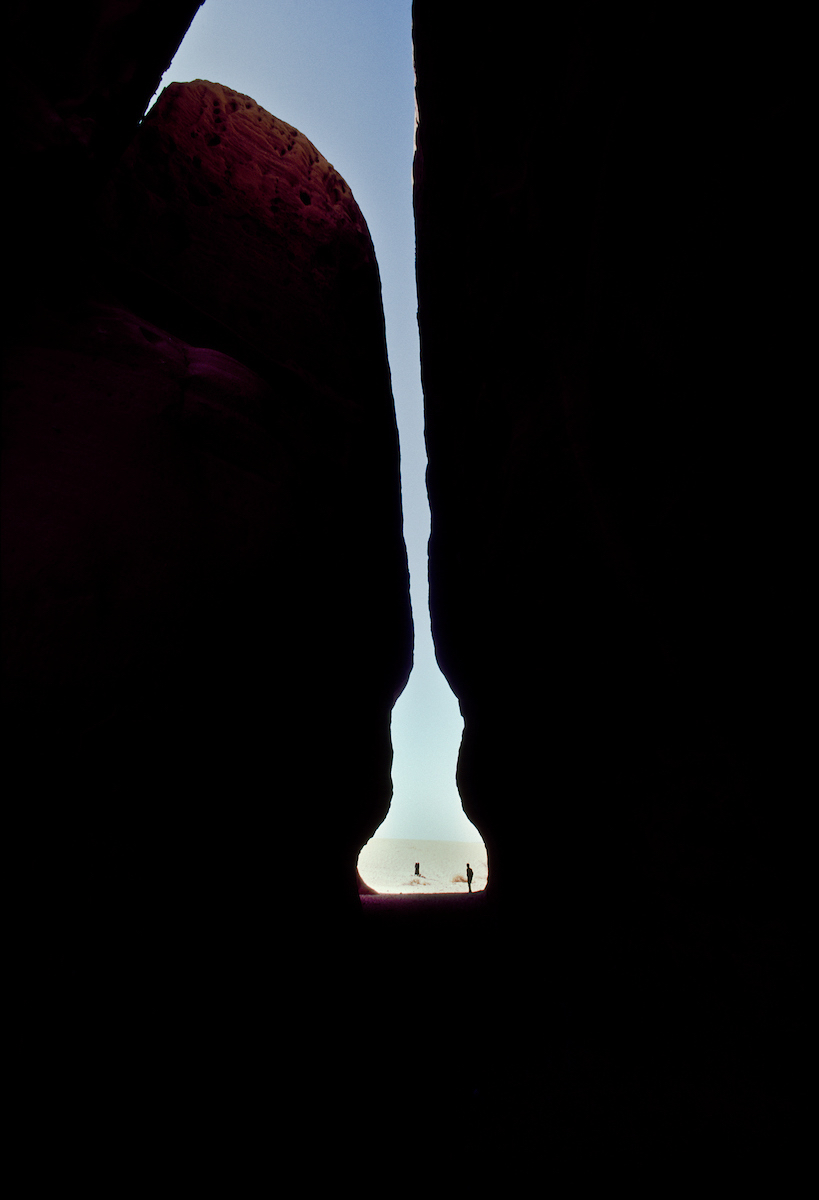
Al-Hijr, Madain Saleh the first UNESCO World Heritage Site in Saudi Arabia.

The entrance to a sacred area within the complex at Al-Hijir.  The archeological site of Al-Hijr (Madain Saleh) is the first UNESCO World Heritage Site in  Saudi Arabia.  It is a major center of the Nabataen civilization.  It is the largest Nabataen site south of Petra in Jordan.  It bears testimony to the Nabataen civilization between the 2nd and 3rd centuries BC and pre-Islamic period in the 1st century AD.

Part of the collection “Art Within Architecture” on exhibit at Eastep Photography gallery 1338 Central Avenue, Sarasota, Florida 34236


Architecture, Art, Art Gallery, artists, creativity, Culture, Design, Exhibition, Interior Design, Recent Personal Images, Saudi Arabia

Al-Hijir Art Within Architecture

Image

Yurt, Sarasota, Kazakhstan, Kazakh, Tent, Nomadic, Dwelling

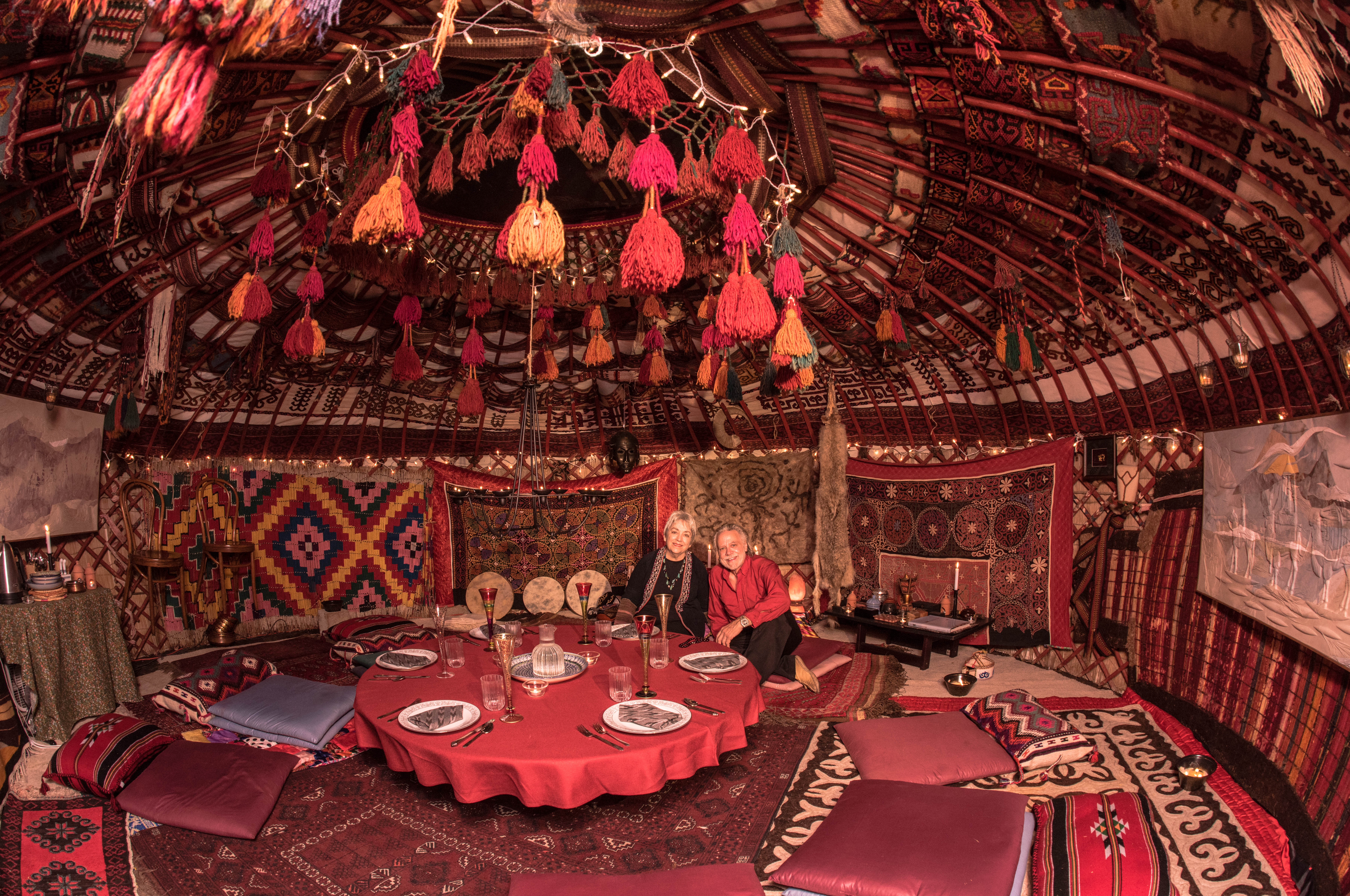
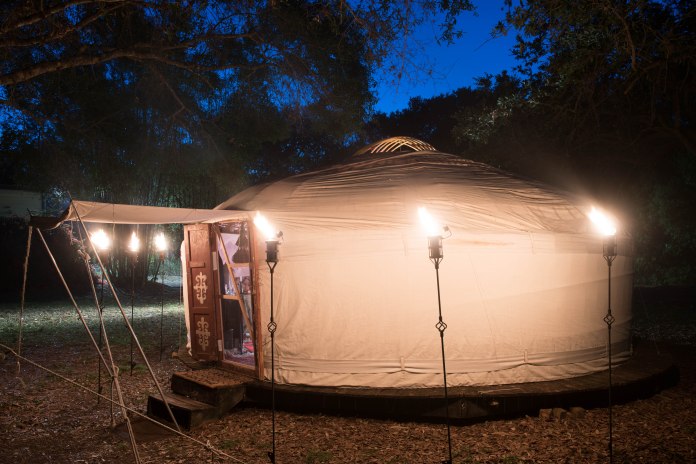
Patti and Wayne Eastep awaiting the arrival of guests to their Kazakh Yurt

Yurt, Nomadic, Tent, Kazakh, Kazakhstan, Central Asia,

Yurt from Kazakhstan in Sarasota, Florida

The June 2017 Heat Index section  of Sarasota Magazine, features a story about Patti and Wayne Eastep and the Yurt which they brought from Kazakhstan to Sarasota, Florida.  Click here to read the full story.      Story in Sarasota Magazine

Architecture, Culture, Kazakhstan, Recent Personal Images, Saudi Arabia

Story in the June 2017 issue of Sarasota Magazine about Patti and Wayne Eastep’s Kazakh Yurt.

Kazakh Yurt which Patti and Wayne Eastep brought from Kazakhstan to Sarasota, Florida.

Image

Radio interview on 95.5 WSLR. (Podcast)  Patti and Wayne Eastep share their first hand experiences living with the Bedouin the Saudi Arabia.

Bedouin, Nomadic, Nomadic Culture, AlAmrah, AlMarri, Saudi Arabia, Patti Eastep, Documentary Photography,

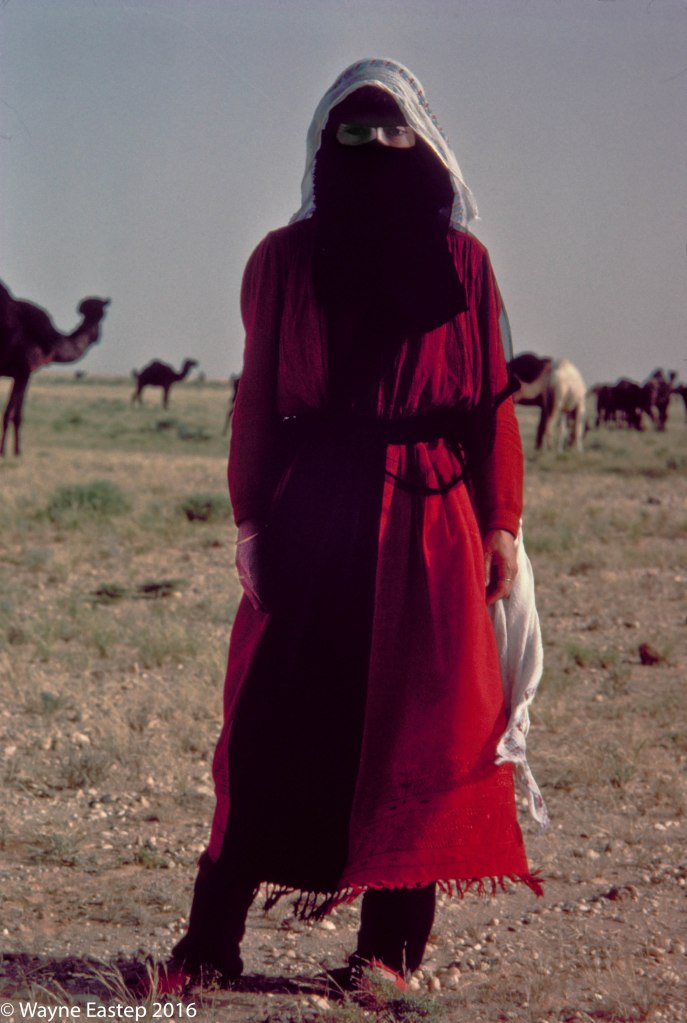
Patti Eastep in traditional Bedouin dress living with the Al Amrah clan of the Al Murrah tribe in the Dahana Sands in Saudi Arabia.

Bedouin, Nomadic, Nomadic Culture, AlAmrah, AlMarri, Saudi Arabia, Wayne Eastep, Documentary Photography,

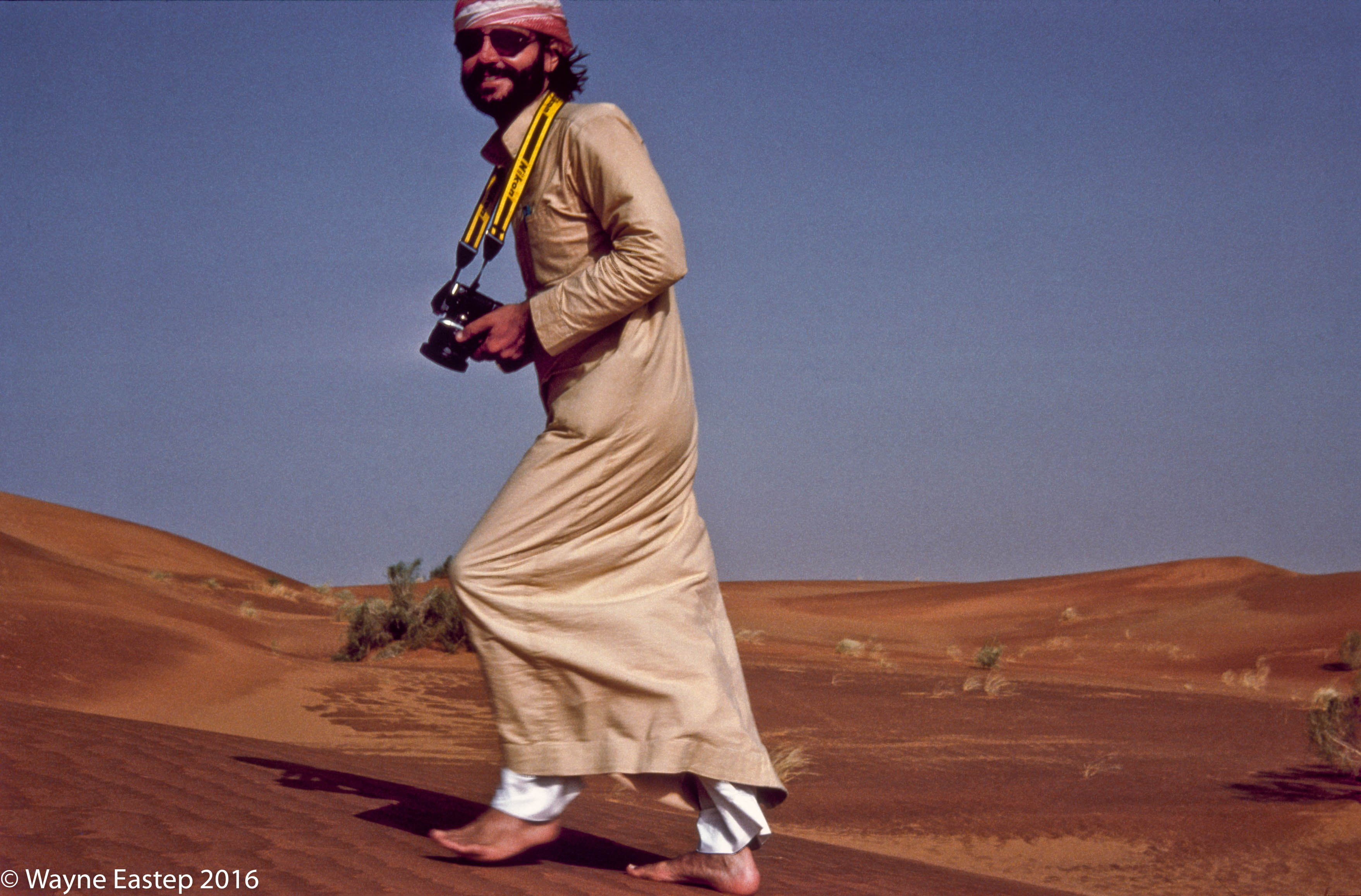
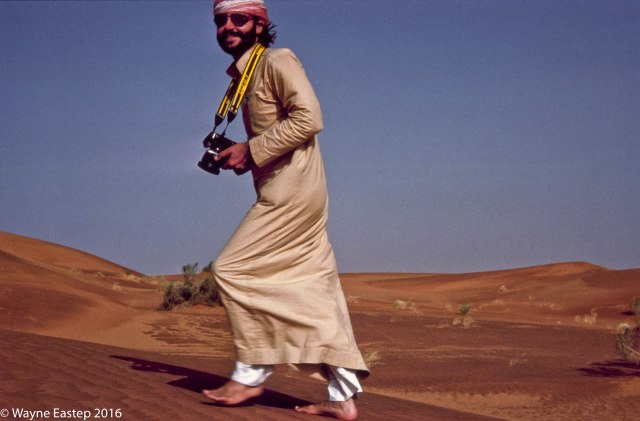
Wayne Eastep in traditional Bedouin dress photographing in Saudi Arabia.

Wayne with Shaikh Jaber of the Al Amrah, Saudi Arabia

Wayne with Sheikh Jaber of the Al Amrah, Saudi Arabia


Culture, Recent Personal Images, Saudi Arabia

Let’s Talk About The Middle East

Image

Saturday May 6, 2016 10:00 am Patti and Wayne Eastep share their experiences of living with the Al Amrah bedouin clan in Saudi Arabia.   The radio interview will air on WSLR program “Let’s Talk About The Middle East”

Bedouin, Nomadic, Nomadic Culture, AlAmrah, AlMarri, Saudi Arabia, Patti Eastep, Documentary Photography,

Patti in traditional Bedouin dress in the Saudi Arabian desert.

Bedouin, Nomadic, Nomadic Culture, AlAmrah, AlMarri, Saudi Arabia, Wayne Eastep, Documentary Photography,

Wayne Eastep in traditional Bedouin dress photographing in Saudi Arabia.

Al Amrah, Al Marri, Al Murrah, Bedouin, Bedu, Nomadic, Nomadic Tribe, Saudi Arabia, Dahana Sands, Documentary,

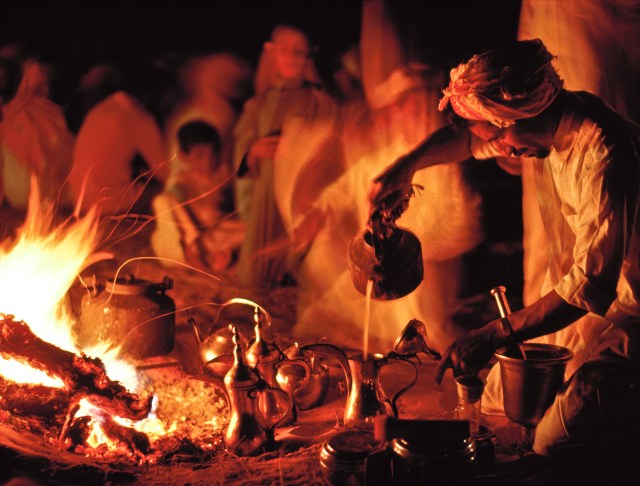
Al Amrah bedouin clan of the AL Marri Tribe preparing coffee in the Dahana Sands of Saudi Arabia.

To see more images of the Al Marri Tribe visit www.WayneEastep.com

Books by Wayne Eastep, Culture, Recent Personal Images, Saudi Arabia, Travel

Patti and Wayne Eastep experiences with the Al Amrah bedouin clan

Image

Arabia, Beauty in Nature, Blue, Central Arabia, Clouds, Landscape, Middle East, Najd, Nejd, Saudi Arabia, Sunrise, ancient land, desert, escarpment, highland region, iris in April, peaceful, plateau, solitary

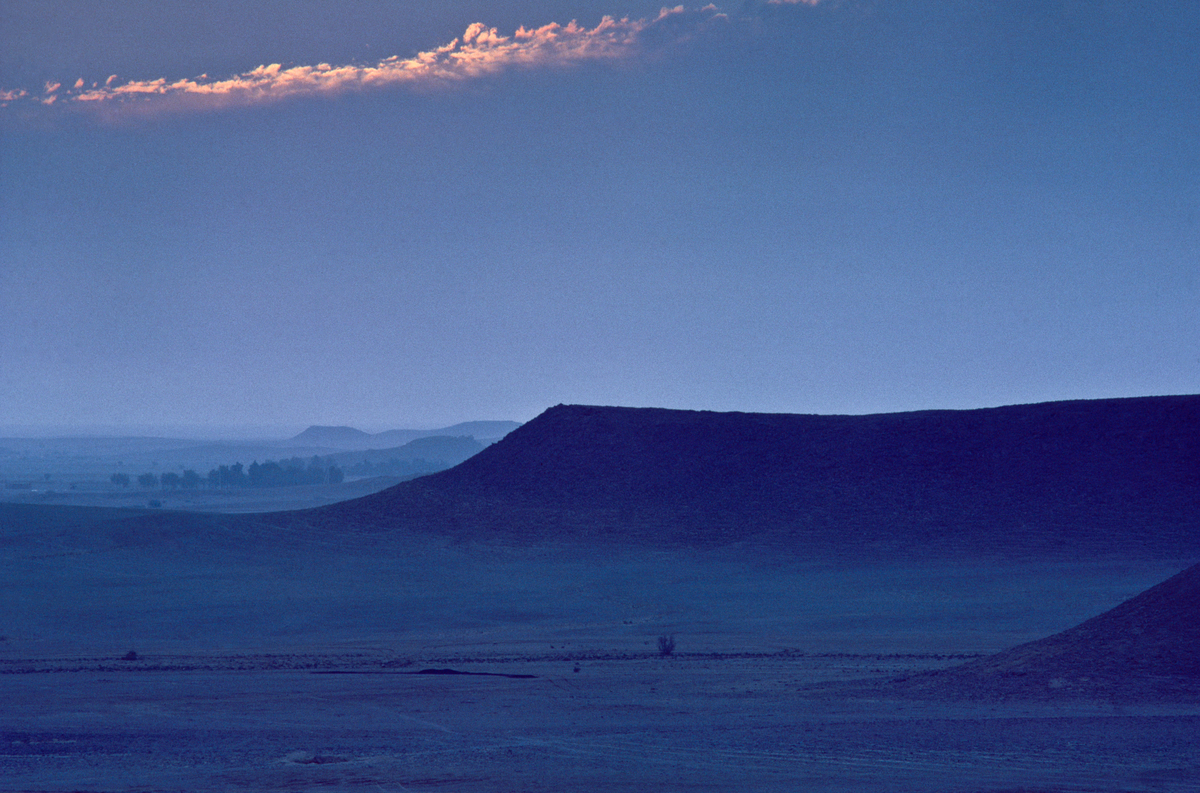
Sunrise in the Najd

Sunrise in the Najd, or “highland,” the central region of the Arabian Peninsula. 

The dromedary camel walks moving both legs on one side then the other while its body rolls side to side.  This seesaw movement can cause a storage bag to rub against the camels body developing  a hole.  As best I can tell this is what most likely took place on one of the caravans crossing the Arabian desert.

Numerous caravan routes criss crossed Arabia.  This image is of one traversing the  Najd in central Saudi Arabia.  Along this ancient trade route a hole wore into a bag carrying iris bulbs.  The seesaw movement of the camel deposited bulbs along the desert floor.  Wind blew sand over the bulbs and they lay dormant until in the spring the winter rains enable the iris to bloom.

To buy a print and see more images visit EastepPhotography.com

Art, Culture, Design, Interior Design, Nature, Recent Personal Images, Saudi Arabia, Travel

Gift of the Caravans

Image
Art, Culture, Saudi Arabia, Travel

Color Beyond Description

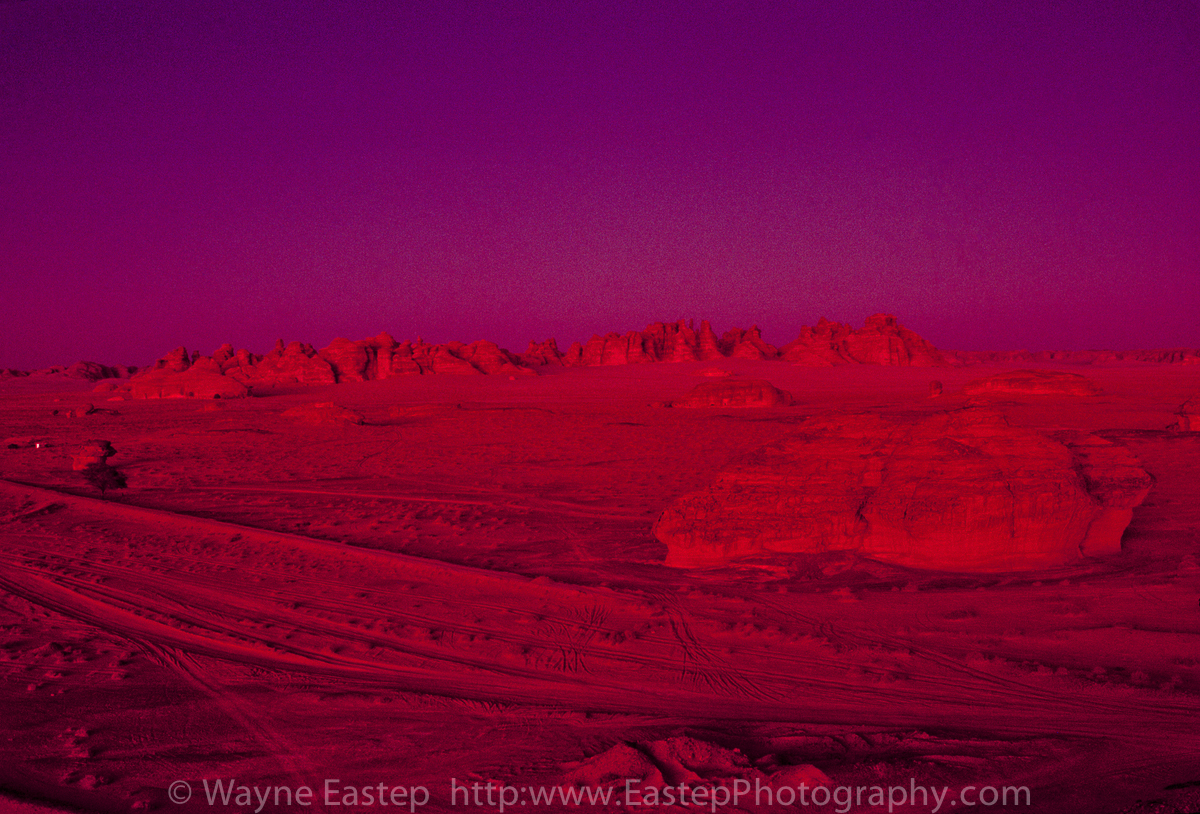
Mada'in Saleh, the historical site of a Nabataen trading center, northern Saudi Arabia

Mada’in Saleh, the historical site of a Nabatean trading center, northern Saudi Arabia

Photography has reached a strange place when I have to explain that “yes, that was the true color” and NO I did not create this in Photoshop, yikes!

The place I made this picture is Mada’in Saleh the historical site of a Nabatean trading center in north-west Saudi Arabia.  These folks were part of a group whose capital was Petra in modern-day Jordan.  It is also the place the Ottomans had a railroad depot which T.E. Lawrence destroyed.  It is now a UNESCO World Heritage Site.

I made this image as part of a  feature story of archeology  for Smithsonian magazine. There are two reasons the color is other worldly.  The first is the light in Arabia gets this way sometimes, that’s all I know.  The second reason is I used a rare film Kodachrome Photomicrography which had insane saturation and detail.  The ASA is 16.  I did not add any color, the film simply  recorded everything that was there.

To see more images from this story visit Eastep Image Archive @ www.EastepPhotography.com 

Standard