I hear and I forget, I do and I understand, I see and I remember
Tag Archives: Kazakhstan
Series: Floral Essence #7 Feather Grasses
Feather grasses growing on the Steppes of Kazakhstan
Feather Grasses, like these near Sergeyevka, Kazakhstan, have grown for millennia in the thin topsoil of the Steppes; some varieties are now scarce or endangered species. The Steppes were covered in this ideal pasturage prior to the Soviets’ misguided Virgin Land Reclamation policy of the 1950s, under which nearly 25 million hectares (approximately 62 million acres) of the northern Steppes were plowed to plant wheat.
The feather grasses provide nutrition for horses, cattle, sheep and goats, ensuring a sustainable food source for nomads.
The sea of grasses move in waves with the wind, nurturing a soul that’s living in relationship with nature.
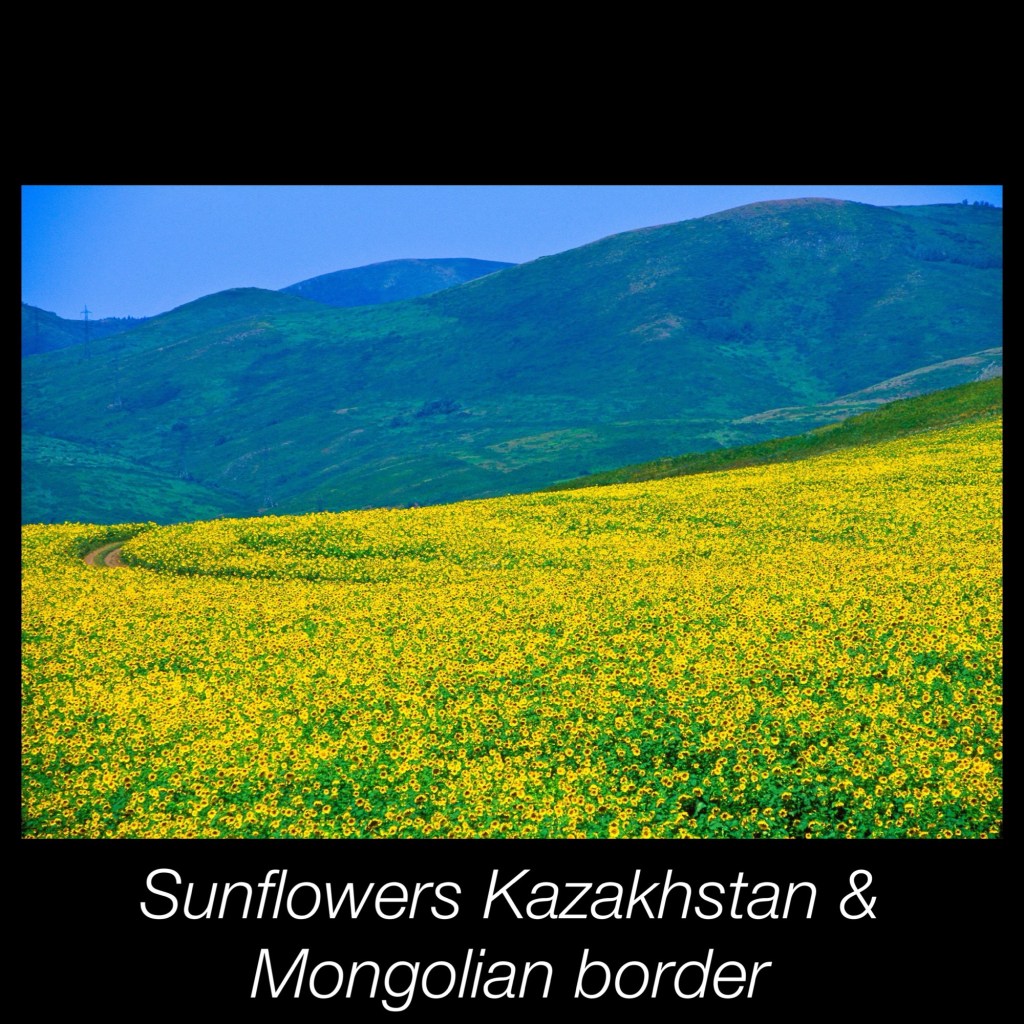
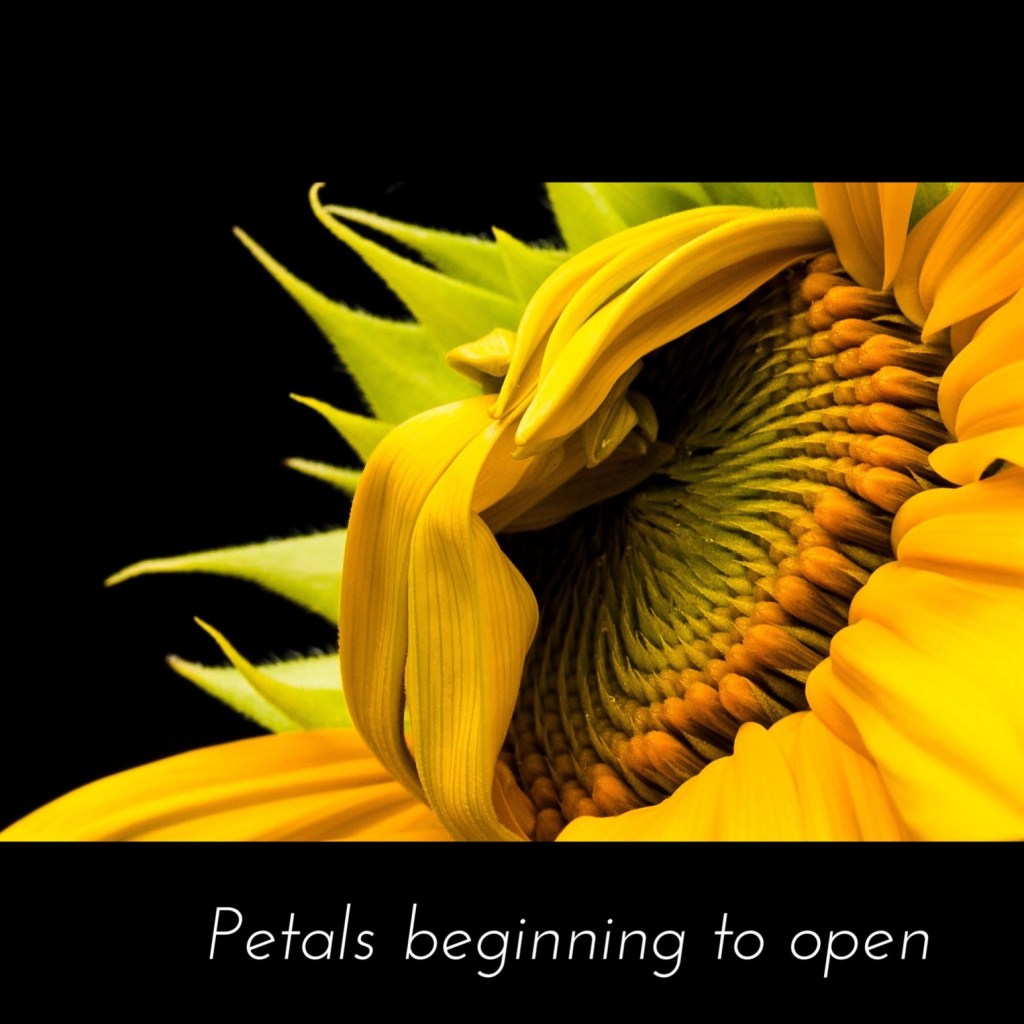
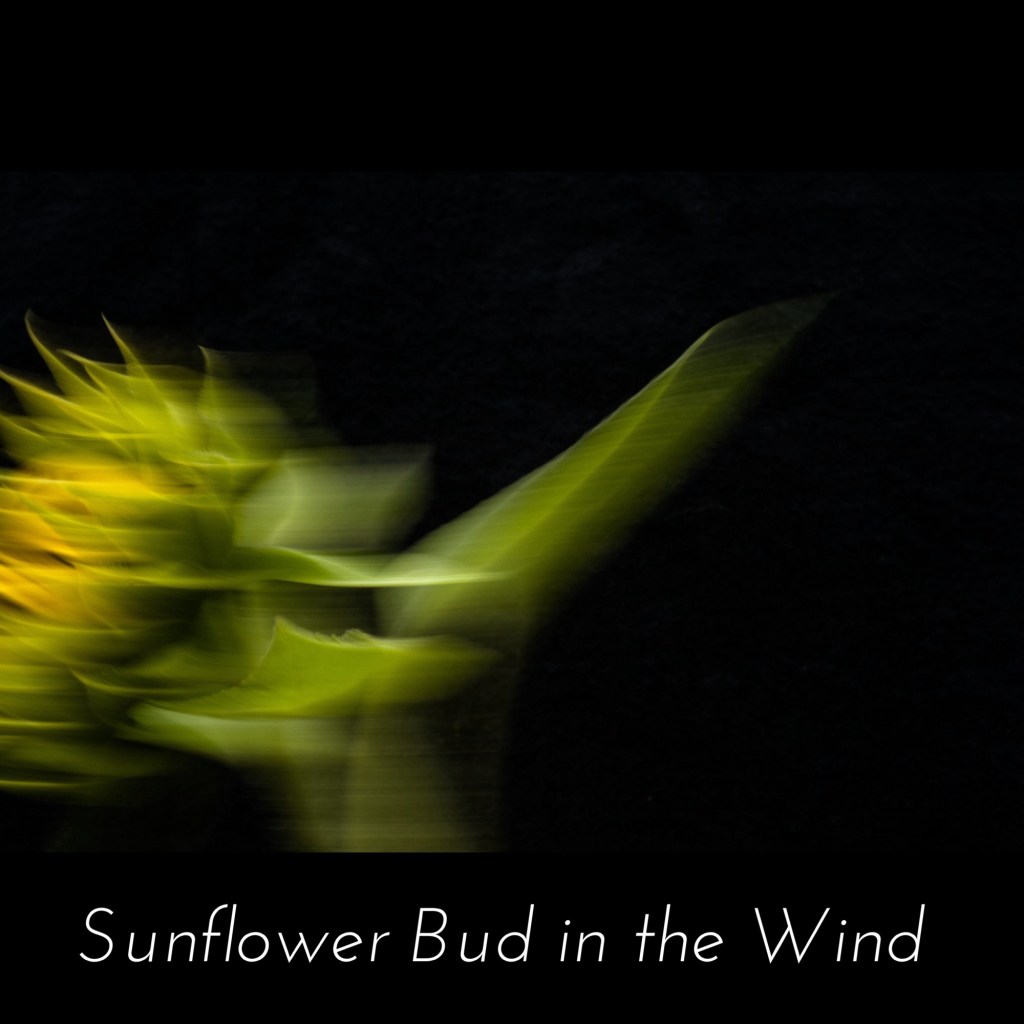
As we were driving along the border of Kazakhstan toward Mongolia, we crested a hill. The field in front of us, all the way to the horizon, was filled with sunflowers as far as the eye could see. I had our fixer pull over. I got out of the jeep, went into the field, and made a series of images of the golden carpet of sunflowers in full bloom. It knocked me out!
Over the next couple of years, the magnificence of those sunflowers remained alive in my memory.
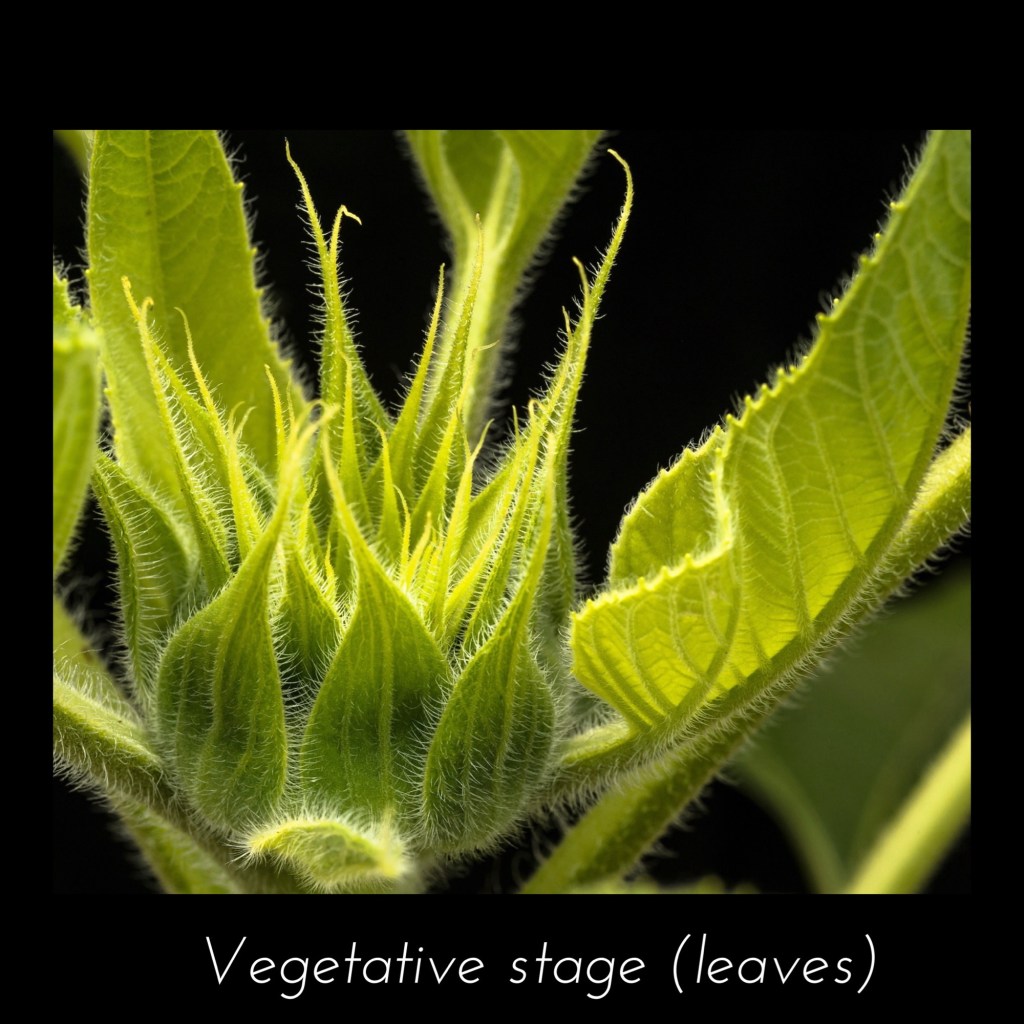
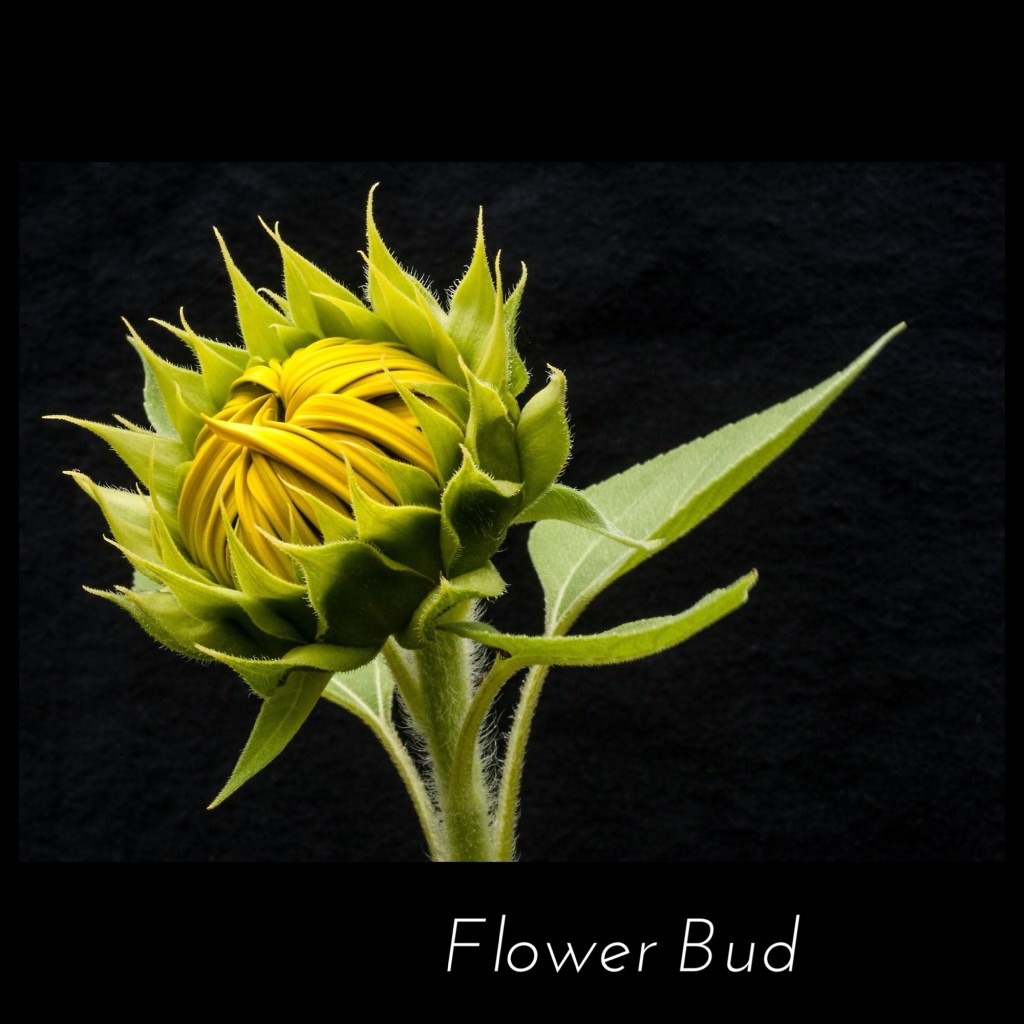
I wanted to learn more about sunflowers. My curiosity was not just about the beauty of their bright blossoms, but what they were all about. I ordered mammoth sunflower seeds, planted the seeds in a circle in my yard, waited, and watched. Over three months, I photographed the stages of growth from seedlings to decline. What I observed increased my appreciation for their beauty but raised even more questions.
Why did every flower develop a similar spiral pattern? Why were the seeds packed in so tightly and at an angle? My research revealed many connections between nature, mathematics, philosophy, and the rich history of intellectual inquiry — more on that in a later post.
The short-form answer to my questions is that the spiral pattern and the angle of the seeds in the sunflower represent the most efficient way to pack seeds in space and ensure reproductive success. The spirals are called “golden spirals,” reflecting Fibonacci numbers. The elegant angle of the seeds to each other aligns with the “golden angle’’. The pattern of the seeds in the sunflower represents what, in mathematics and aesthetics, can be called beauty — more on that in a future post. Leonardo Da Vinci described this phenomenon, which can also be seen in hurricanes, galaxies, pinecones, and pineapples, as the “Divine Proportions”.
One day, when the flowers were reaching maturity, I watched a pair of wild Brazilian Green Parrots as they fed on the seeds. The two parrots took up positions next to each other on two sunflowers. While one ate, the other stood guard, watching for any threat. After a while, they switched roles. The one guarding then ate, and the other provided protection.
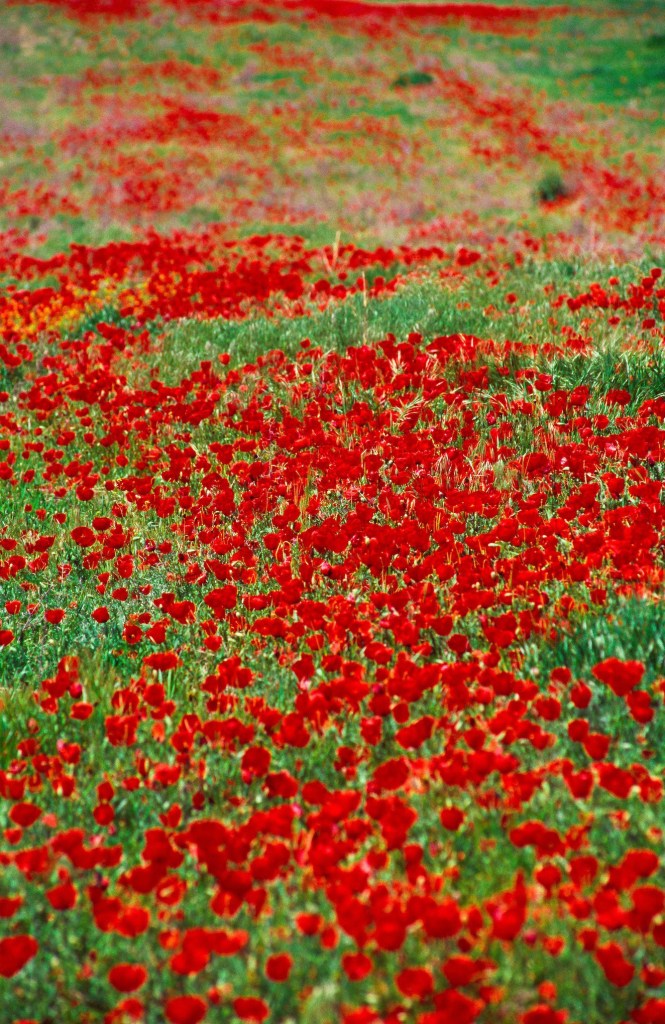
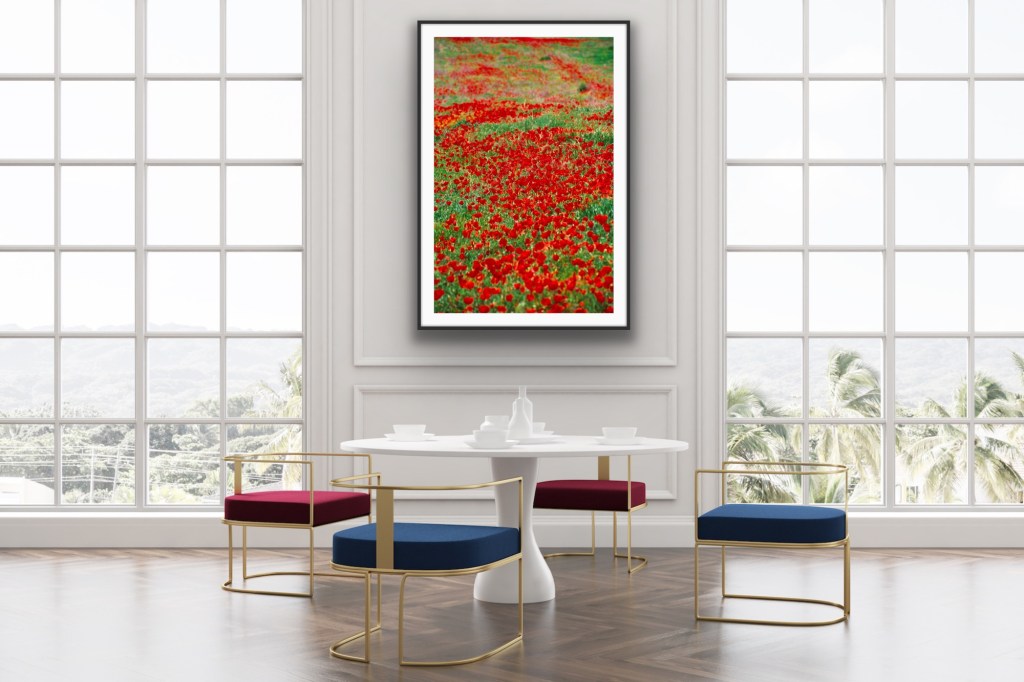
Kazakh artists have appropriated the color red as a symbol for the vitality of life in their traditional art for millennia. This field of red poppies is in Ordabasy, Kazakhstan the place where the three major Juz or tribes came together to unify Kazakhstan in 1726 under the leadership of Abulkhair.
Happy winter solstice. The long days of darkness have passed. Now each day will bring more light and in time new life; grapes for wine, fresh arugula for salads, wheat for bread, raspberries for dessert…..
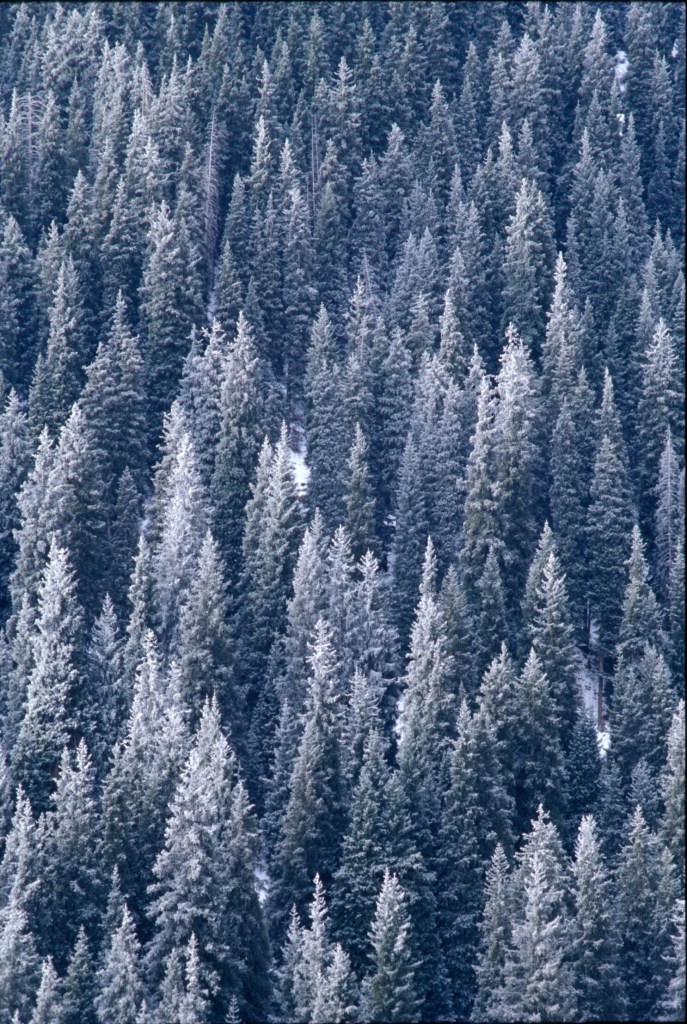
Fir tree in the Tien Shan mountains of Kazakhstan.
I turn to nature and celebrate the life and abundance that the light gives us. I hope to use each day to cultivate love, harmony, and beauty.
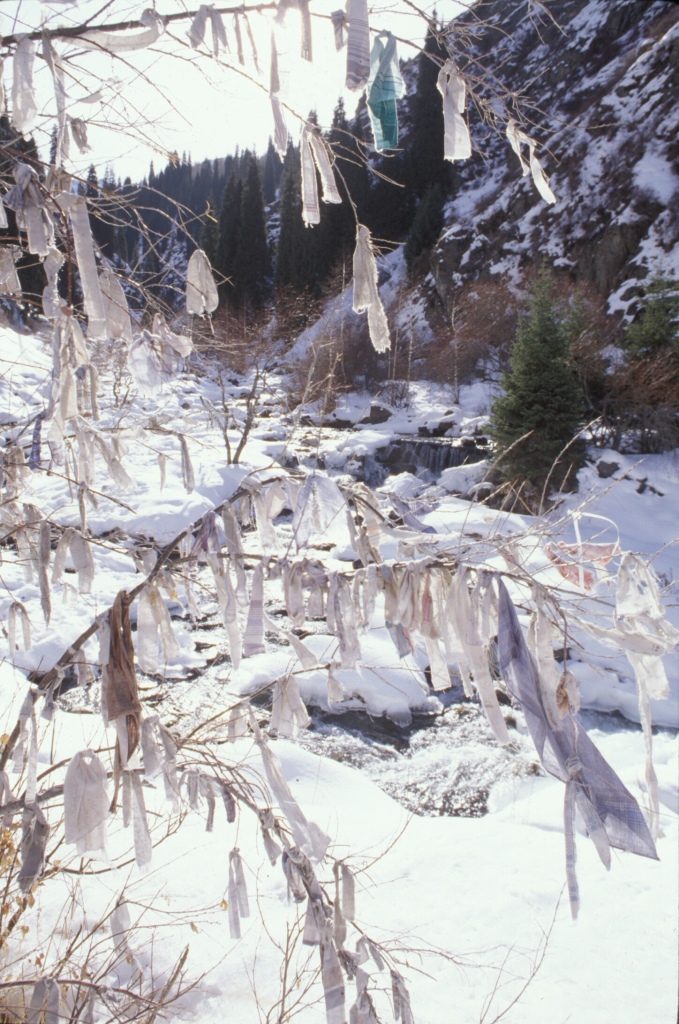
Prayer cloths on a tree by a mountain stream in Kazakhstan.
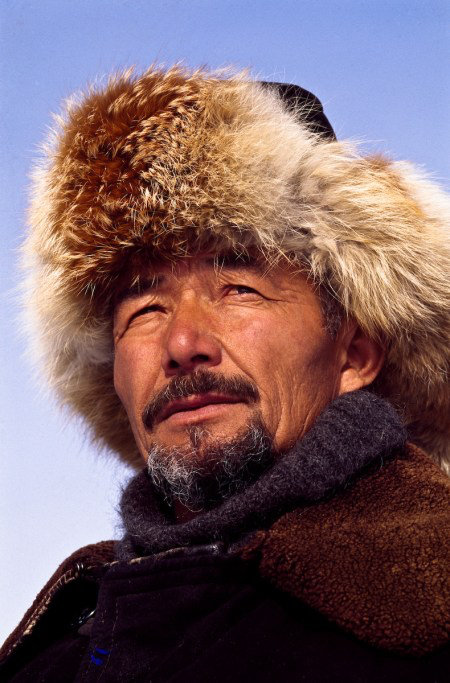
Turlybayev Abulkhak, Master hunter with Golden Eagles, Kazakhstan.
Persona
A portrait should representyour likeness and evoke your emotional energy.
That is my goal when making your portrait.
Ithink of your portrait as being an image representing the outside and inside of you.A single image if made with focus and connection can be a true representation of your persona. However, no manner how successful the single image is it will not represent the whole truth of who you are because you are way too complex.At the moment the photograph is made you may be open and the still image can communicate that openness.You may also be quiet, cautious, and have wit, chances are the single picture will not communicate all of those aspects of your persona.When making your portrait I will guide you to being present in the moment and not get concerned about trying to show all the aspects of your persona.Let’s be satisfied with getting one image that reflects who you are.
When you open your spirit and allow your energy to move and I focus my attention and spirit we can connect in 125th of a second to create an image that communicates your persona.
My Portrait Studio is located in downtown Sarasota at 1338 Central Avenue, Sarasota, FL 34236.I’ve put a lot of intention into creating a space that is warm, comfortable and safe with the goal that you will feel good about having your portrait made.I look forward to working with you to “capture” your persona.
To schedule a time to makeyour portrait contact me; WayneEastep@Gmail.comor call 917.675.0640.
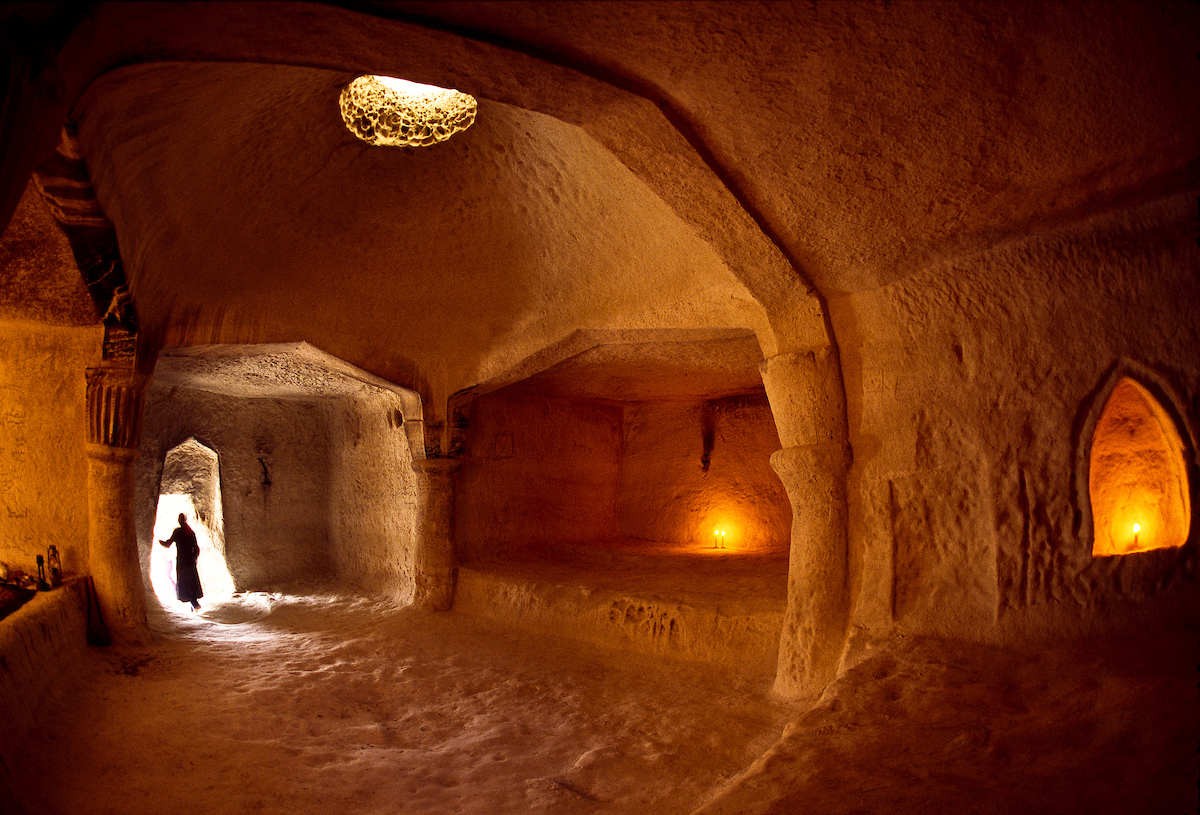
I traveled 3,295 km (2,047 miles) from Almaty, Kazakhstan to the edge of the Caspian sea to make this image of an ancient Zoroastrian temple. The rituals are no longer practiced there so I brought candles to light the inside and show respect for their practice of using fire as a focal point of Zoroastrian rituals.
“Zoroastrian places of worship are sometimes called fire temples. Each fire temple contains an altar with an eternal flame that burns continuously and is never extinguished.”
Zoroastrianism is one of the world’s oldest monotheistic religions. It was founded by the Prophet Zoroaster (or Zarathustra) in ancient Iran approximately 3500 years ago.
For 1000 years Zoroastrianism was one of the most powerful religions in the world. It was the official religion of Persia (Iran) from 600 BCE to 650 CE.
While I was making this image a woman appeared at the entrance, came in and announced that she and her family were there to honor a relative who had died and was buried nearby in what the Kazakh’s call “the city of the dead”. She invited me to join them in honoring her relative. She turned and walked out.
A print of this image will be shown this Saturday, June 30, 2018, 11 am to 4 pm as part of an exhibit exploring the concept of “Art within Architecture”.
Eastep Photography Gallery, 1338 Central Avenue, Sarasota Florida 34236.
If you are unable to come to the studio Saturday but would like to buy a print contact me about sizes and prices: WayneEastep@gmail.com
Muqarnas, interior detail within the Khawaja Akmed Yesevi mosque, Turkestan, Kazakhstan
One of Central Asia’s largest domed mosques honors Khawaja Akmed Yesevi, the 12th-century Sufi mystic whose poetry and writings had a tremendous impact throughout that part of the world. It was commissioned in 1390 by Tamerlane, the Turkic conqueror, to honor Yesevi and serve as his mausoleum. The mosque was built in eight independent sections, which has helped it survive numerous earthquakes. the building measures 47.5 x 65.6 meters (152 x 215). Its walls are 2 meters (6.5 feet) thick and the central hall walls are 3 meters (10 feet) thick. The dome is 37.5 meters (123 feet) high and 18.2 meters (60 feet) in diameter. These elegant niche-like decorations just below the mausoleum’s dome are known as Muqarnas. They are an Islamic invention that reached a zenith around the 13th century. the delicate and soaring designs evoke Yesevi’s transcendent and complex poetry as well as the mystical ideas of Sufism. It is located in Turkestan in southern Kazakhstan.
This image will is part of the collection “Art Within Architecture” on exhibit during my open studio at Art Central this Saturday, June 30, 2018, 11 am to 4 pm.
If you’re unable to come to the opening on Saturday feel free to contact me to set up a time to come by and see the prints. If you’re out of town but would like to buy a print write me about sizes and prices.
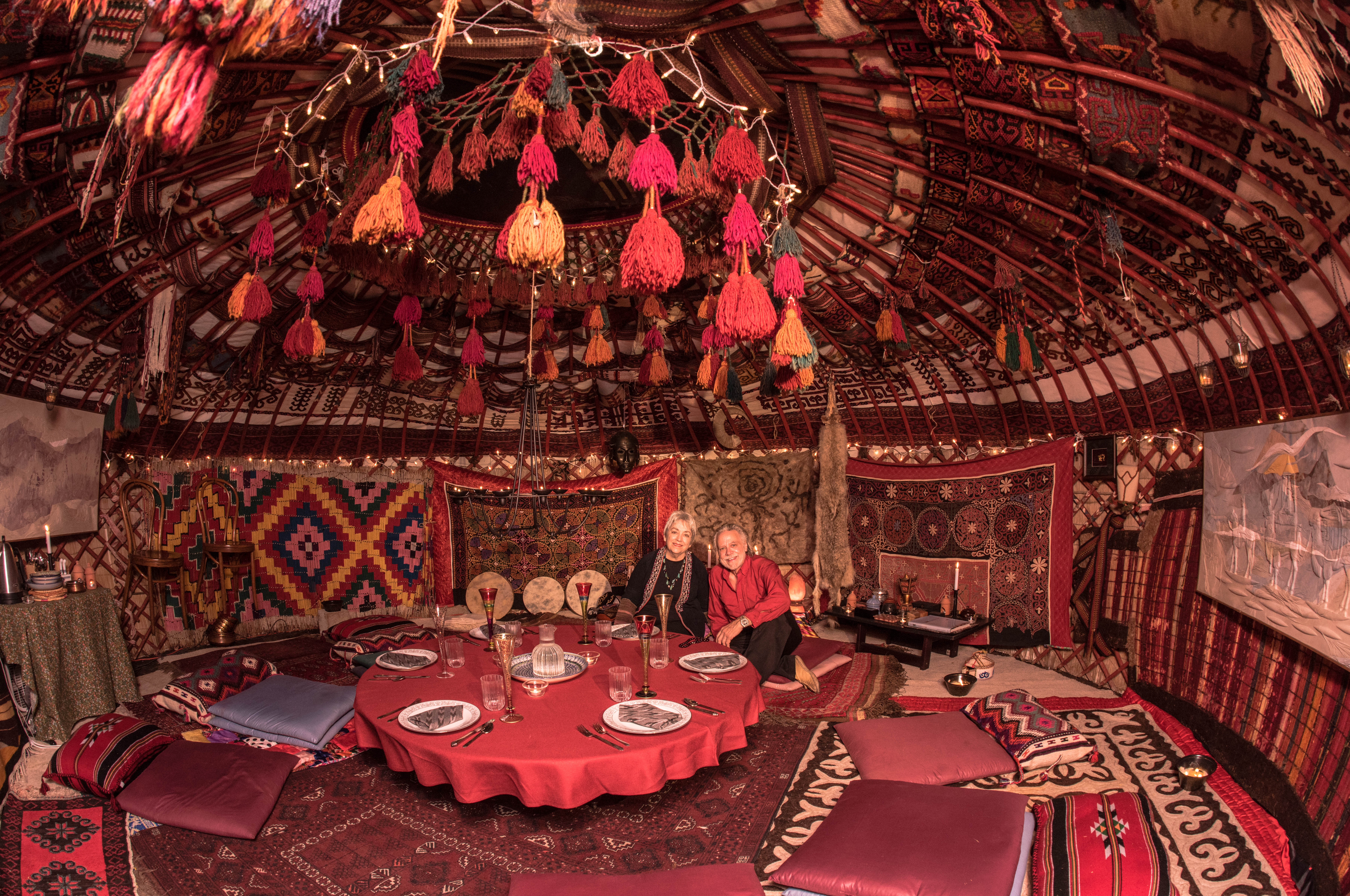
Patti and Wayne Eastep awaiting the arrival of guests to their Kazakh Yurt
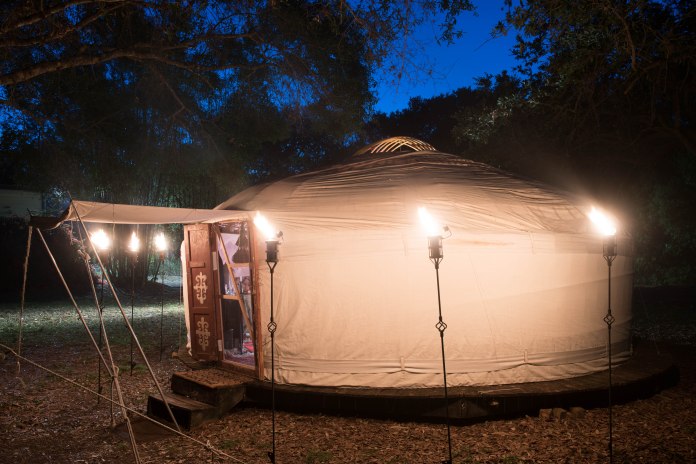
Yurt from Kazakhstan in Sarasota, Florida
The June 2017 Heat Index section of Sarasota Magazine, features a story about Patti and Wayne Eastep and the Yurt which they brought from Kazakhstan to Sarasota, Florida. Click here to read the full story. Story in Sarasota Magazine
Kazakhstan is dotted with 48,000 lakes, many small like this mirror-surfaced one at Ush-Konyr near Fabrichny
Lake Ush-Konyr is a one of my favorite places with no power lines in sight, silent and serene. Kazakhs consider lakes the eyes of the sky.
Kazakhstan is a place of irony. Some of the worst man-made disasters; Aral Sea and Polygon have occurred in Kazakhstan. Some of the most beautiful and pristine places on earth are to be found in Kazakhstan.
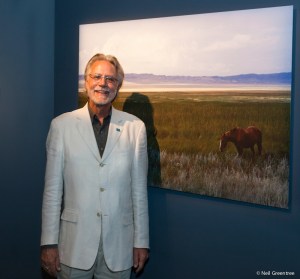
Wayne Eastep standing by his photograph of the Tien Shan mountain range in Kazakhstan. The Tien Shan are also know as the “Celestial Mountains.” The print is at the entrance to the exhibit “Nomads and Networks” at the Freer | Sackler Galleries of the Smithsonian, Washington, D.C.
Documentary photographer Wayne Eastep next to his print of a Steppe horse in the steppes of southern Kazakhstan. The print is part of the “Nomads & Networks” exhibit at the Arthur Sackler Gallery at the Smithsonian in Washington, D.C.
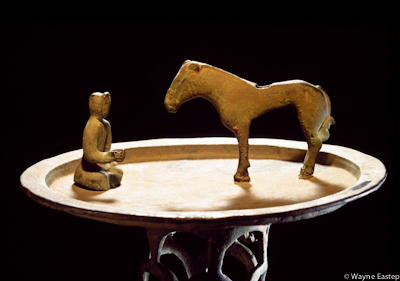
This small, sacred bronze-cast Lampion was used to burn oil and incense. A squatting horseman wears a caftan and helmet-like hat. A moveable horse figure with a bridle and plaited mane has a hole in its back for a candle or a torch. The dish is 25.5 centimeters (10 inches) in diameter and 18 centimeters (7 inches) high. It dates from the 4th to 3rd centuries B.C.
This headband of gold from the 2nd century B.C. is inlaid with Turquoise, Amandine and carved wood. Called the Kargalin Diadem, it was found in the grave of a Shaman believed to be Female. It is decorated with animals, and the central portion, which has been lost, is believed to be a tree of life. It was discovered in the mountains at Kargalin at an altitude of 2,500 meters (8,200 feet). Central State Museum, Almaty, Kazakhstan
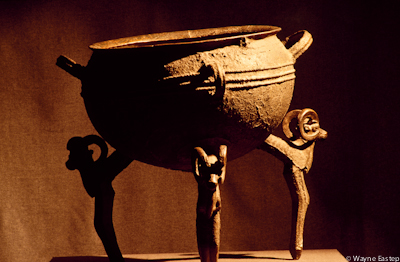
This cast copper cauldron with ram’s head legs dated from the 5th to 3rd centuries B.C. it was found in 1912 in the Semirechye area. It stands 58.5 centimeters high (23 inches). It is 31.5 centimeters (12 inches) deep and 52 centimeters (20 inches) in diameter. Cauldrons such as this werer used to cook the meat of sacrificial animals, or at the start of seasonal events such as the spring festival of Nauriz. Central State Museum, Almaty, Kazkhstan













 wayne eastep's blog