I hear and I forget, I do and I understand, I see and I remember
Category Archives: Nature
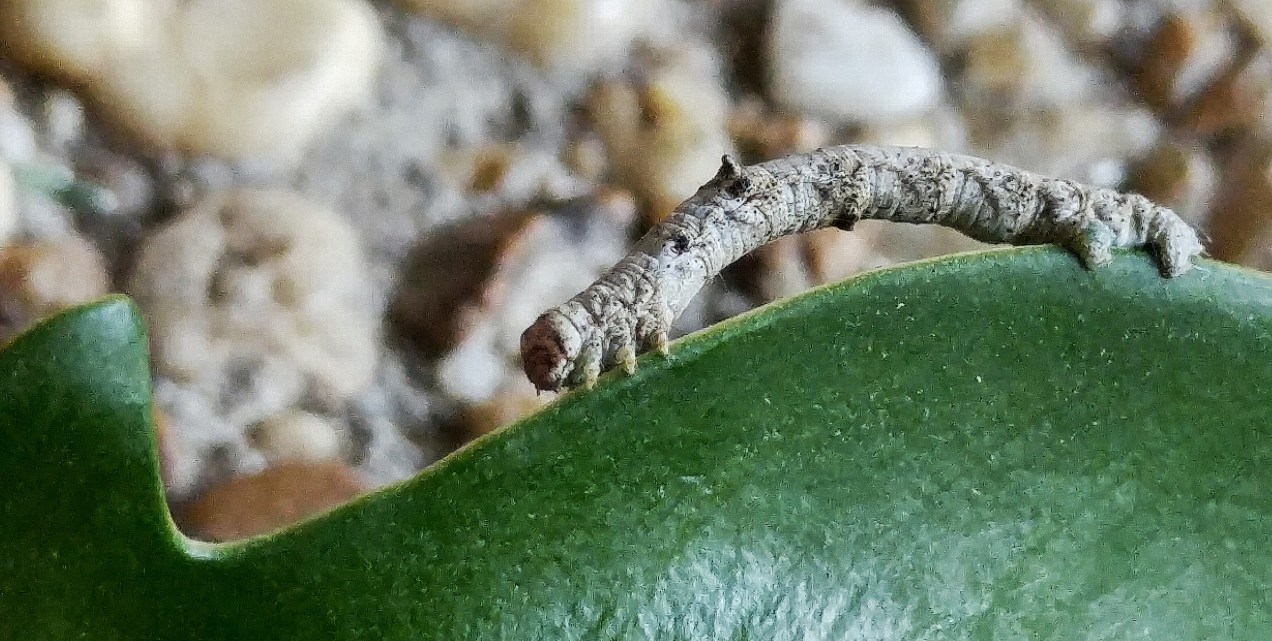
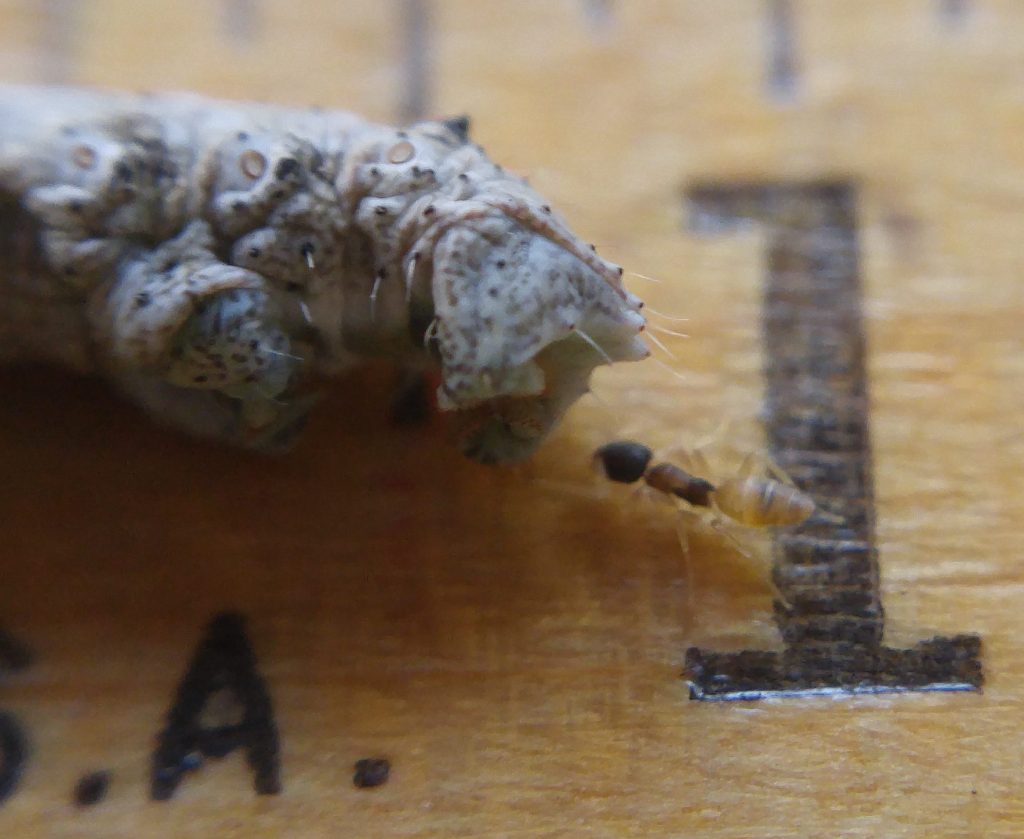
I looked down at the edge of the driveway and noticed an inch worm making its’ way into the dirt. When I examined it I wondered, is an inchworm really an inch long? When I placed it on a ruler I saw it was three-quarters of an inch, at least this one was. As I photographed the inchworm it lay still and looked more like a twig, a rather effective camouflage. Enjoy the up close and personal look at this intriguing tiny creature.
Inchworms are classified in the phylum Arthropoda, class Insecta, order Lepidoptera, family Geometridae.
Inchworms lack appendages in the middle portion of their body, causing them to have a characteristic looping gait. They are also called loopers.
This inchworm proved to be three-quarters of an inch. It was very effective at looking like a twig.
Seems animals and insects, like humans, cannot resist getting into each other’s business.
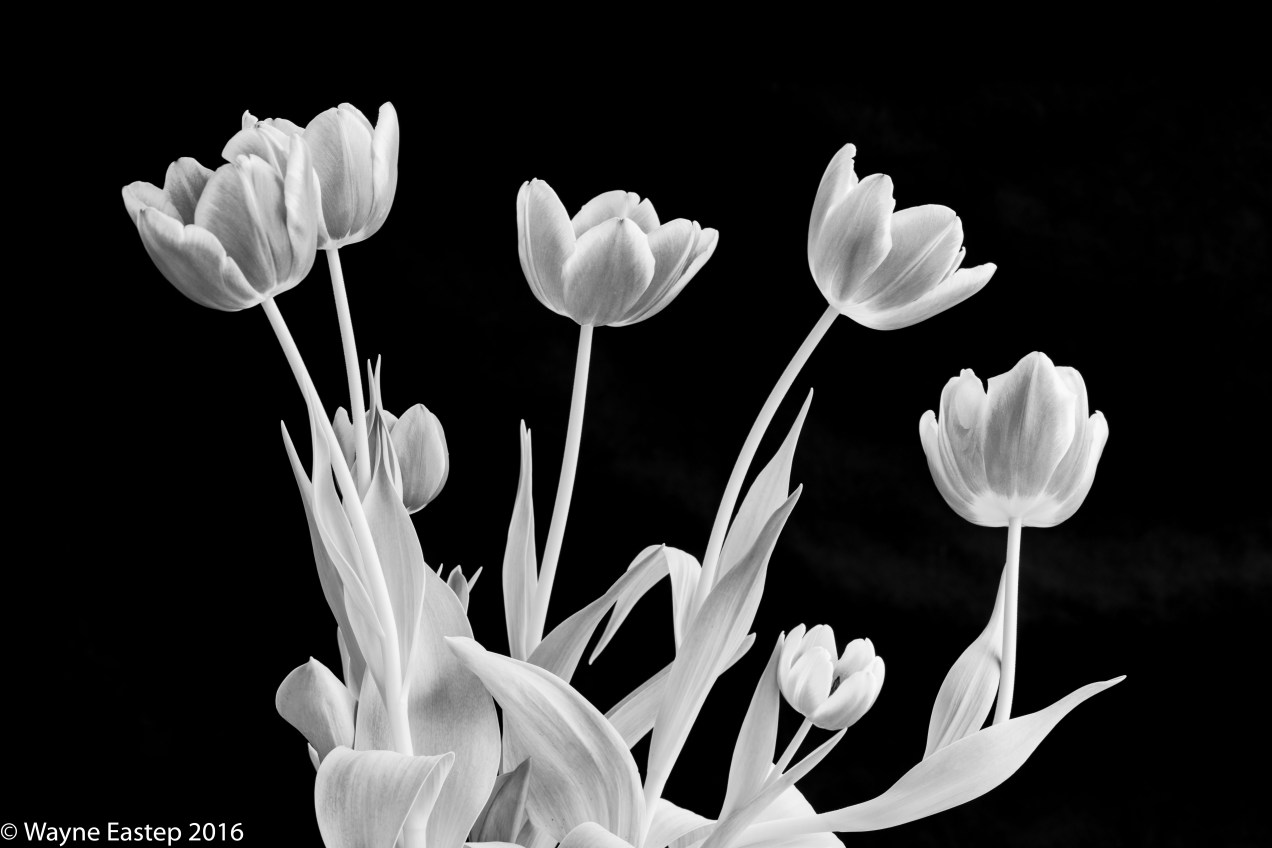
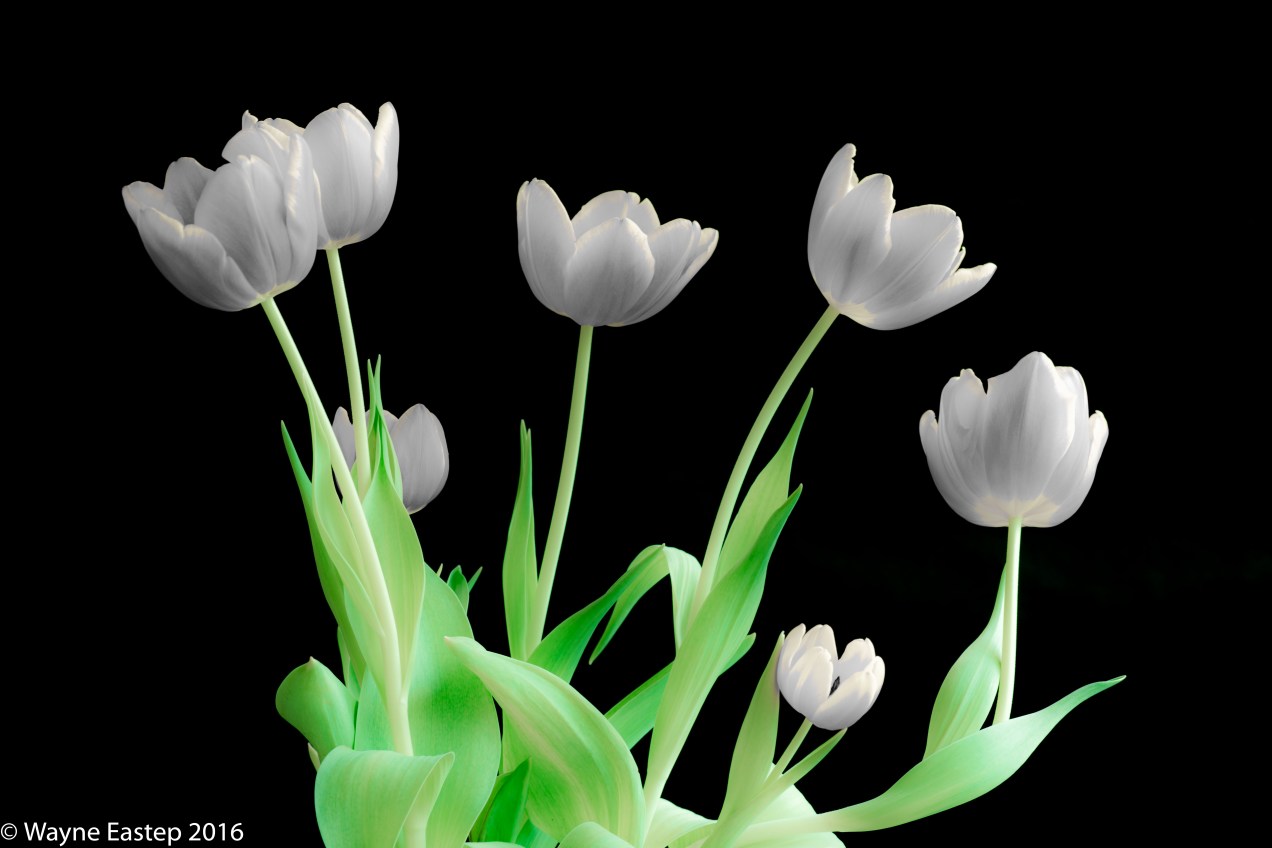
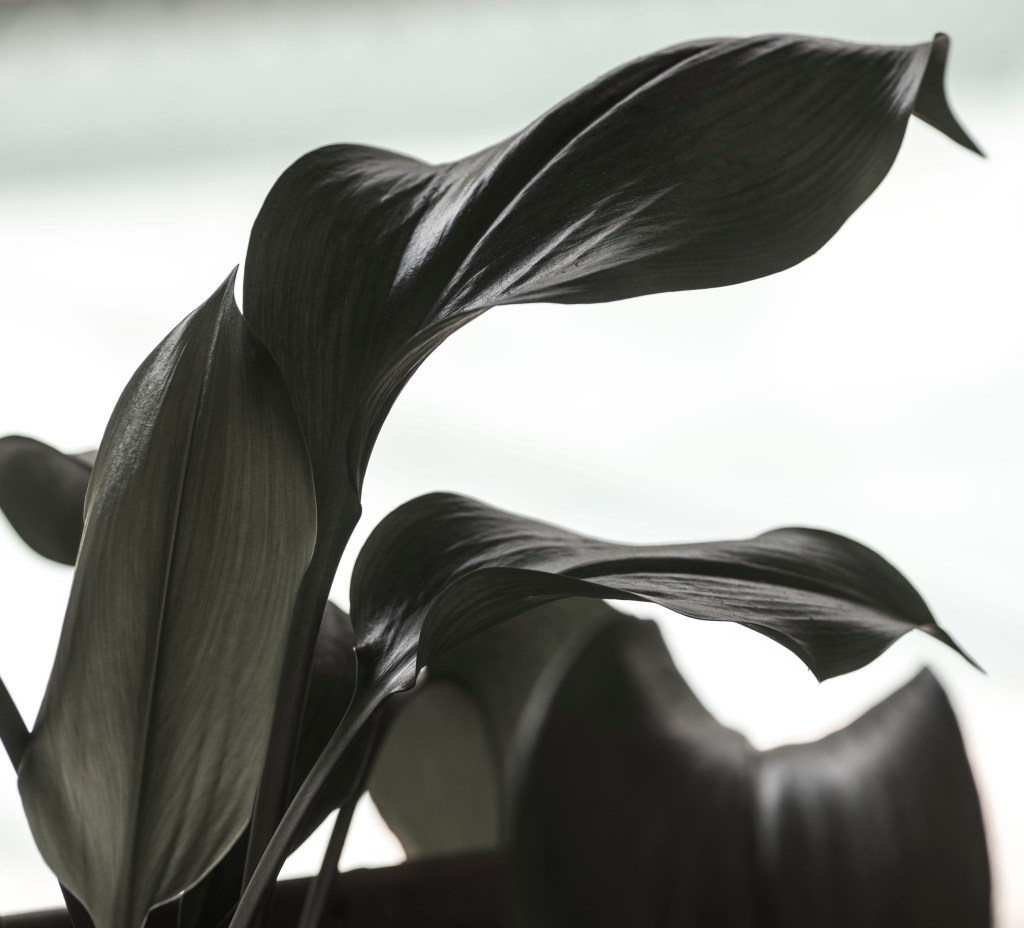
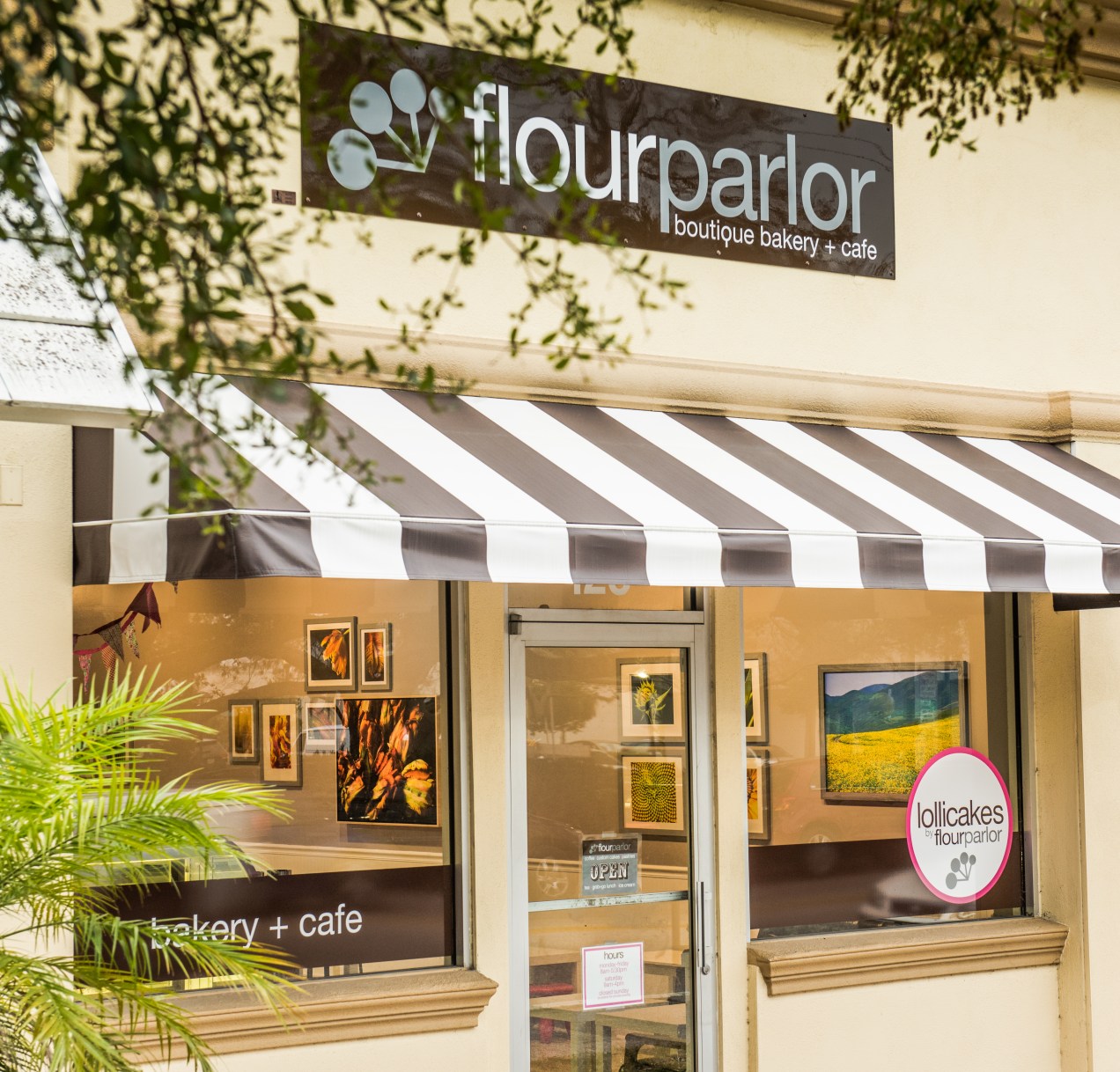
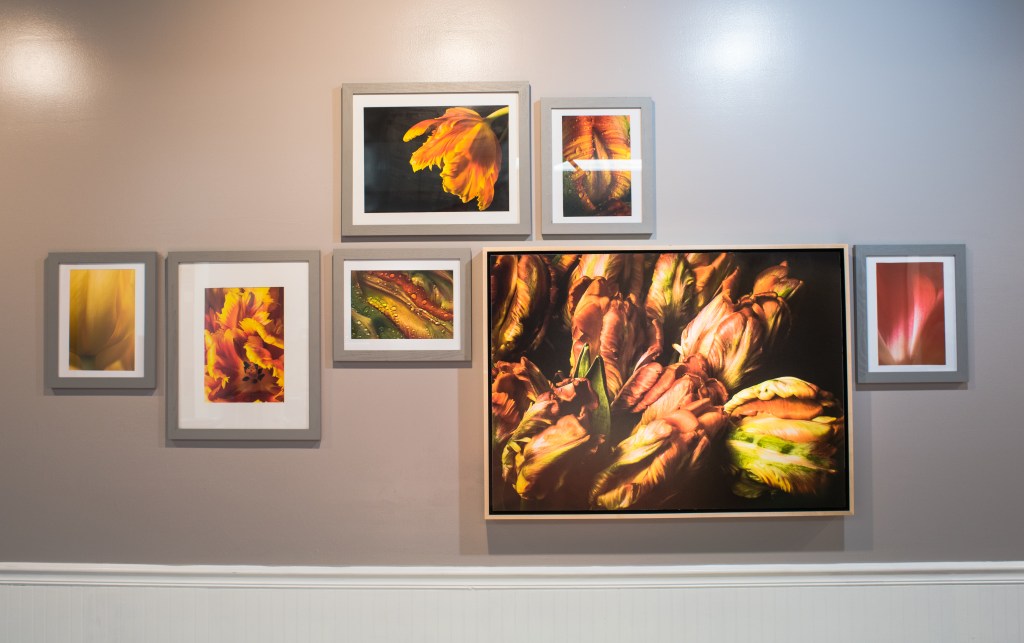
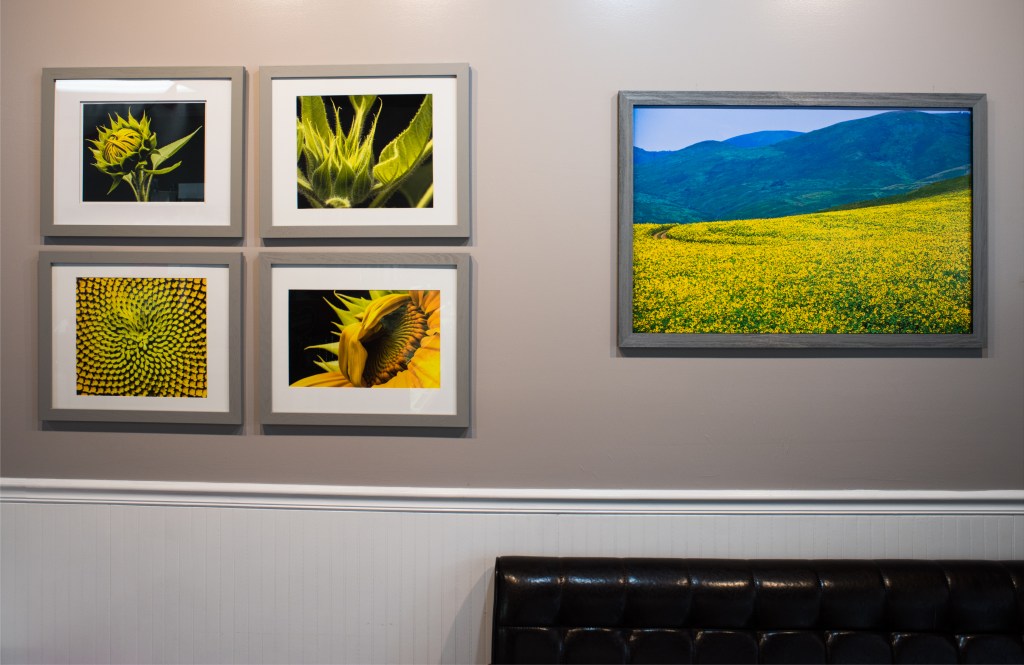
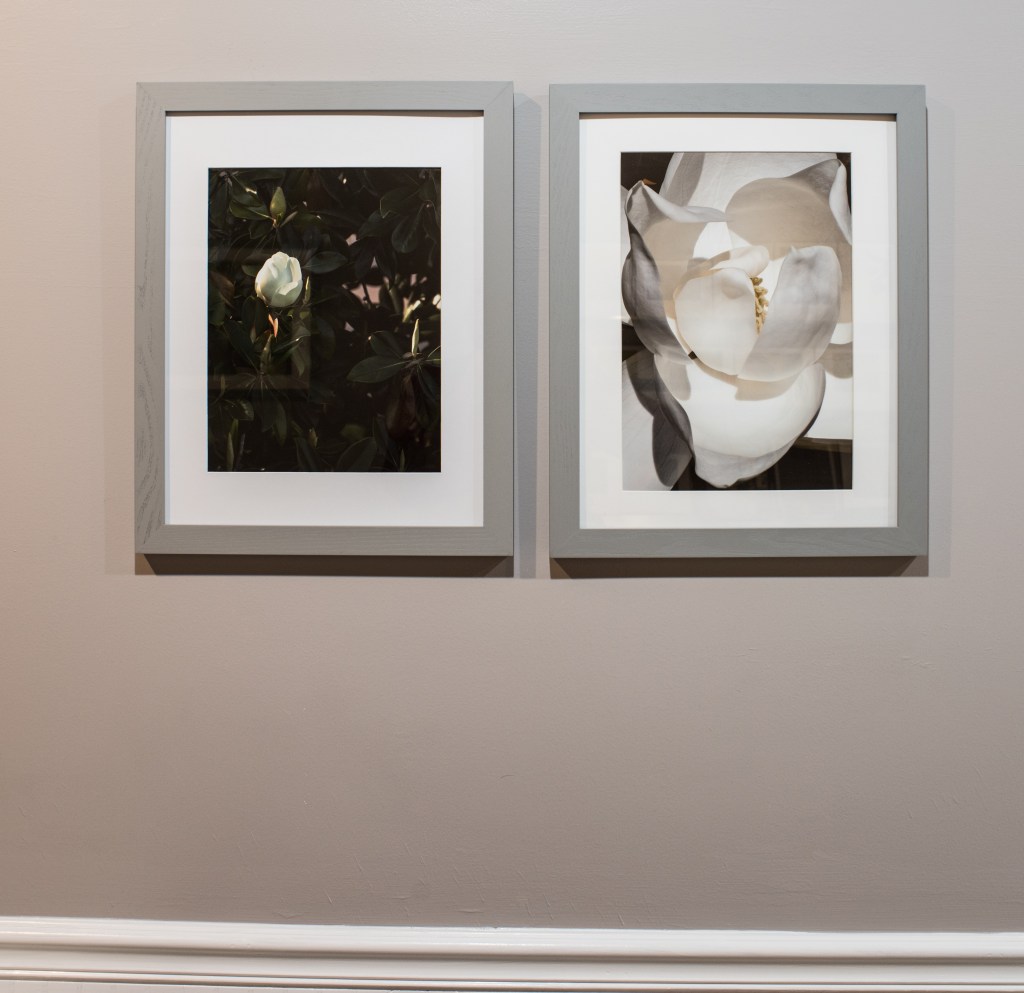
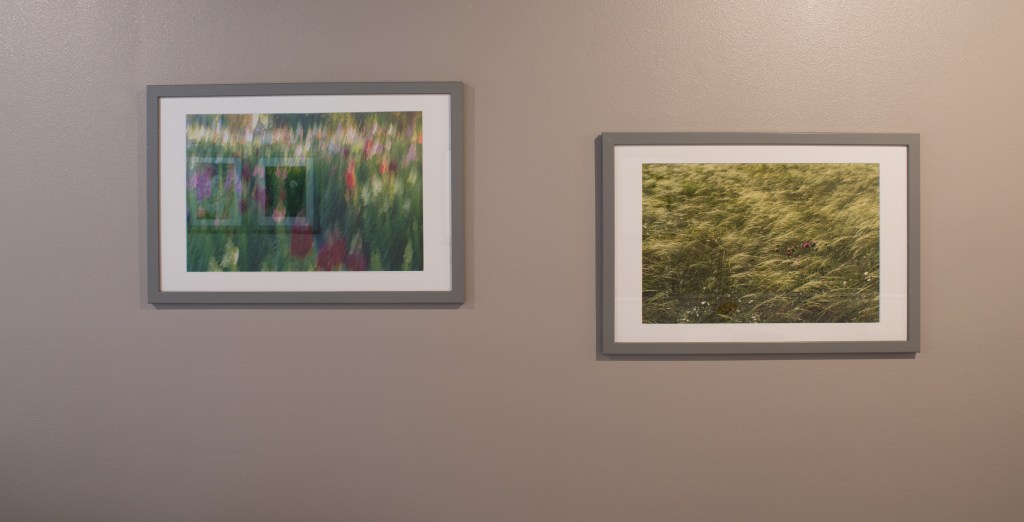
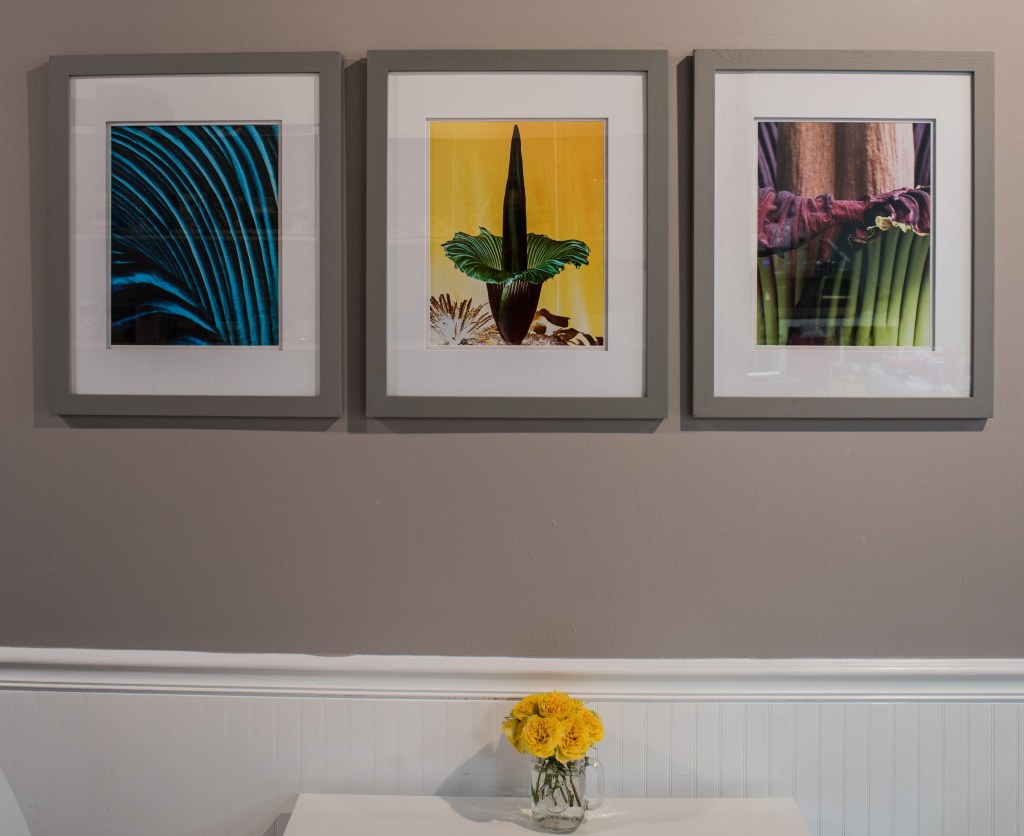
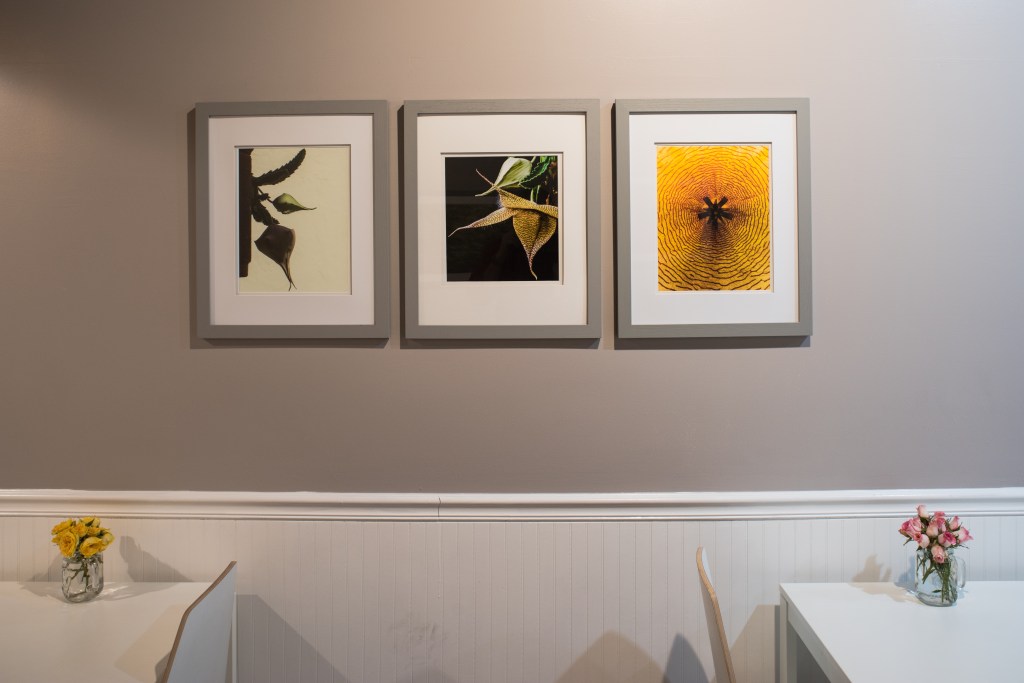
A collection of 26 images expressing the essence of flowers: design, beauty, grace and sensuality, is on exhibit Feb. 4 through May 2016 at the Flour Parlor in Sarasota, Florida.
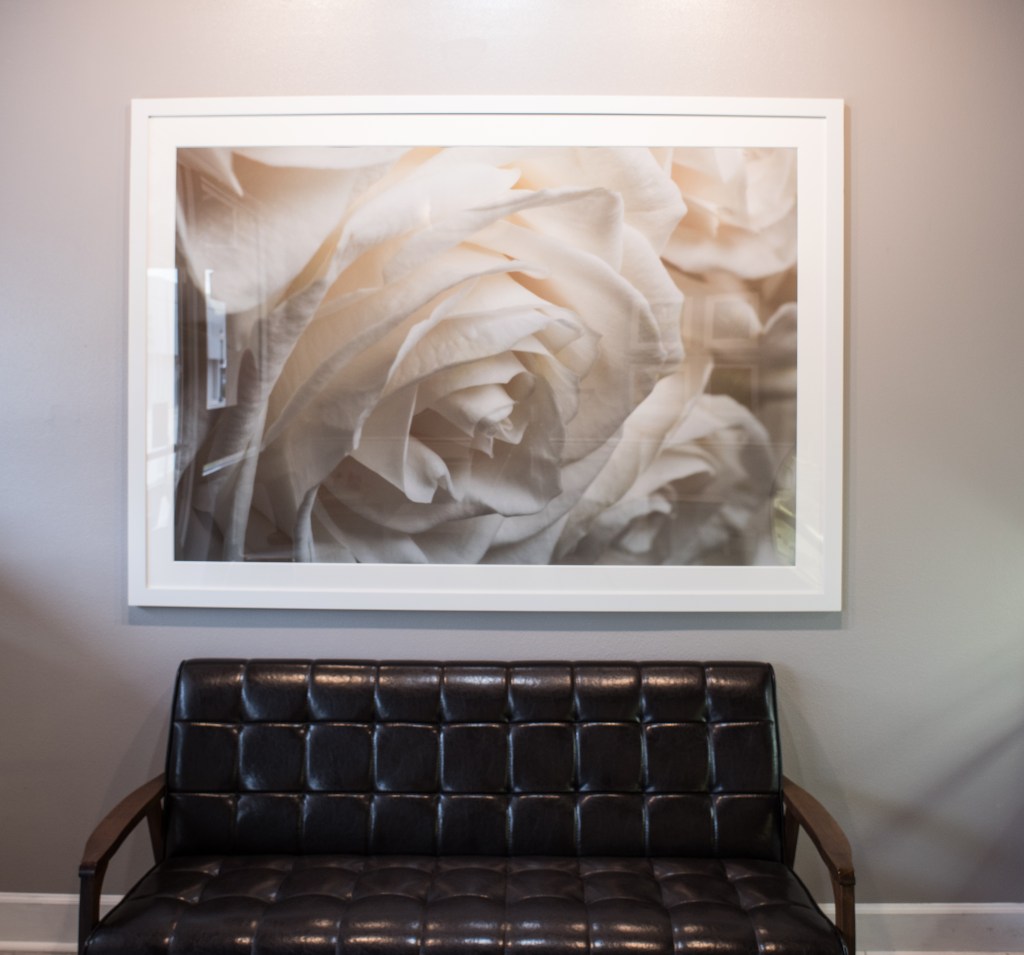
The variety of print sizes and frames in the exhibition illustrate ideas for displaying photographs in homes and commercial spaces. The prints are for sale at the Flour Parlor and through Wayne Eastep studio website.
Flour Parlor, 128 N. Orange Avenue, Sarasota, Florida
White Rose, print 42 x 62 5/8″ frame 48 x 68 3/8″
Parrot Tulip: Large print 29 x 40″ floating frame 29 3/4 x 40 3/4.” Medium size prints 10 x 1/2 x 13 1/2″ frame 18 x 22.” Small prints 9 1/2 x 7 1/2″ frame 16 x 13″
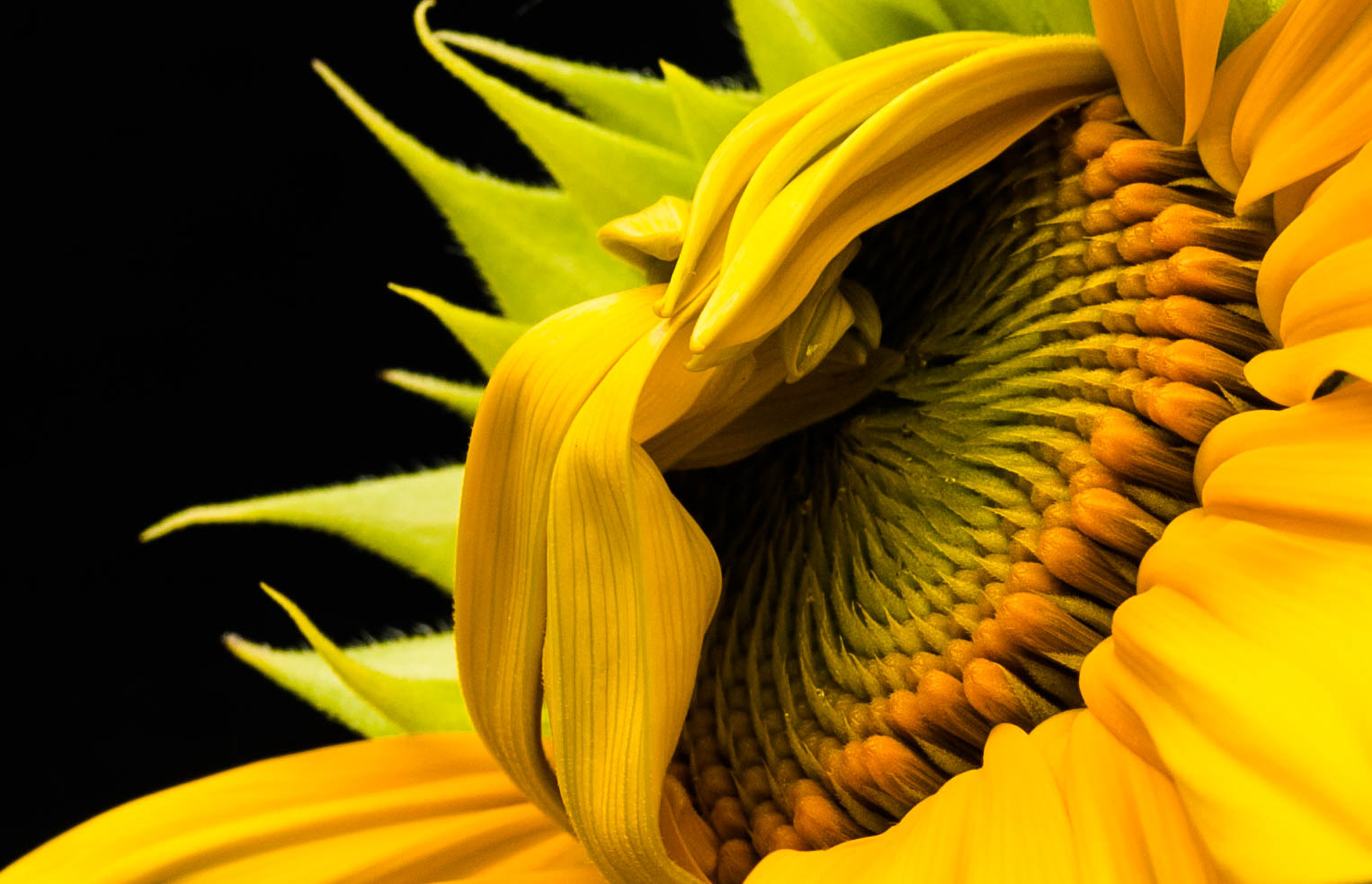
Sunflowers: Large print 24 x 36″ frame 26 1/2 x 39.” Medium prints 10 1/2 x 13 1/2″ frame 18 x 22″
Amaryllis buds, print 13 1/2 x 10 1/2″ frame 22 x 18″
Southern Magnolia, print 12 1/2 x 9 1/2″ frame 20 x 16″
Snapdragons, FL and Feather Grasses, Kazakhstan: print 16 x 24″ frame 20 x 30″
Amorphophallus Titanum, print 13 1/2 x 10 1/2″ frame 22 x 18″
Giant Stapelia Cactus, print 13 1/2 x 10 1/2″ frame 22 x 18″
Every corner deli in New York City has flowers for sale. Dubai Flower Centre has a hanger dedicated to importing and exporting flowers from around the world. City and suburban grocery stores sell flowers. Along the city streets in Kazakhstan, roadside stands offer flower bouquets for house gifts.
Flowers at a New York City Deli
When looking at a flower I view the flower with my mind’s eye, not just my eyes. Focusing on the complexity of design and color nuance of each flower enhances my sense of observation. Using the ocular of the camera’s lens, I explore and express what my mind’s eye is seeing. When I focus on a flower, this visual connection is transformed into an emotional one. I see beauty. I sense grace. I am moved by the marvel of design within the flower.
This experience represents a first principle of existence for me: transference of energy or spirit. It is the bond between the human spirit and the spirit within nature. When that momentary connection is made, the rejuvenating power of nature is activated. Perhaps this is why flowers have a universal appeal.
We all see or feel something unique in art, even when looking at the same object. When I look at the images of flowers in this collection, I see many different things: beauty, complexity, grace, design, sensuality and delicacy.
I would love to read what you see, sense, and feel in response to looking at the flowers in this collection: “Flower Essence” at WayneEastep.com.
The signature characteristic of Wayne Eastep’s photography is the ability to express the essence of a subject.His images go beyond representational pictures to touch the spirit of the subject, evoking an emotional response.In this exhibition he turns his attention to the exquisite design in nature and inherent beauty within flowers.
Eastep’s images are commissioned and collected internationally. They garner awards for books, documentary, and commercial assignments.His intention with each assignment is to go beyond the surface and look inside the subject.Photography for Wayne is both vocation and avocation. He is driven by a passion for the art of image making.
Exhibition February 4 – May 14, 2015
The sunflower an annual plant is native to the Americas. The flower petals within the sunflower’s cluster are always in a spiral pattern. Generally, each floret is oriented toward the next by approximately the golden angle, 137.5 degrees, producing a pattern of interconnecting spirals, where the number of left spirals and the number of right spirals are successive Fibonacci numbers. This pattern produces the most efficient packing of seeds within the flower head.
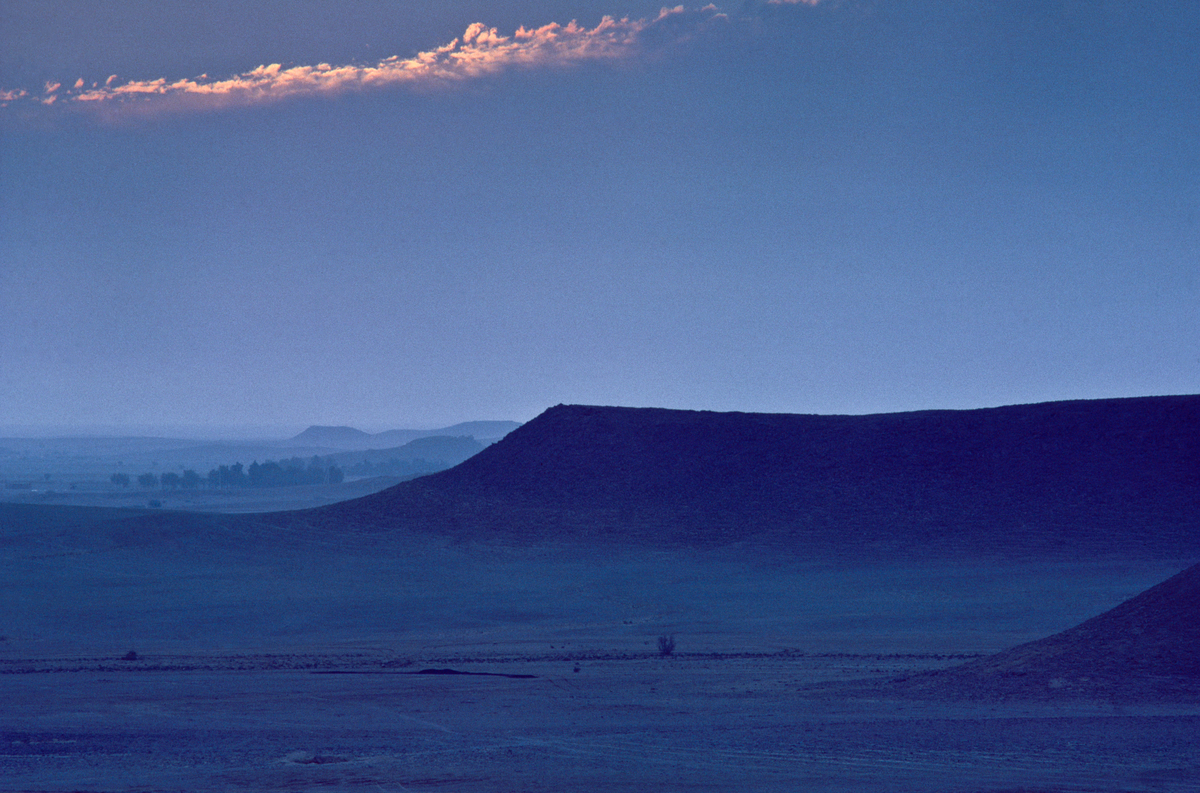
Sunrise in the Najd, or “highland,” the central region of the Arabian Peninsula.
The dromedary camel walks moving both legs on one side then the other while its body rolls side to side. This seesaw movement can cause a storage bag to rub against the camels body developing a hole. As best I can tell this is what most likely took place on one of the caravans crossing the Arabian desert.
Numerous caravan routes criss crossed Arabia. This image is of one traversing the Najd in central Saudi Arabia. Along this ancient trade route a hole wore into a bag carrying iris bulbs. The seesaw movement of the camel deposited bulbs along the desert floor. Wind blew sand over the bulbs and they lay dormant until in the spring the winter rains enable the iris to bloom.
Caterpillar (Monarch) eating in preparation for metamorphosis
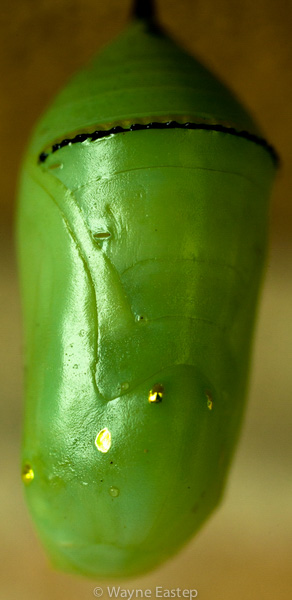
Magnificent shelter of the Monarch
Butterfly emerging from the chrysalis
Monarch drying it’s wings preparing for the first flight
Ten days are the time of metamorphosis from caterpillar to butterfly. Over the four hours before the butterfly emerges the emerald-green color of the chrysalis case will change becoming transparent. During this phase you can see through the case markings of the Monarchs wings wrapped tight around the caterpillar/butterfly body. In order to see this spectacular performance one needs to sit and watch, the change can happen at anytime. Leaving for one minute could result in missing the magical moment. Patience rewards with a memory of wonderment and beauty that you can recall and cherish, what a precious gift.
Kazakhstan is dotted with 48,000 lakes, many small like this mirror-surfaced one at Ush-Konyr near Fabrichny
Lake Ush-Konyr is a one of my favorite places with no power lines in sight, silent and serene. Kazakhs consider lakes the eyes of the sky.
Kazakhstan is a place of irony. Some of the worst man-made disasters; Aral Sea and Polygon have occurred in Kazakhstan. Some of the most beautiful and pristine places on earth are to be found in Kazakhstan.












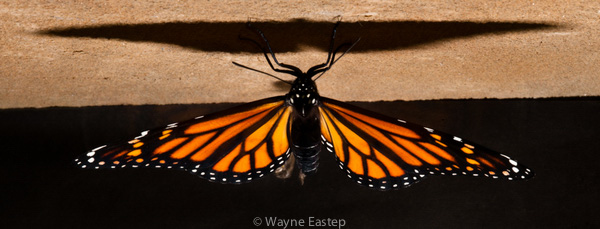 Monarch drying it’s wings preparing for the first flight


 wayne eastep's blog
