I hear and I forget, I do and I understand, I see and I remember
Tag Archives: Art-for-Interior-Design
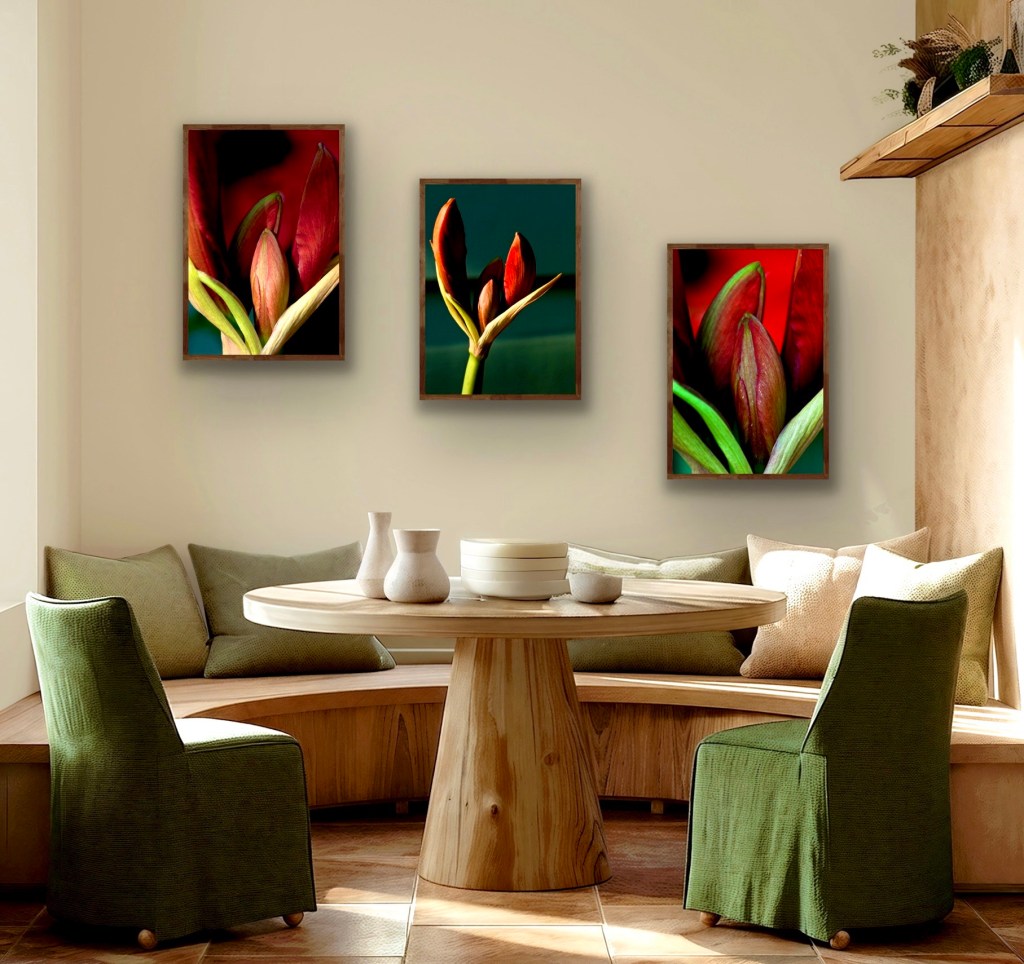
Series: Floral Essence #8 Amaryllis
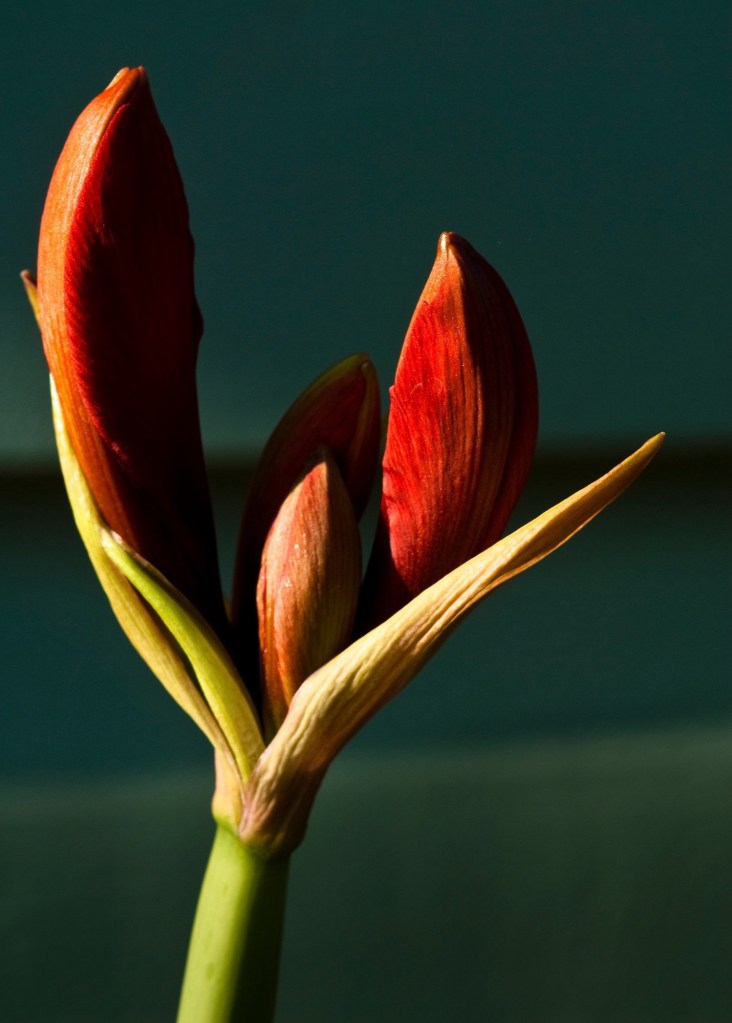
Amaryllis buds
The series “Floral Essence” comes to a finale. A post about the Amaryllis feels like the perfect subject at the right time with which to conclude this series.
As holidays near, wax-dipped Amaryllis bulbs show up in the shops, ready to brighten the gray winter days with color.
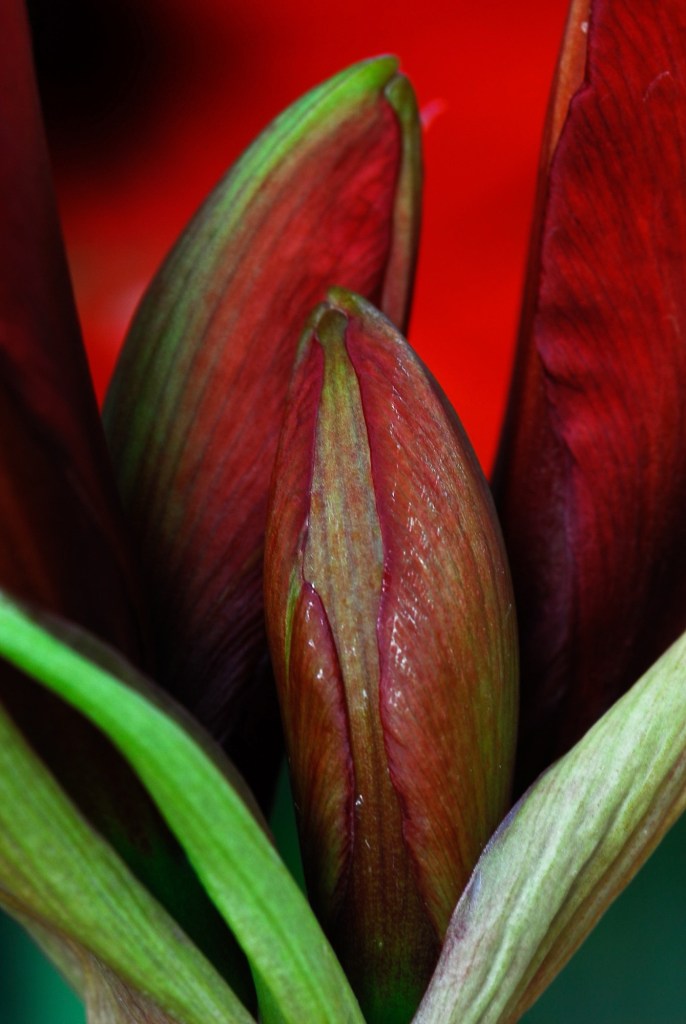
Amaryliss buds
Named from the Greek word for “to sparkle,” it is fitting that the Amaryllis blooms in winter, around Christmas.
Given their sturdy stems and vertical profile, Amaryllis symbolize strength, pride, and determination. When the flowering phase ends, you can cut the stem and preserve the bulb; it will flower again next year. With proper care, it can live for up to 75 years.
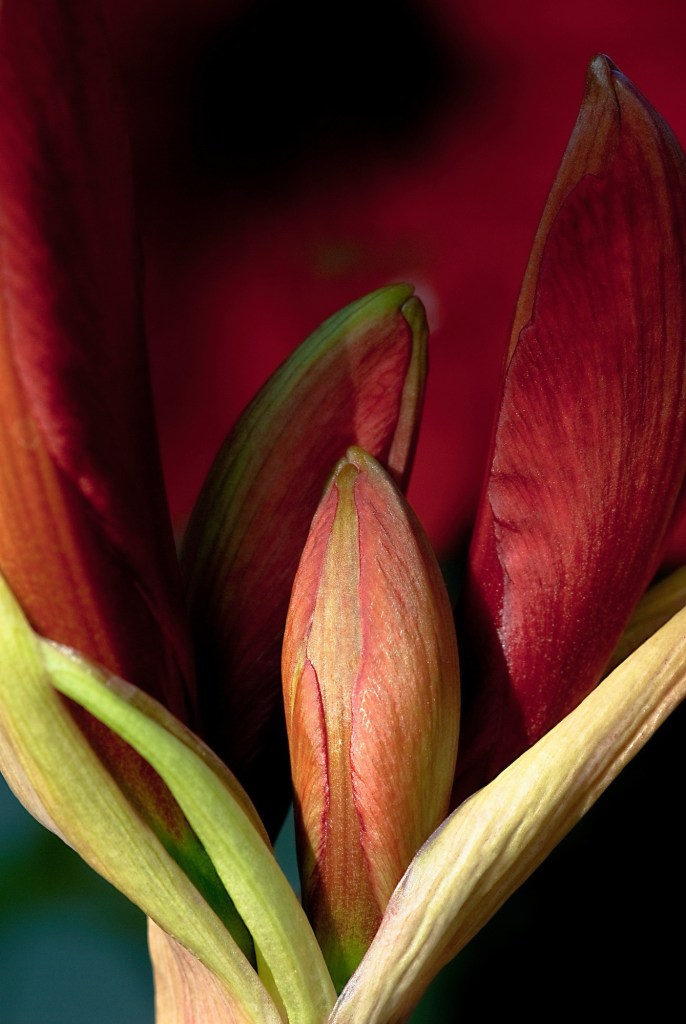
Amaryllis buds
Thank you for following Floral Essence. It has been an inspiring journey through the language of flowers.
An exceptional monograph is on the way, stay tuned!
Back to work on a new series about a different subject.
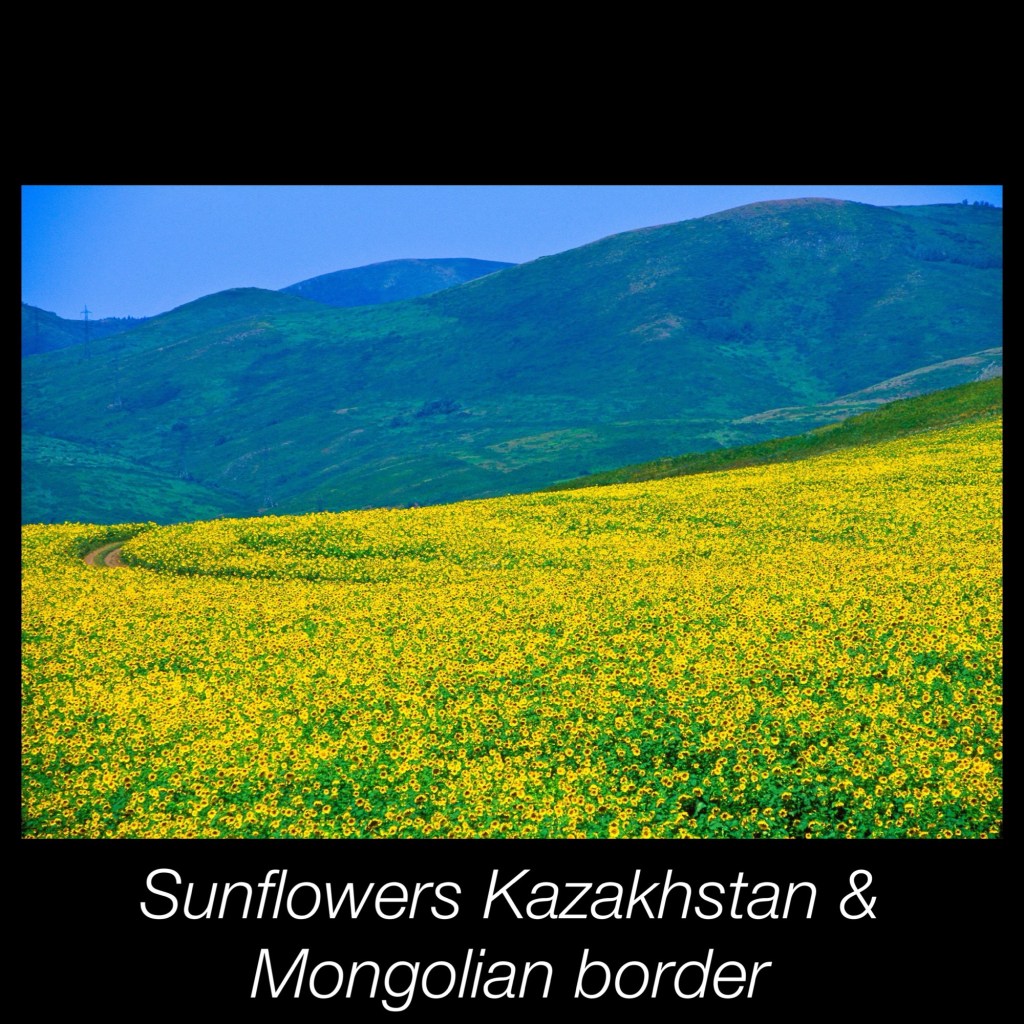
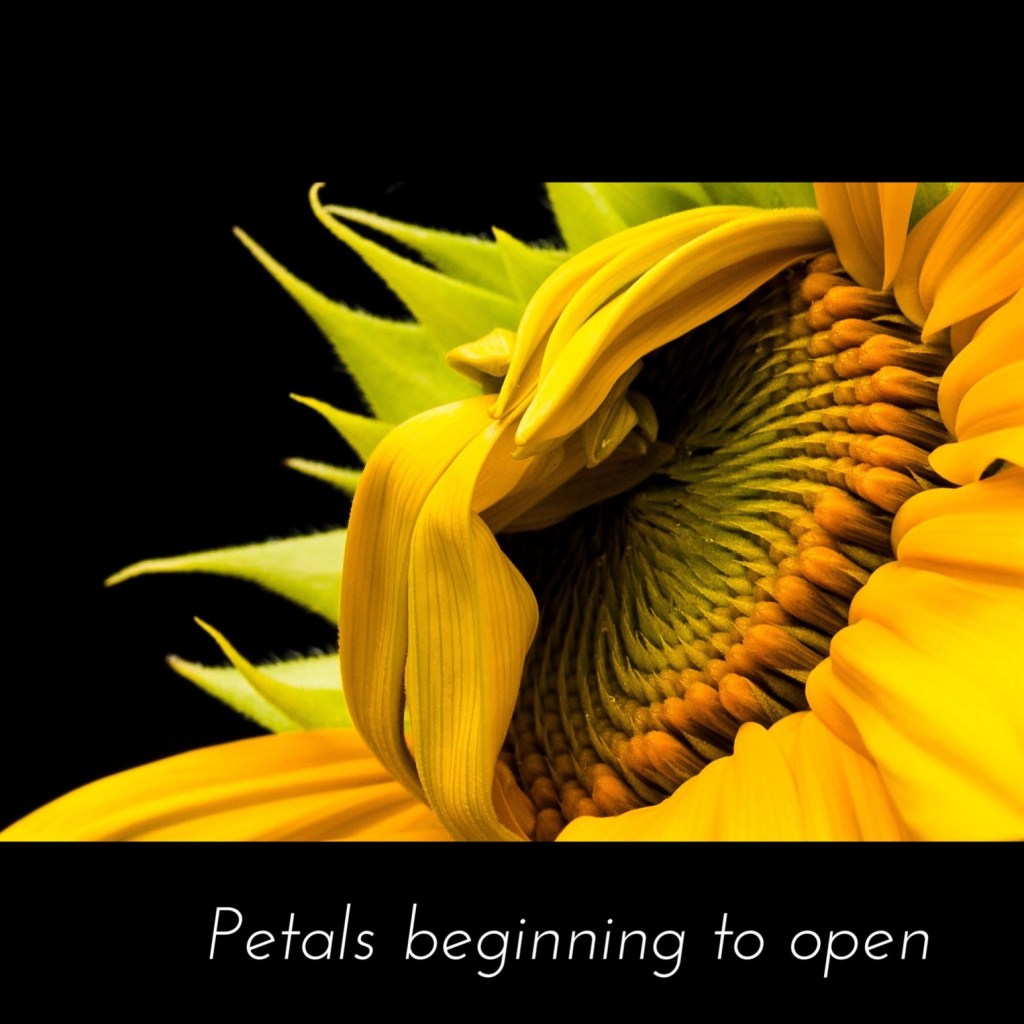
As we were driving along the border of Kazakhstan toward Mongolia, we crested a hill. The field in front of us, all the way to the horizon, was filled with sunflowers as far as the eye could see. I had our fixer pull over. I got out of the jeep, went into the field, and made a series of images of the golden carpet of sunflowers in full bloom. It knocked me out!
Over the next couple of years, the magnificence of those sunflowers remained alive in my memory.
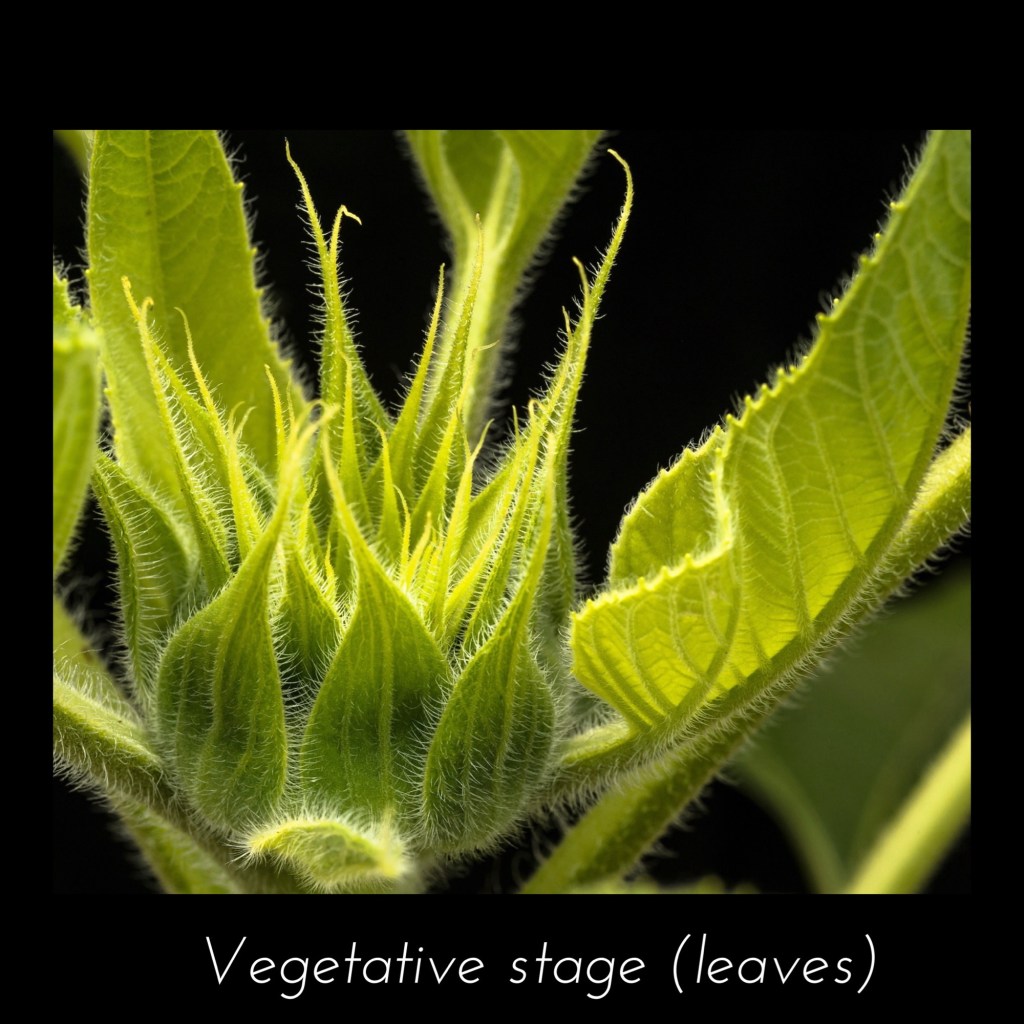
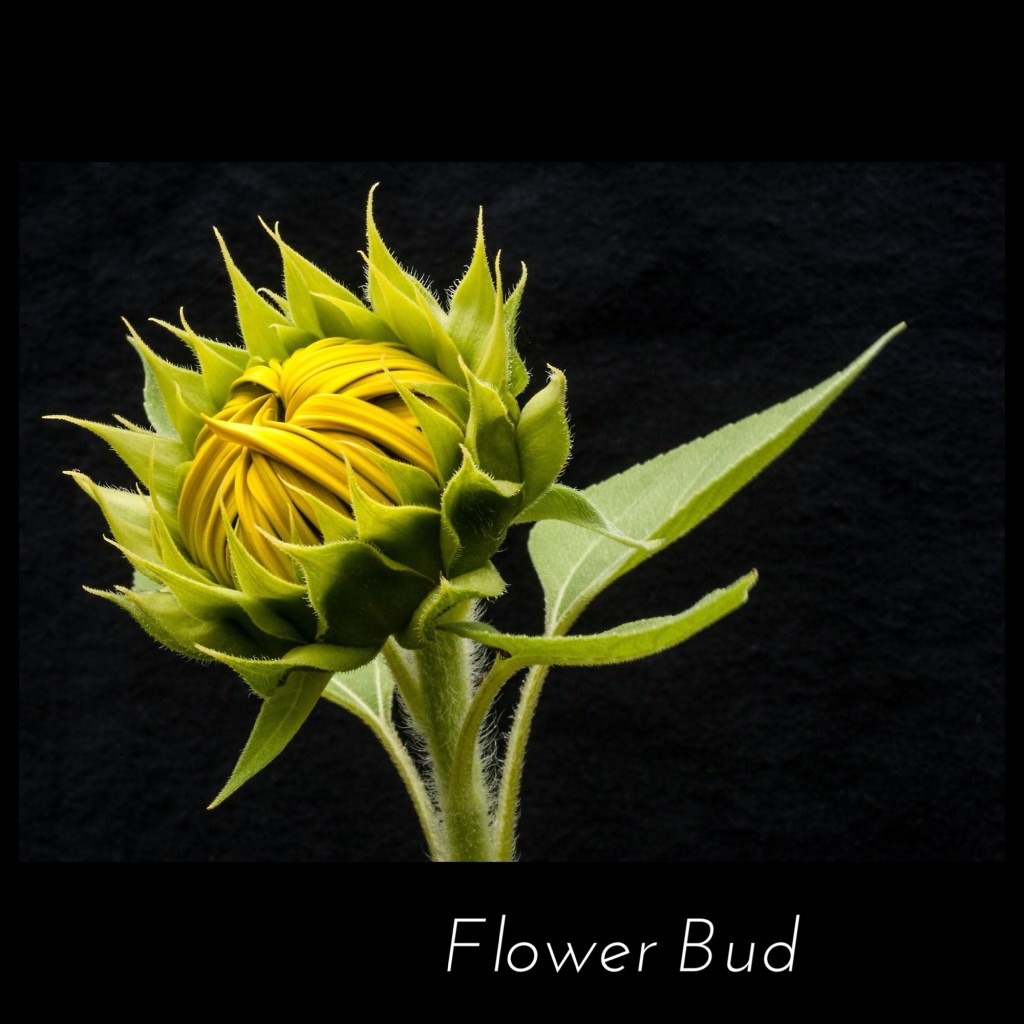
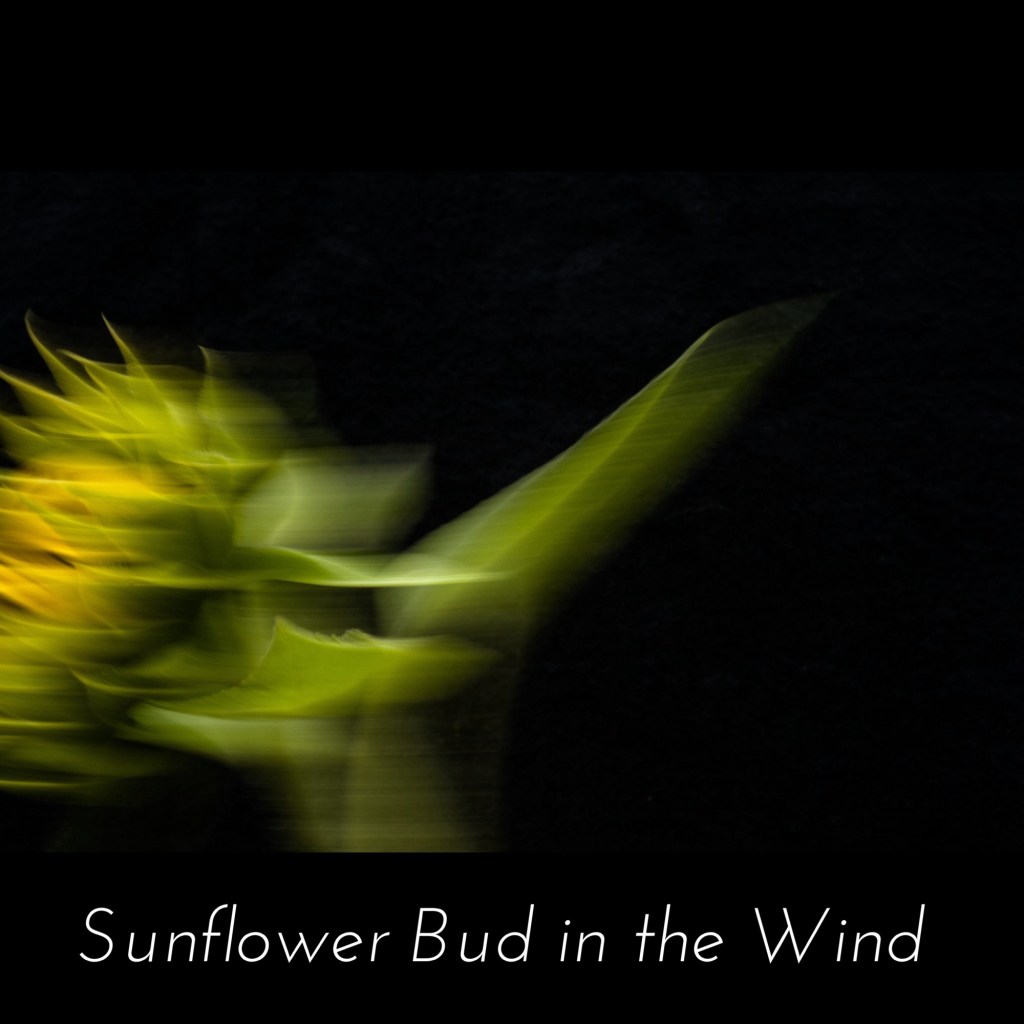
I wanted to learn more about sunflowers. My curiosity was not just about the beauty of their bright blossoms, but what they were all about. I ordered mammoth sunflower seeds, planted the seeds in a circle in my yard, waited, and watched. Over three months, I photographed the stages of growth from seedlings to decline. What I observed increased my appreciation for their beauty but raised even more questions.
Why did every flower develop a similar spiral pattern? Why were the seeds packed in so tightly and at an angle? My research revealed many connections between nature, mathematics, philosophy, and the rich history of intellectual inquiry — more on that in a later post.
The short-form answer to my questions is that the spiral pattern and the angle of the seeds in the sunflower represent the most efficient way to pack seeds in space and ensure reproductive success. The spirals are called “golden spirals,” reflecting Fibonacci numbers. The elegant angle of the seeds to each other aligns with the “golden angle’’. The pattern of the seeds in the sunflower represents what, in mathematics and aesthetics, can be called beauty — more on that in a future post. Leonardo Da Vinci described this phenomenon, which can also be seen in hurricanes, galaxies, pinecones, and pineapples, as the “Divine Proportions”.
One day, when the flowers were reaching maturity, I watched a pair of wild Brazilian Green Parrots as they fed on the seeds. The two parrots took up positions next to each other on two sunflowers. While one ate, the other stood guard, watching for any threat. After a while, they switched roles. The one guarding then ate, and the other provided protection.
Sulfur is a by-product of oil refining and gas production. This mountain of sulfur was at the Hess refinery in St. Croix, US V.I.. The way that certain areas of the sulfur retained moisture and others dried combined with the way the sulfur pellets moved created this beautiful abstraction and range of rich color.
Abstract images from the world of industry create strong graphic and colorful statements.
Subjects from the world of industry offer a surprising collection of strong graphic and colorful images which bring surprising energy into a space. When the subject is abstracted as it is here the result can introduce ambiguity which activates the imagination and invites your own interpretation. Because of the elemental nature of the shapes and the richness of the color the image can be appreciated for its intrinsic beauty.
Visit my online store to see this image in various sizes, matts and frames: EastepPhotography
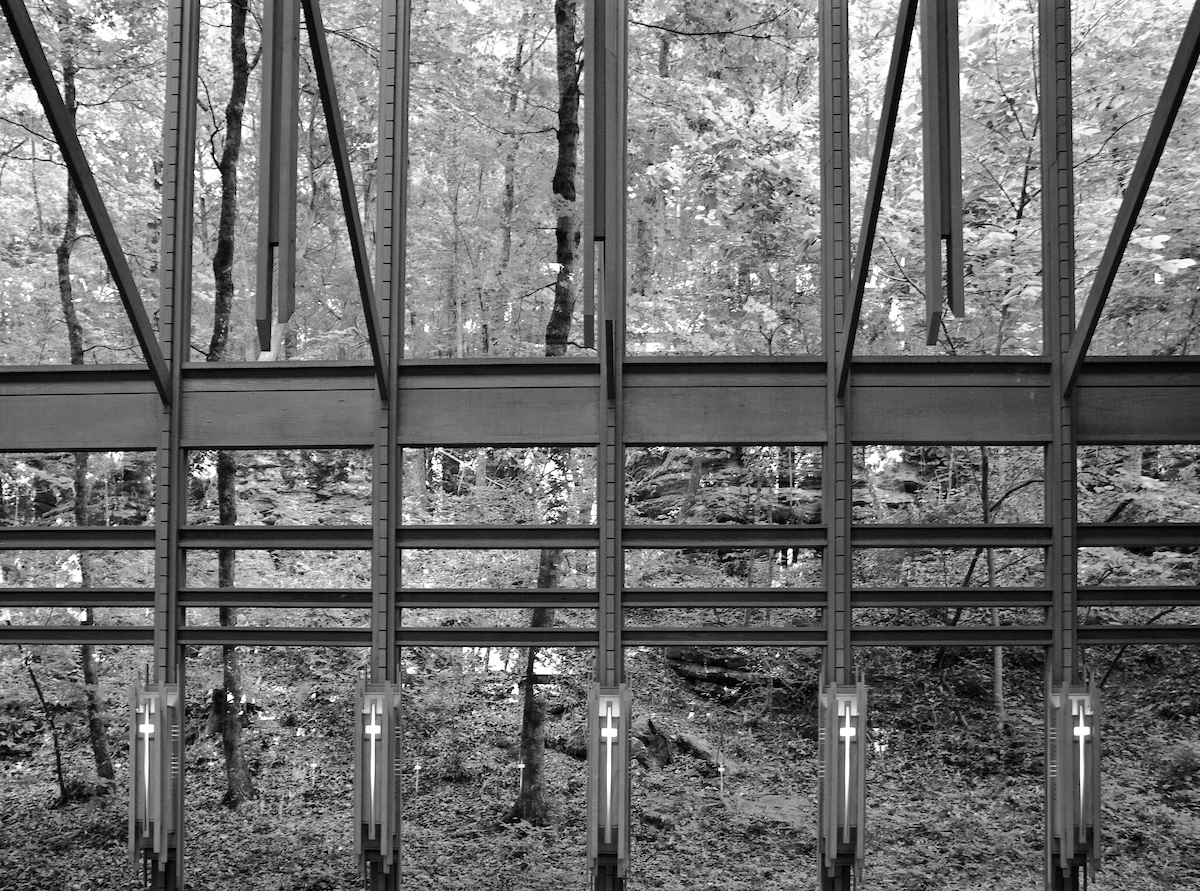
Architect E. Fay Jones designed Thorncrown Chapel, a wooden structure forty-eight feet high with 6,000 square feet of glass. Completed July 10, 1980, Eureka Springs, Arkansas
This is one of those spaces where the separation that is often created by architecture goes away. Being in this environment gives one the feeling of a union between the outside and inside. The vertical feature of the narrow columns creates a visual connection to the trunks of the trees which come up within feet of the glass walls.
I find that the pattern and relationship between nature and the architecture creates a visual tableau that becomes art.
This image will be shown on Saturday, June 30, 2018, with other prints exploring the concept of “Art Within Architecture”. The exhibit will be at my Studio/Gallery, Eastep Photography which is part of Art Central. Art Central is located at 1330-1340 Central Avenue, Sarasota, Florida 34236. Two other artist’s Lucy Barber and Kathy Wright will also have open studio’s from 11 am to 4 pm.
If you are unable to come to the studio/ gallery Saturday you’re welcome other times with an appointment. Contact me: WayneEastep@gmail.com or call 917.675.0640 to arrange a time. If you’re out of town and would like to buy a print contact me for sizes and prices.
1330-1340 Central Avenue, between 13 & 14th Streets Sarasota
“Dawn on Sarasota Bay”, One of 12 new images to be shown at Eastep Photography Gallery
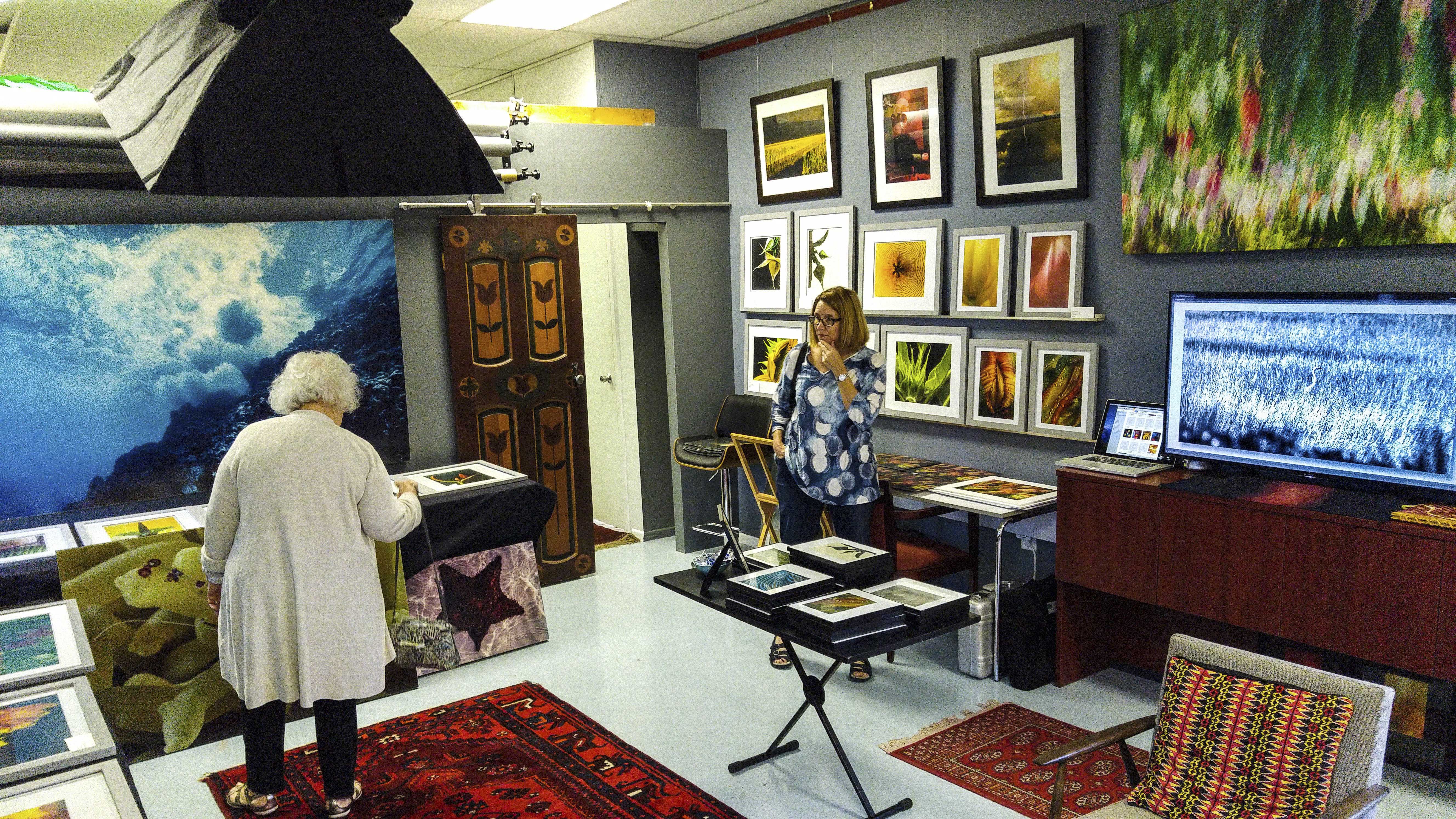
Central Creative Commons at 1330 – 1340 Central Avenue, Sarasota, north of 10th street, is a unique enclave of studios for professional painters, a photographer, a potter and multi-media artists. The artists included for February 24, 2018 open studios: Painter Lucy Barber and Photographer Wayne Eastep.
February’s open studios gives you behind-the-scenes access to each professional artist’s working studio: meet the outstanding artists, see their work, explore and exchange ideas, and browse artworks available for purchase. The open studio event is free and open to the public.
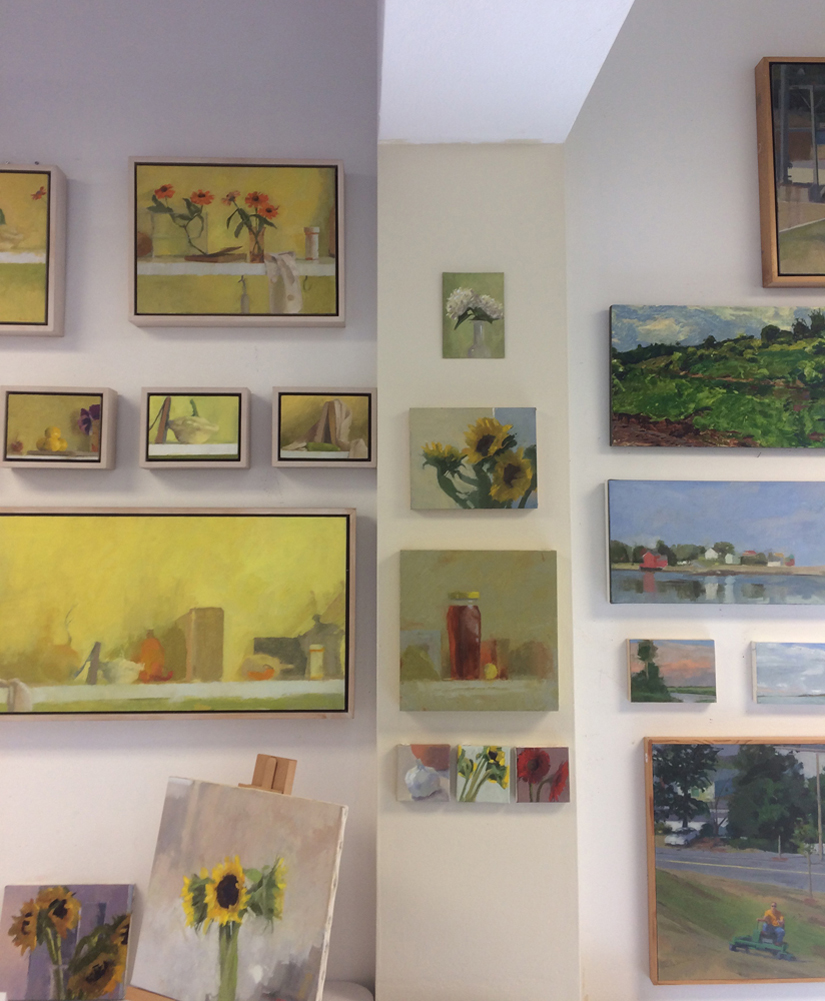
BARBER.Creators.Collectors.Tour.2017.1, Central Creative Commons, Sarasota, Florida
The Central Creative Commons is located within the Central-Cocoanut Historic District and in keeping with Sarasota’s growing arts scene, is just a few blocks north of the Rosemary Arts District. Connecting to and evolving from the Rosemary District, the Sarasota arts district is growing northward. You are invited to join in this exciting new development!
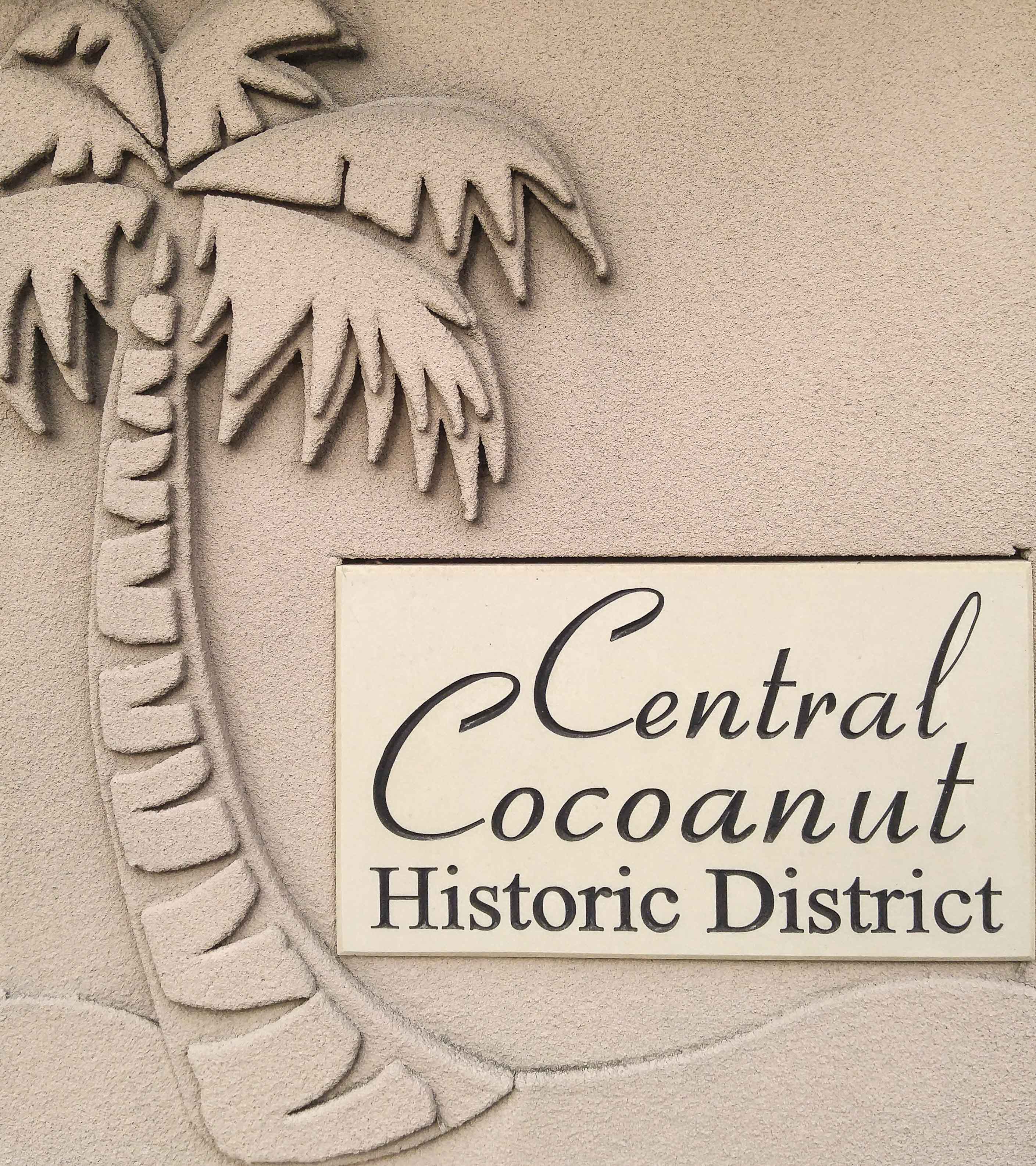
Boundary sign of Central Cocoanut Historic District, Sarasota, Florida
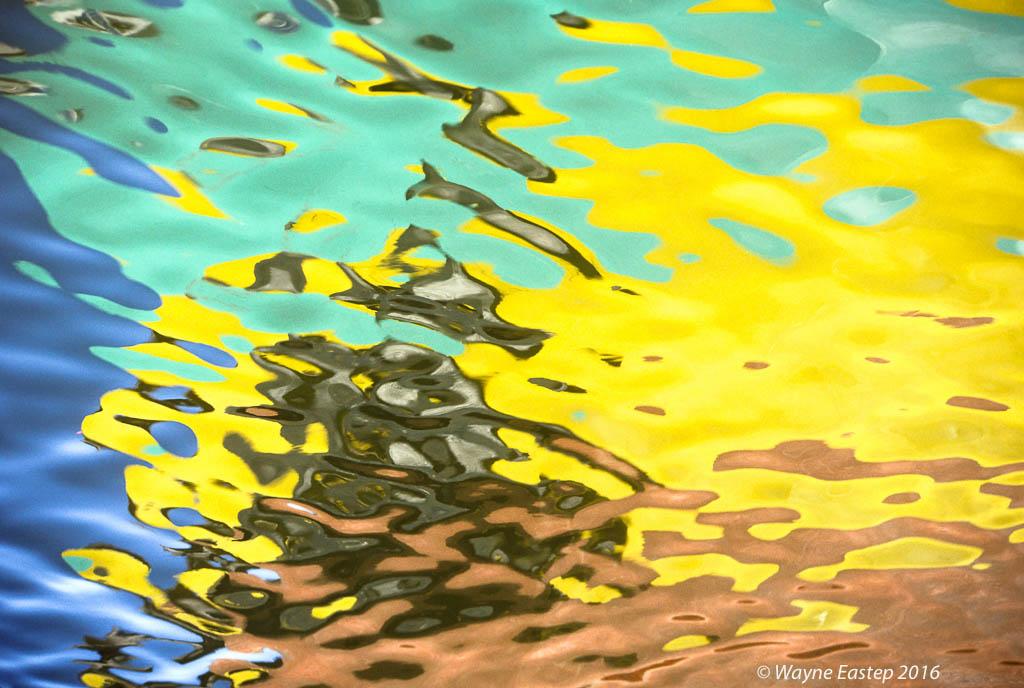
While scouting locations for a Nautica fashion shoot in Martinique I saw this wonderful play of color. The color was from boats in the marina reflecting onto the surface of the water.










 wayne eastep's blog