I hear and I forget, I do and I understand, I see and I remember
Category Archives: Nature Photography
The sun lit the morning
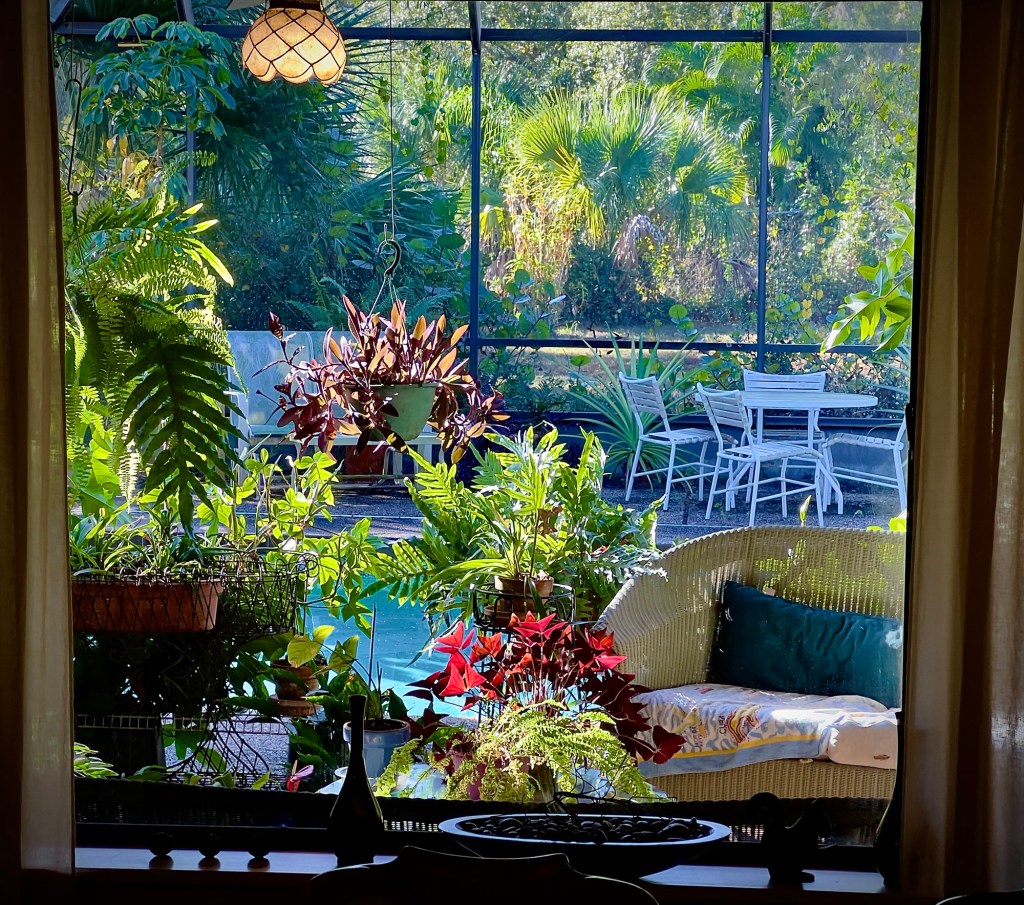
Making art, for me, begins with awareness—the ability to notice what moves us in an ordinary moment. Sometimes that awareness appears in the smallest places, like standing at the kitchen sink preparing coffee. That’s what happened a few mornings ago. I slowed down long enough to feel the energy of sunlight as it gently started the day. I thought, that’s beautiful. Creating images is part of my daily life, so I paused, embraced that quiet, and made a simple photograph—a moment of morning arriving, carried on the light of sunrise.
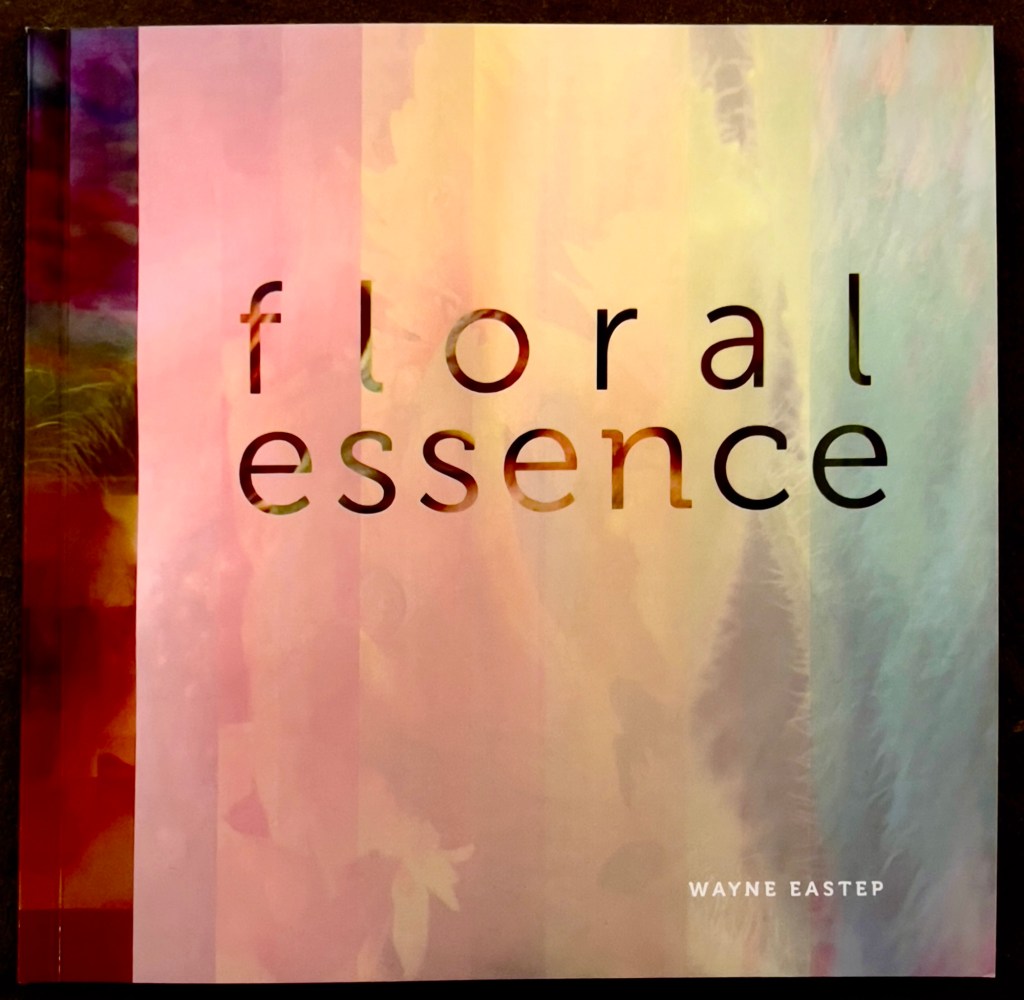
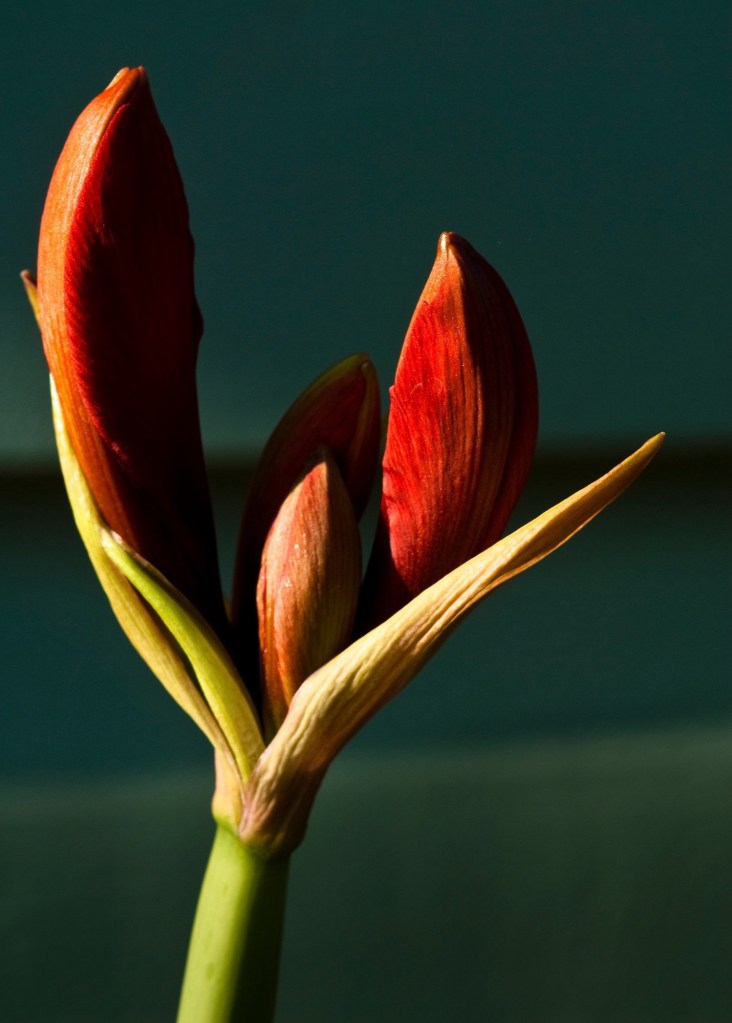
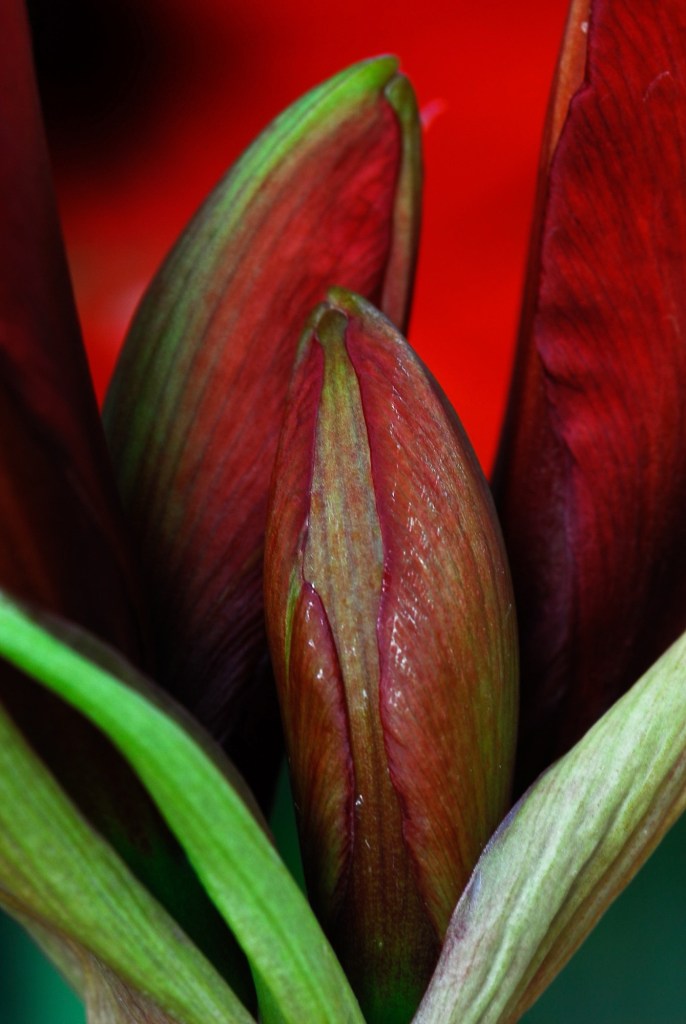
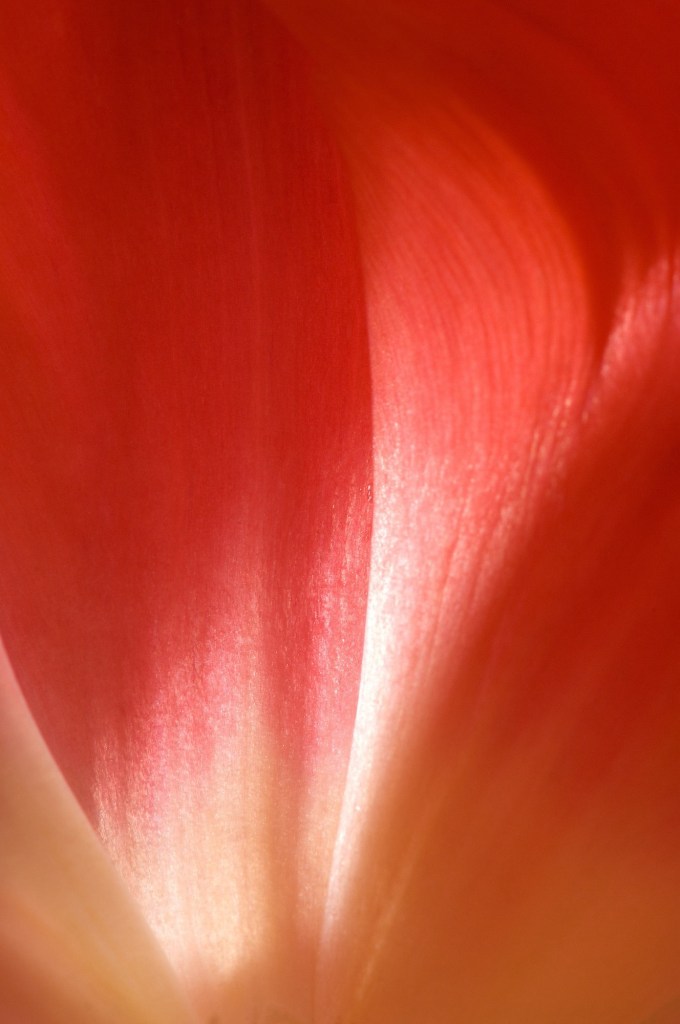
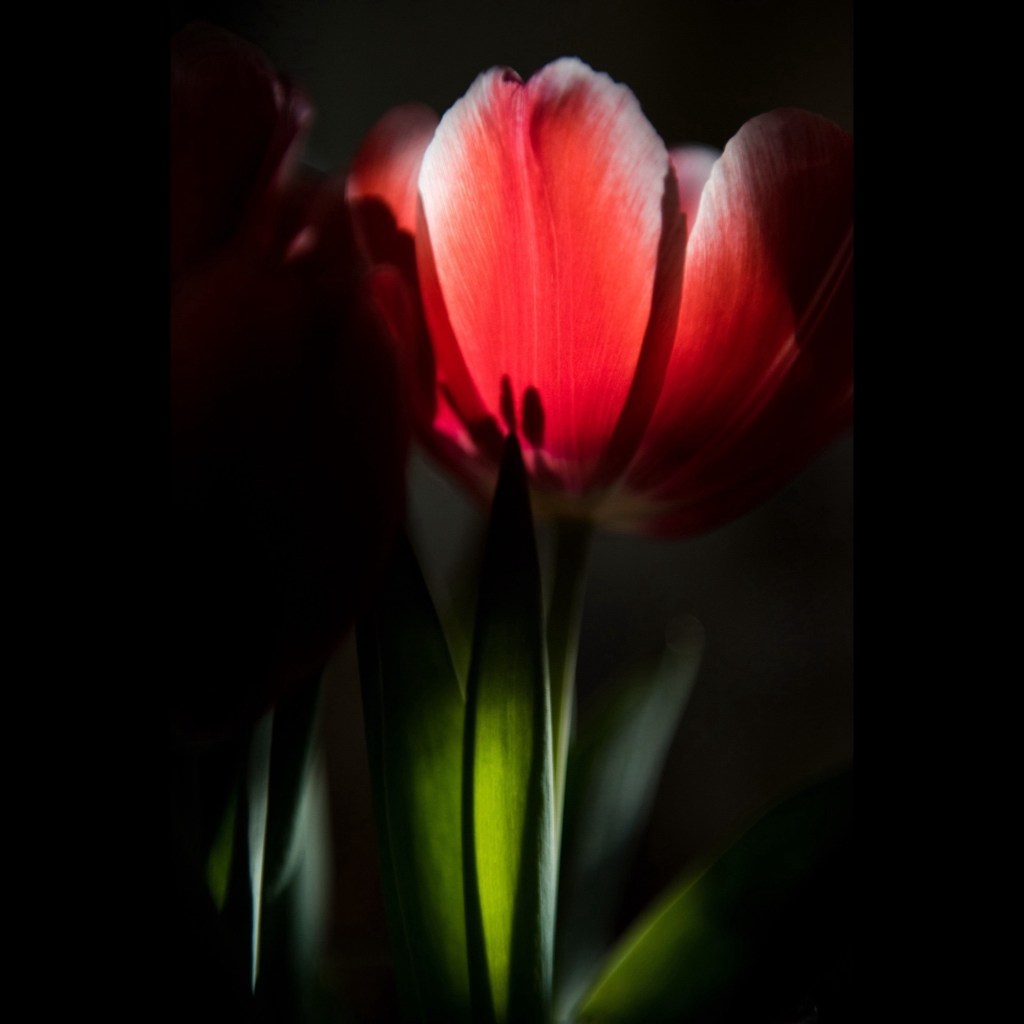
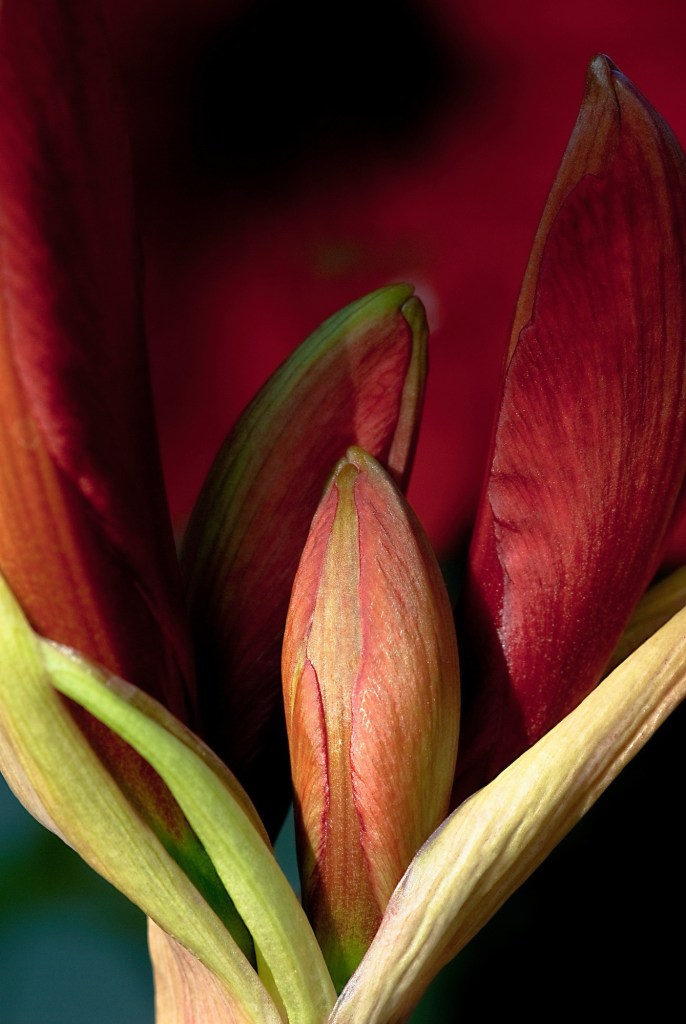
The series “Floral Essence” comes to a finale. A post about the Amaryllis feels like the perfect subject at the right time with which to conclude this series.
As holidays near, wax-dipped Amaryllis bulbs show up in the shops, ready to brighten the gray winter days with color.
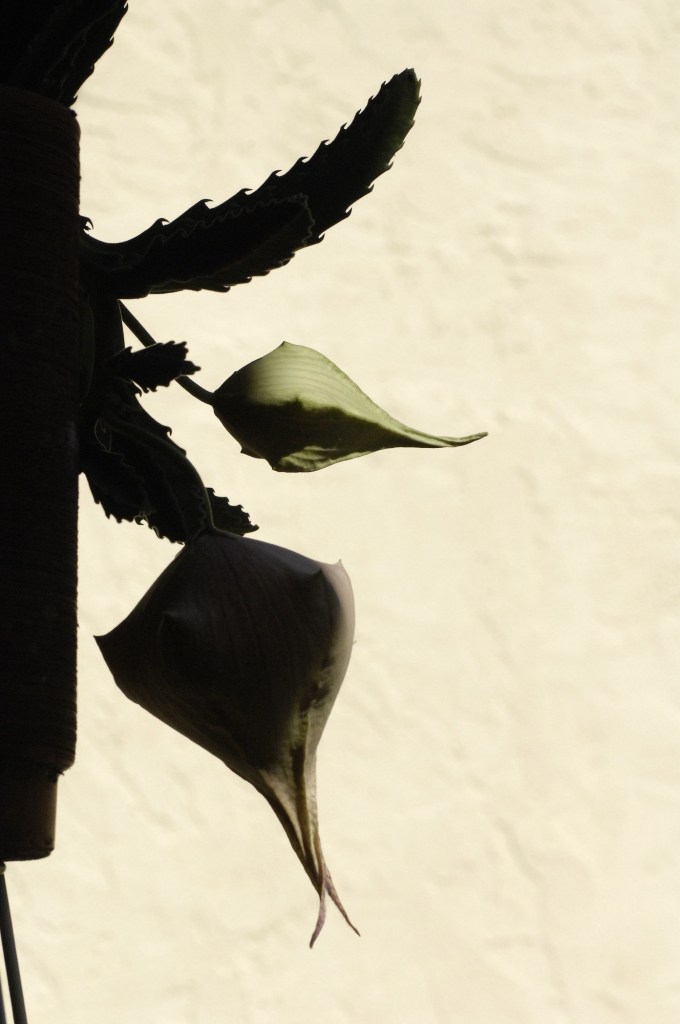
Amaryliss buds
Named from the Greek word for “to sparkle,” it is fitting that the Amaryllis blooms in winter, around Christmas.
Given their sturdy stems and vertical profile, Amaryllis symbolize strength, pride, and determination. When the flowering phase ends, you can cut the stem and preserve the bulb; it will flower again next year. With proper care, it can live for up to 75 years.
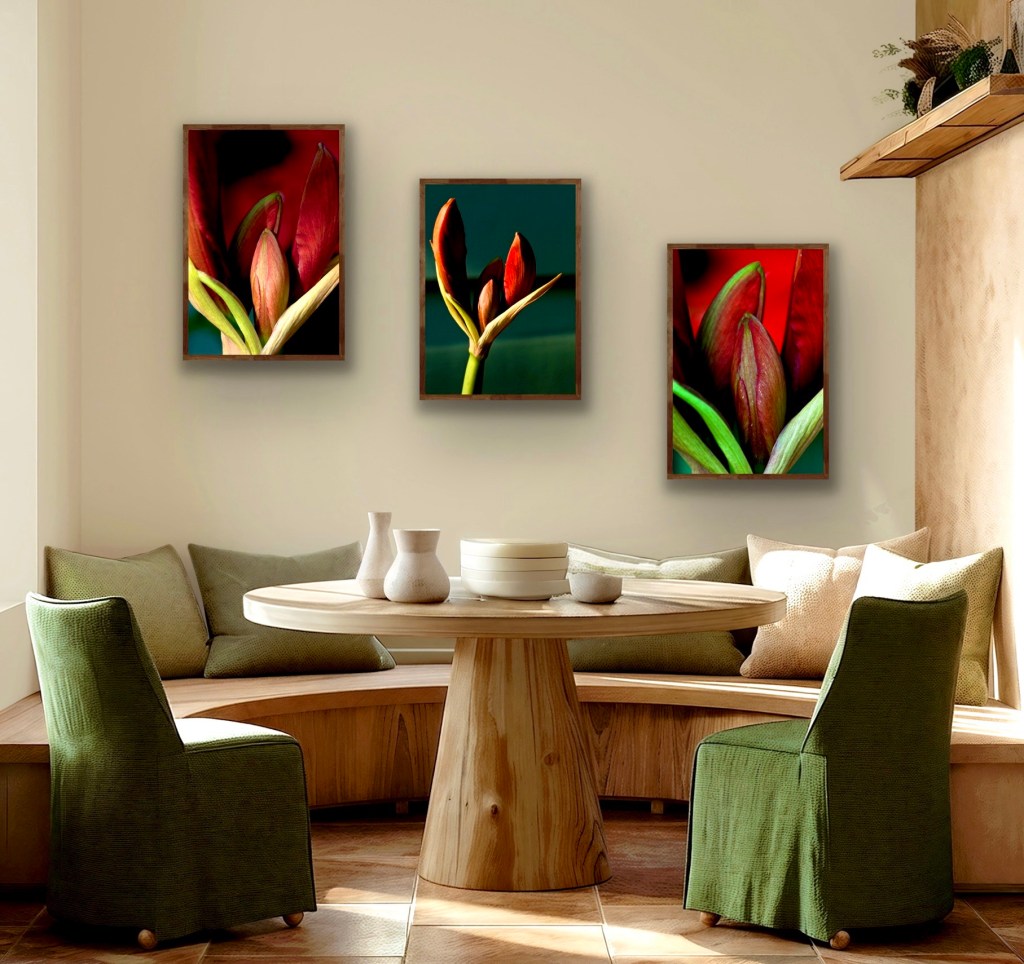
Amaryllis buds
Thank you for following Floral Essence. It has been an inspiring journey through the language of flowers.
An exceptional monograph is on the way, stay tuned!
Back to work on a new series about a different subject.
Feather grasses growing on the Steppes of Kazakhstan
Feather Grasses, like these near Sergeyevka, Kazakhstan, have grown for millennia in the thin topsoil of the Steppes; some varieties are now scarce or endangered species. The Steppes were covered in this ideal pasturage prior to the Soviets’ misguided Virgin Land Reclamation policy of the 1950s, under which nearly 25 million hectares (approximately 62 million acres) of the northern Steppes were plowed to plant wheat.
The feather grasses provide nutrition for horses, cattle, sheep and goats, ensuring a sustainable food source for nomads.
The sea of grasses move in waves with the wind, nurturing a soul that’s living in relationship with nature.
Practicing photography can be much like practicing meditation. Both invite us to slow down and truly see. They heighten our awareness, sharpen our attention, and help us become more attuned to the quiet details that often pass unnoticed. This image is an expression of that mindful practice.
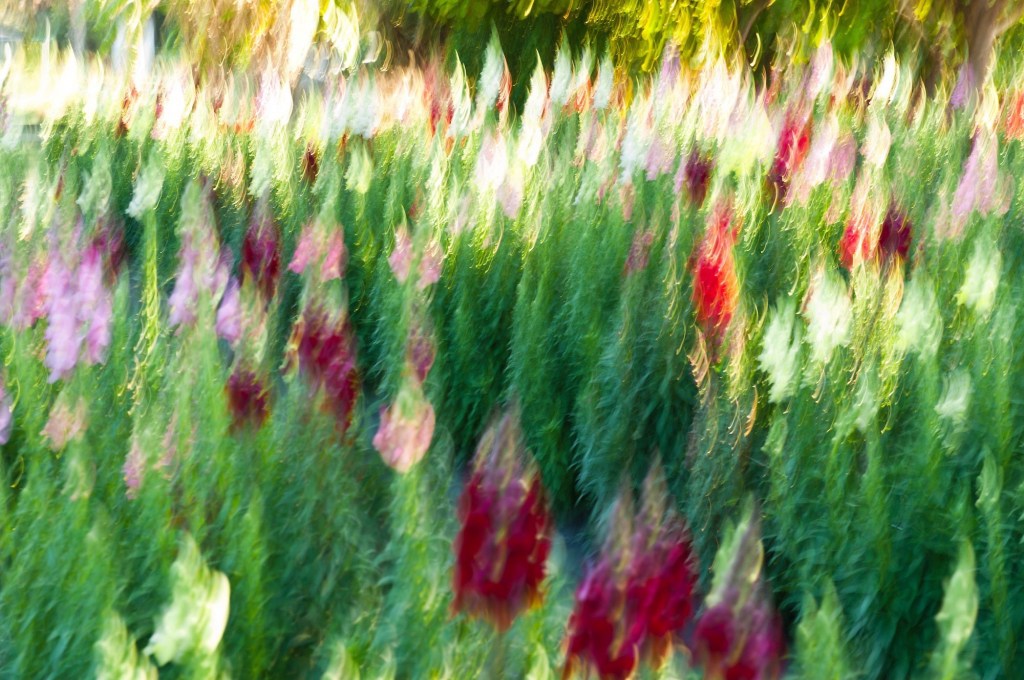
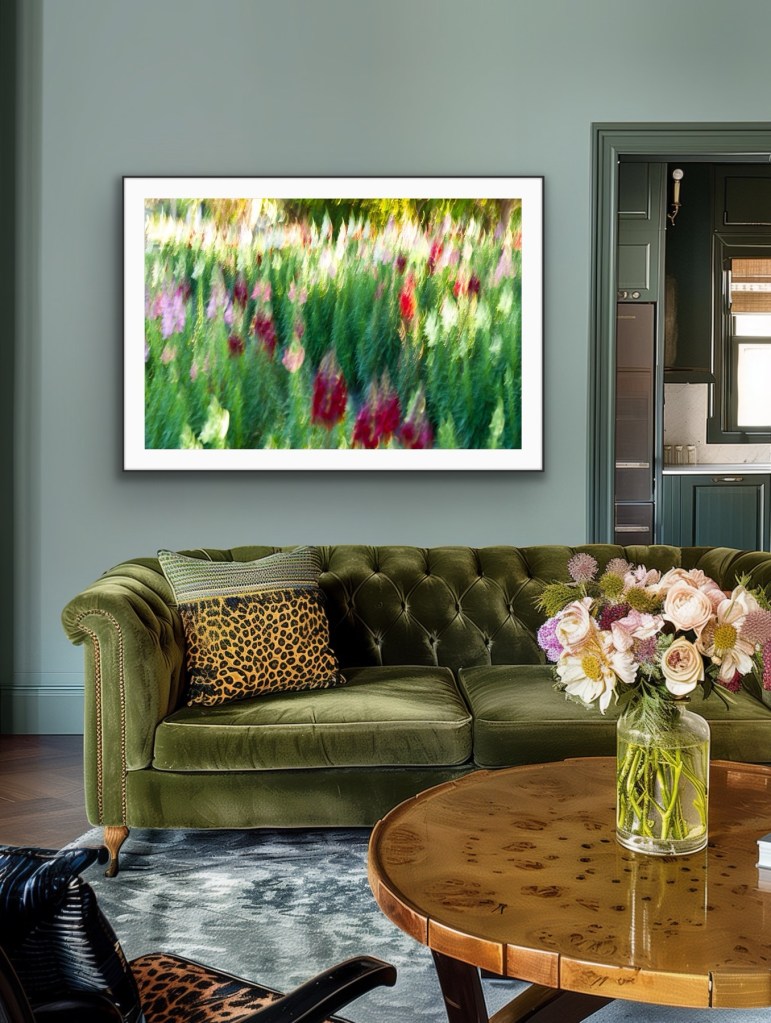
While driving near Sarasota, a field of snapdragons caught my eye—just a glimpse of color in my peripheral vision. I pulled over, spoke with the property owner, and was welcomed to wander the field with my camera.
As I began photographing, a gentle wind set the flowers in motion. In that moment, I saw not simply a field of snapdragons but blossoms dancing in the wind. I worked to capture the movement of the wind through the petals—more than a still image, a sense of motion and energy.
This photograph is the outcome of years of patient observation and practice. It also reflects what happens when we allow the mind’s eye to see beyond what is in front of us—when imagination meets perception, and feeling becomes form.
This series of images is part of a larger collection called Floral Essence. I’ll share more about that in the near future.
To see this image and more flower pictures, visit the gallery Flowers at: www.wayneeastep.com
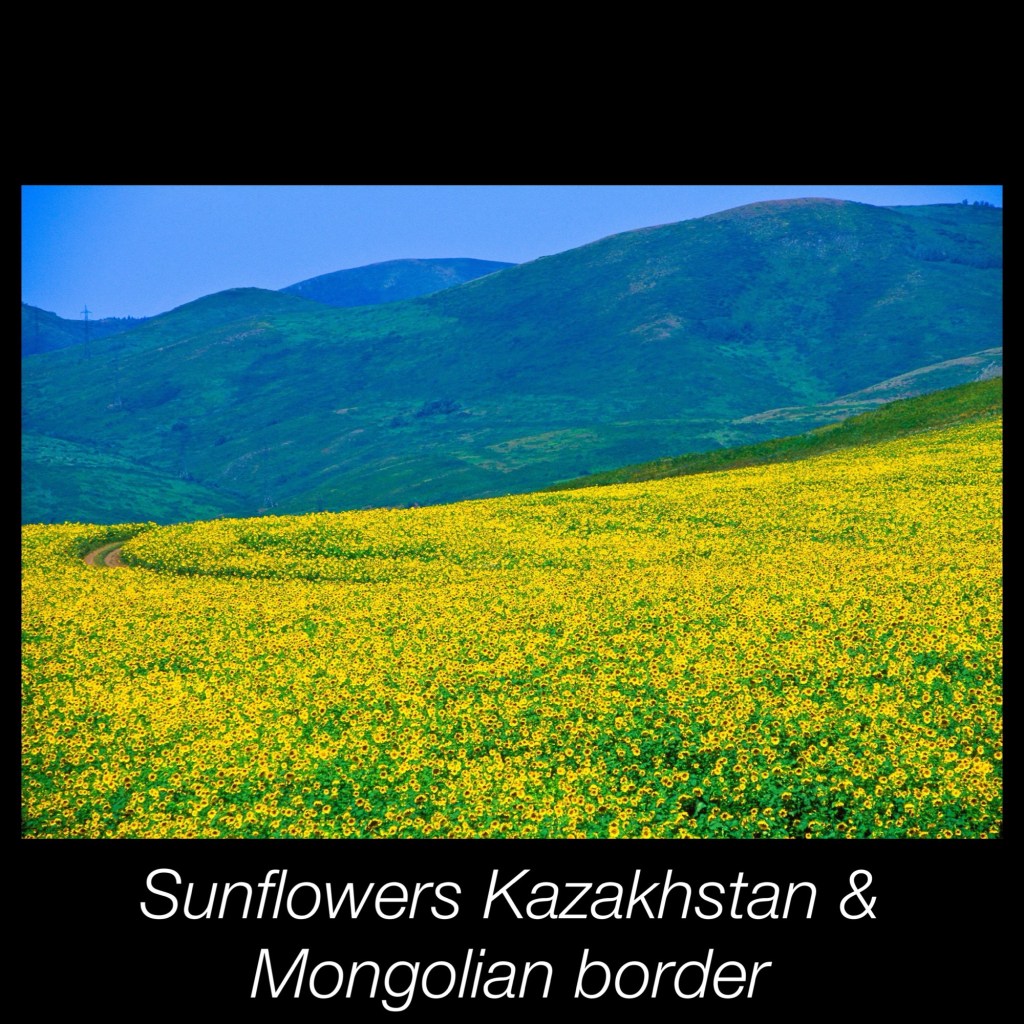
As we were driving along the border of Kazakhstan toward Mongolia, we crested a hill. The field in front of us, all the way to the horizon, was filled with sunflowers as far as the eye could see. I had our fixer pull over. I got out of the jeep, went into the field, and made a series of images of the golden carpet of sunflowers in full bloom. It knocked me out!
Over the next couple of years, the magnificence of those sunflowers remained alive in my memory.
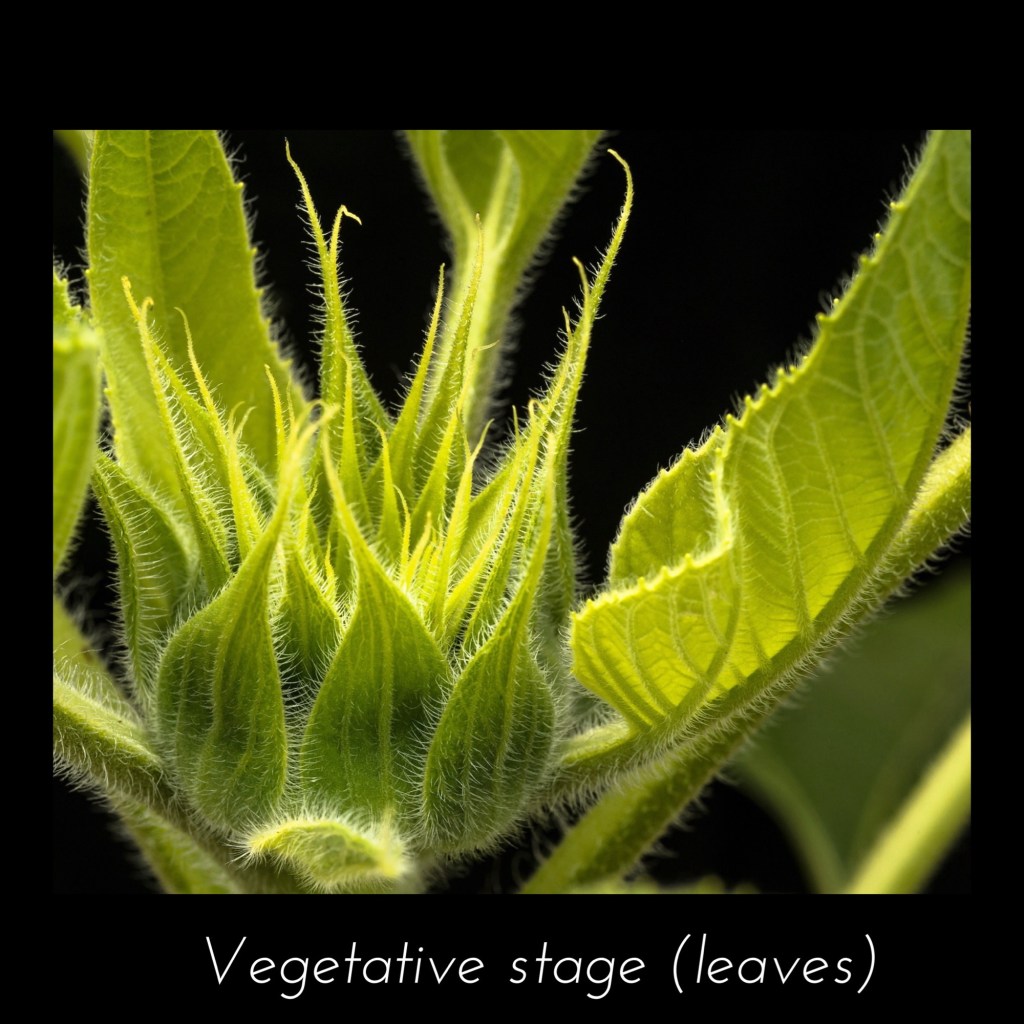
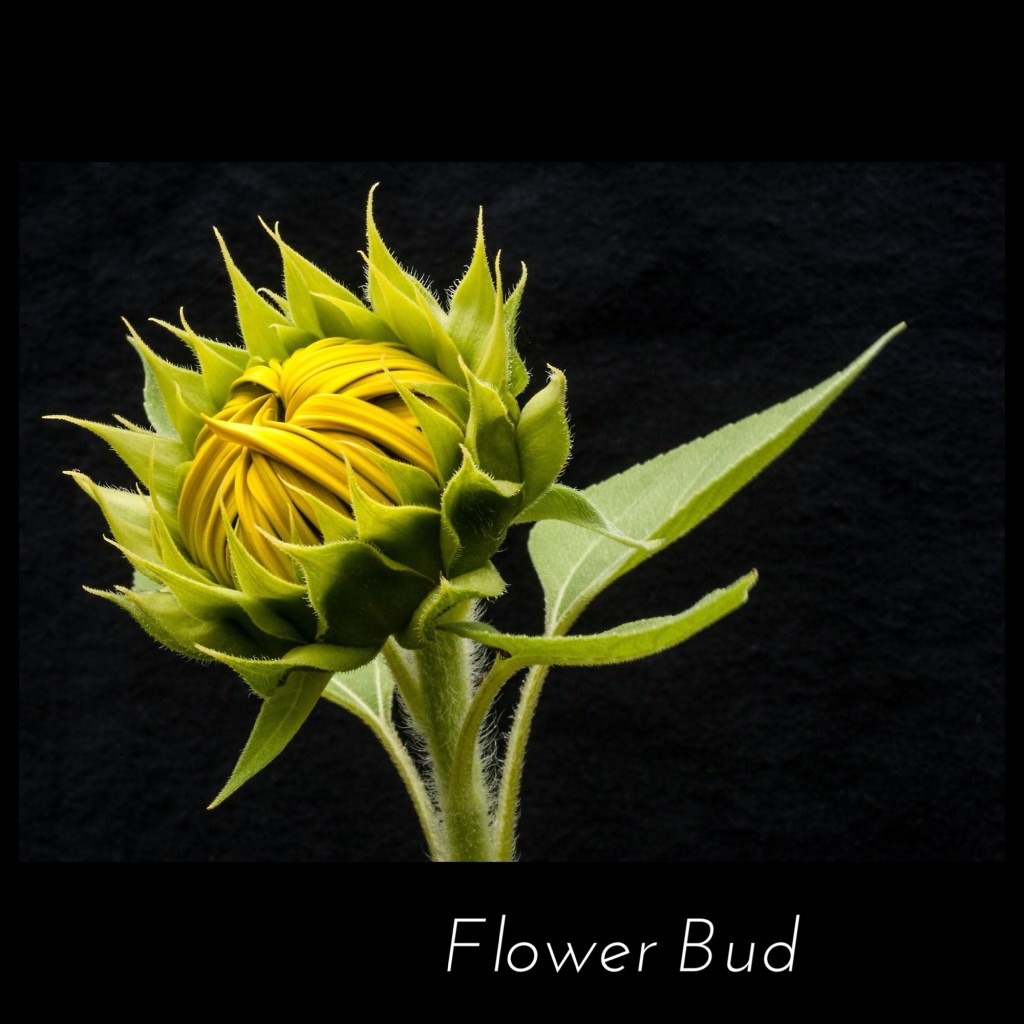
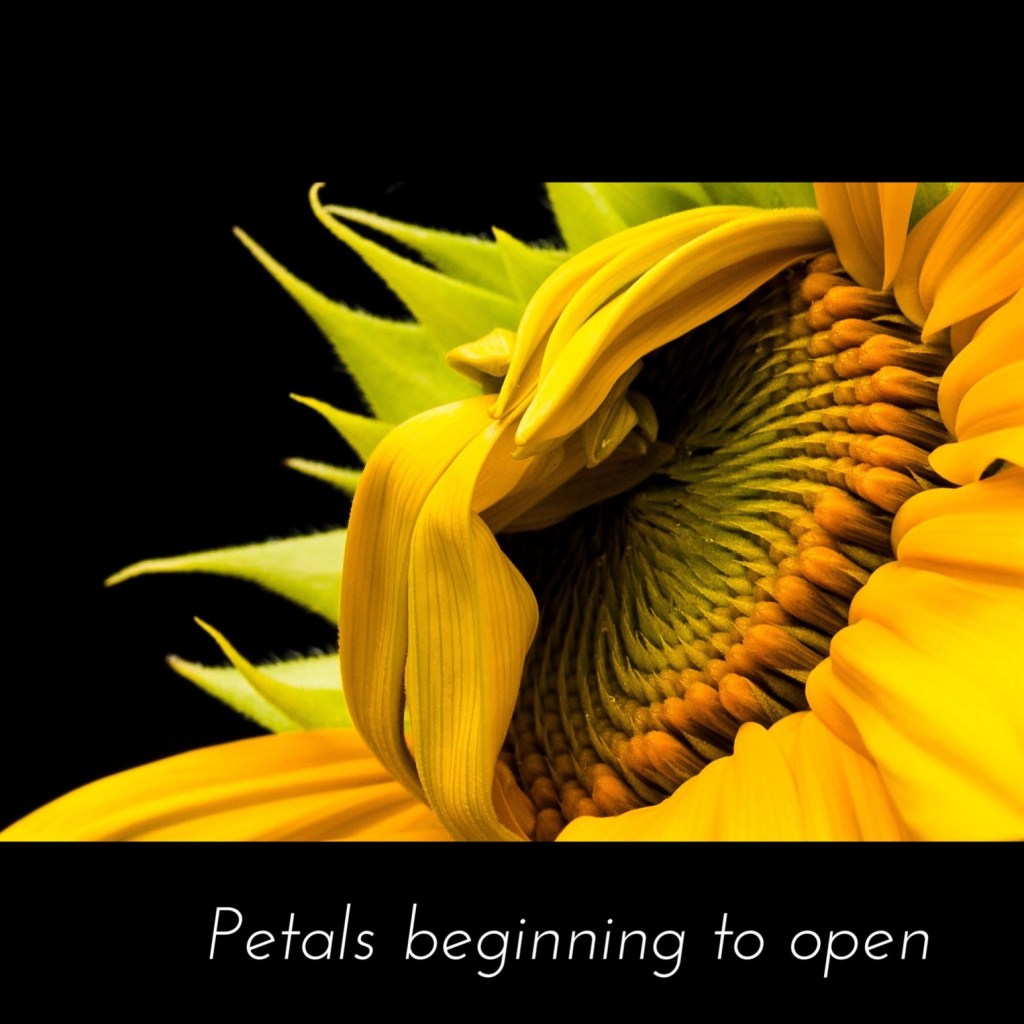
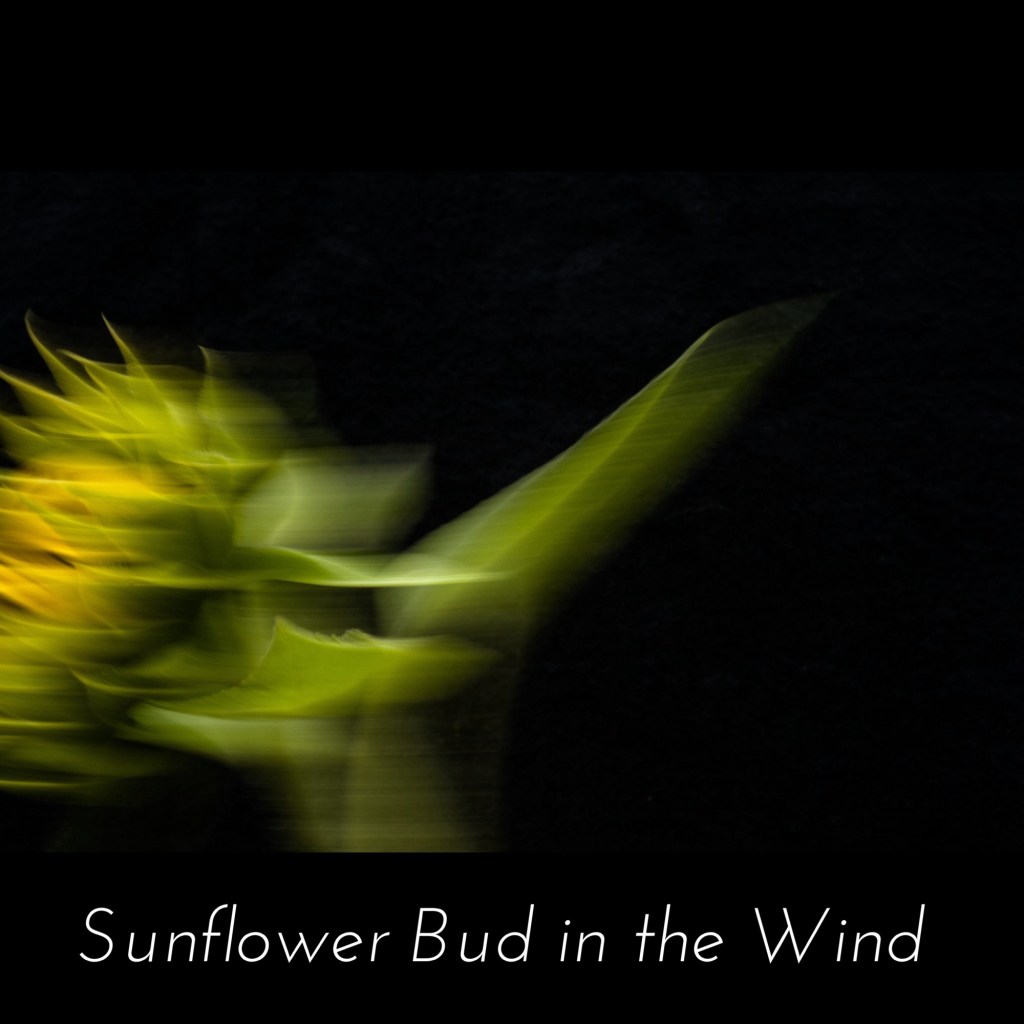
I wanted to learn more about sunflowers. My curiosity was not just about the beauty of their bright blossoms, but what they were all about. I ordered mammoth sunflower seeds, planted the seeds in a circle in my yard, waited, and watched. Over three months, I photographed the stages of growth from seedlings to decline. What I observed increased my appreciation for their beauty but raised even more questions.
Why did every flower develop a similar spiral pattern? Why were the seeds packed in so tightly and at an angle? My research revealed many connections between nature, mathematics, philosophy, and the rich history of intellectual inquiry — more on that in a later post.
The short-form answer to my questions is that the spiral pattern and the angle of the seeds in the sunflower represent the most efficient way to pack seeds in space and ensure reproductive success. The spirals are called “golden spirals,” reflecting Fibonacci numbers. The elegant angle of the seeds to each other aligns with the “golden angle’’. The pattern of the seeds in the sunflower represents what, in mathematics and aesthetics, can be called beauty — more on that in a future post. Leonardo Da Vinci described this phenomenon, which can also be seen in hurricanes, galaxies, pinecones, and pineapples, as the “Divine Proportions”.
One day, when the flowers were reaching maturity, I watched a pair of wild Brazilian Green Parrots as they fed on the seeds. The two parrots took up positions next to each other on two sunflowers. While one ate, the other stood guard, watching for any threat. After a while, they switched roles. The one guarding then ate, and the other provided protection.
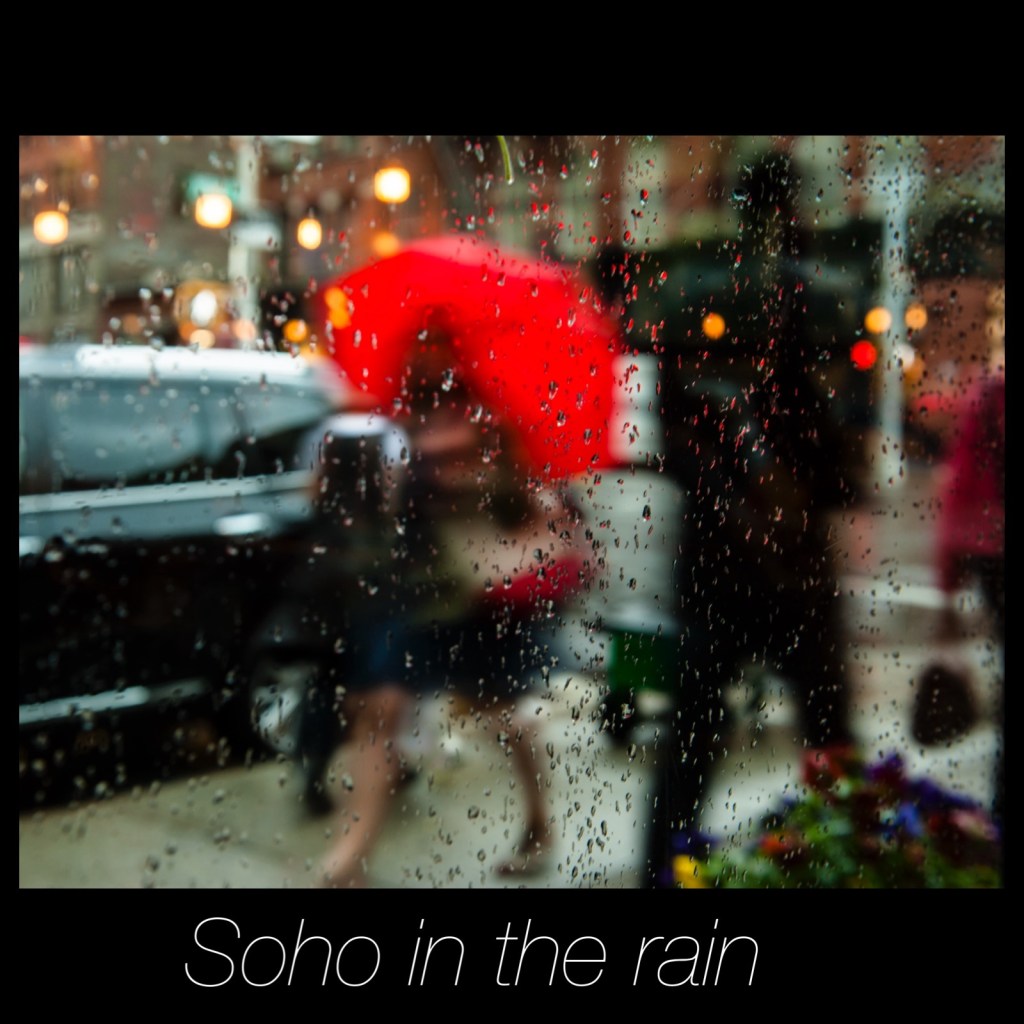
Like many children, I loved to go out in the rain and splash in puddles on the street.
Rain, like a cloud, is easily taken for granted. Water is integral to our existence. When we pause and observe, we have the chance to get in touch with something elemental in our lives.
Hurricane Milton, Sarasota, Florida
Different types of rain elicit a wide range of feelings. There is gentle, poignant melancholy in a light, mid-afternoon rain. It feels safe – even reassuring. Rain is a symbol of renewal and rebirth. When rain comes in excess it can be terrifying, bringing the potential for destruction. We use our technology to build roads, canals, bridges, levees, and dams – assuming we can control nature. Then a devastating storm comes and we are painfully reminded of our limitations and the need to live in ways that are in harmony with nature, respecting its power.
I can remember a number of times when I was about to leave a cafe in New York City and a thunderstorm delivered a torrent of rain, giving me the excuse to stay put, have another cup of coffee, and share more time with a friend.













 wayne eastep's blog