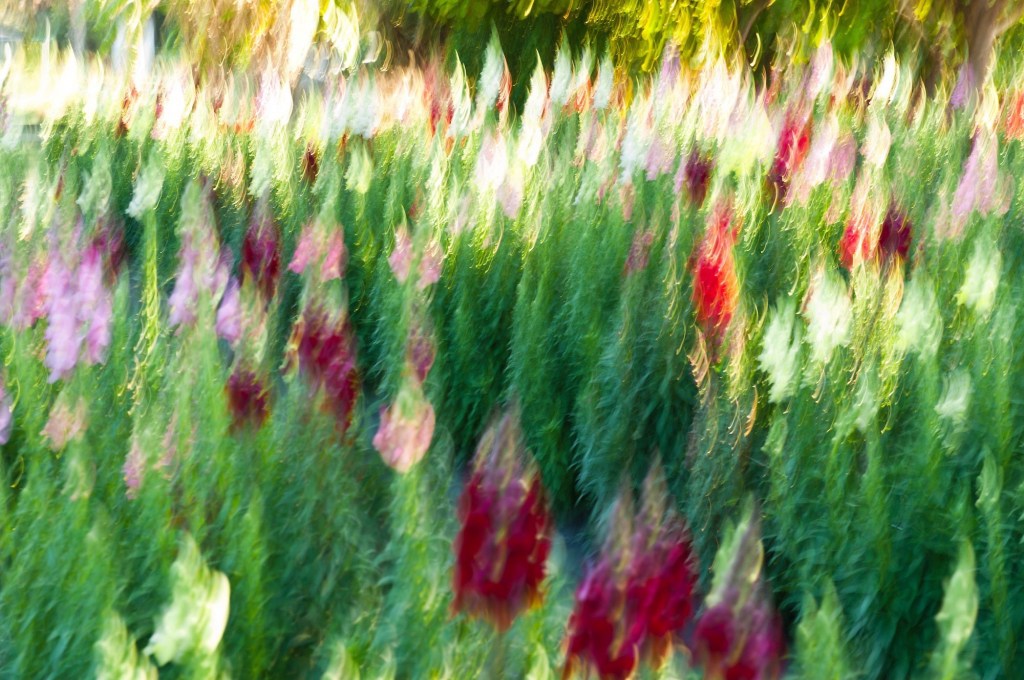
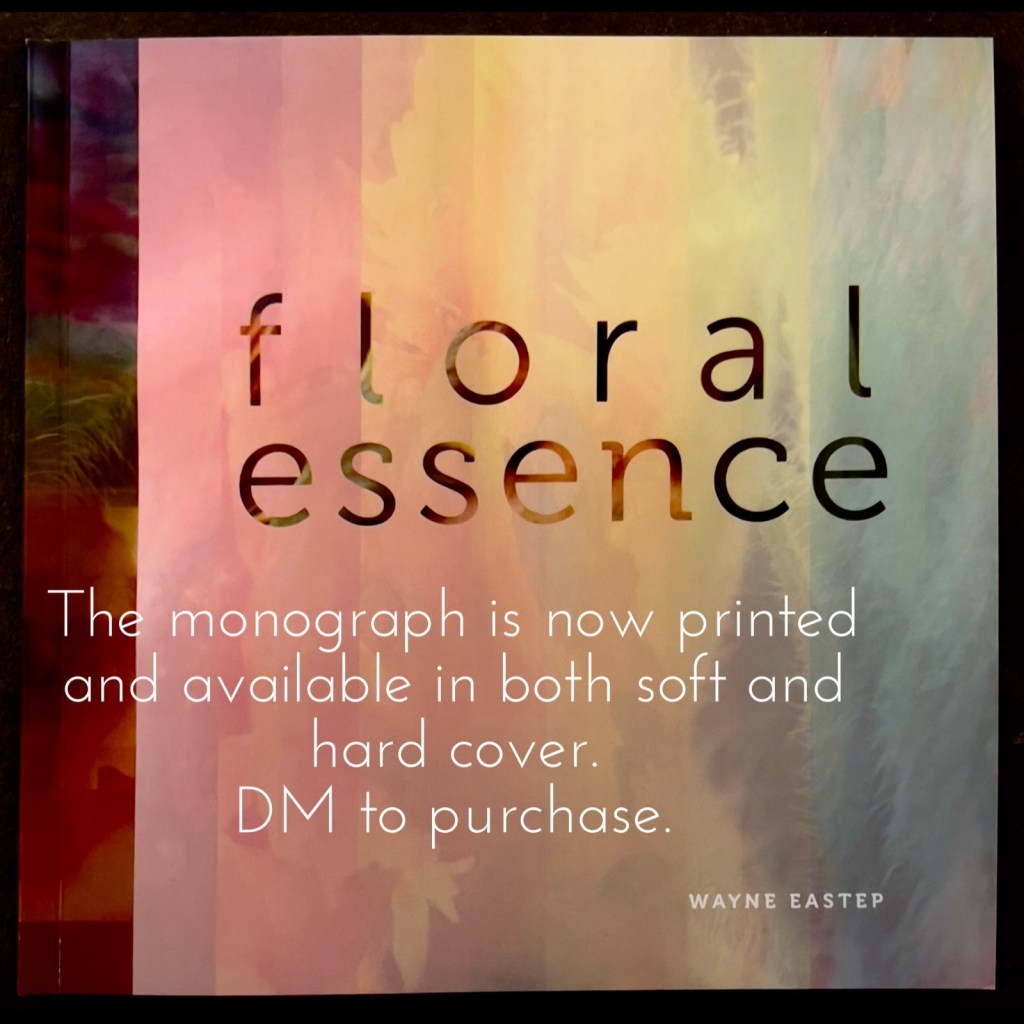
The series “Floral Essence” comes to a finale. A post about the Amaryllis feels like the perfect subject at the right time with which to conclude this series.
As holidays near, wax-dipped Amaryllis bulbs show up in the shops, ready to brighten the gray winter days with color.
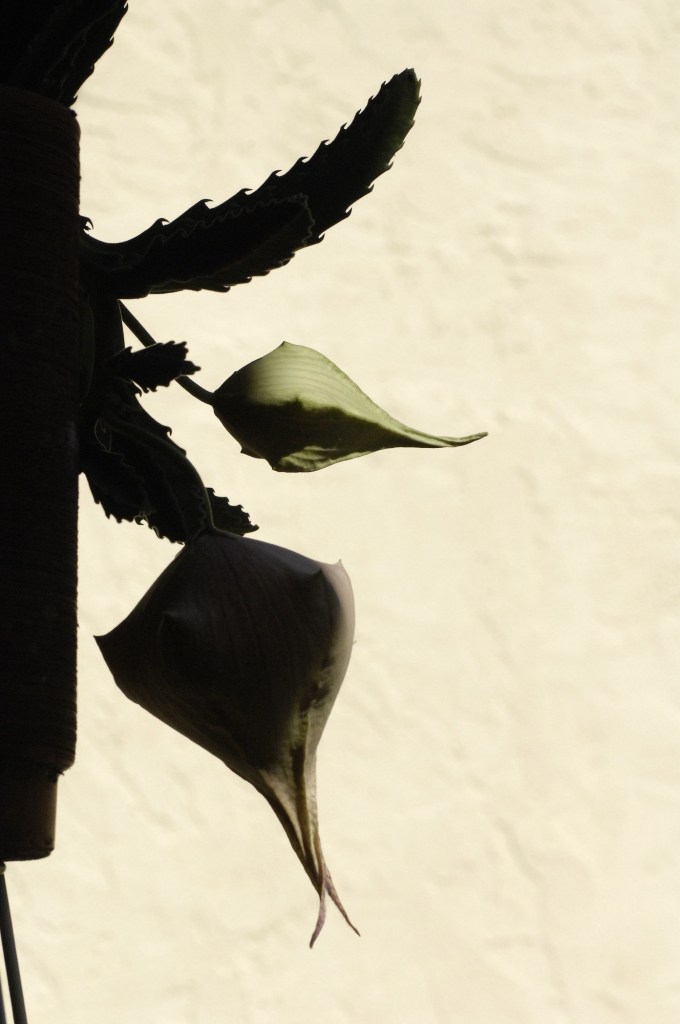
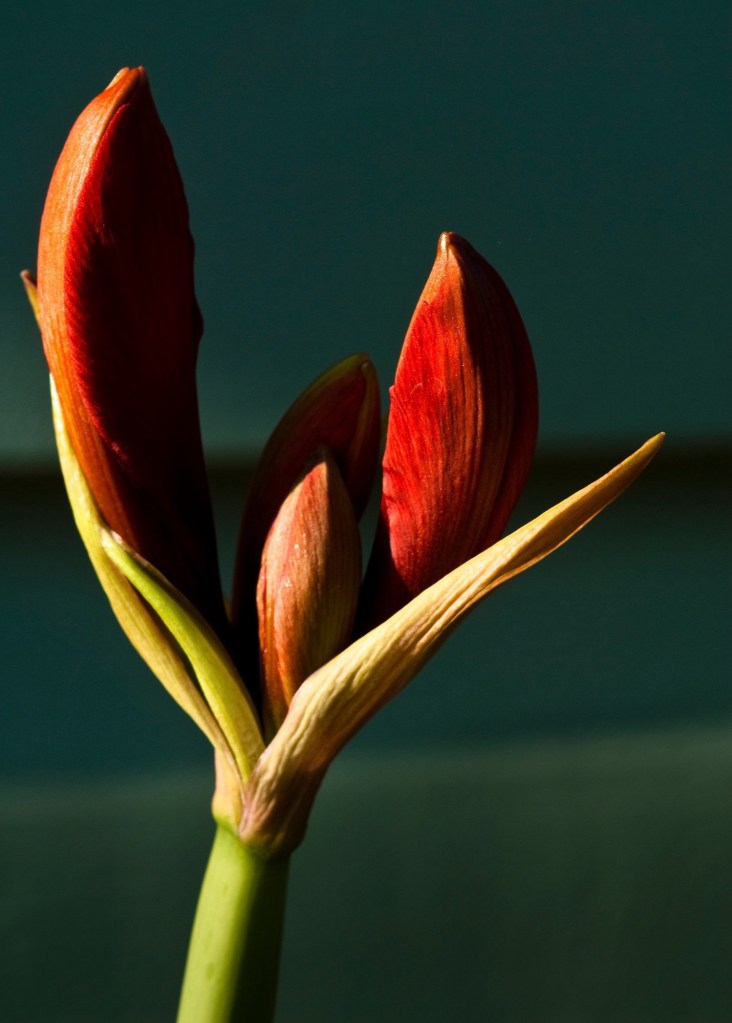
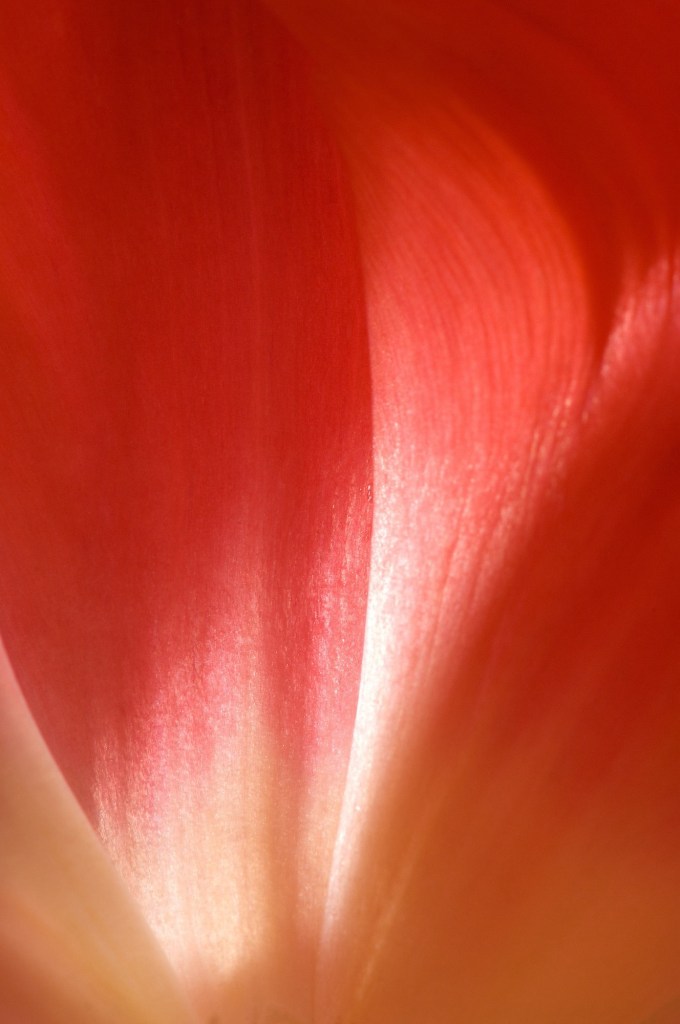
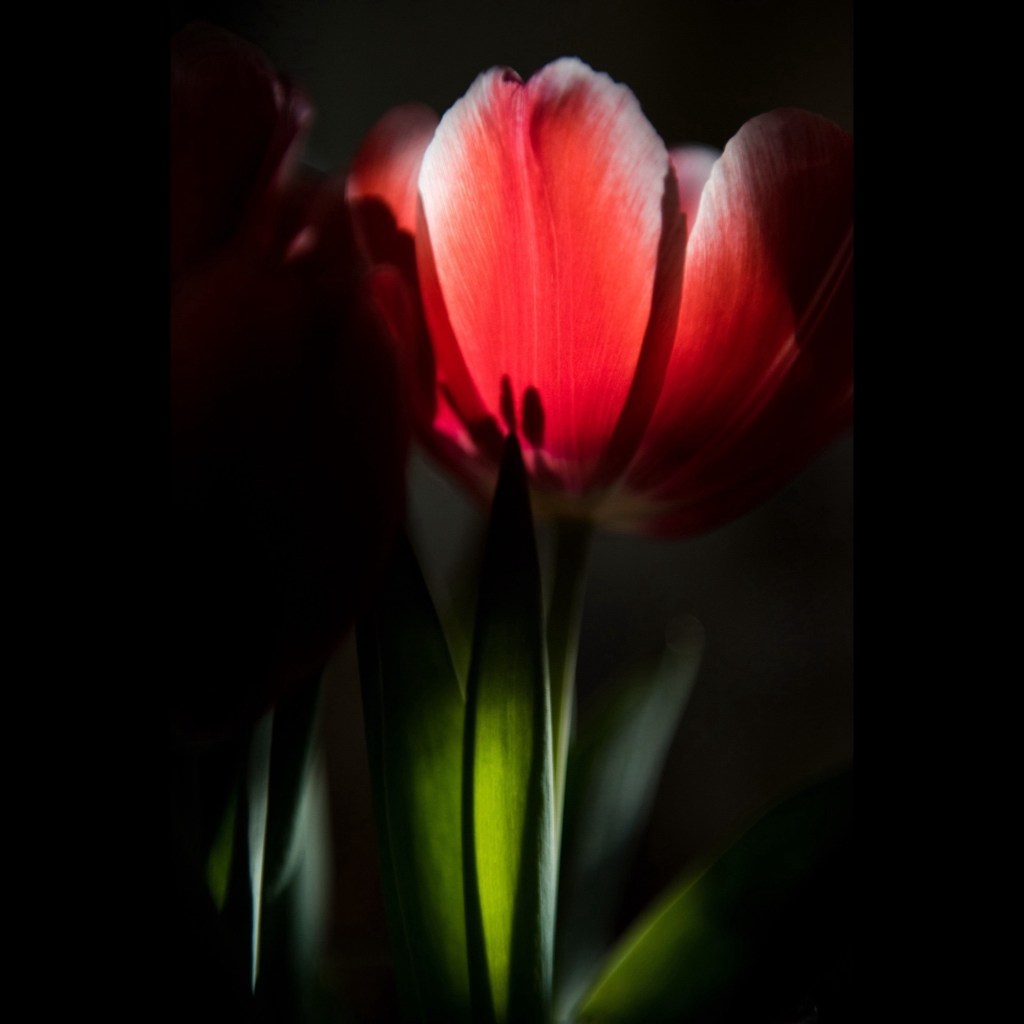
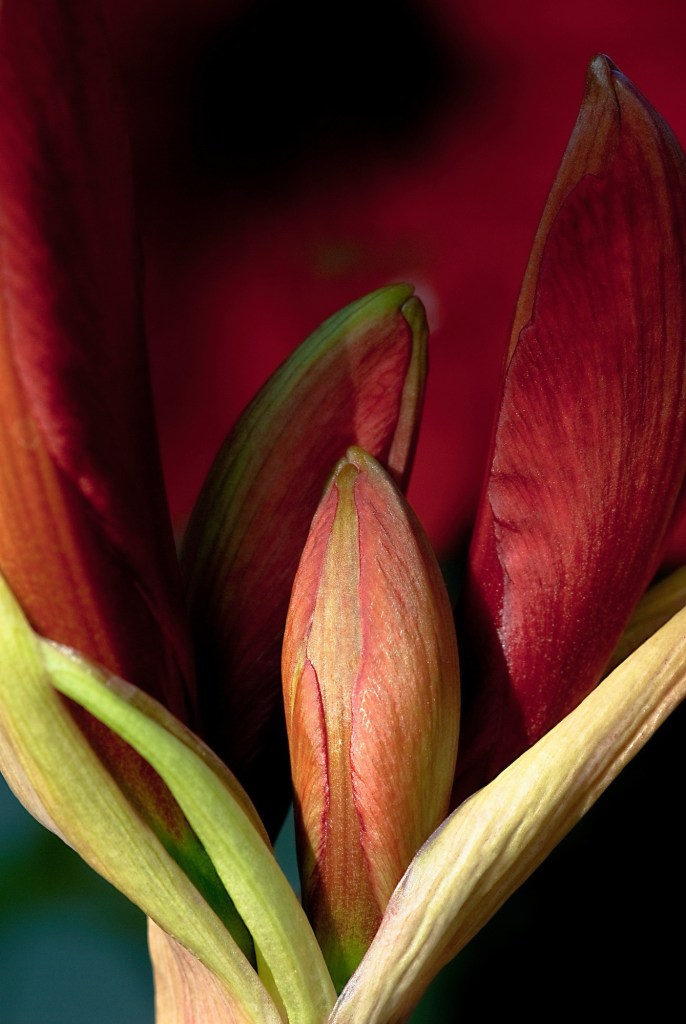
Amaryliss buds
Named from the Greek word for “to sparkle,” it is fitting that the Amaryllis blooms in winter, around Christmas.
Given their sturdy stems and vertical profile, Amaryllis symbolize strength, pride, and determination. When the flowering phase ends, you can cut the stem and preserve the bulb; it will flower again next year. With proper care, it can live for up to 75 years.
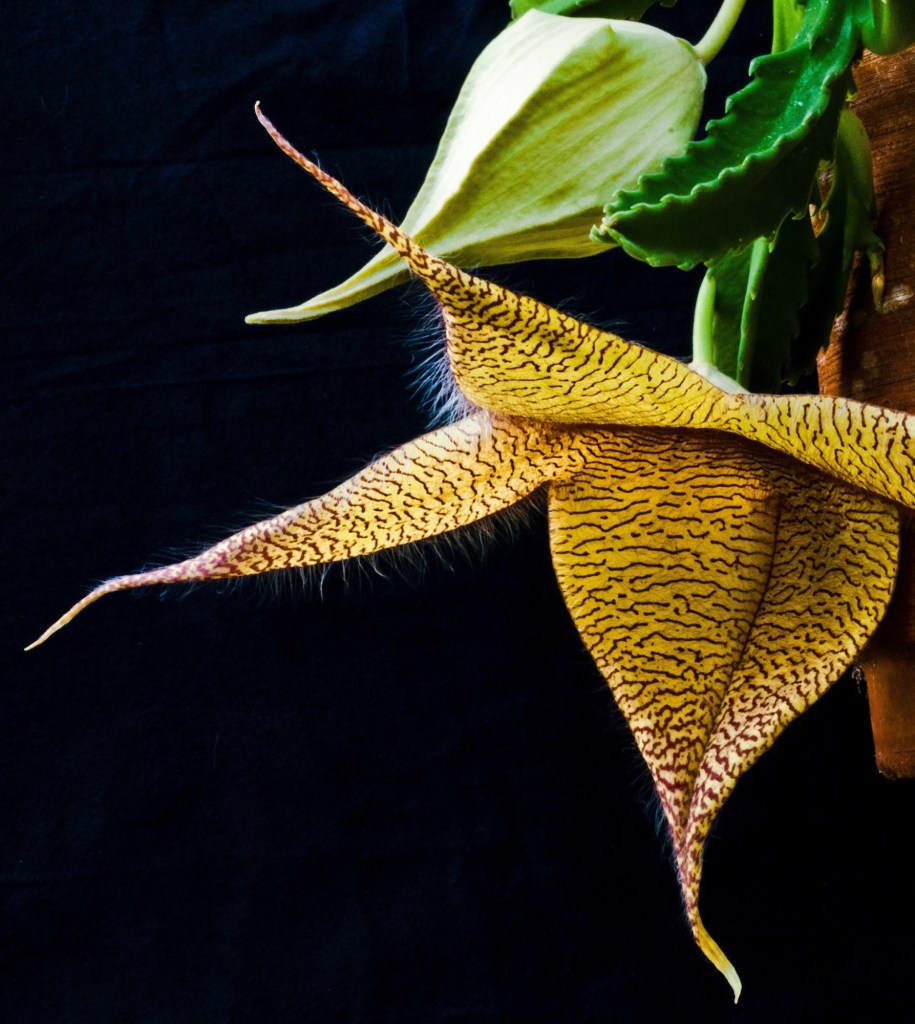
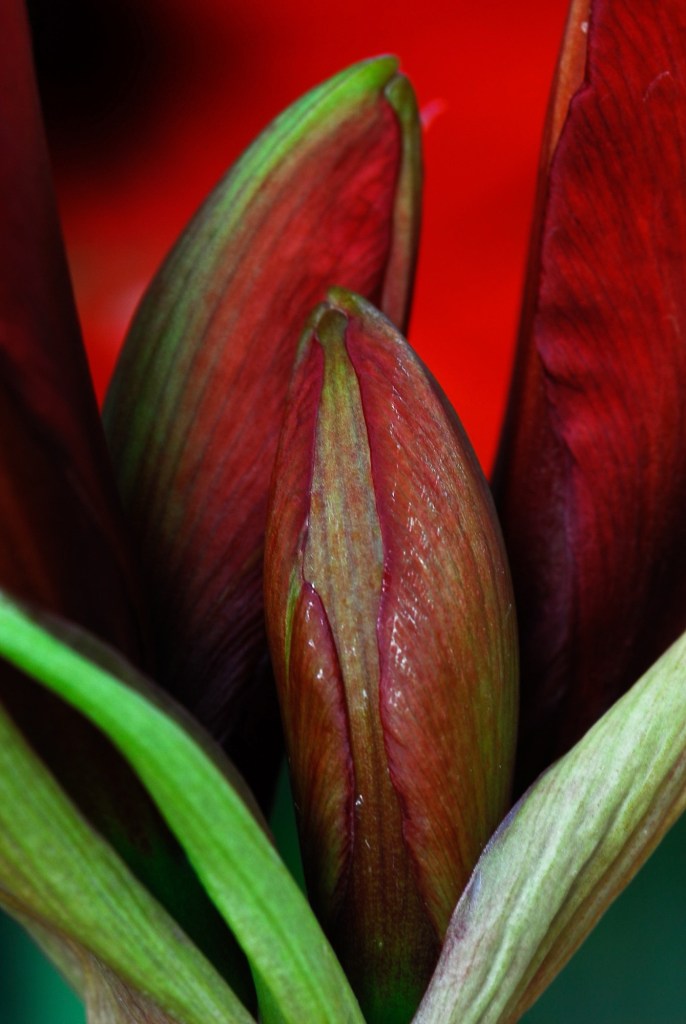
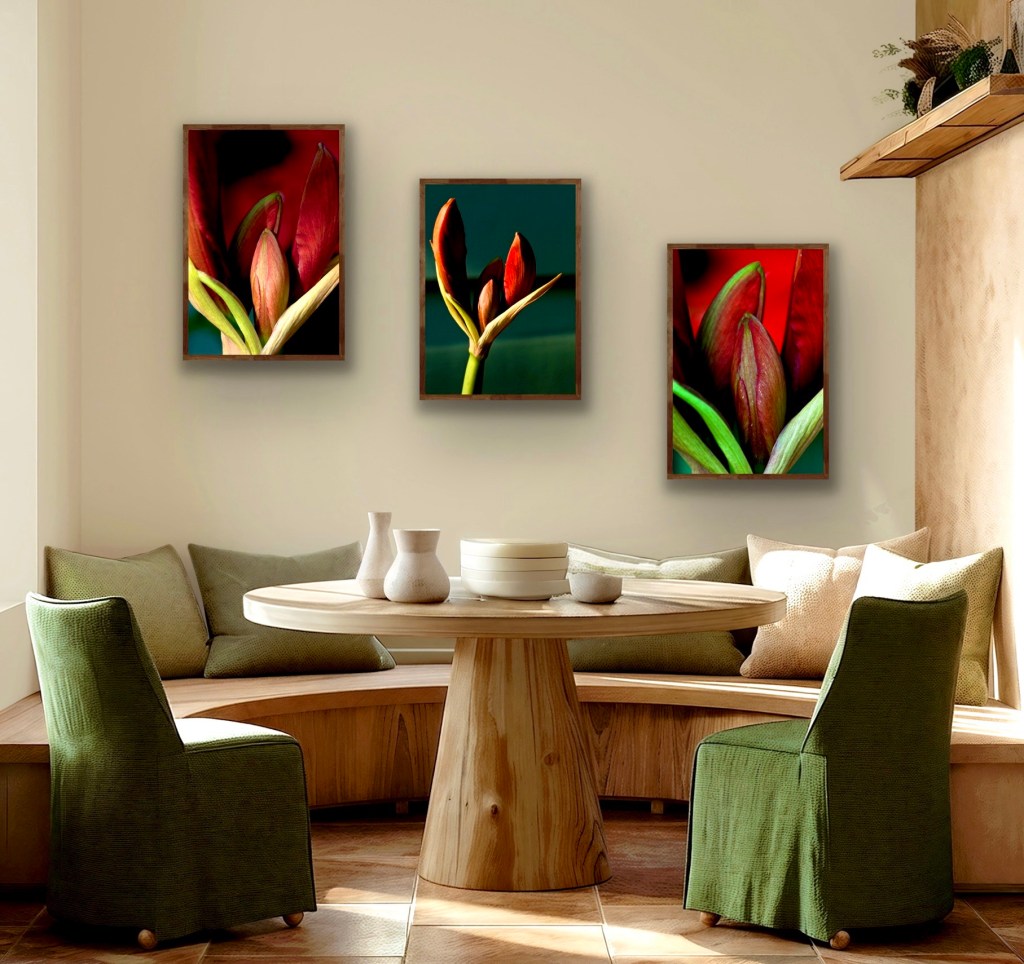
Amaryllis buds
Thank you for following Floral Essence. It has been an inspiring journey through the language of flowers.
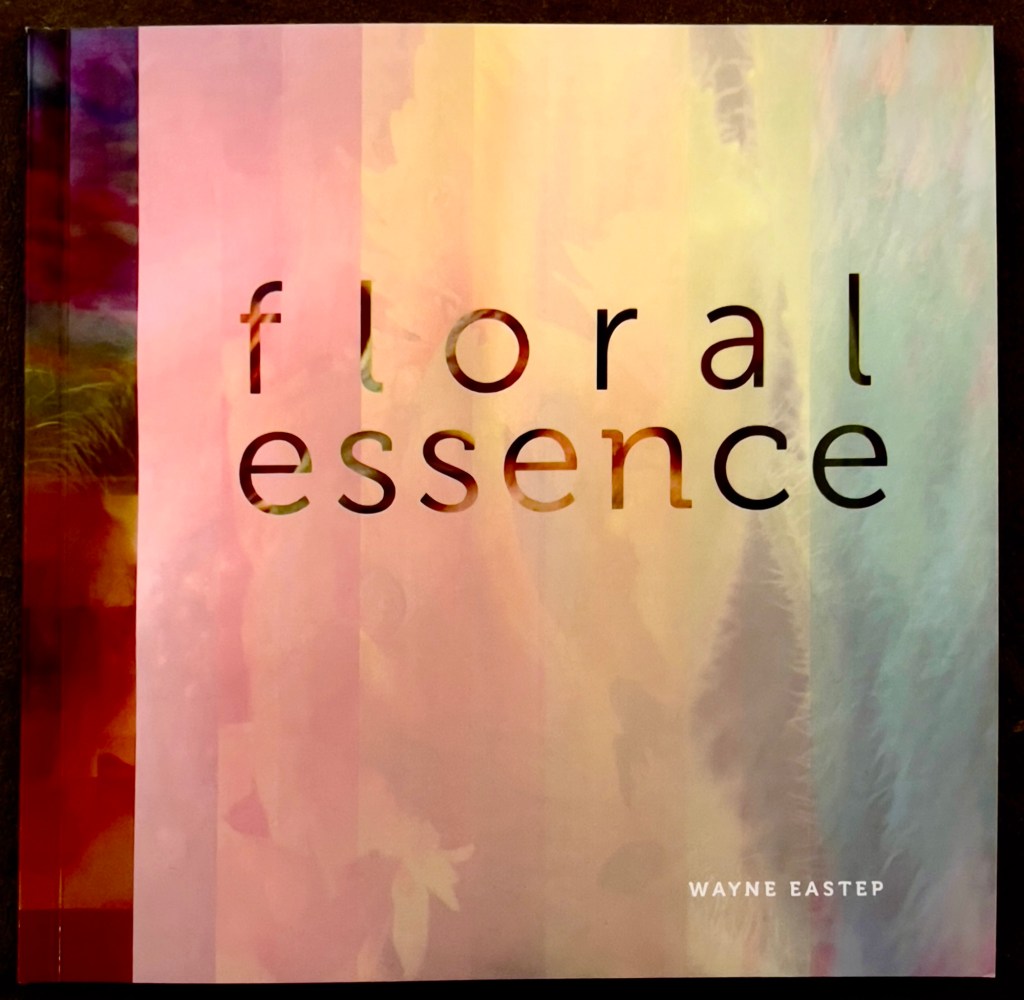
An exceptional monograph is on the way, stay tuned!
Back to work on a new series about a different subject.
Feather grasses growing on the Steppes of Kazakhstan
Feather Grasses, like these near Sergeyevka, Kazakhstan, have grown for millennia in the thin topsoil of the Steppes; some varieties are now scarce or endangered species. The Steppes were covered in this ideal pasturage prior to the Soviets’ misguided Virgin Land Reclamation policy of the 1950s, under which nearly 25 million hectares (approximately 62 million acres) of the northern Steppes were plowed to plant wheat.
The feather grasses provide nutrition for horses, cattle, sheep and goats, ensuring a sustainable food source for nomads.
The sea of grasses move in waves with the wind, nurturing a soul that’s living in relationship with nature.
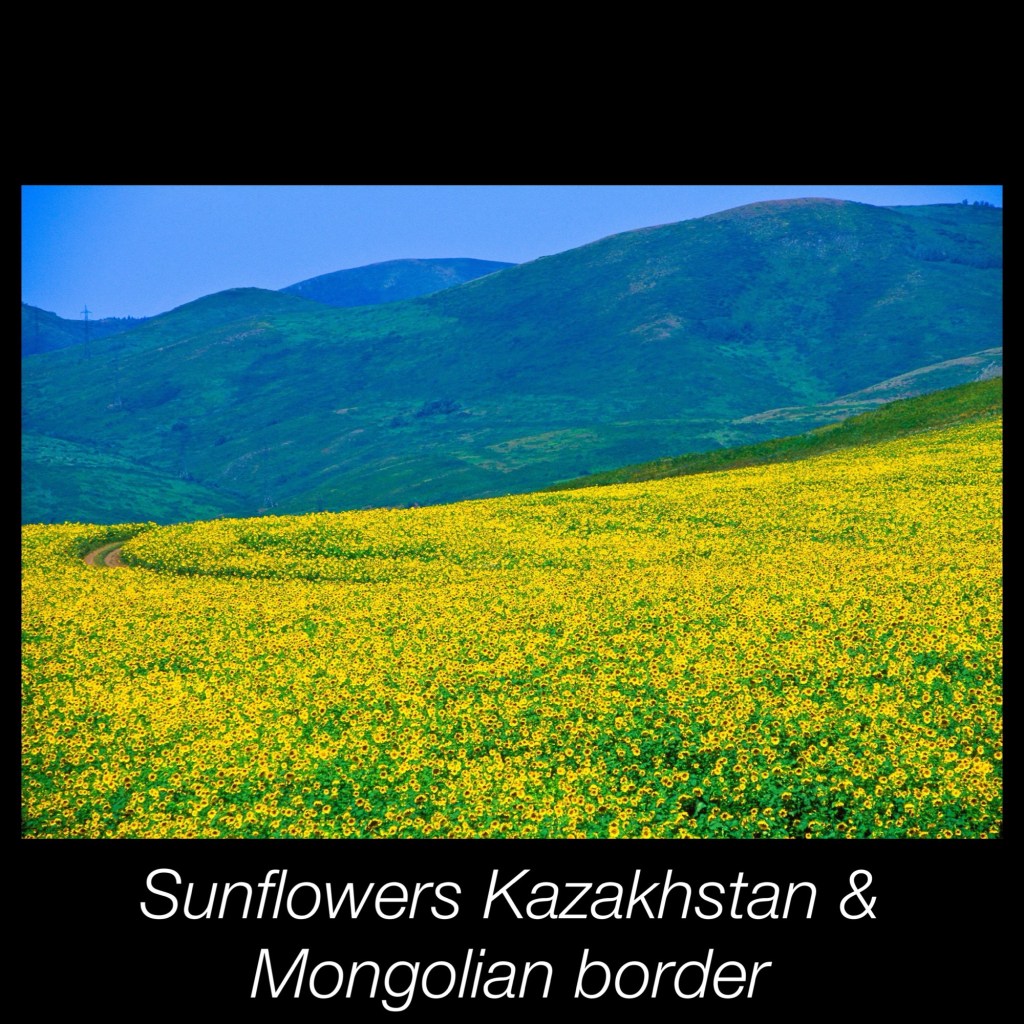
As we were driving along the border of Kazakhstan toward Mongolia, we crested a hill. The field in front of us, all the way to the horizon, was filled with sunflowers as far as the eye could see. I had our fixer pull over. I got out of the jeep, went into the field, and made a series of images of the golden carpet of sunflowers in full bloom. It knocked me out!
Over the next couple of years, the magnificence of those sunflowers remained alive in my memory.
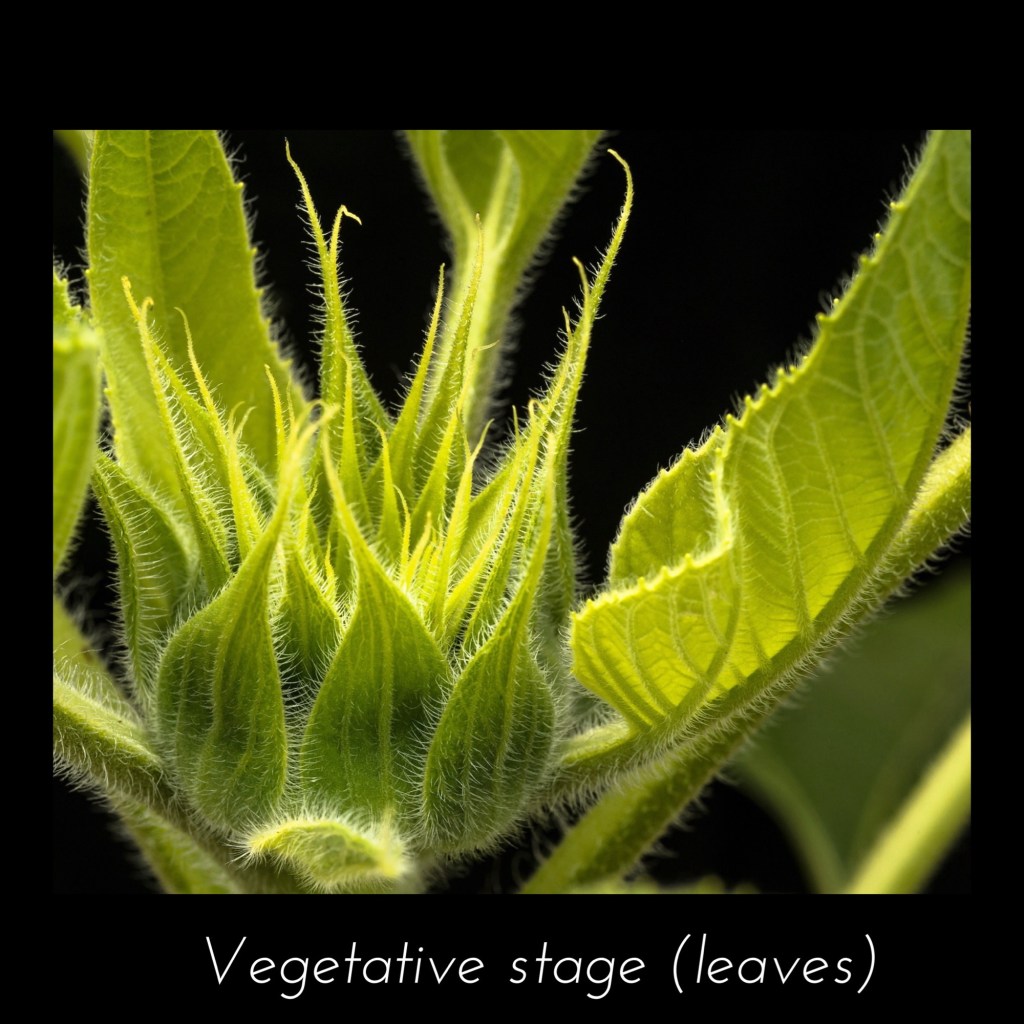
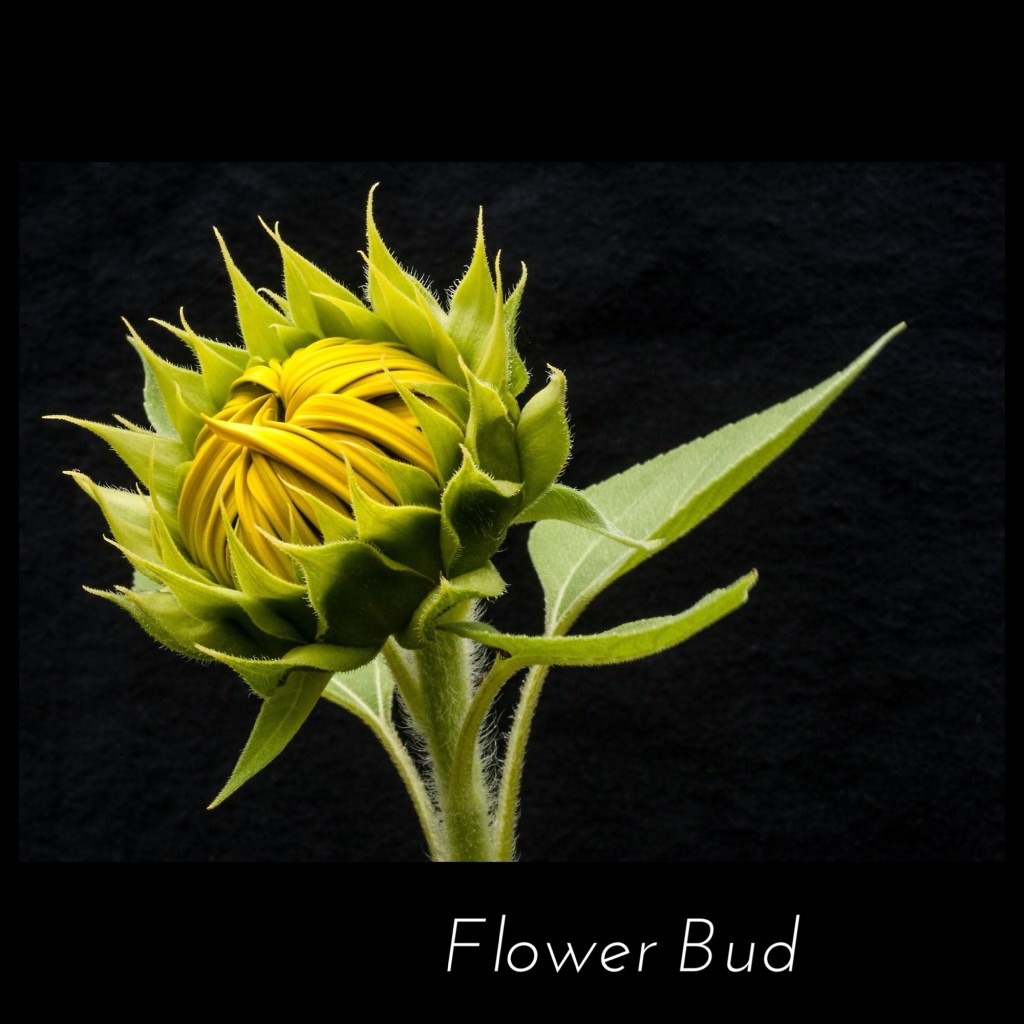
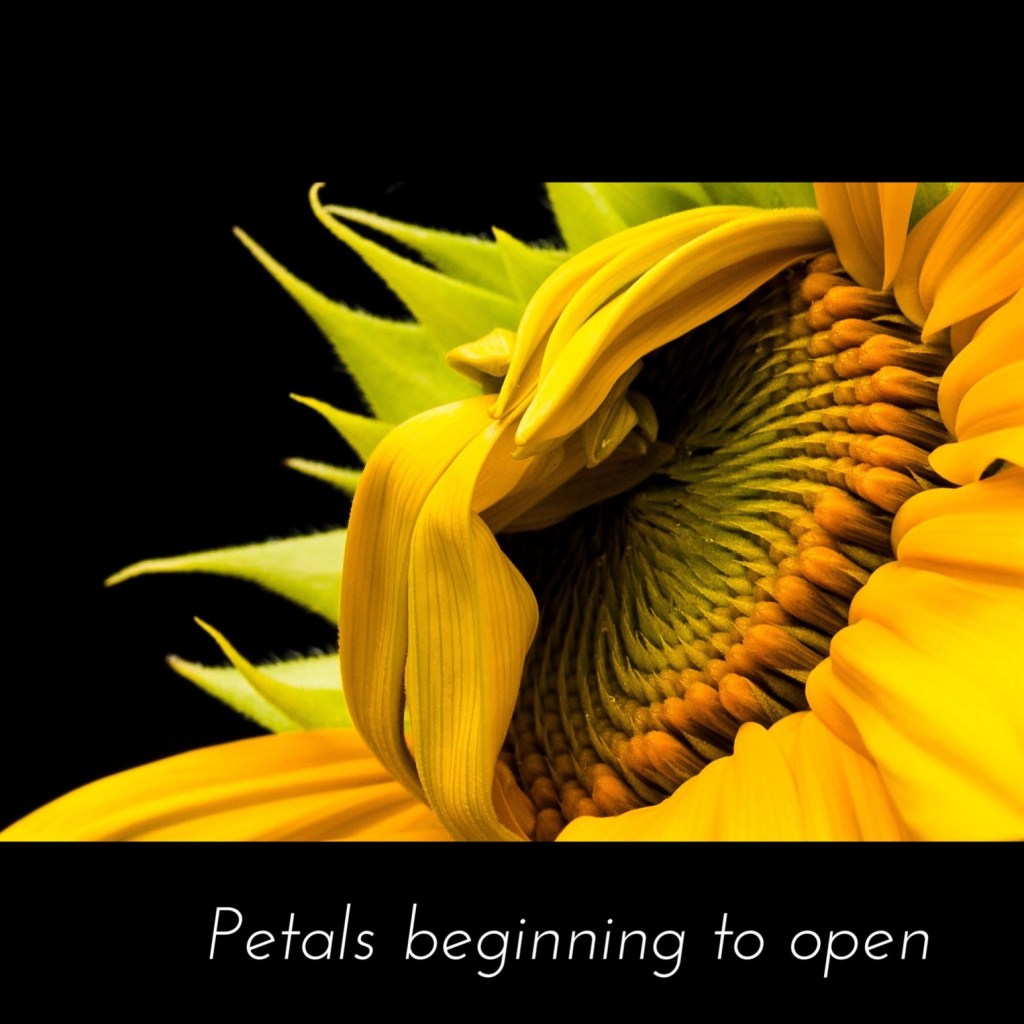
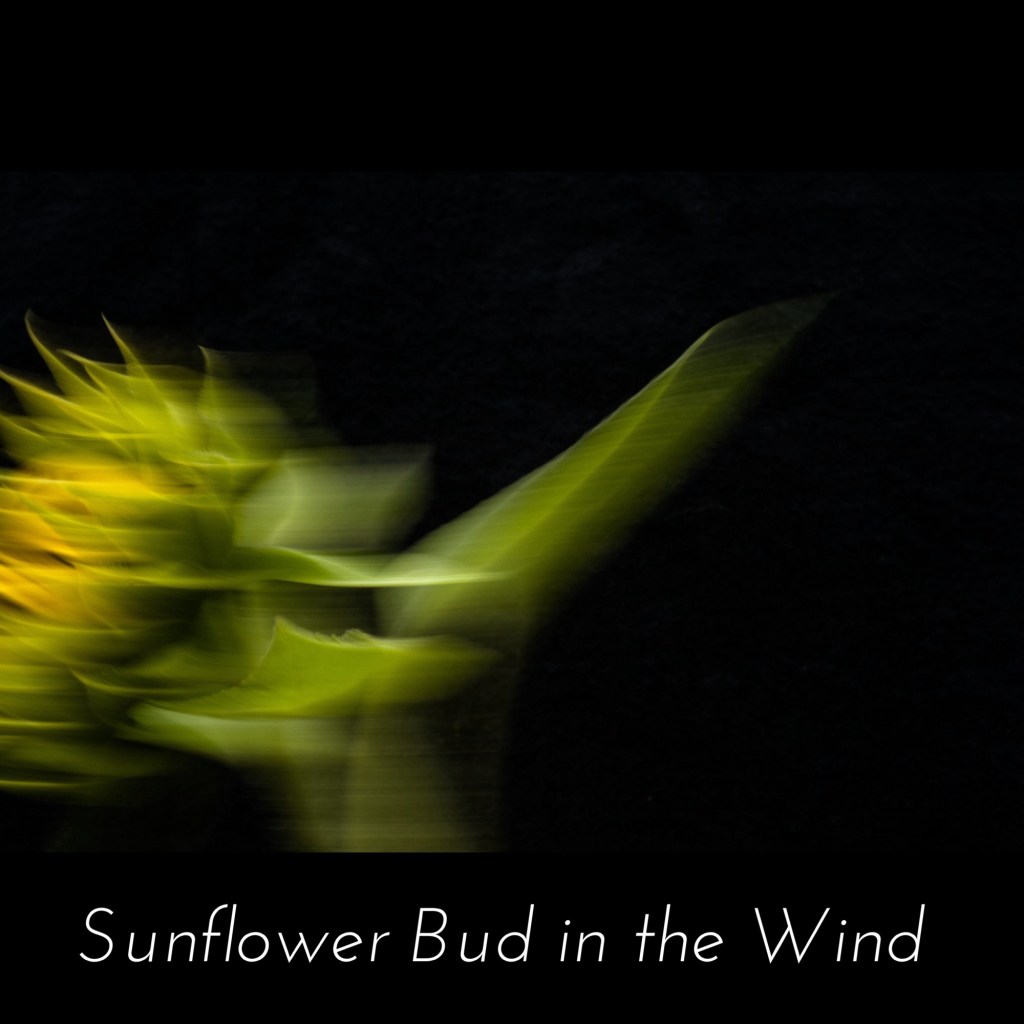
I wanted to learn more about sunflowers. My curiosity was not just about the beauty of their bright blossoms, but what they were all about. I ordered mammoth sunflower seeds, planted the seeds in a circle in my yard, waited, and watched. Over three months, I photographed the stages of growth from seedlings to decline. What I observed increased my appreciation for their beauty but raised even more questions.
Why did every flower develop a similar spiral pattern? Why were the seeds packed in so tightly and at an angle? My research revealed many connections between nature, mathematics, philosophy, and the rich history of intellectual inquiry — more on that in a later post.
The short-form answer to my questions is that the spiral pattern and the angle of the seeds in the sunflower represent the most efficient way to pack seeds in space and ensure reproductive success. The spirals are called “golden spirals,” reflecting Fibonacci numbers. The elegant angle of the seeds to each other aligns with the “golden angle’’. The pattern of the seeds in the sunflower represents what, in mathematics and aesthetics, can be called beauty — more on that in a future post. Leonardo Da Vinci described this phenomenon, which can also be seen in hurricanes, galaxies, pinecones, and pineapples, as the “Divine Proportions”.
One day, when the flowers were reaching maturity, I watched a pair of wild Brazilian Green Parrots as they fed on the seeds. The two parrots took up positions next to each other on two sunflowers. While one ate, the other stood guard, watching for any threat. After a while, they switched roles. The one guarding then ate, and the other provided protection.
Spiral staircase, Shaker Village, Pleasant Hill, Kentucky
Spiral cherry wood staircase, one of a twin. Designed by Michajah Burnett for the Trustee’s house at the Shaker Village, Pleasant Hill, Kentucky.
I was commissioned by Nikon to use all their lenses to show each to it’s full creative and technical performance. The 8mm fisheye lens proved to be a challenge because it drew so much attention to the technical characteristic of the circular format. I felt it easily took away from the engaging aesthetics of the subject. That all changed when I came upon this magnificent spiral cherry wood staircase. There was a match between the way the concept of the spiral was formed within the staircase and the format of the fisheye lens. This image is the result.
The image is part of a collection of images I’ve curated illustrating my signature style.
Nautilus print sandwiched between two layers of plexiglass.
This image of a nautilus is sandwiched between two layers of plexiglass to protect it from moisture around the pool. The print is part of a 20 print collection permanently installed at the Grand Tier across from Lincoln Center on the upper west side of New York city.
This post-war 30 story high-rise was designed by famed architect Costas Kondylis, with interior spaces designed by renowned American Designer John Saladino.
Sandwiching the image between two layers of plexiglass made it possible to safely display the print in this moist environment. There are a number of solutions for displaying prints in challenging environmental conditions.
Contact me to discuss solutions for safely displaying prints in challenging spaces you’re working on. WayneEastep@Gmail.com
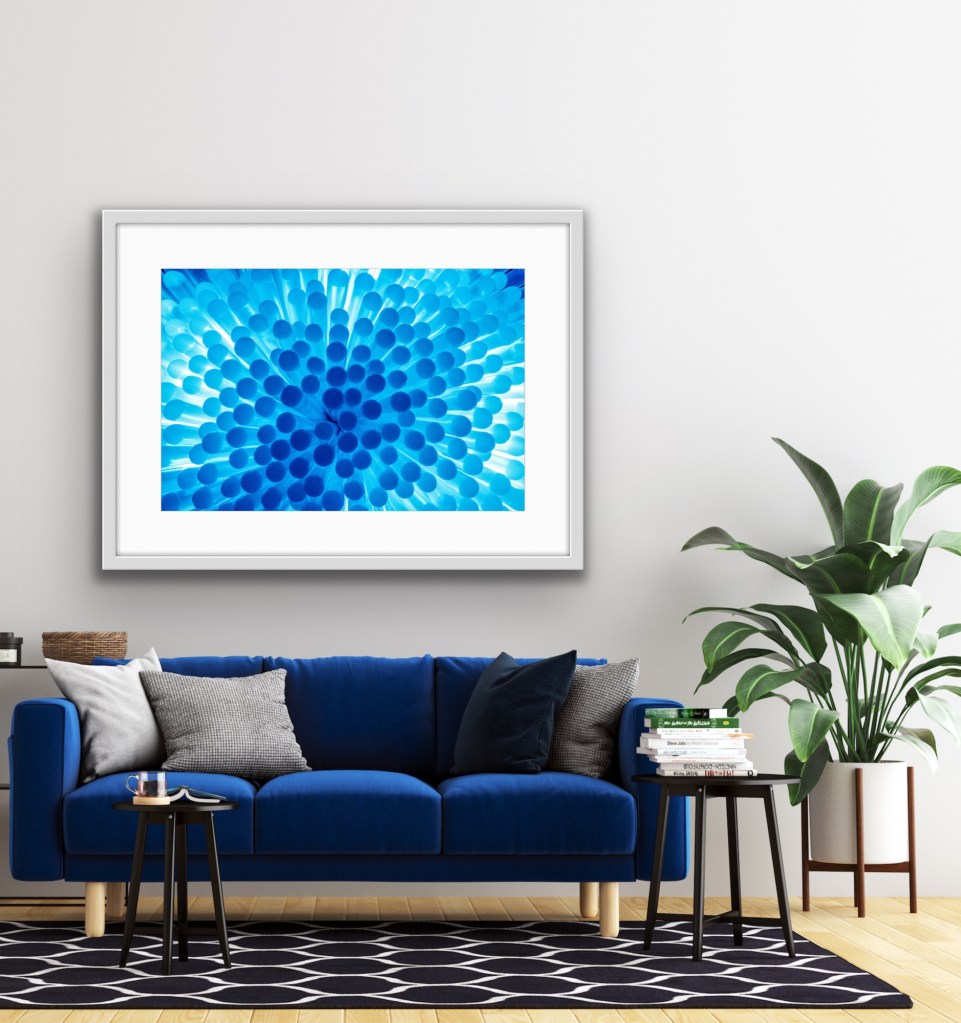
Add the element of the unexpected to your wall art by using an image of an industrial subject. This stunning pattern is blank tube forms used to make contact lenses.
Visit my online store to see this image in various sizes, matts, and frames, then position the framed print on the wall of different rooms. EastepPhotography













 wayne eastep's blog