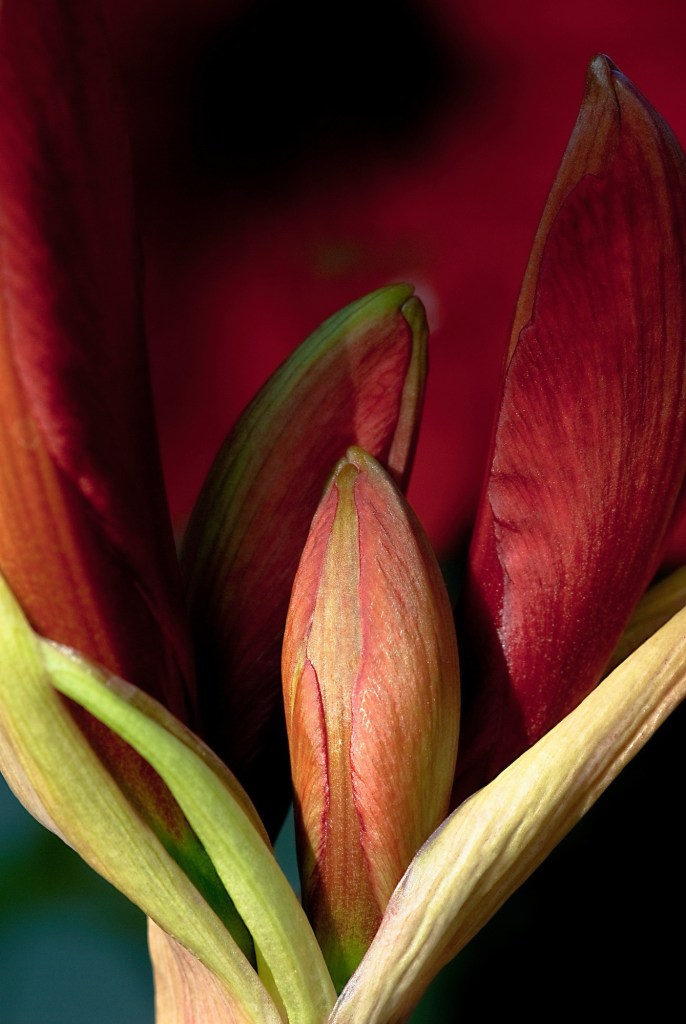
The series “Floral Essence” comes to a finale. A post about the Amaryllis feels like the perfect subject at the right time with which to conclude this series.
As holidays near, wax-dipped Amaryllis bulbs show up in the shops, ready to brighten the gray winter days with color.
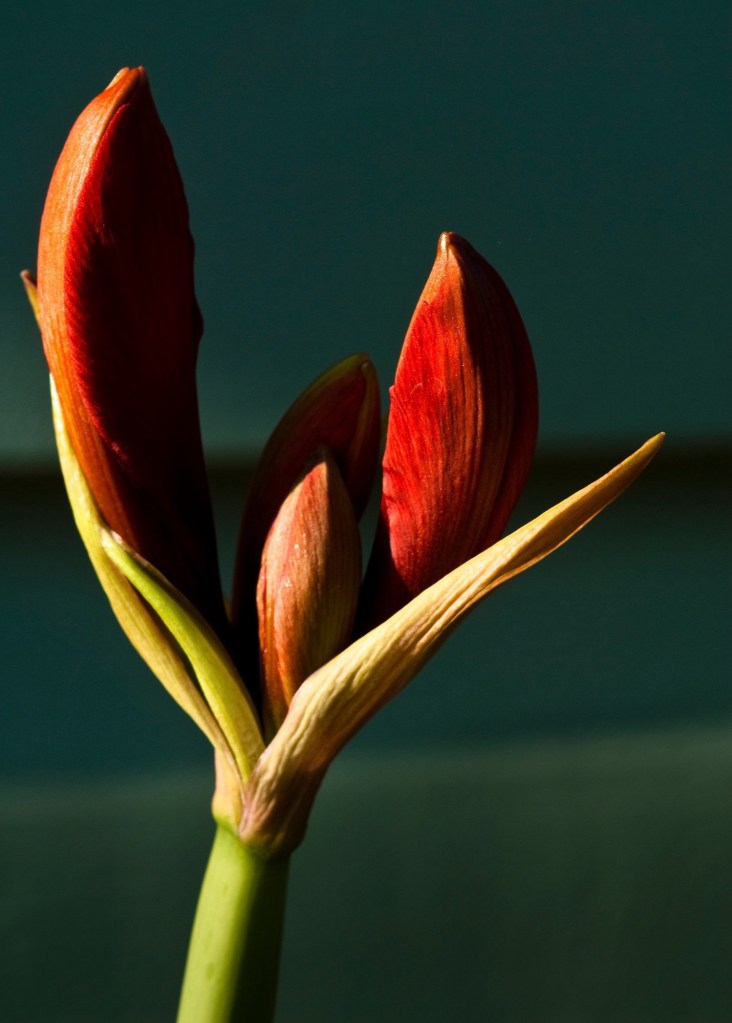
Amaryliss buds
Named from the Greek word for “to sparkle,” it is fitting that the Amaryllis blooms in winter, around Christmas.
Given their sturdy stems and vertical profile, Amaryllis symbolize strength, pride, and determination. When the flowering phase ends, you can cut the stem and preserve the bulb; it will flower again next year. With proper care, it can live for up to 75 years.
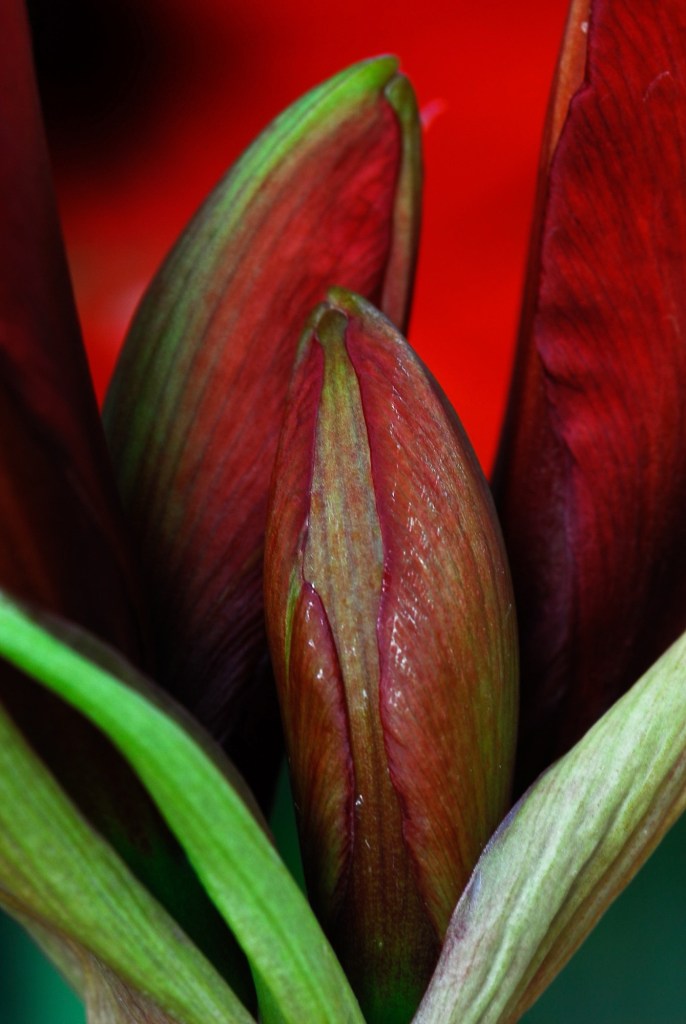
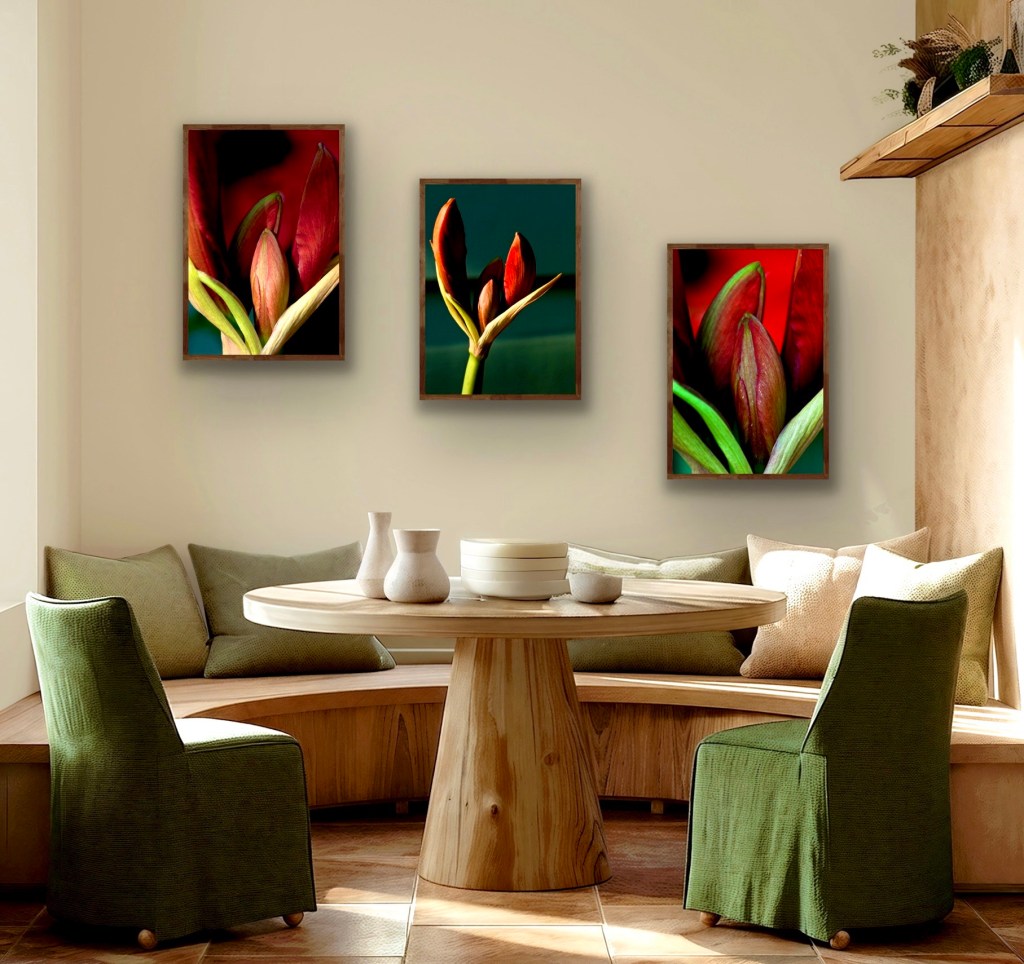
Amaryllis buds
Thank you for following Floral Essence. It has been an inspiring journey through the language of flowers.
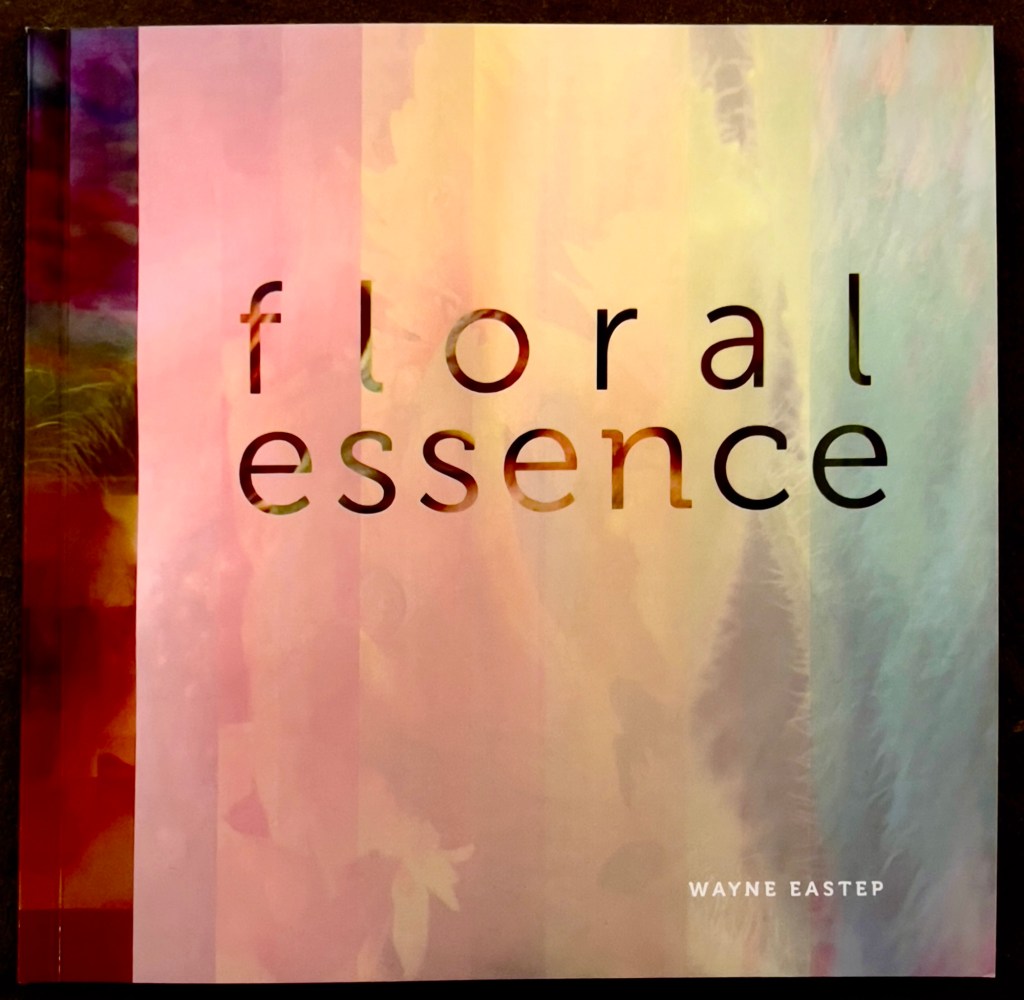
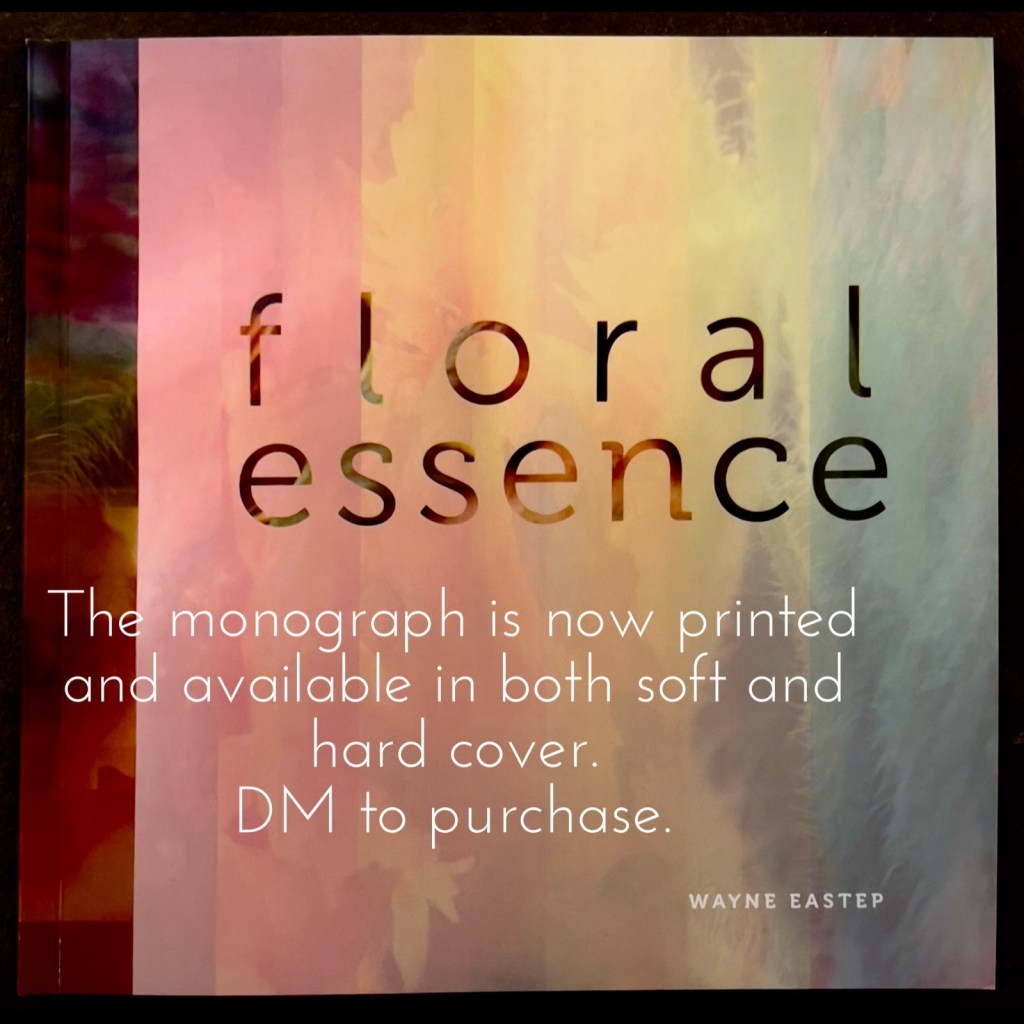
An exceptional monograph is on the way, stay tuned!
Back to work on a new series about a different subject.
Feather grasses growing on the Steppes of Kazakhstan
Feather Grasses, like these near Sergeyevka, Kazakhstan, have grown for millennia in the thin topsoil of the Steppes; some varieties are now scarce or endangered species. The Steppes were covered in this ideal pasturage prior to the Soviets’ misguided Virgin Land Reclamation policy of the 1950s, under which nearly 25 million hectares (approximately 62 million acres) of the northern Steppes were plowed to plant wheat.
The feather grasses provide nutrition for horses, cattle, sheep and goats, ensuring a sustainable food source for nomads.
The sea of grasses move in waves with the wind, nurturing a soul that’s living in relationship with nature.
Practicing photography can be much like practicing meditation. Both invite us to slow down and truly see. They heighten our awareness, sharpen our attention, and help us become more attuned to the quiet details that often pass unnoticed. This image is an expression of that mindful practice.
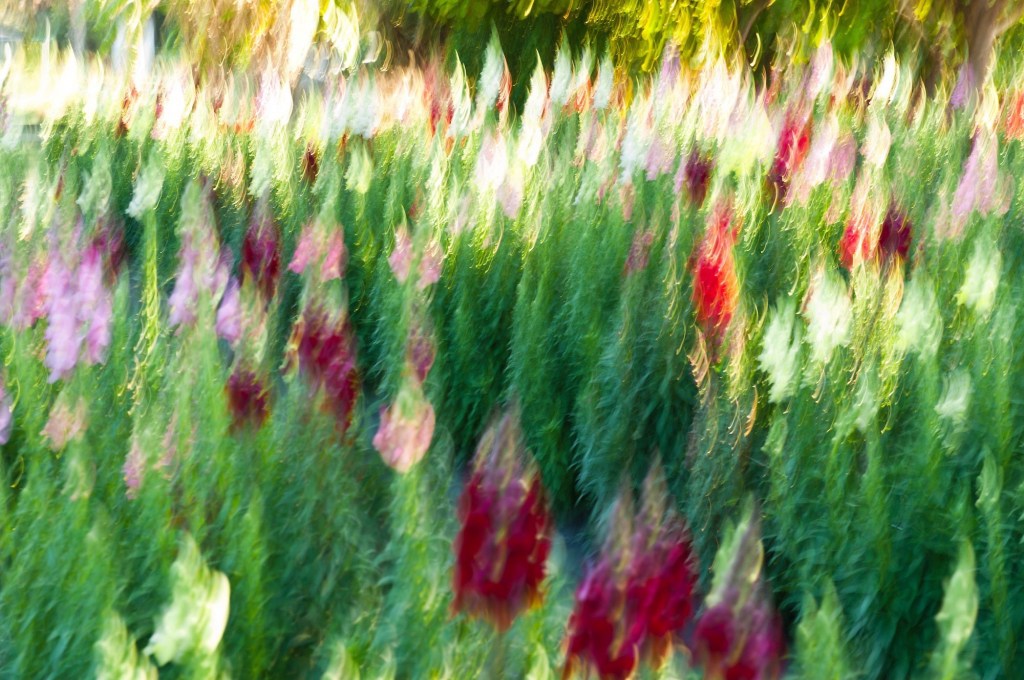
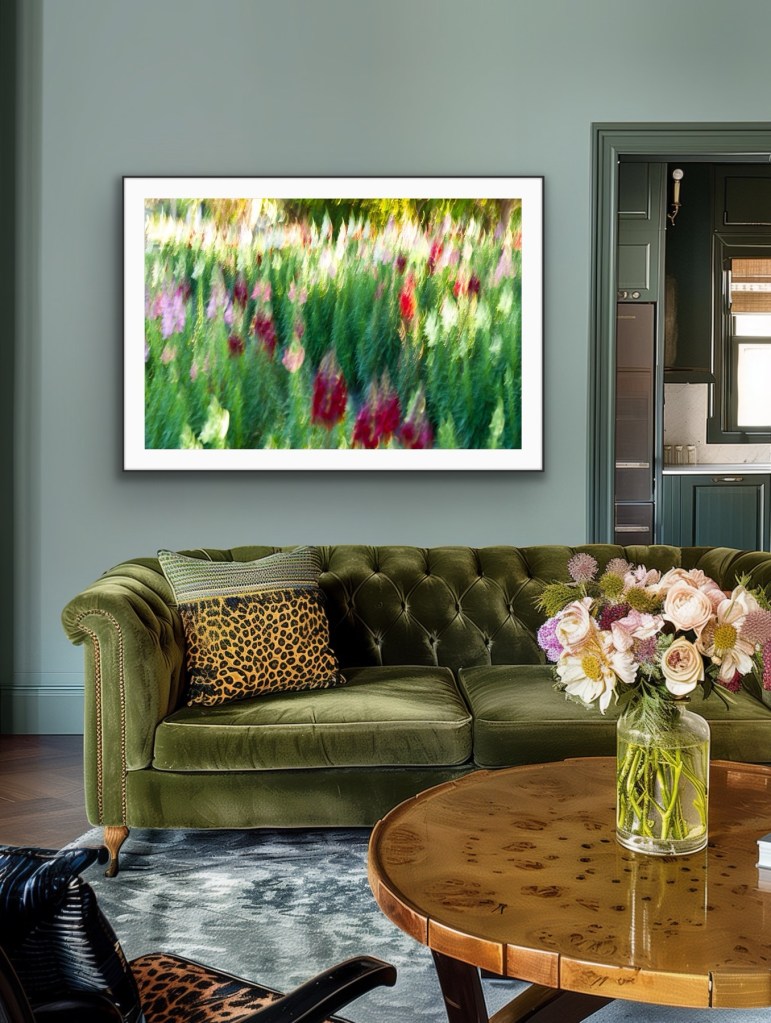
While driving near Sarasota, a field of snapdragons caught my eye—just a glimpse of color in my peripheral vision. I pulled over, spoke with the property owner, and was welcomed to wander the field with my camera.
As I began photographing, a gentle wind set the flowers in motion. In that moment, I saw not simply a field of snapdragons but blossoms dancing in the wind. I worked to capture the movement of the wind through the petals—more than a still image, a sense of motion and energy.
This photograph is the outcome of years of patient observation and practice. It also reflects what happens when we allow the mind’s eye to see beyond what is in front of us—when imagination meets perception, and feeling becomes form.
This series of images is part of a larger collection called Floral Essence. I’ll share more about that in the near future.
To see this image and more flower pictures, visit the gallery Flowers at: www.wayneeastep.com
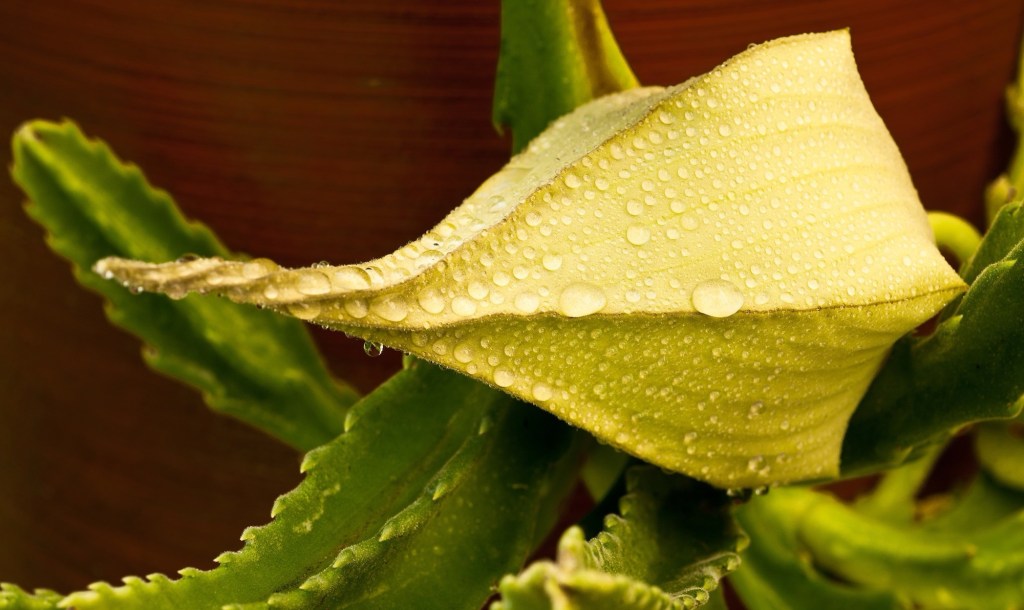
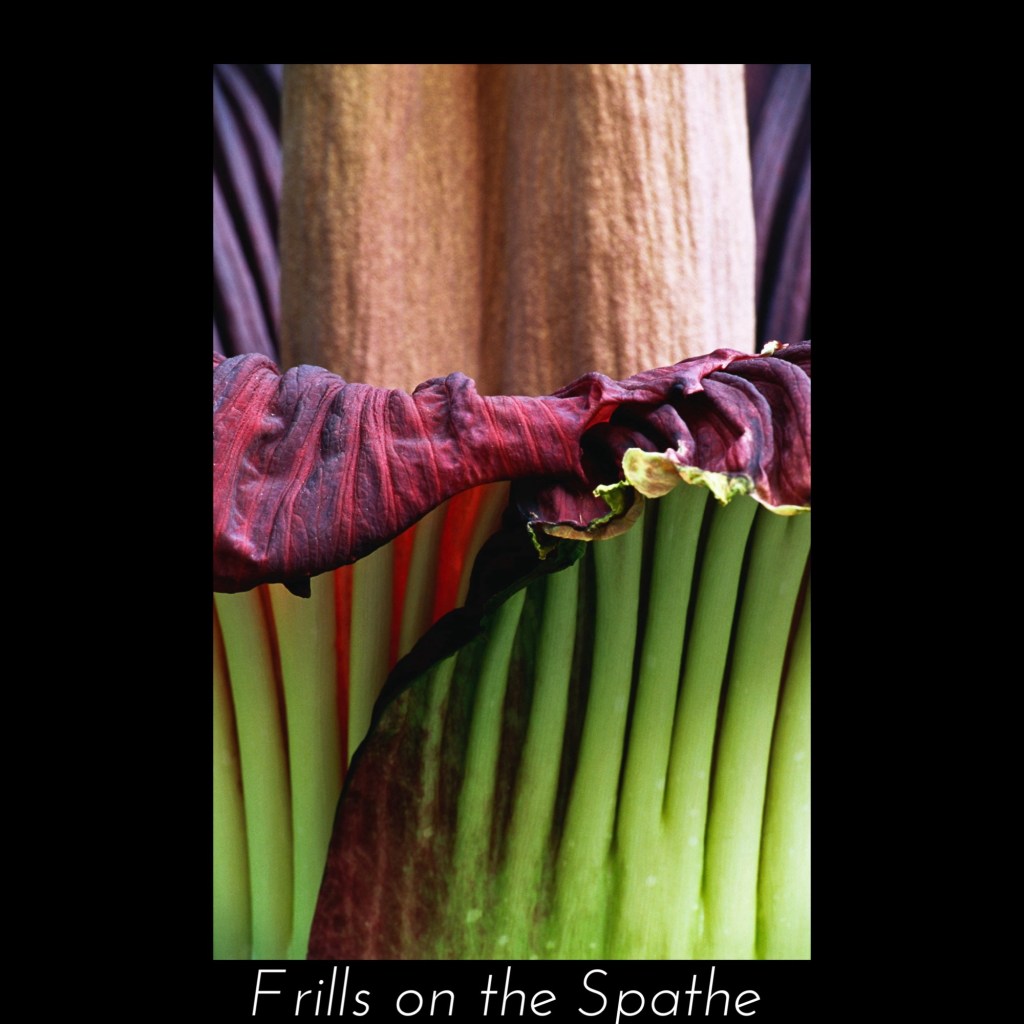
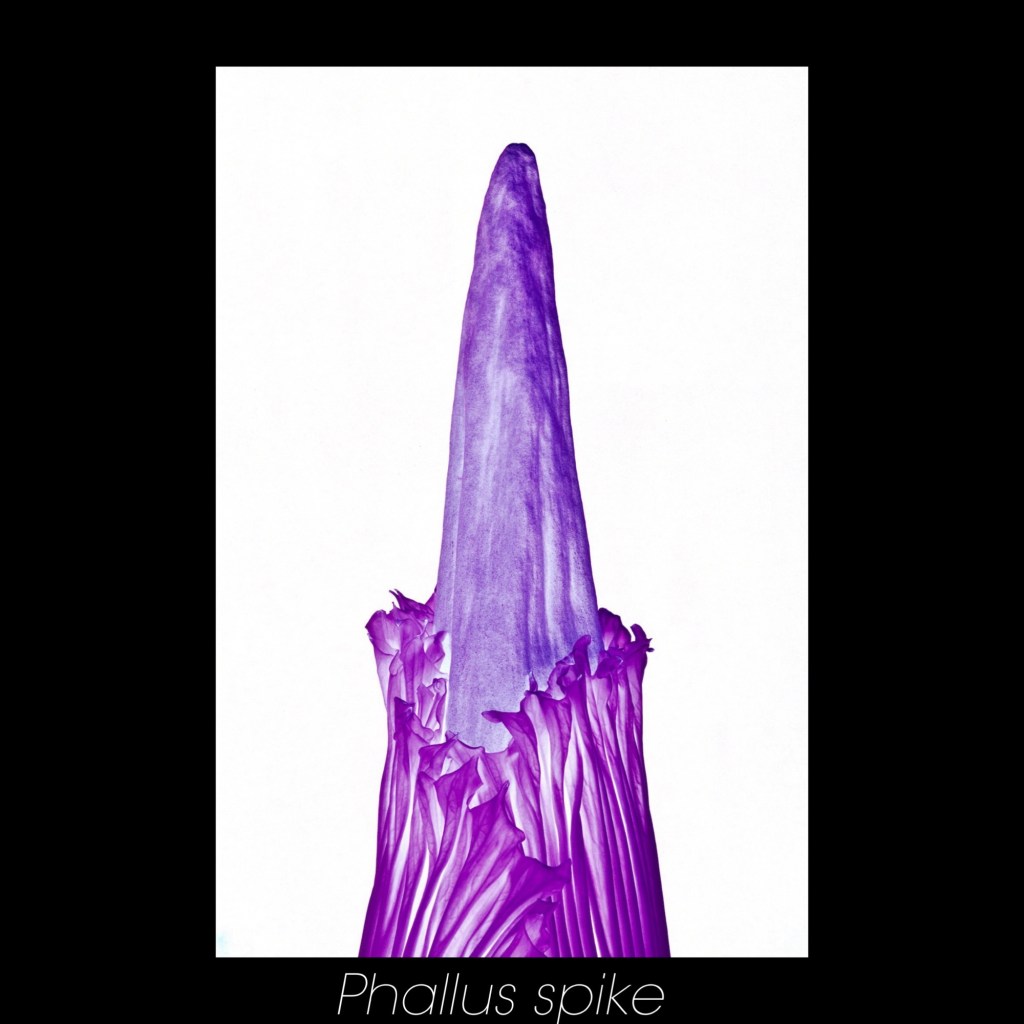
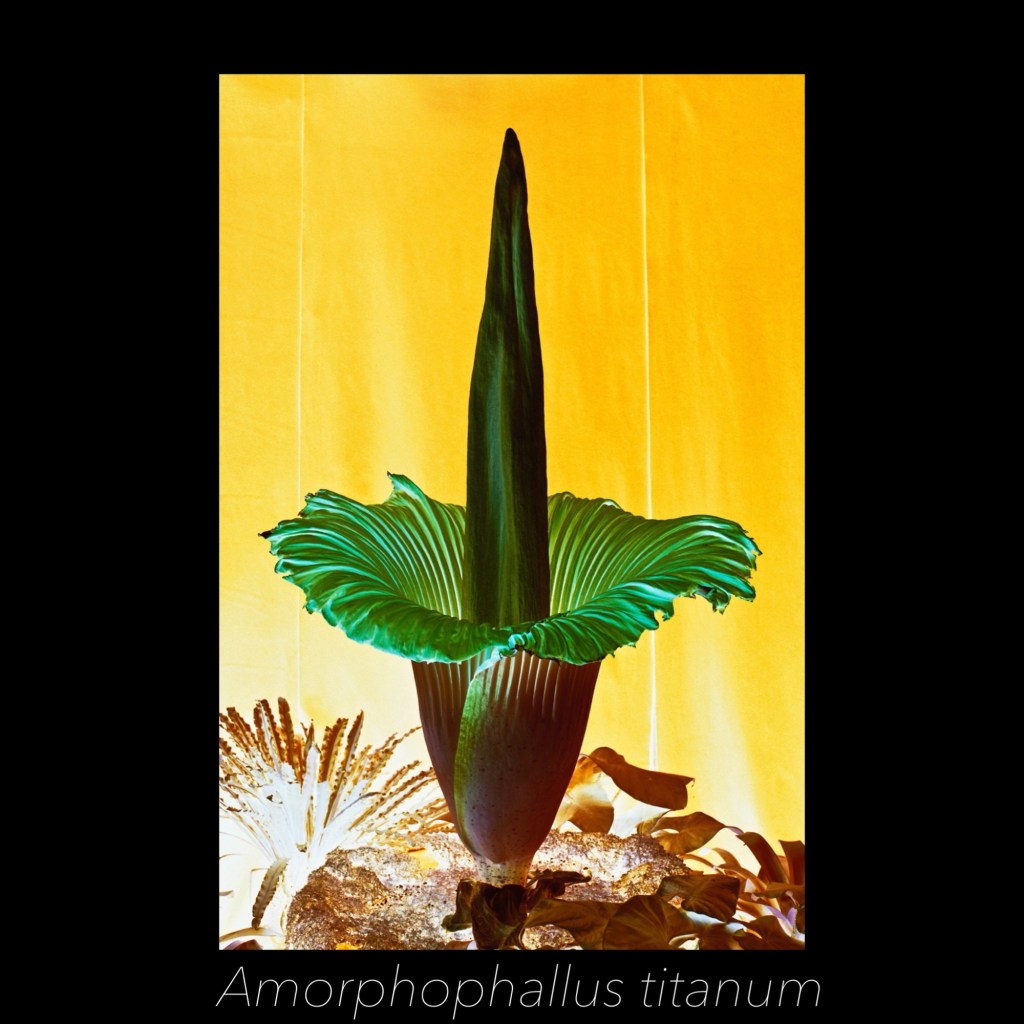
The Amorphophallus titanum is the largest unbranched inflorescence flower in the world. The plant grows to between 6 and 12 feet tall. With a name and size like that it’s no wonder it makes the news when it blooms.
Phallus Spike
From bulb to bloom can take up to ten years. After that long wait the bloom only lasts for about 24 to 48 hours. The plant originates in Sumatra in Indonesia.
Film cross-processed | Amorphallus titanum
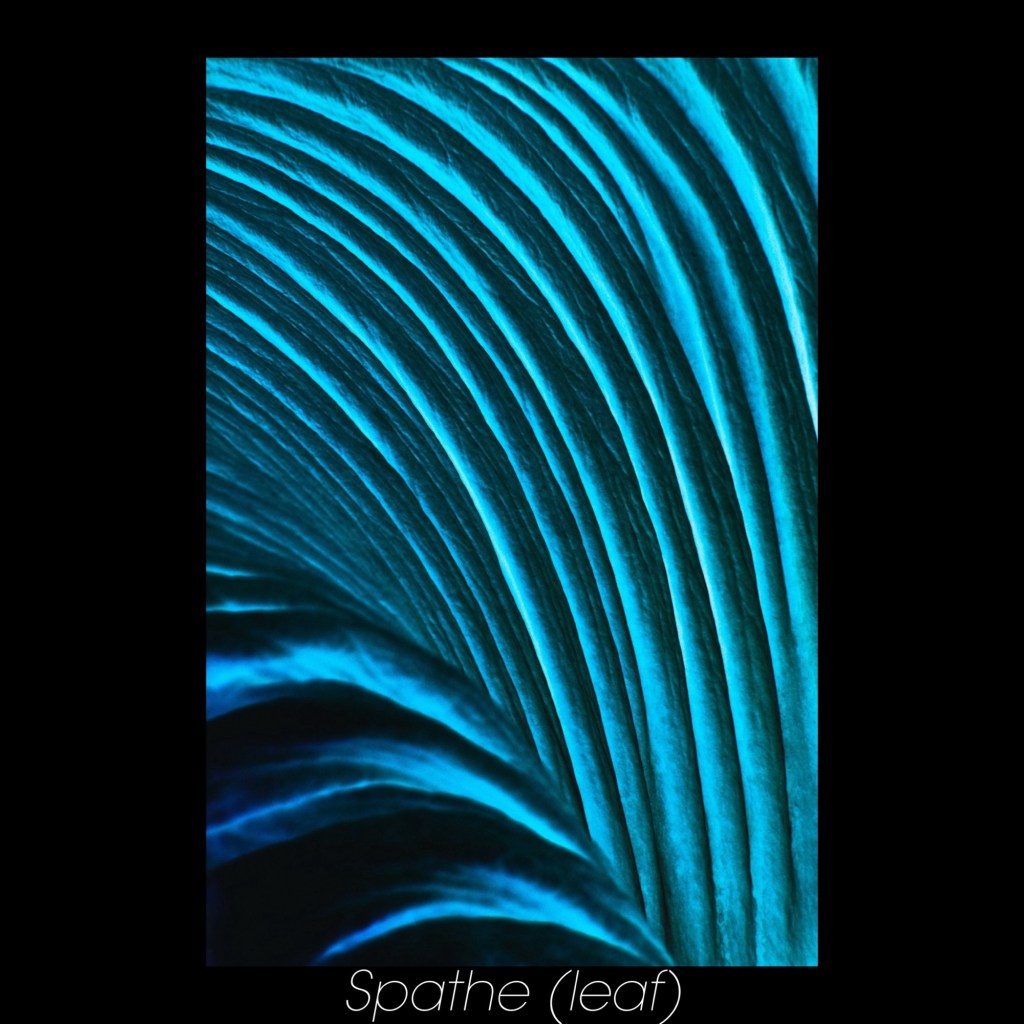
Because of this plants unusual resume I thought how can I make an image that suggests its dramatic presence. I settled on cross-processing some of the images to evoke the energy of this amazing plant. Cross-processing is when you use positive film and process it in negative chemistry. Doing this you never know what you’ll get.
Spathe (leaf) Amorphophallus titanum. Film image
This series of images is part of a larger collection called Floral Essence. I’ll share more about that in the near future.
To see these images and more flower pictures visit the gallery Flowers at www.wayneeastep.com
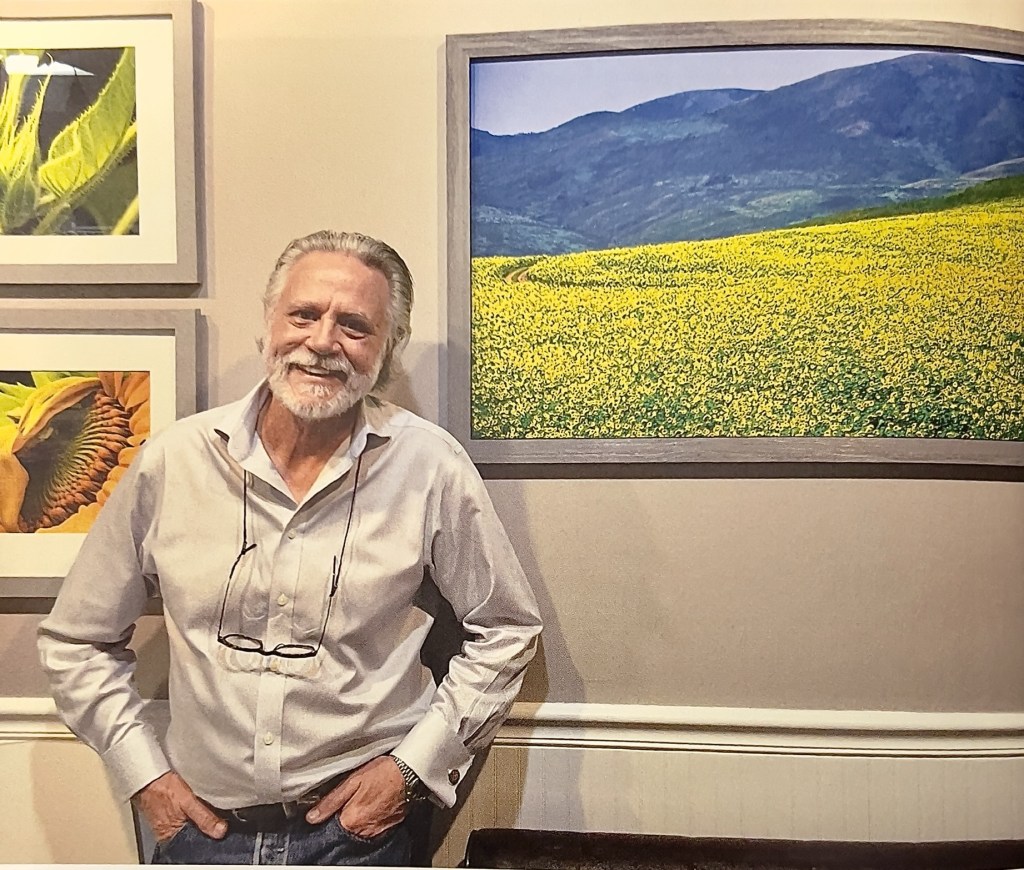
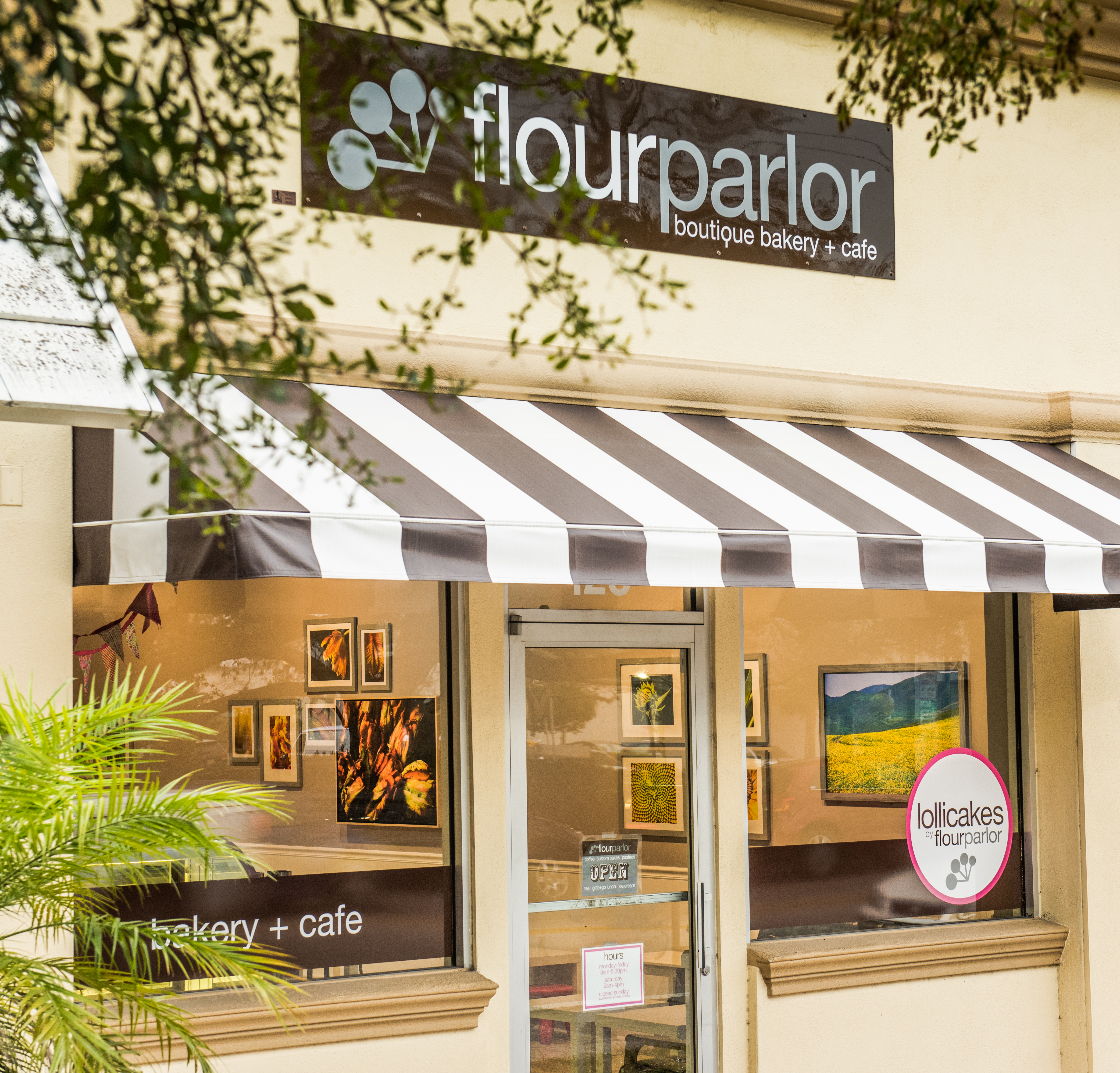
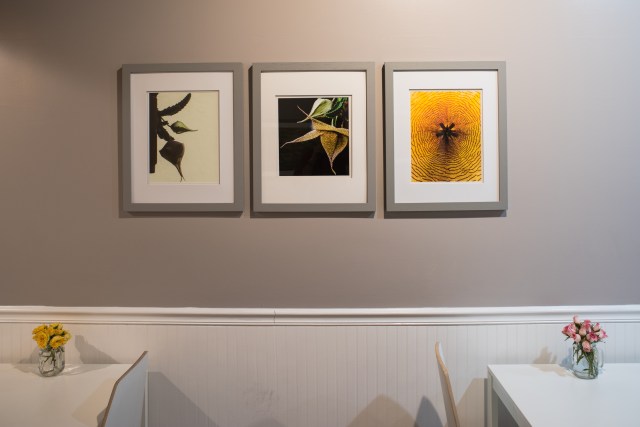
A collection of 26 images expressing the essence of flowers: design, beauty, grace and sensuality, is on exhibit Feb. 4 through May 2016 at the Flour Parlor in Sarasota, Florida.
The variety of print sizes and frames in the exhibition illustrate ideas for displaying photographs in homes and commercial spaces. The prints are for sale at the Flour Parlor and through Wayne Eastep studio website.
Flour Parlor, 128 N. Orange Avenue, Sarasota, Florida
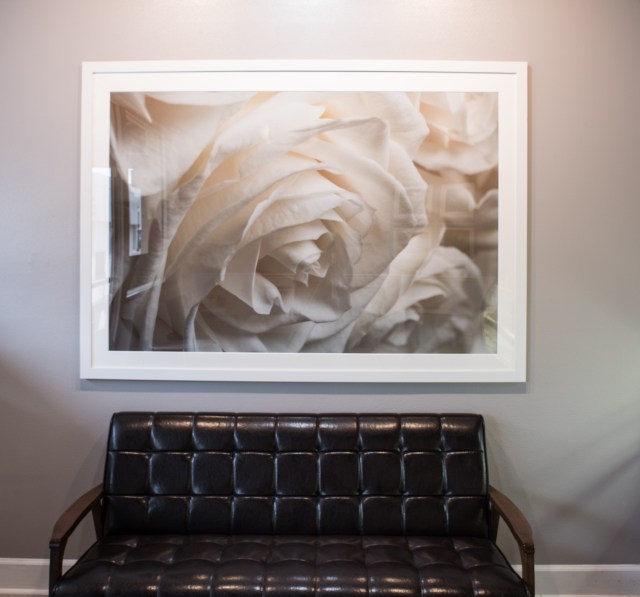
White Rose, print 42 x 62 5/8″ frame 48 x 68 3/8″
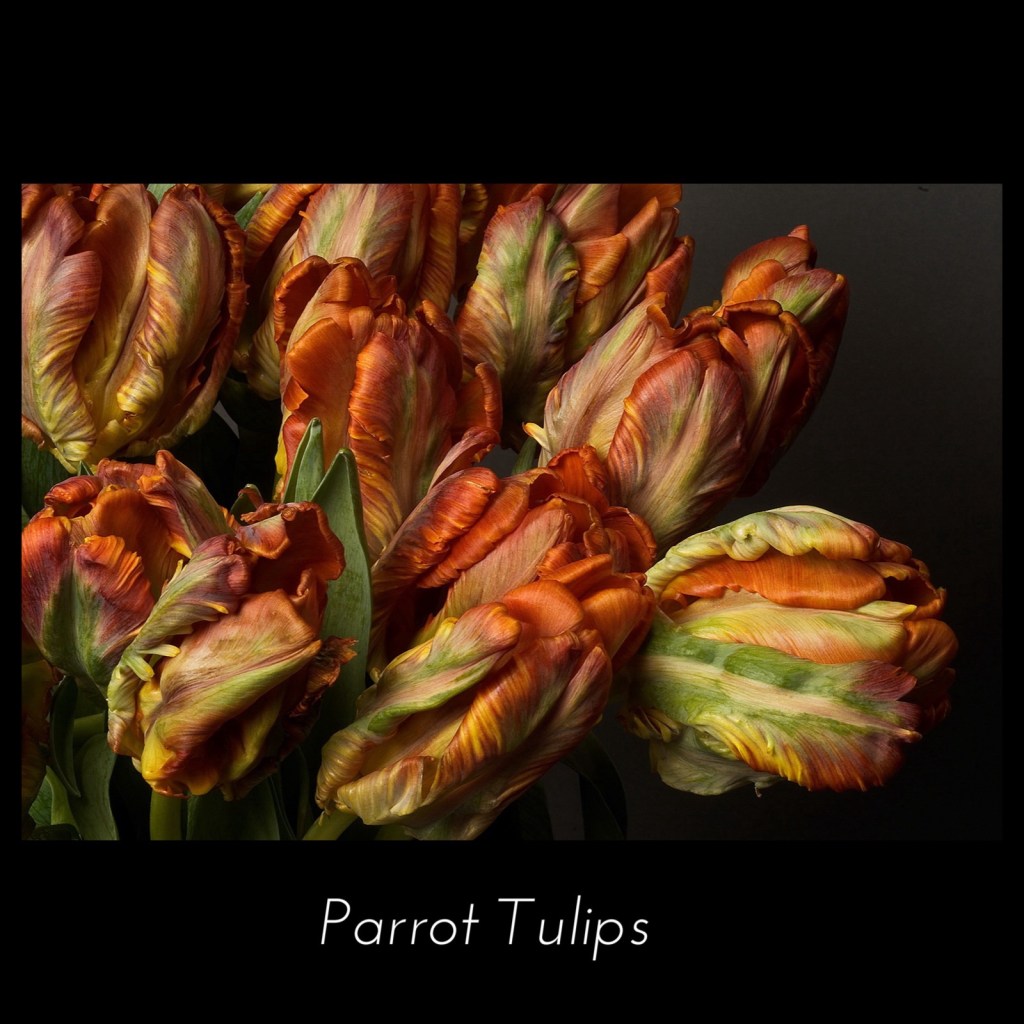
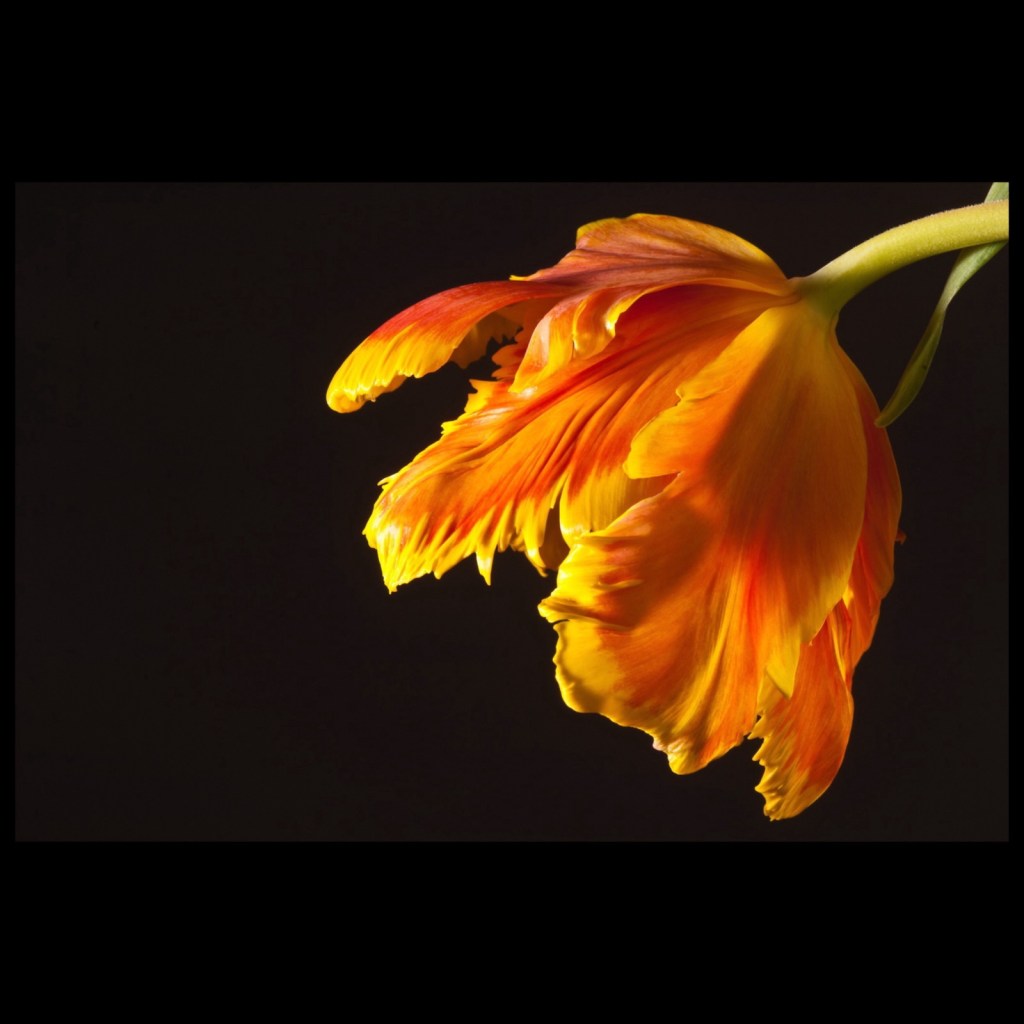
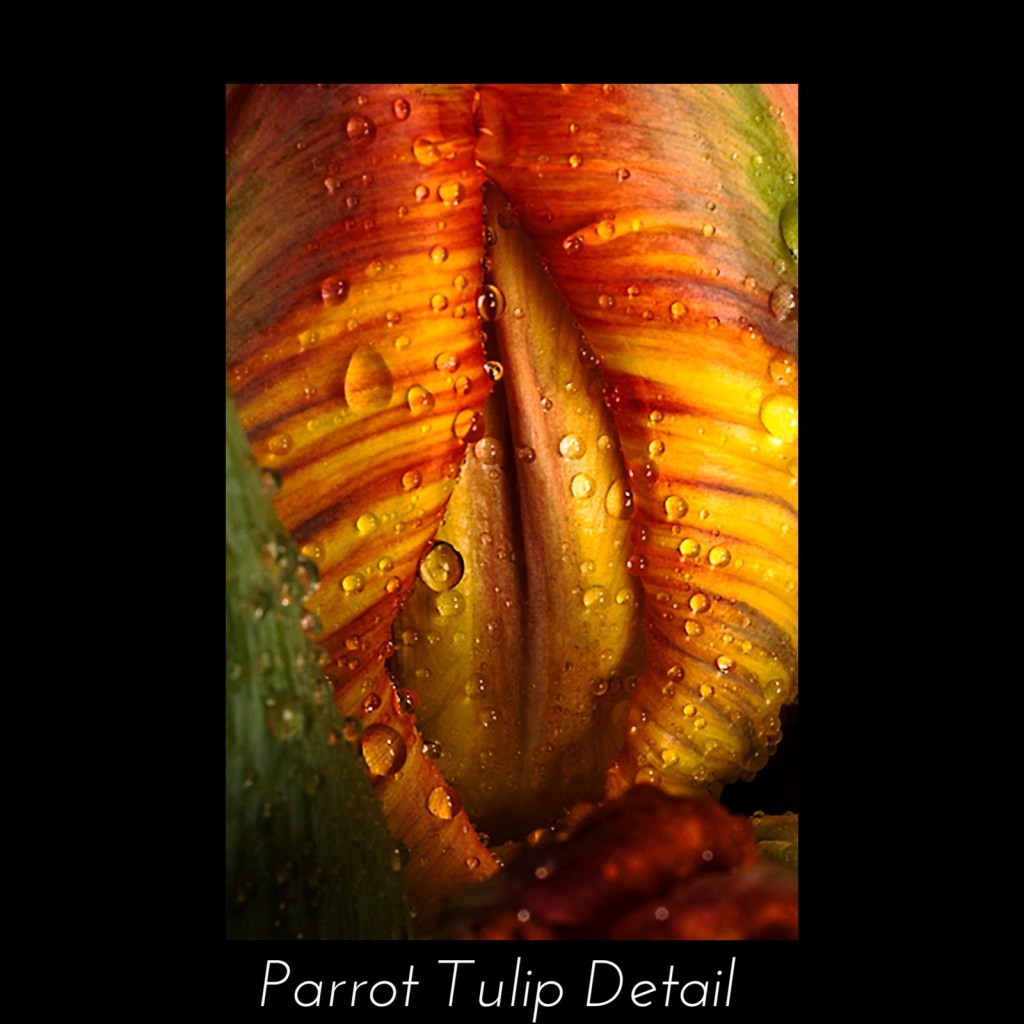
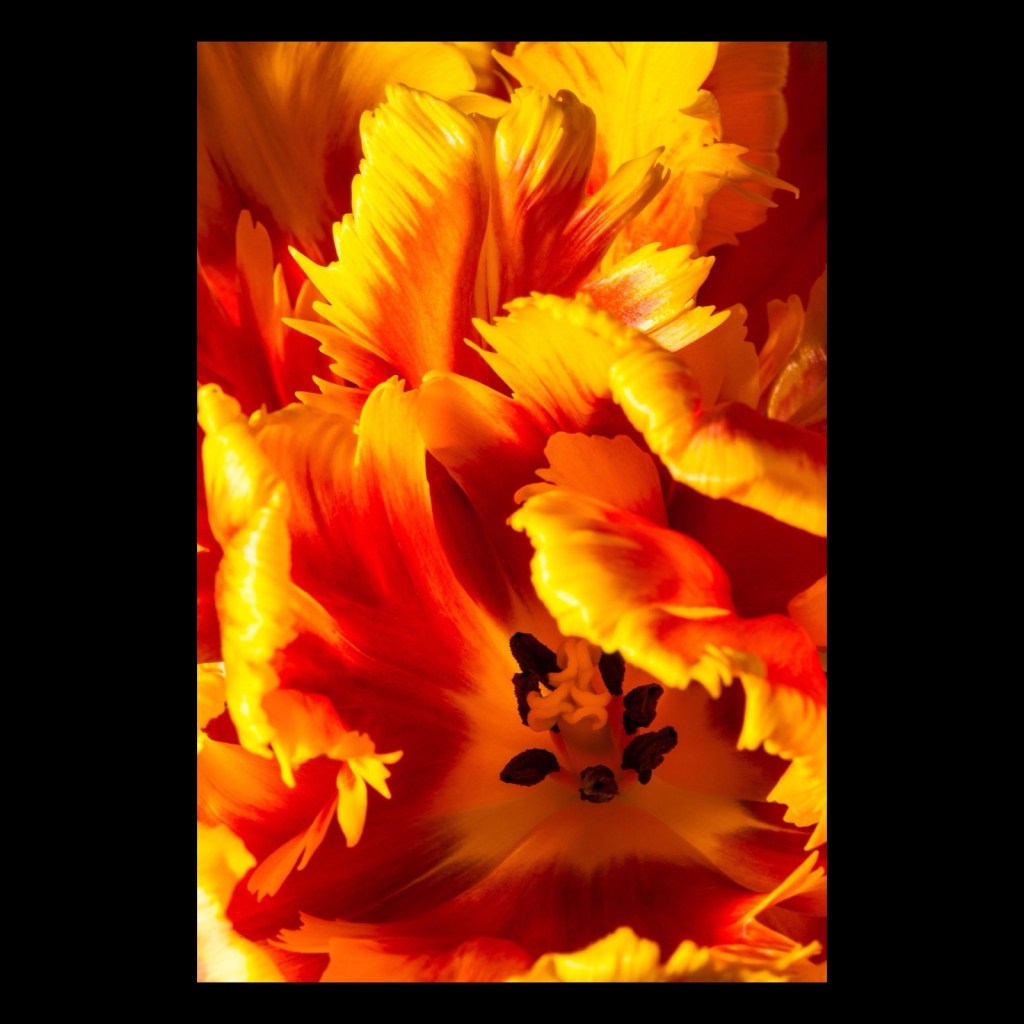
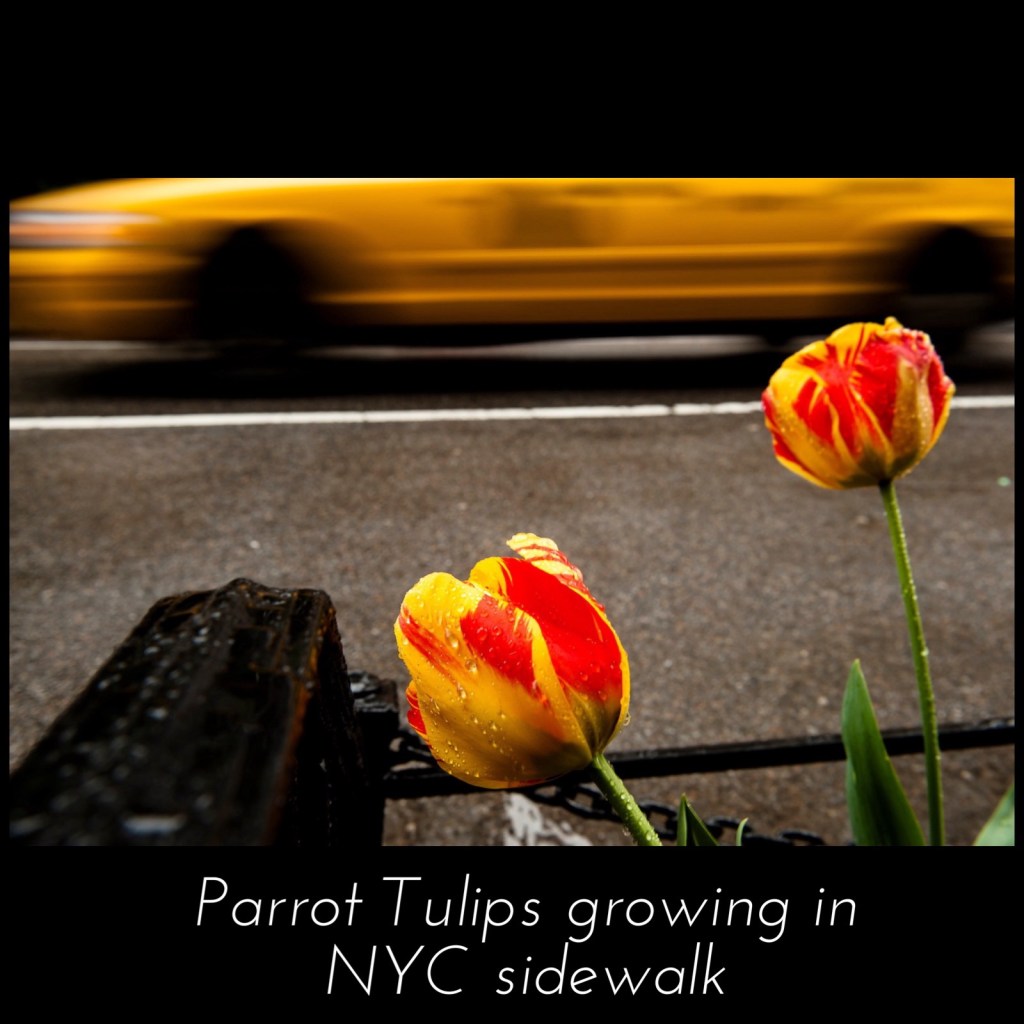
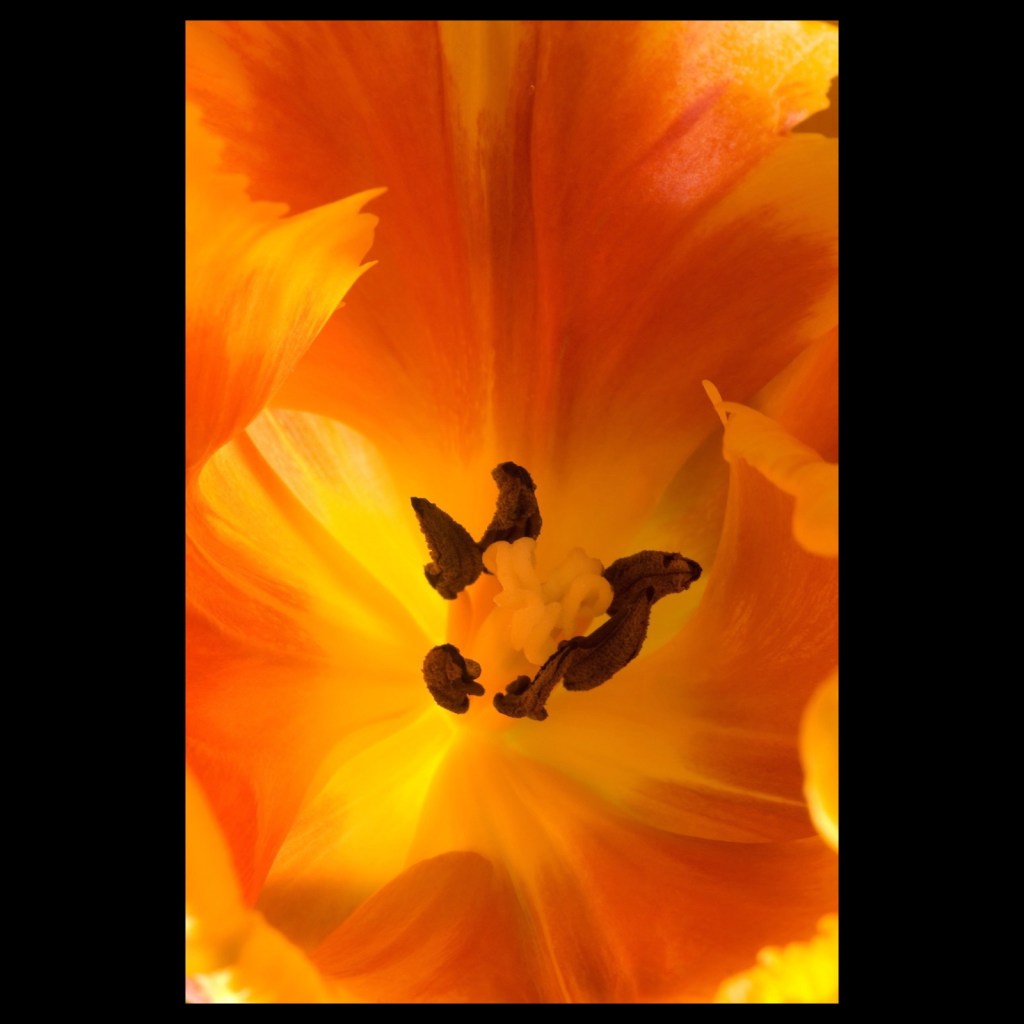
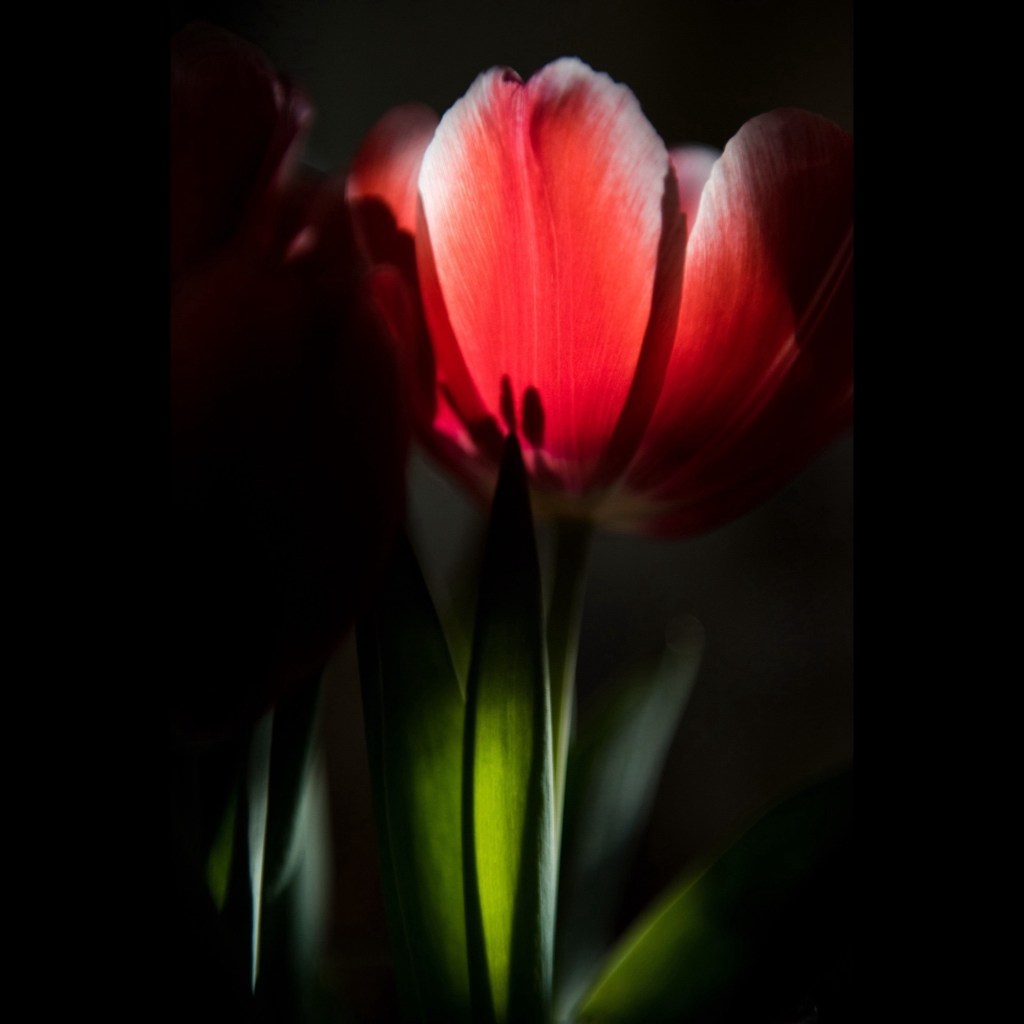
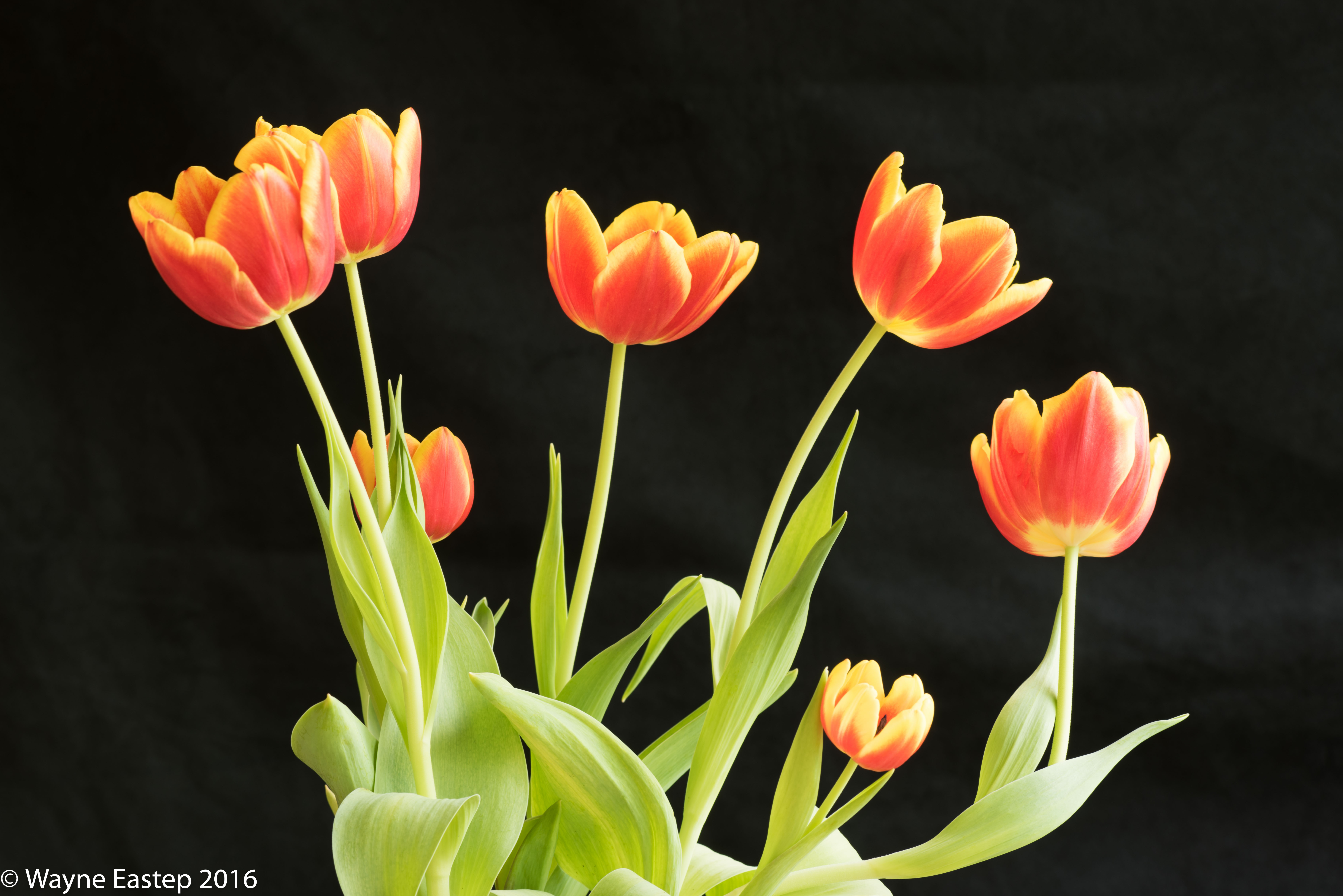
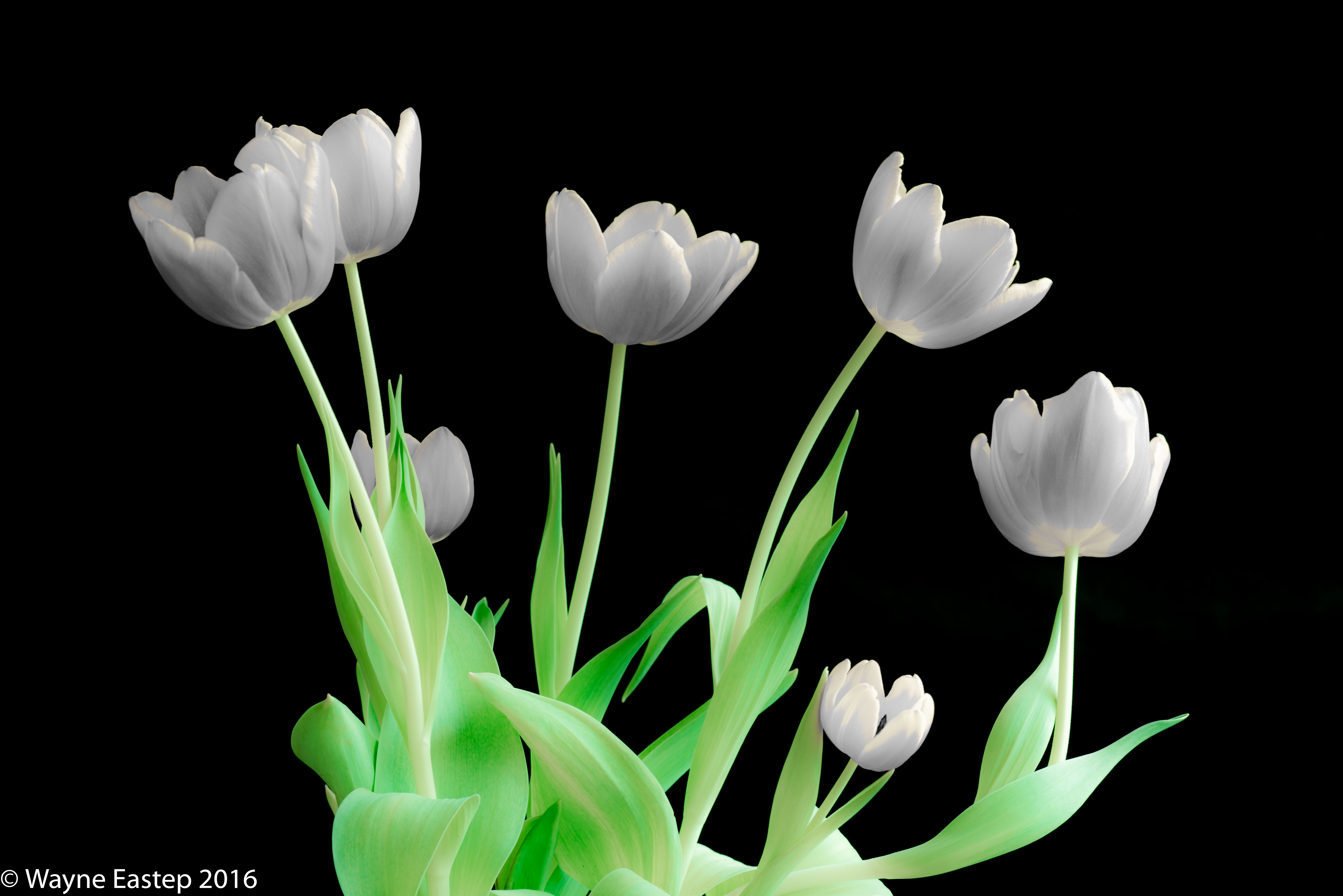
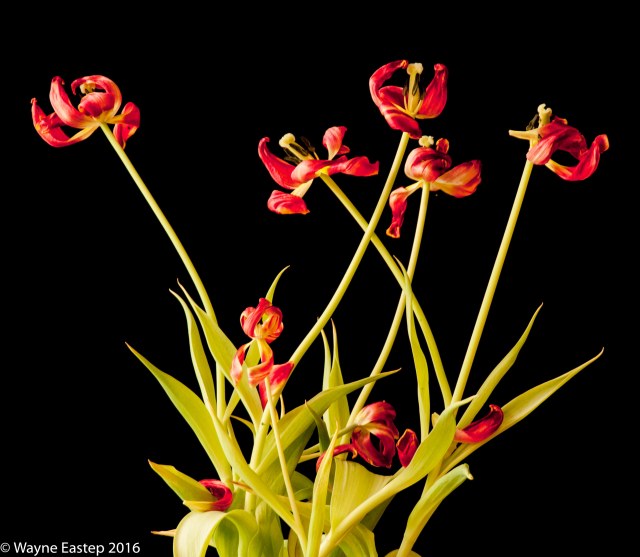
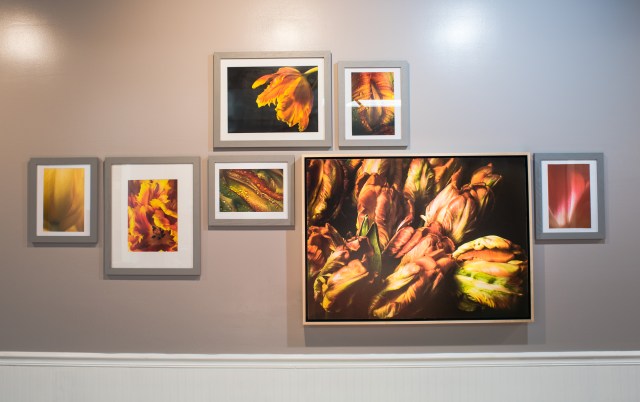
Parrot Tulip: Large print 29 x 40″ floating frame 29 3/4 x 40 3/4.” Medium size prints 10 x 1/2 x 13 1/2″ frame 18 x 22.” Small prints 9 1/2 x 7 1/2″ frame 16 x 13″
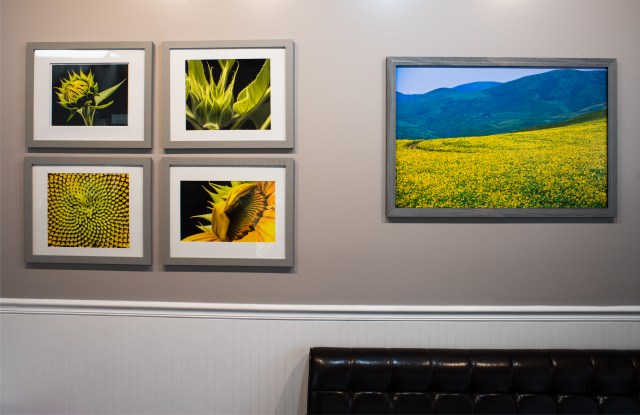
Sunflowers: Large print 24 x 36″ frame 26 1/2 x 39.” Medium prints 10 1/2 x 13 1/2″ frame 18 x 22″
Amaryllis buds, print 13 1/2 x 10 1/2″ frame 22 x 18″
Southern Magnolia, print 12 1/2 x 9 1/2″ frame 20 x 16″
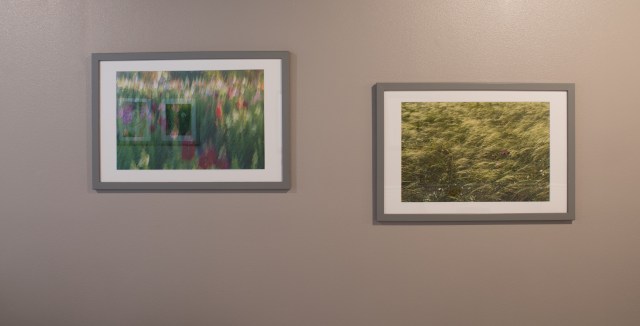
Snapdragons, FL and Feather Grasses, Kazakhstan: print 16 x 24″ frame 20 x 30″
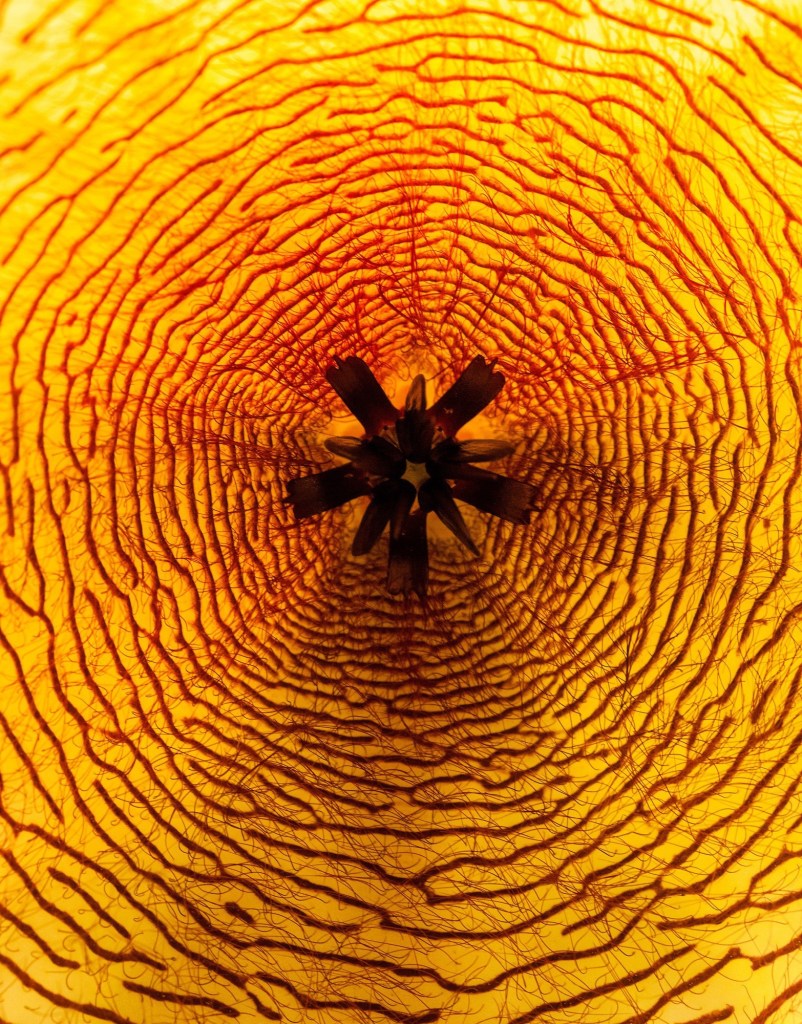
Amorphophallus Titanum, print 13 1/2 x 10 1/2″ frame 22 x 18″
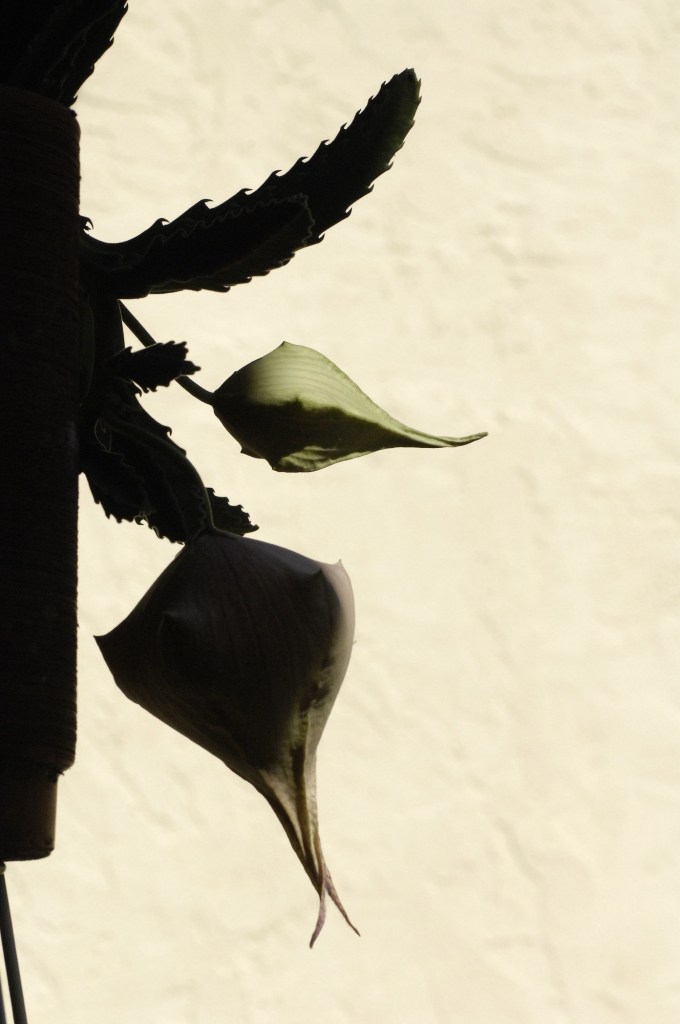
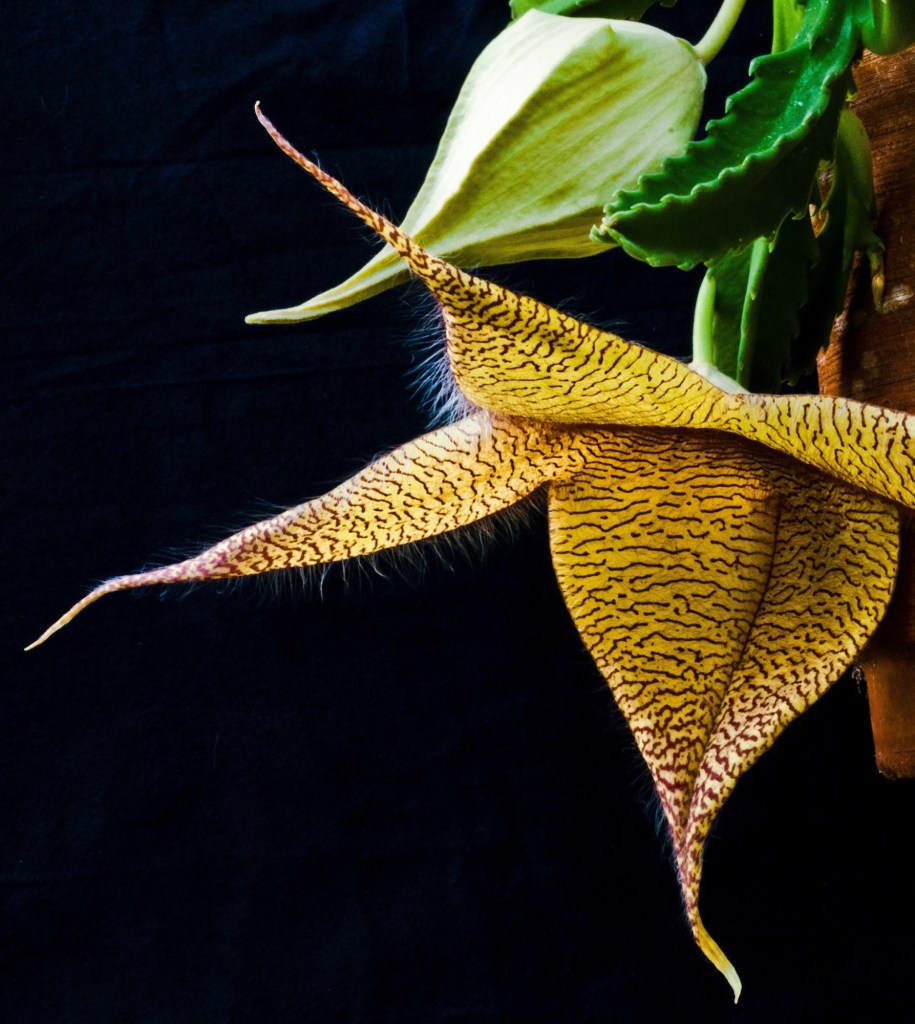
Giant Stapelia Cactus, print 13 1/2 x 10 1/2″ frame 22 x 18″
The signature characteristic of Wayne Eastep’s photography is the ability to express the essence of a subject.His images go beyond representational pictures to touch the spirit of the subject, evoking an emotional response.In this exhibition he turns his attention to the exquisite design in nature and inherent beauty within flowers.
Eastep’s images are commissioned and collected internationally. They garner awards for books, documentary, and commercial assignments.His intention with each assignment is to go beyond the surface and look inside the subject.Photography for Wayne is both vocation and avocation. He is driven by a passion for the art of image making.
Exhibition February 4 – May 14, 2015
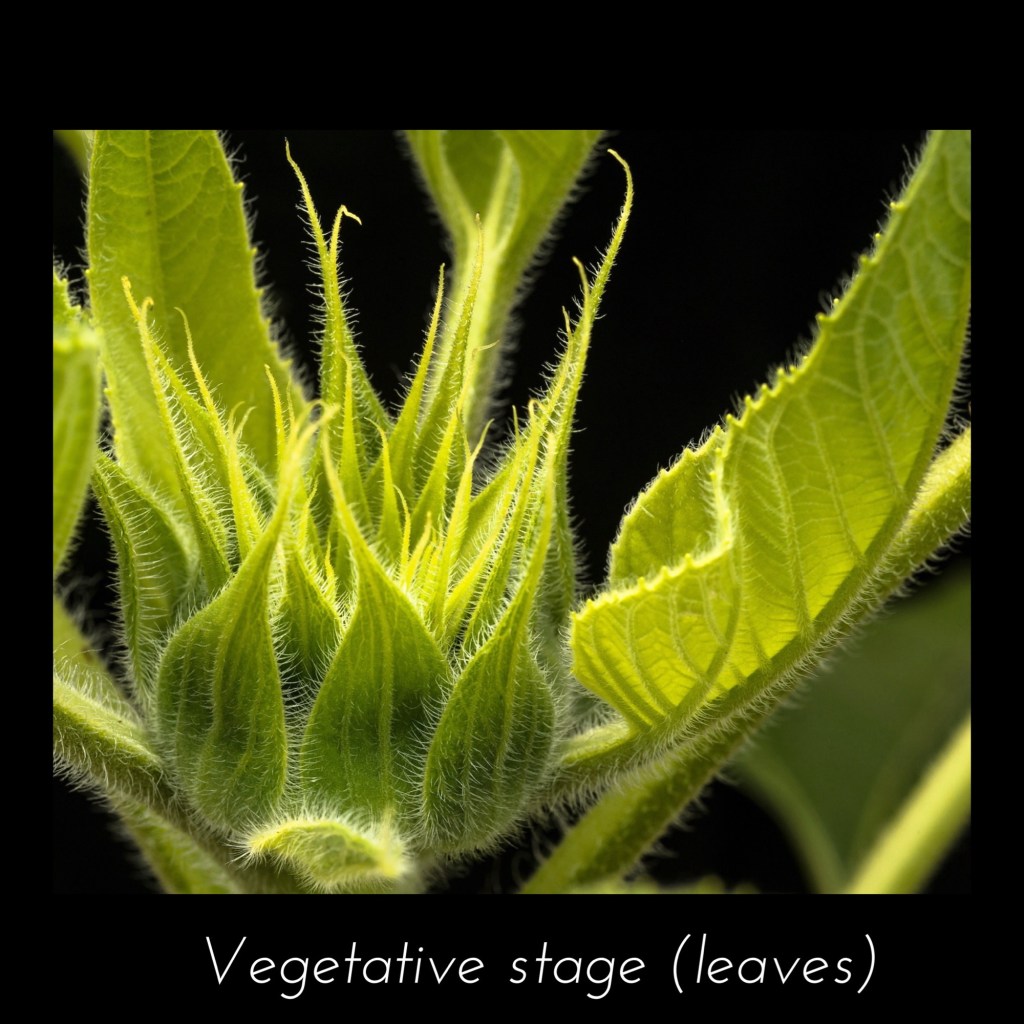
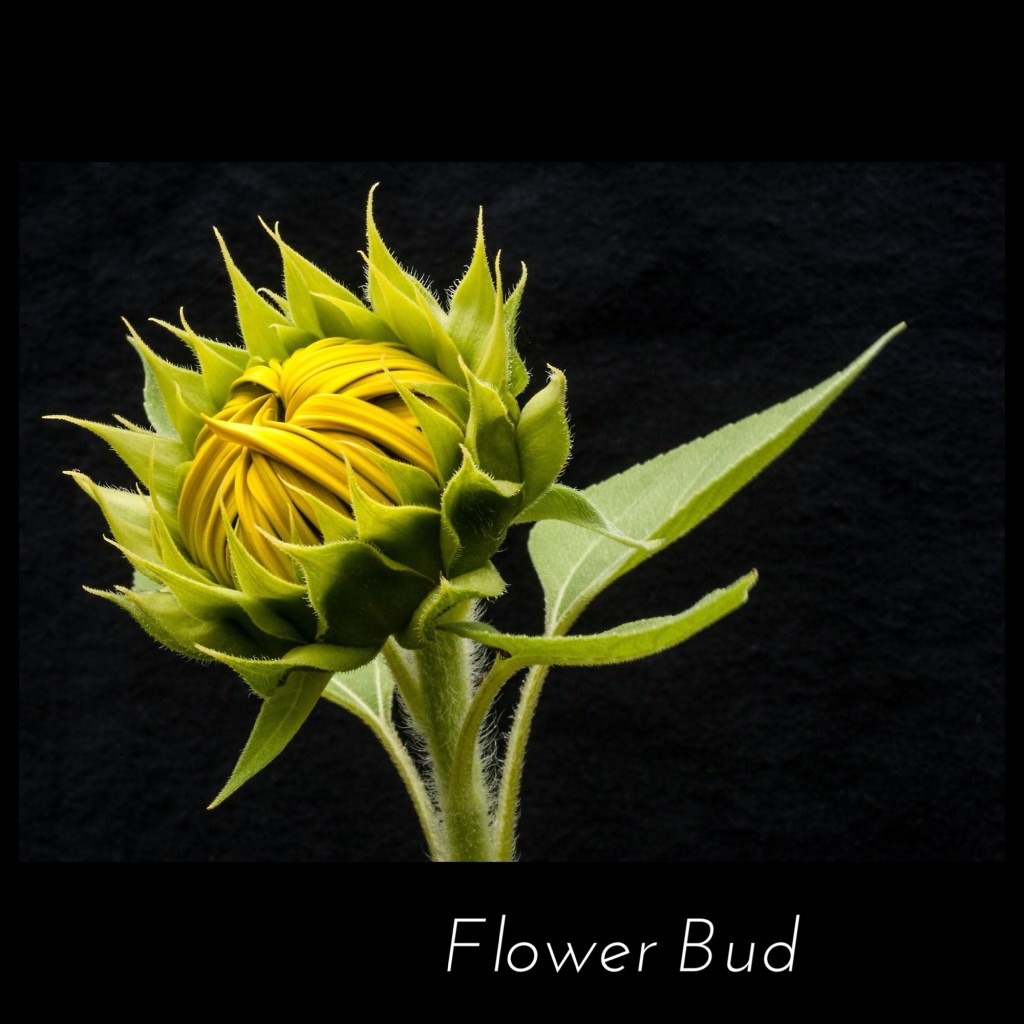
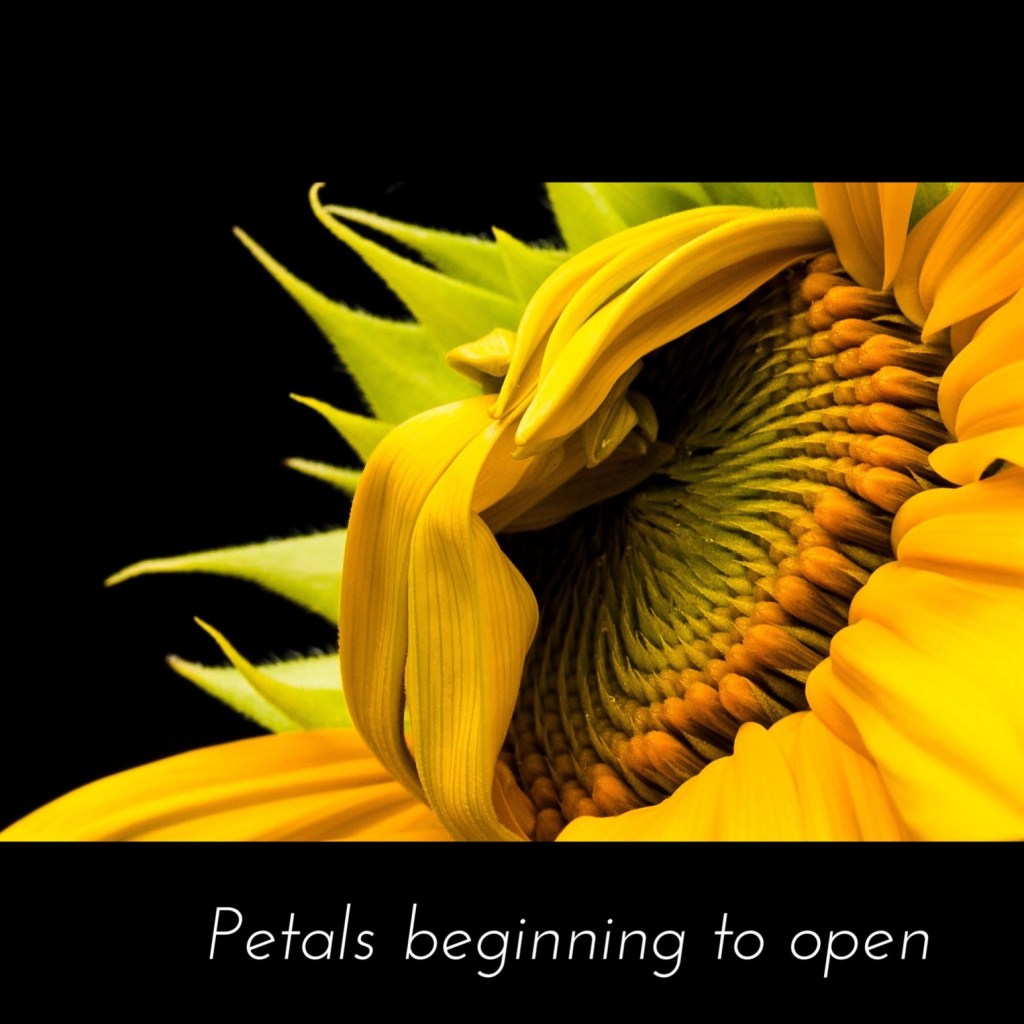
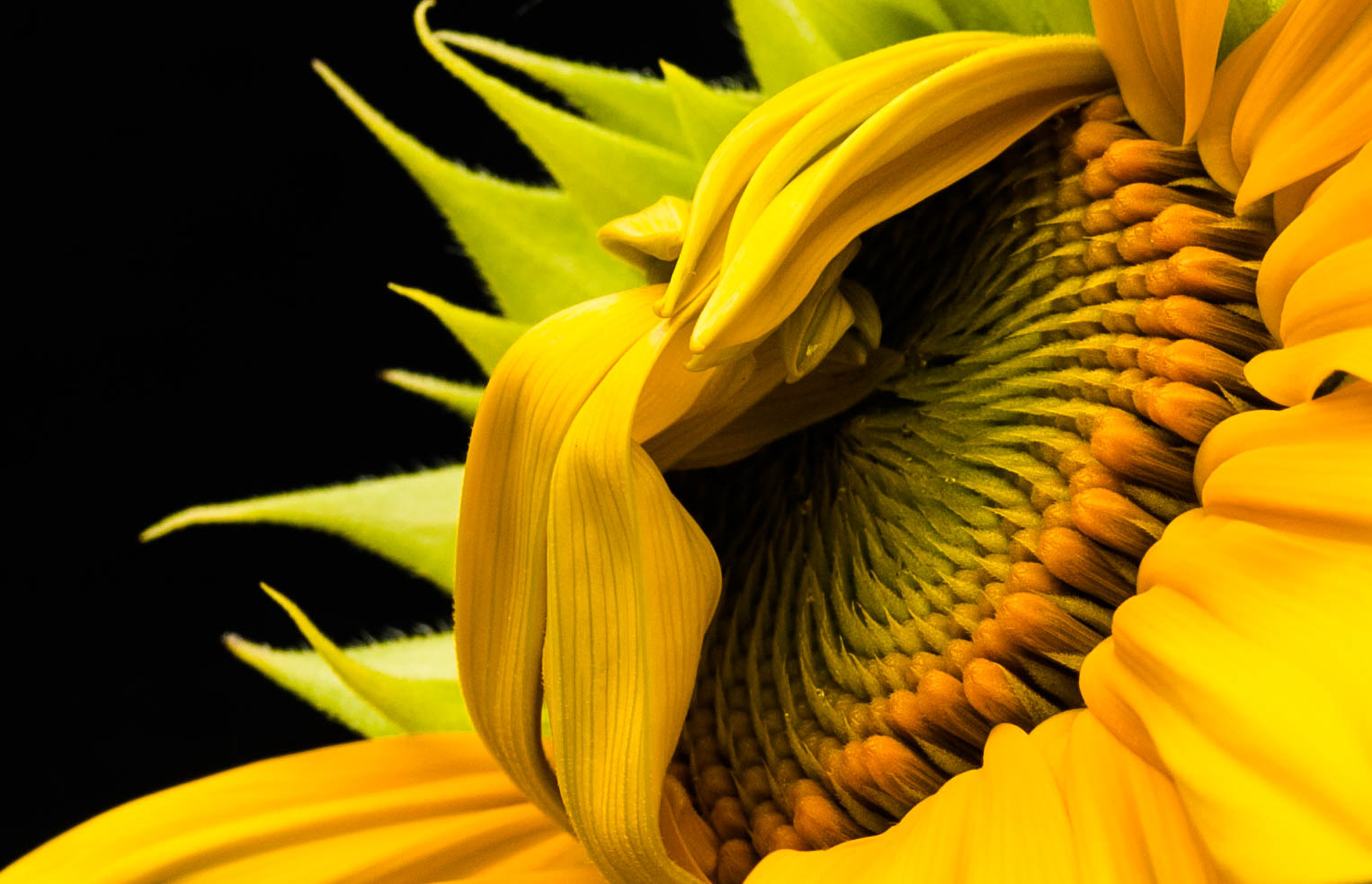
The sunflower an annual plant is native to the Americas. The flower petals within the sunflower’s cluster are always in a spiral pattern. Generally, each floret is oriented toward the next by approximately the golden angle, 137.5 degrees, producing a pattern of interconnecting spirals, where the number of left spirals and the number of right spirals are successive Fibonacci numbers. This pattern produces the most efficient packing of seeds within the flower head.














 wayne eastep's blog