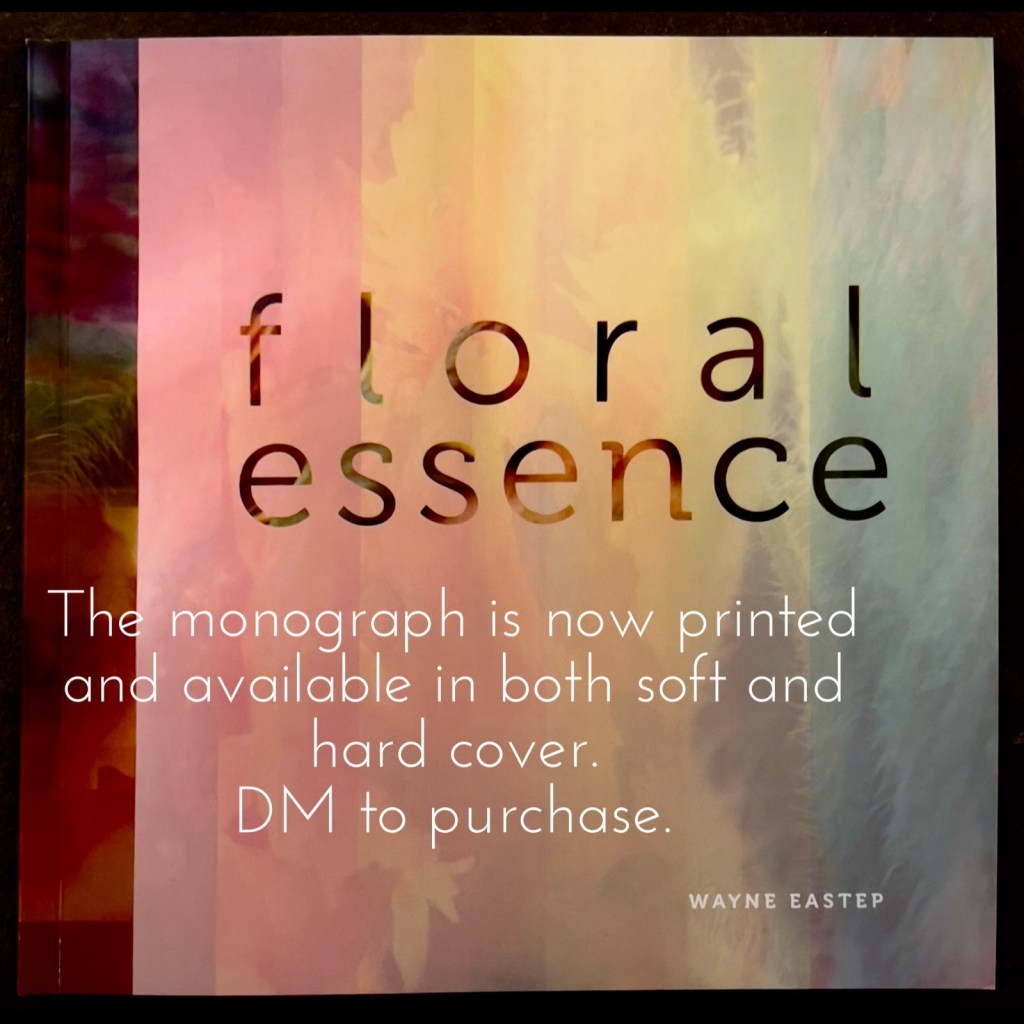
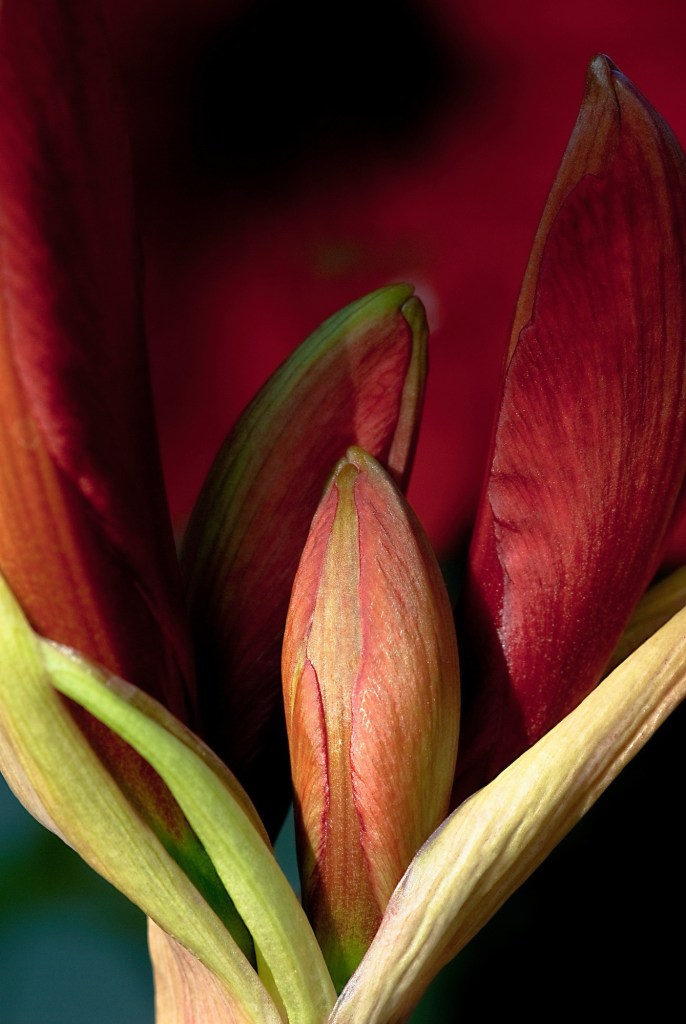
The series “Floral Essence” comes to a finale. A post about the Amaryllis feels like the perfect subject at the right time with which to conclude this series.
As holidays near, wax-dipped Amaryllis bulbs show up in the shops, ready to brighten the gray winter days with color.
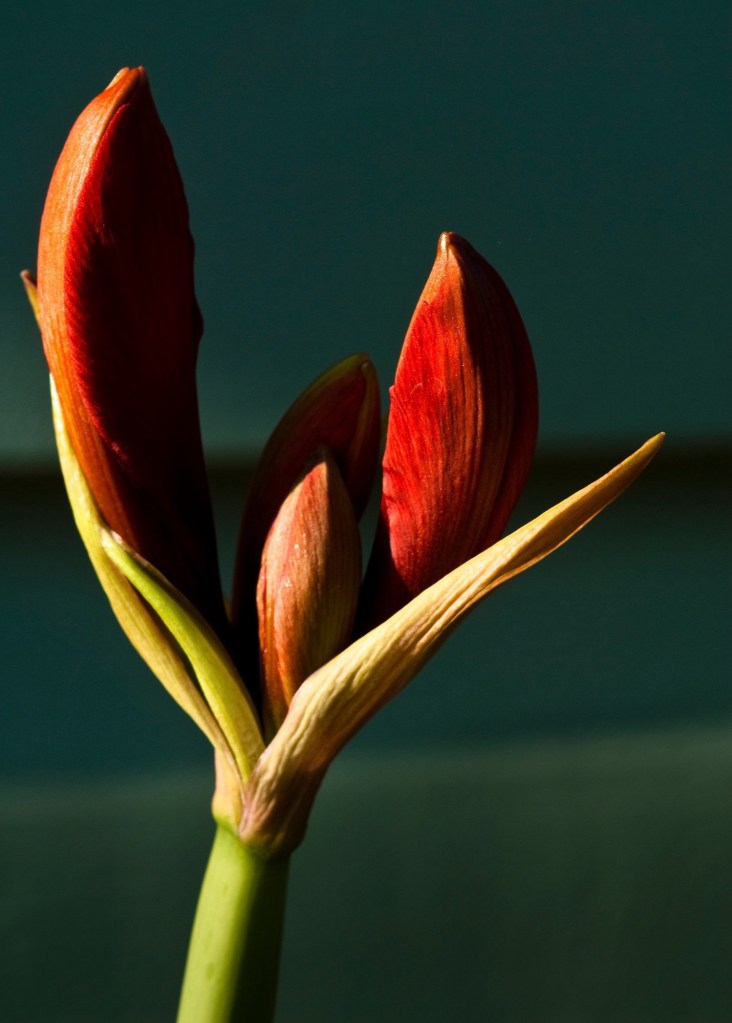
Amaryliss buds
Named from the Greek word for “to sparkle,” it is fitting that the Amaryllis blooms in winter, around Christmas.
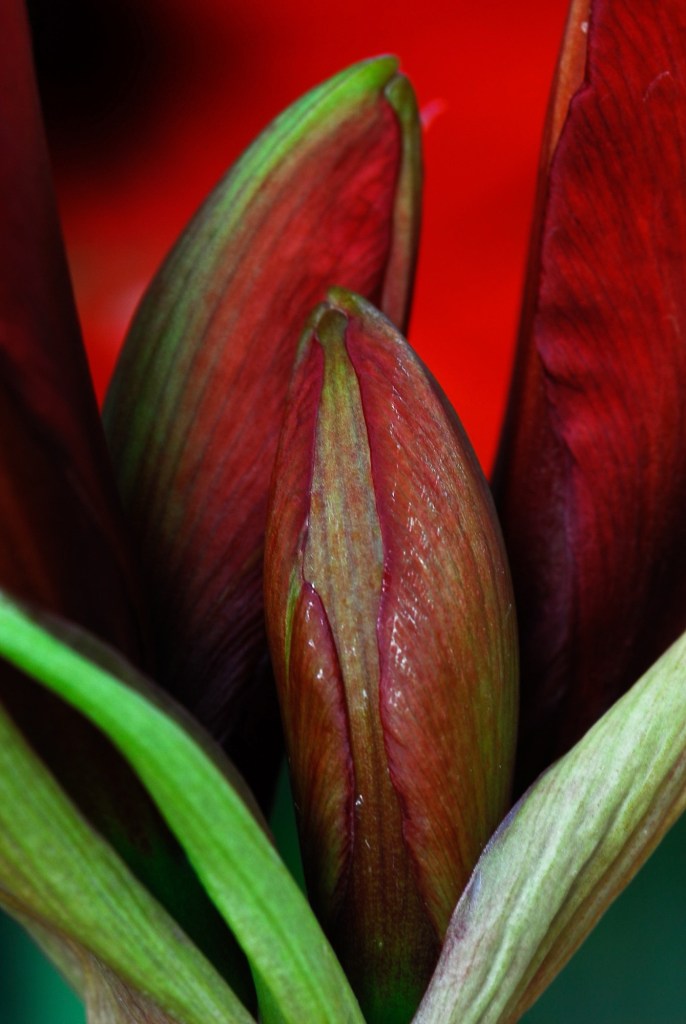
Given their sturdy stems and vertical profile, Amaryllis symbolize strength, pride, and determination. When the flowering phase ends, you can cut the stem and preserve the bulb; it will flower again next year. With proper care, it can live for up to 75 years.
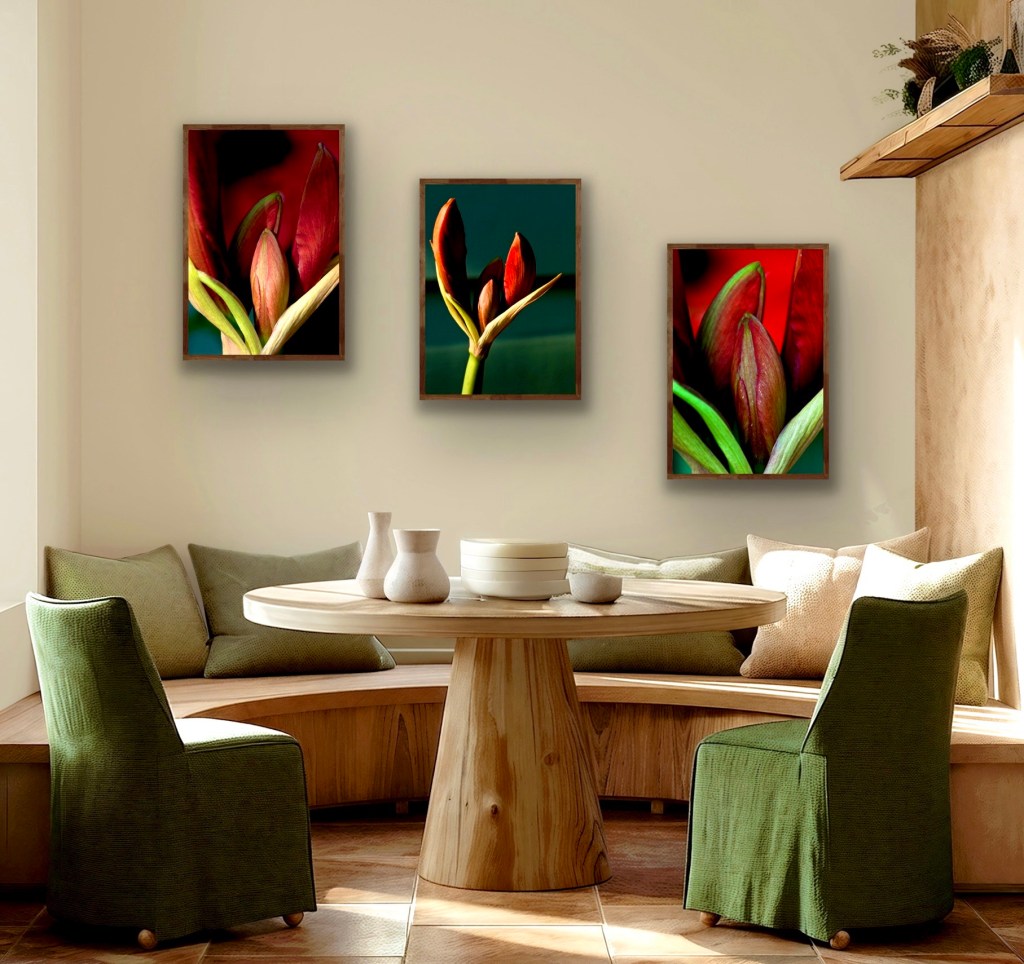
Amaryllis buds
Thank you for following Floral Essence. It has been an inspiring journey through the language of flowers.
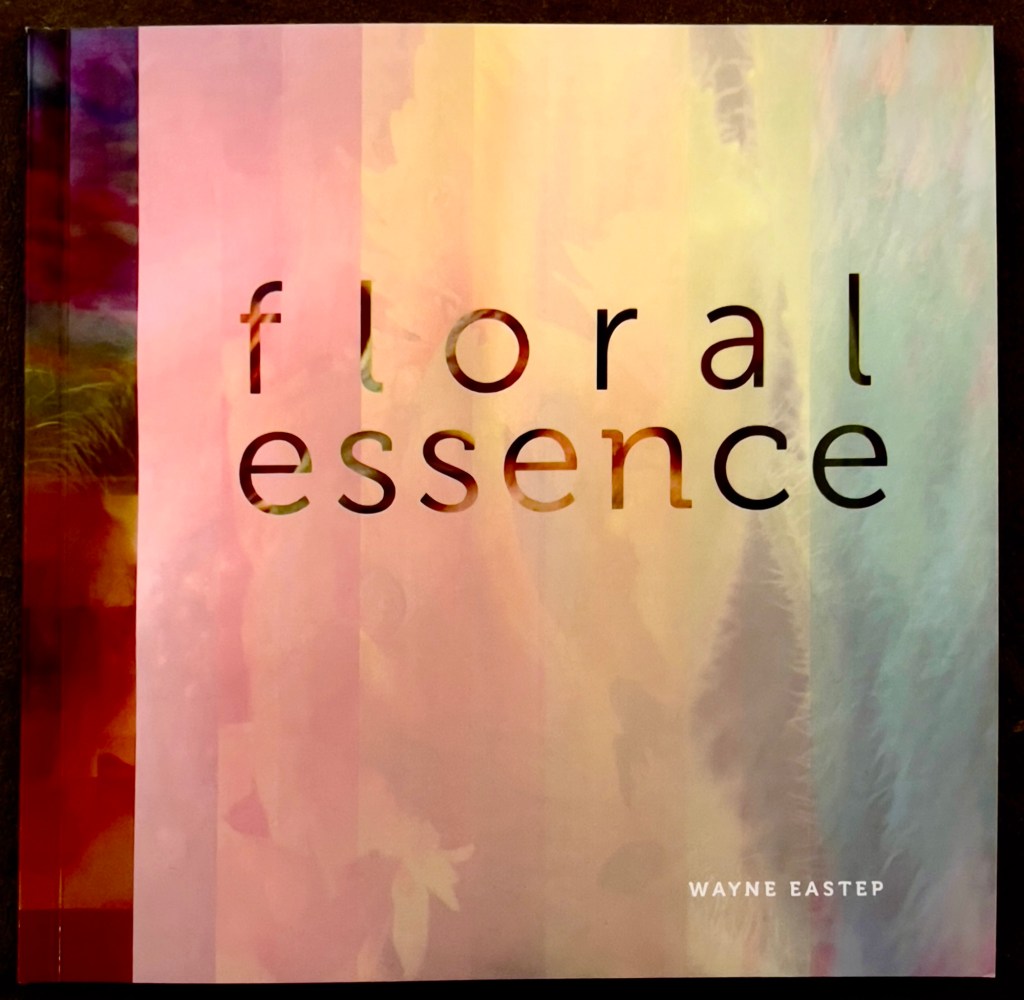
An exceptional monograph is on the way, stay tuned!
Back to work on a new series about a different subject.
Feather grasses growing on the Steppes of Kazakhstan
Feather Grasses, like these near Sergeyevka, Kazakhstan, have grown for millennia in the thin topsoil of the Steppes; some varieties are now scarce or endangered species. The Steppes were covered in this ideal pasturage prior to the Soviets’ misguided Virgin Land Reclamation policy of the 1950s, under which nearly 25 million hectares (approximately 62 million acres) of the northern Steppes were plowed to plant wheat.
The feather grasses provide nutrition for horses, cattle, sheep and goats, ensuring a sustainable food source for nomads.
The sea of grasses move in waves with the wind, nurturing a soul that’s living in relationship with nature.
Practicing photography can be much like practicing meditation. Both invite us to slow down and truly see. They heighten our awareness, sharpen our attention, and help us become more attuned to the quiet details that often pass unnoticed. This image is an expression of that mindful practice.
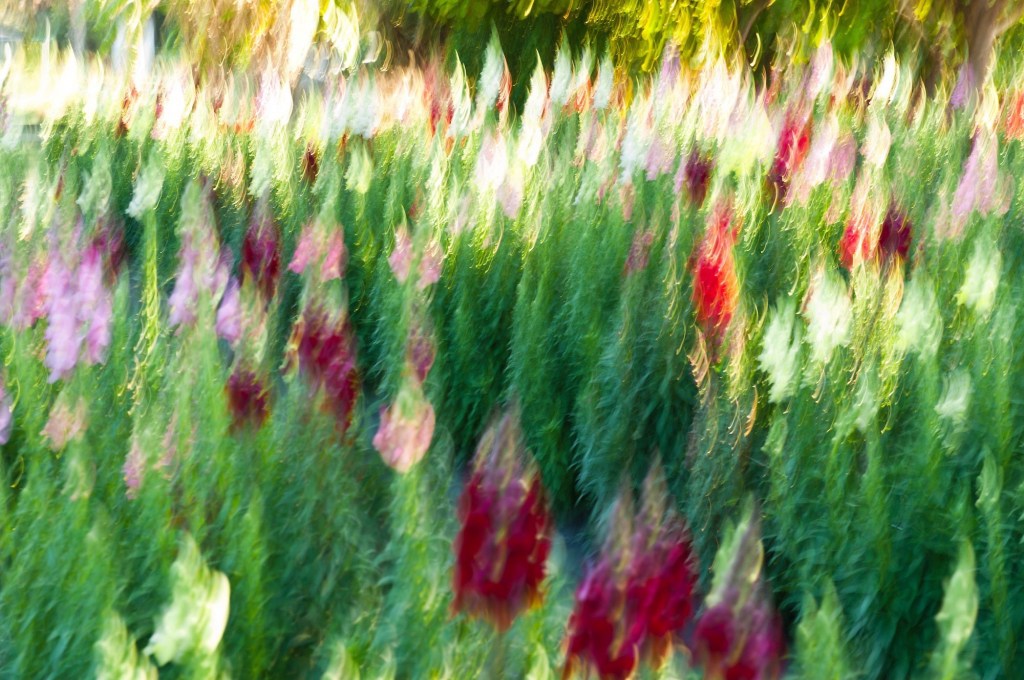
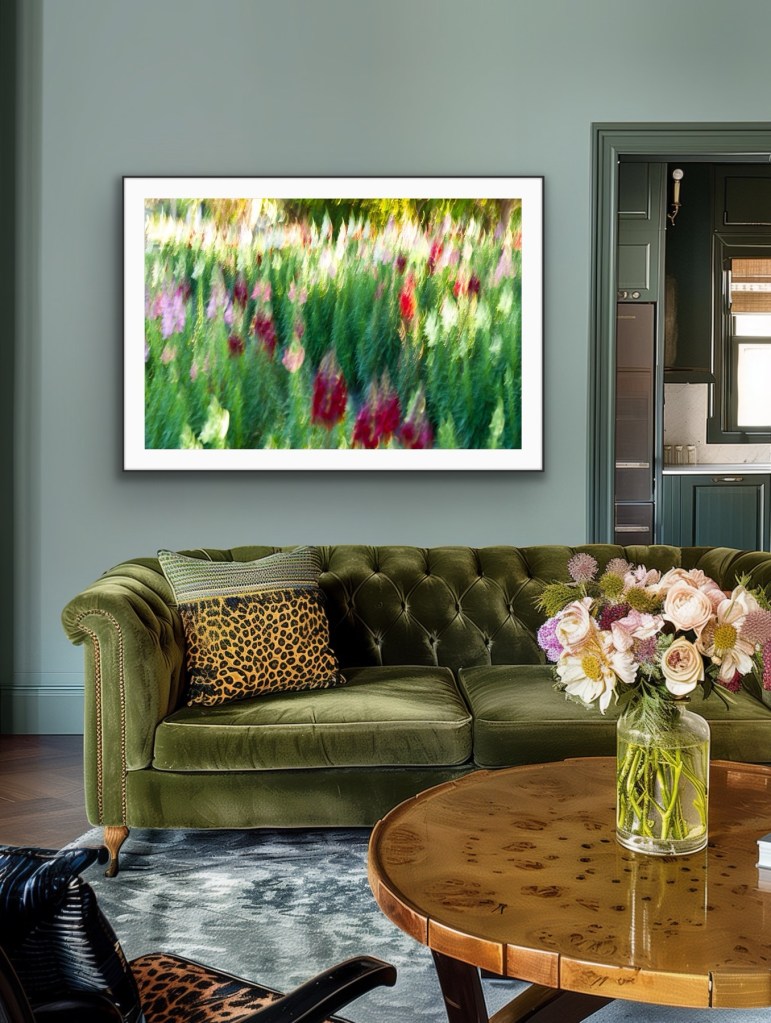
While driving near Sarasota, a field of snapdragons caught my eye—just a glimpse of color in my peripheral vision. I pulled over, spoke with the property owner, and was welcomed to wander the field with my camera.
As I began photographing, a gentle wind set the flowers in motion. In that moment, I saw not simply a field of snapdragons but blossoms dancing in the wind. I worked to capture the movement of the wind through the petals—more than a still image, a sense of motion and energy.
This photograph is the outcome of years of patient observation and practice. It also reflects what happens when we allow the mind’s eye to see beyond what is in front of us—when imagination meets perception, and feeling becomes form.
This series of images is part of a larger collection called Floral Essence. I’ll share more about that in the near future.
To see this image and more flower pictures, visit the gallery Flowers at: www.wayneeastep.com
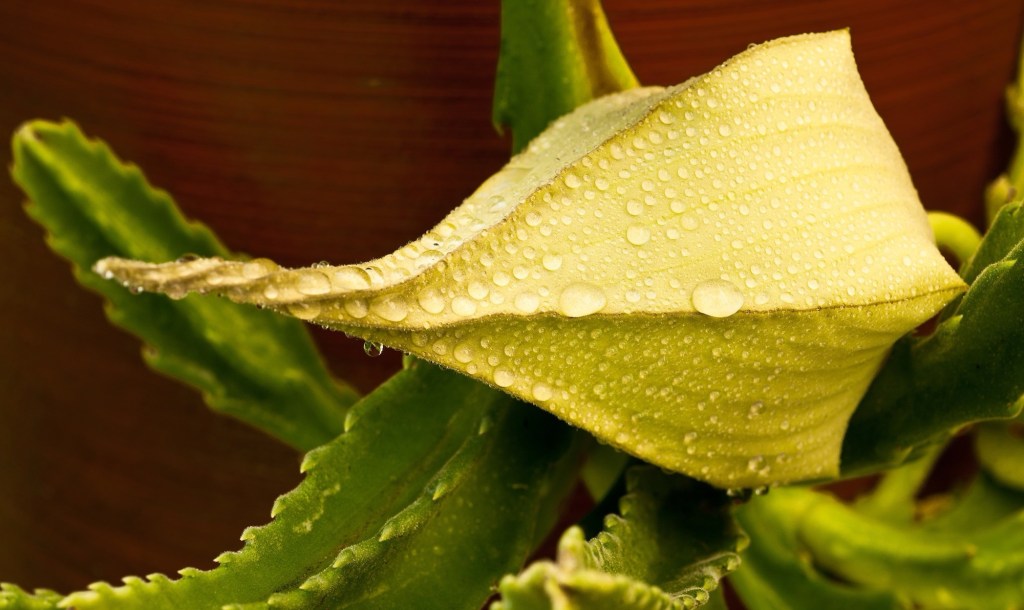
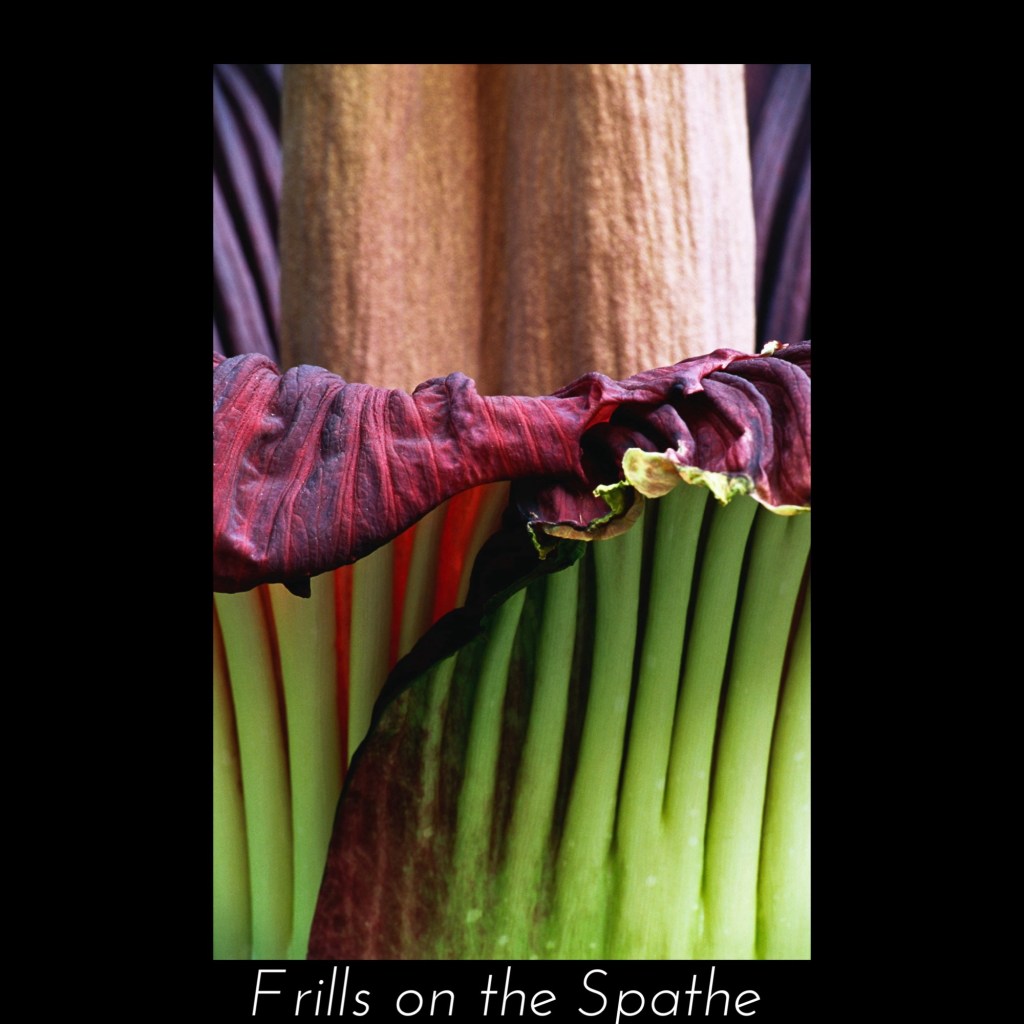
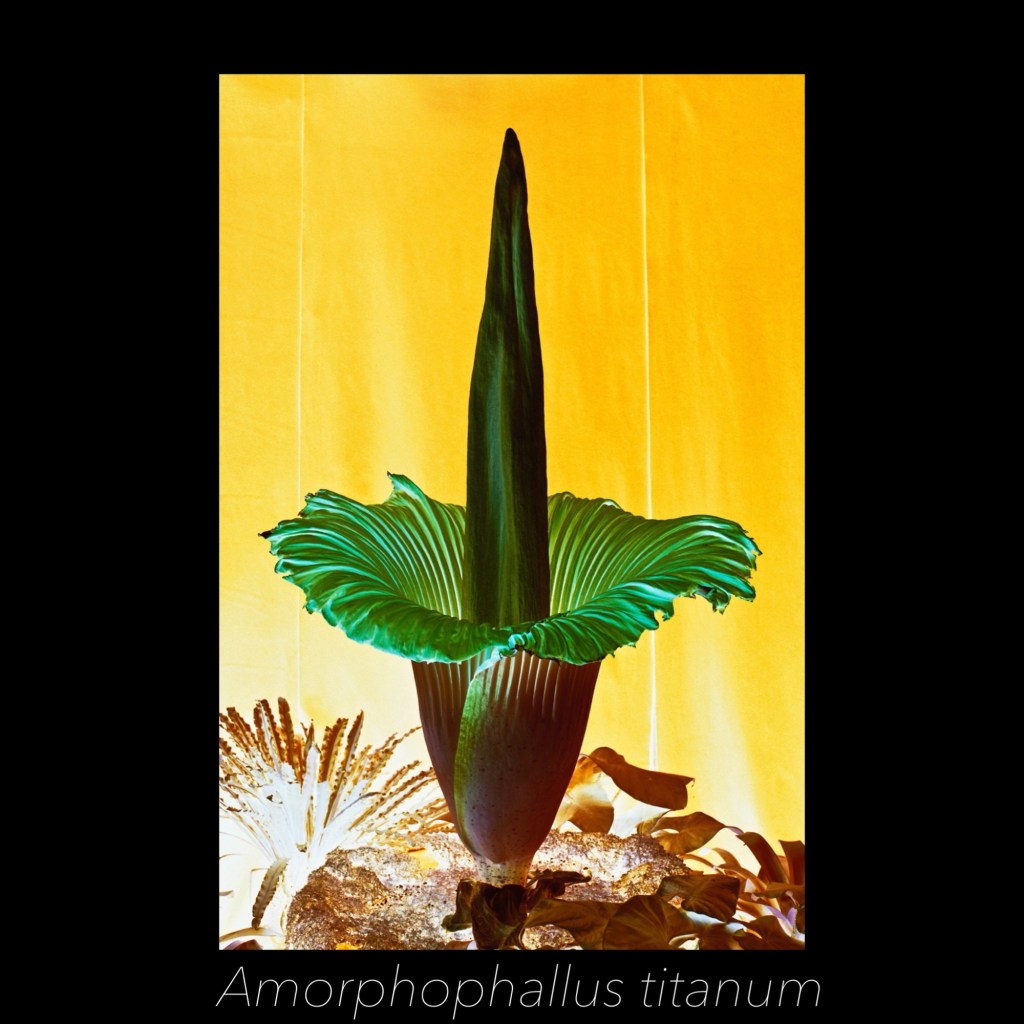
The Amorphophallus titanum is the largest unbranched inflorescence flower in the world. The plant grows to between 6 and 12 feet tall. With a name and size like that it’s no wonder it makes the news when it blooms.
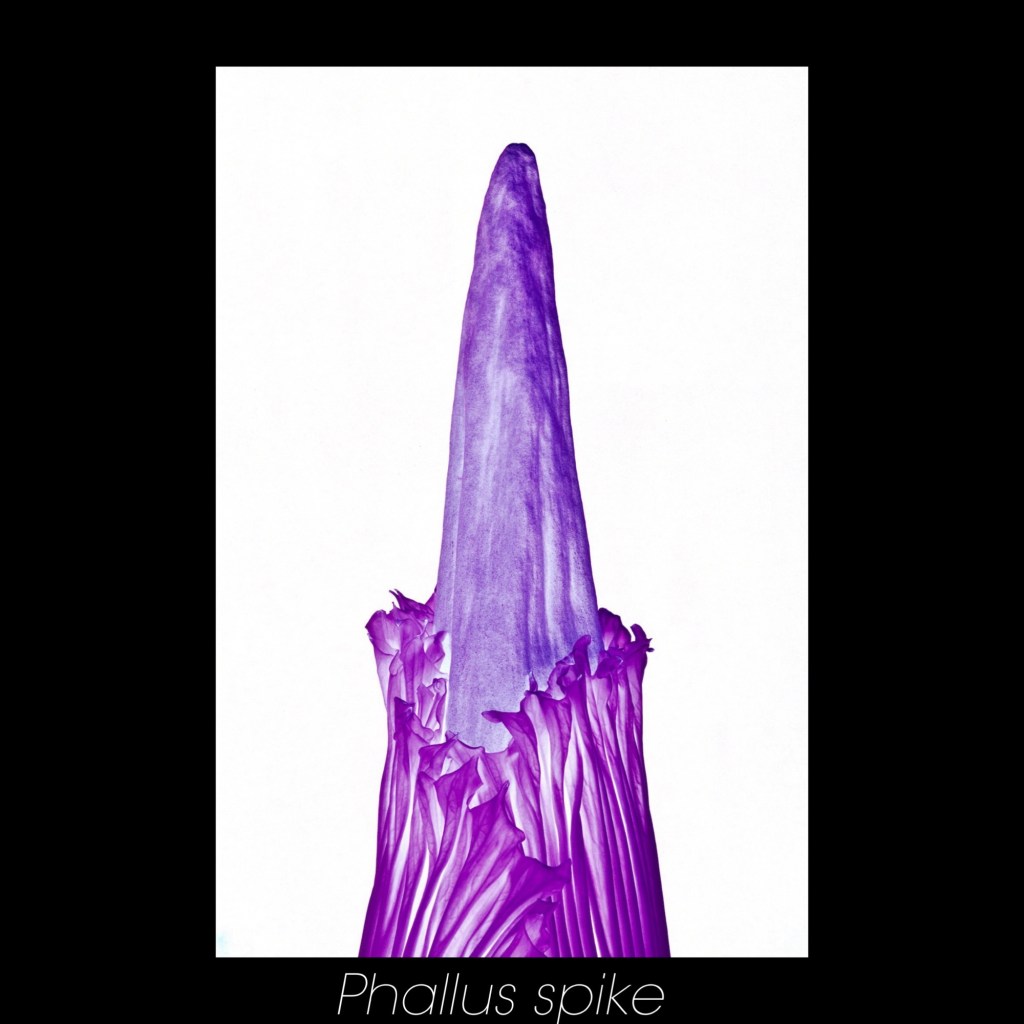
Phallus Spike
From bulb to bloom can take up to ten years. After that long wait the bloom only lasts for about 24 to 48 hours. The plant originates in Sumatra in Indonesia.
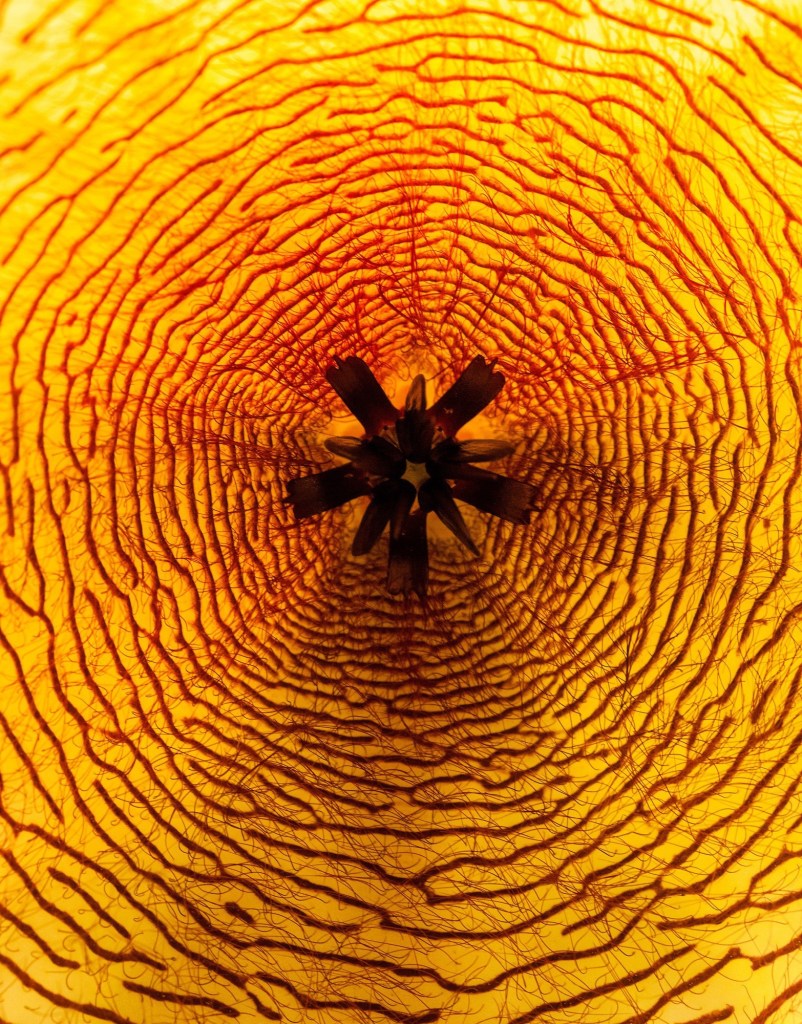
Film cross-processed | Amorphallus titanum
Because of this plants unusual resume I thought how can I make an image that suggests its dramatic presence. I settled on cross-processing some of the images to evoke the energy of this amazing plant. Cross-processing is when you use positive film and process it in negative chemistry. Doing this you never know what you’ll get.
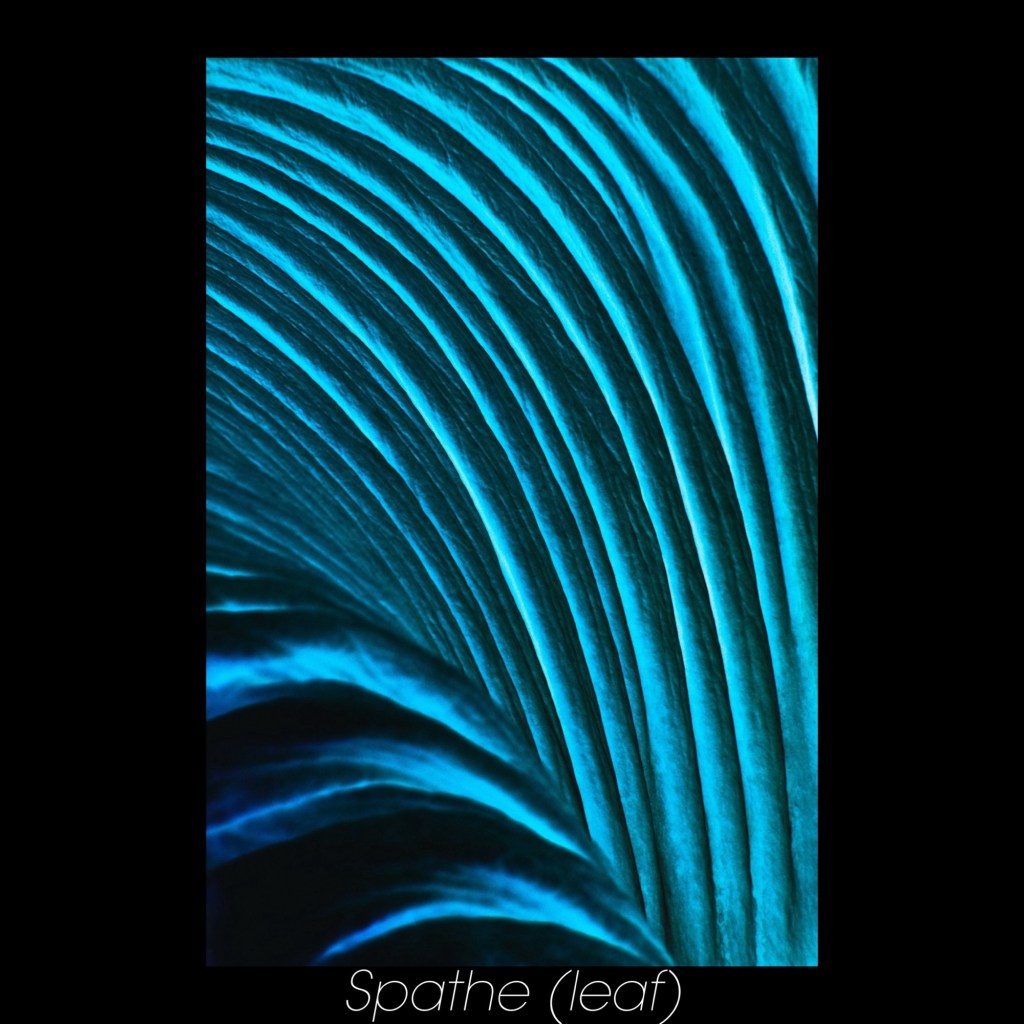
Spathe (leaf) Amorphophallus titanum. Film image
This series of images is part of a larger collection called Floral Essence. I’ll share more about that in the near future.
To see these images and more flower pictures visit the gallery Flowers at www.wayneeastep.com
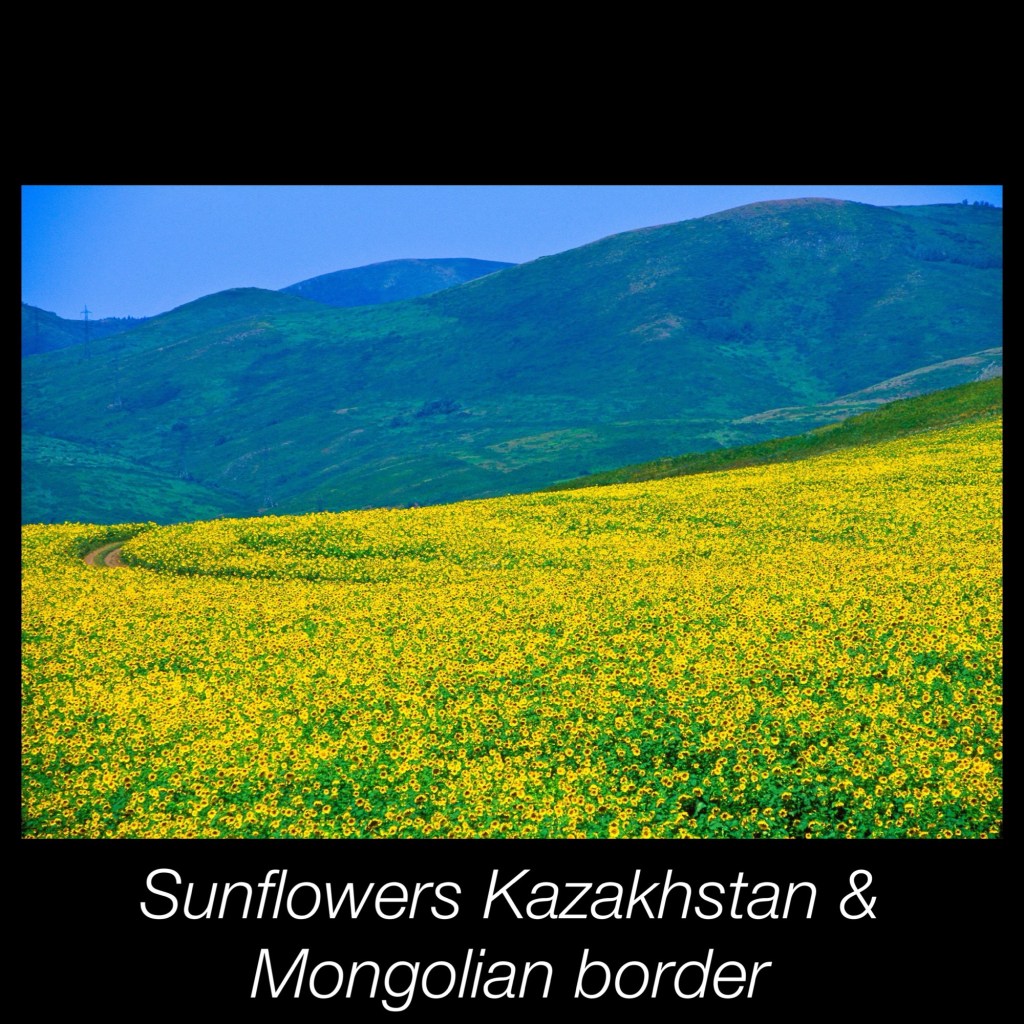
As we were driving along the border of Kazakhstan toward Mongolia, we crested a hill. The field in front of us, all the way to the horizon, was filled with sunflowers as far as the eye could see. I had our fixer pull over. I got out of the jeep, went into the field, and made a series of images of the golden carpet of sunflowers in full bloom. It knocked me out!
Over the next couple of years, the magnificence of those sunflowers remained alive in my memory.
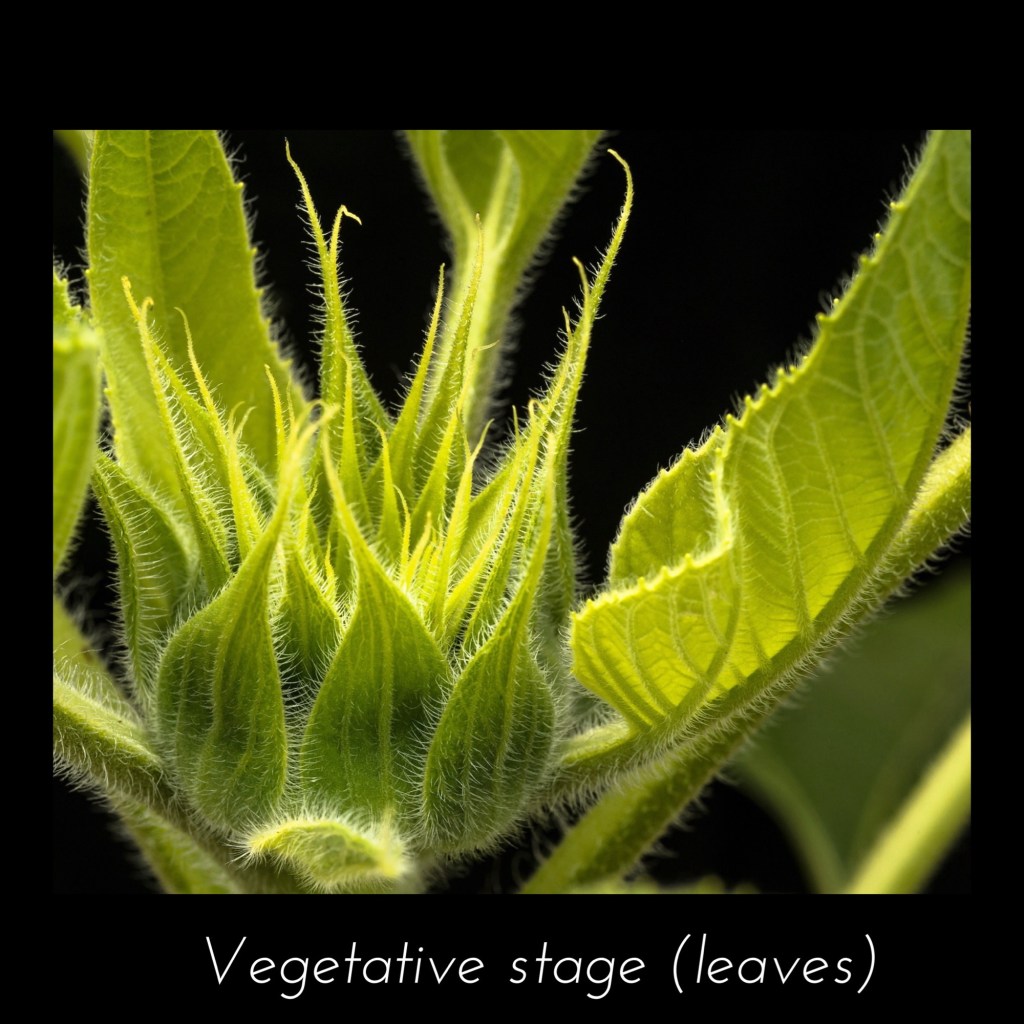
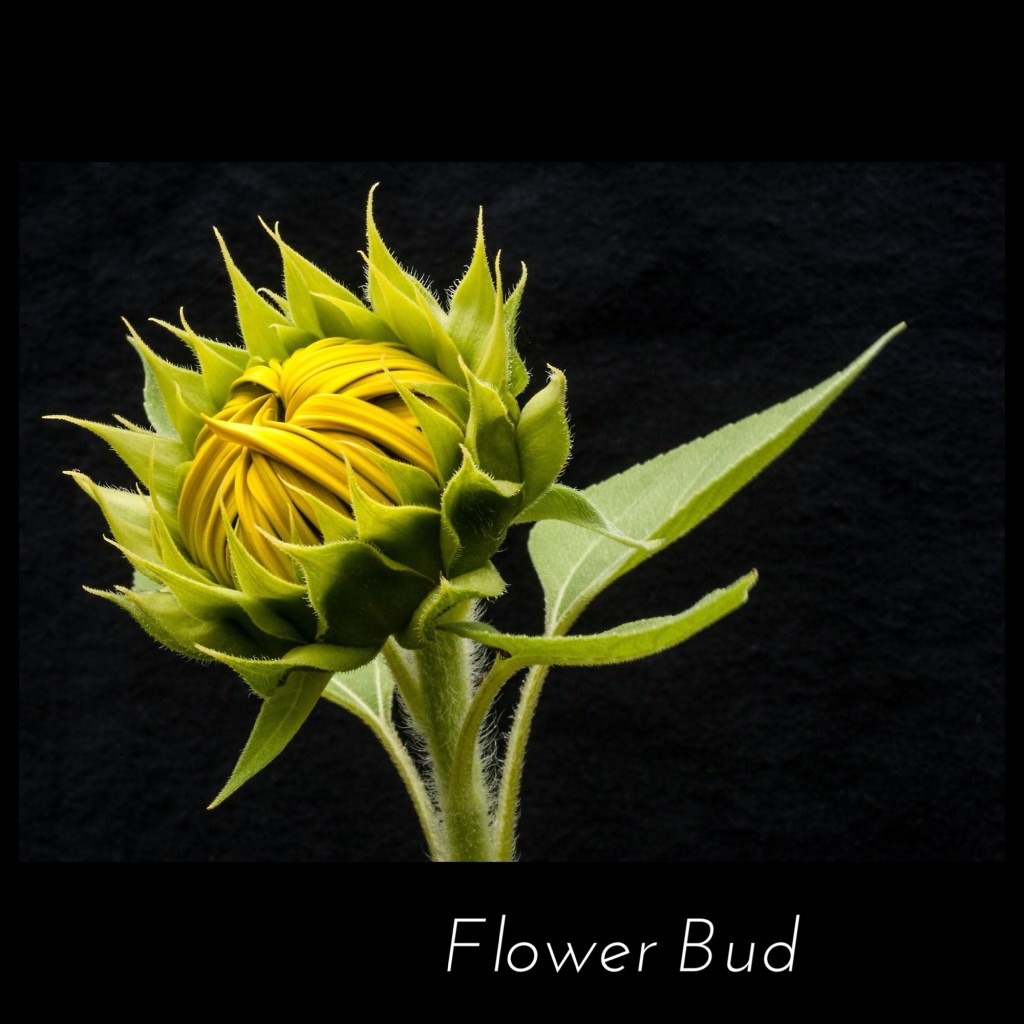
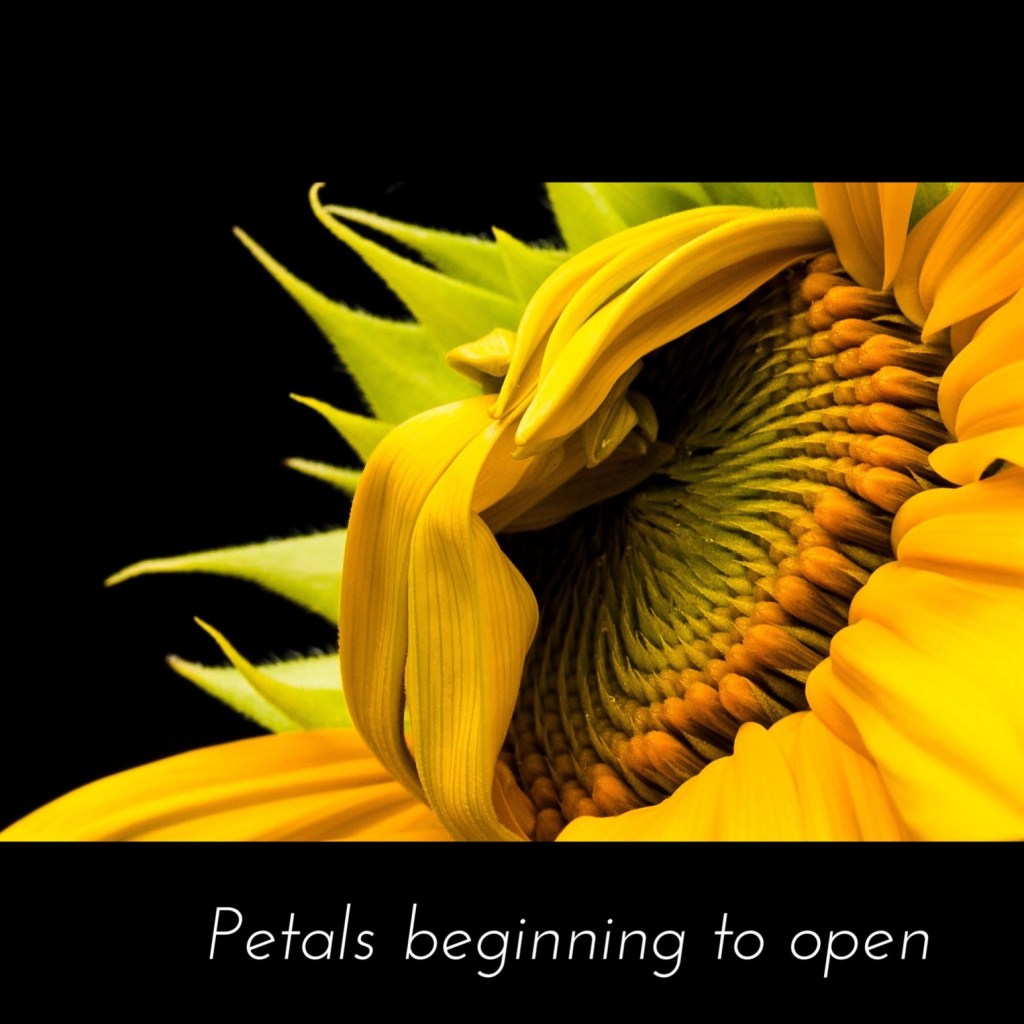
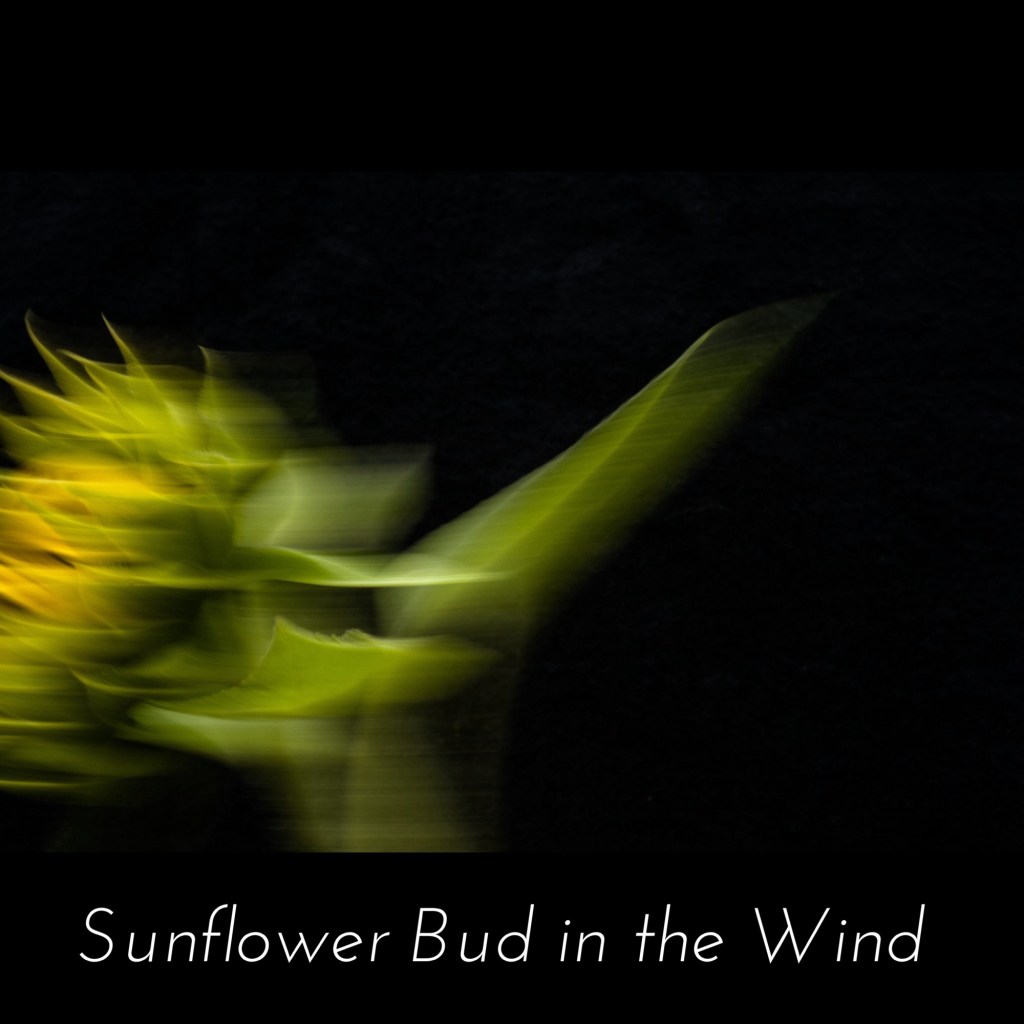
I wanted to learn more about sunflowers. My curiosity was not just about the beauty of their bright blossoms, but what they were all about. I ordered mammoth sunflower seeds, planted the seeds in a circle in my yard, waited, and watched. Over three months, I photographed the stages of growth from seedlings to decline. What I observed increased my appreciation for their beauty but raised even more questions.
Why did every flower develop a similar spiral pattern? Why were the seeds packed in so tightly and at an angle? My research revealed many connections between nature, mathematics, philosophy, and the rich history of intellectual inquiry — more on that in a later post.
The short-form answer to my questions is that the spiral pattern and the angle of the seeds in the sunflower represent the most efficient way to pack seeds in space and ensure reproductive success. The spirals are called “golden spirals,” reflecting Fibonacci numbers. The elegant angle of the seeds to each other aligns with the “golden angle’’. The pattern of the seeds in the sunflower represents what, in mathematics and aesthetics, can be called beauty — more on that in a future post. Leonardo Da Vinci described this phenomenon, which can also be seen in hurricanes, galaxies, pinecones, and pineapples, as the “Divine Proportions”.
One day, when the flowers were reaching maturity, I watched a pair of wild Brazilian Green Parrots as they fed on the seeds. The two parrots took up positions next to each other on two sunflowers. While one ate, the other stood guard, watching for any threat. After a while, they switched roles. The one guarding then ate, and the other provided protection.
Nautilus print sandwiched between two layers of plexiglass.
This image of a nautilus is sandwiched between two layers of plexiglass to protect it from moisture around the pool. The print is part of a 20 print collection permanently installed at the Grand Tier across from Lincoln Center on the upper west side of New York city.
This post-war 30 story high-rise was designed by famed architect Costas Kondylis, with interior spaces designed by renowned American Designer John Saladino.
Sandwiching the image between two layers of plexiglass made it possible to safely display the print in this moist environment. There are a number of solutions for displaying prints in challenging environmental conditions.
Contact me to discuss solutions for safely displaying prints in challenging spaces you’re working on. WayneEastep@Gmail.com
Industry is built using engineering design. I’ve always appreciated the elegance of design be it in fine art drawings, fashion, or industrial design. Often the clearer the concept the cleaner the design. Long ago the Shakers and Danish designers illustrated that truth.
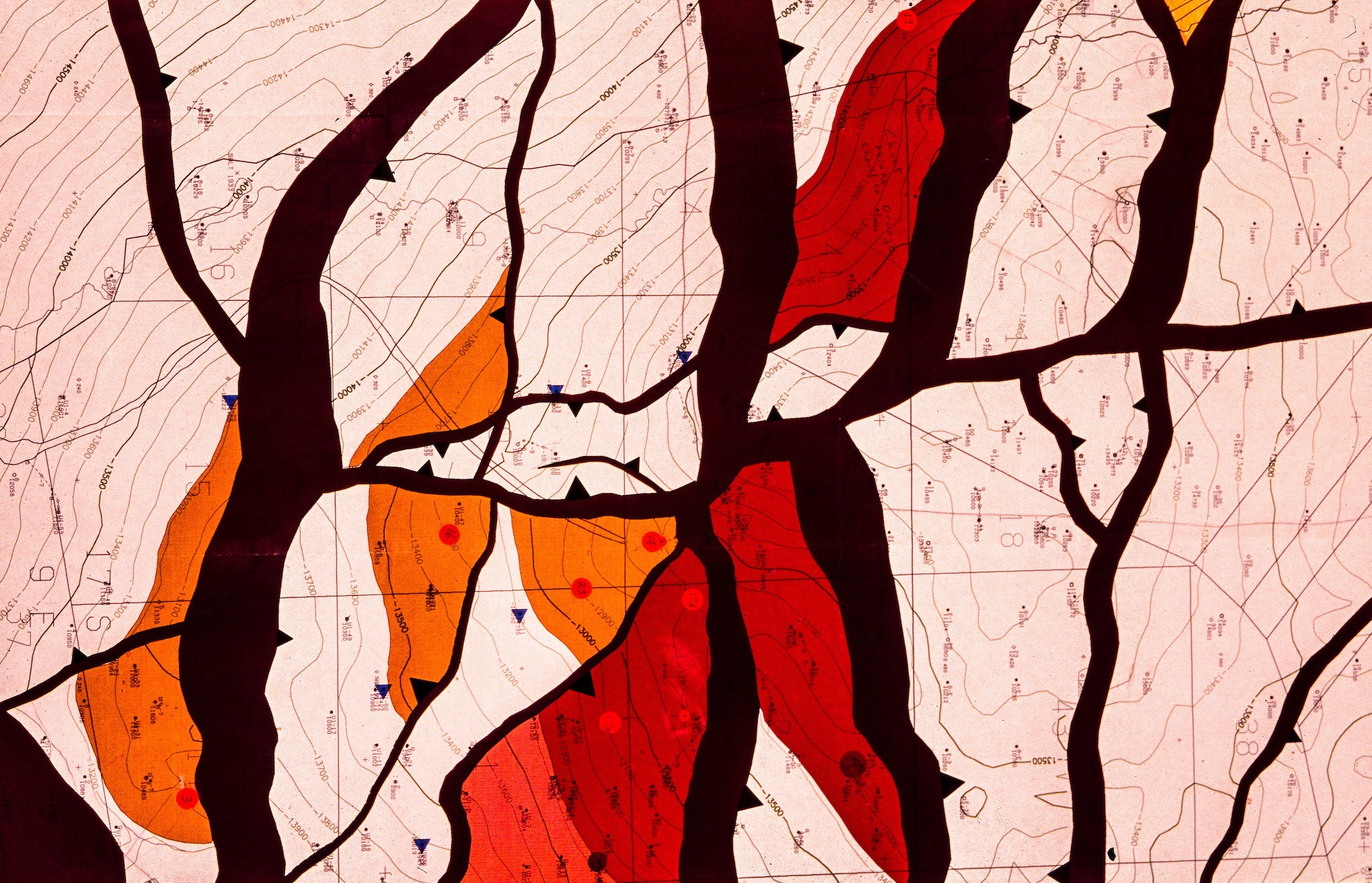
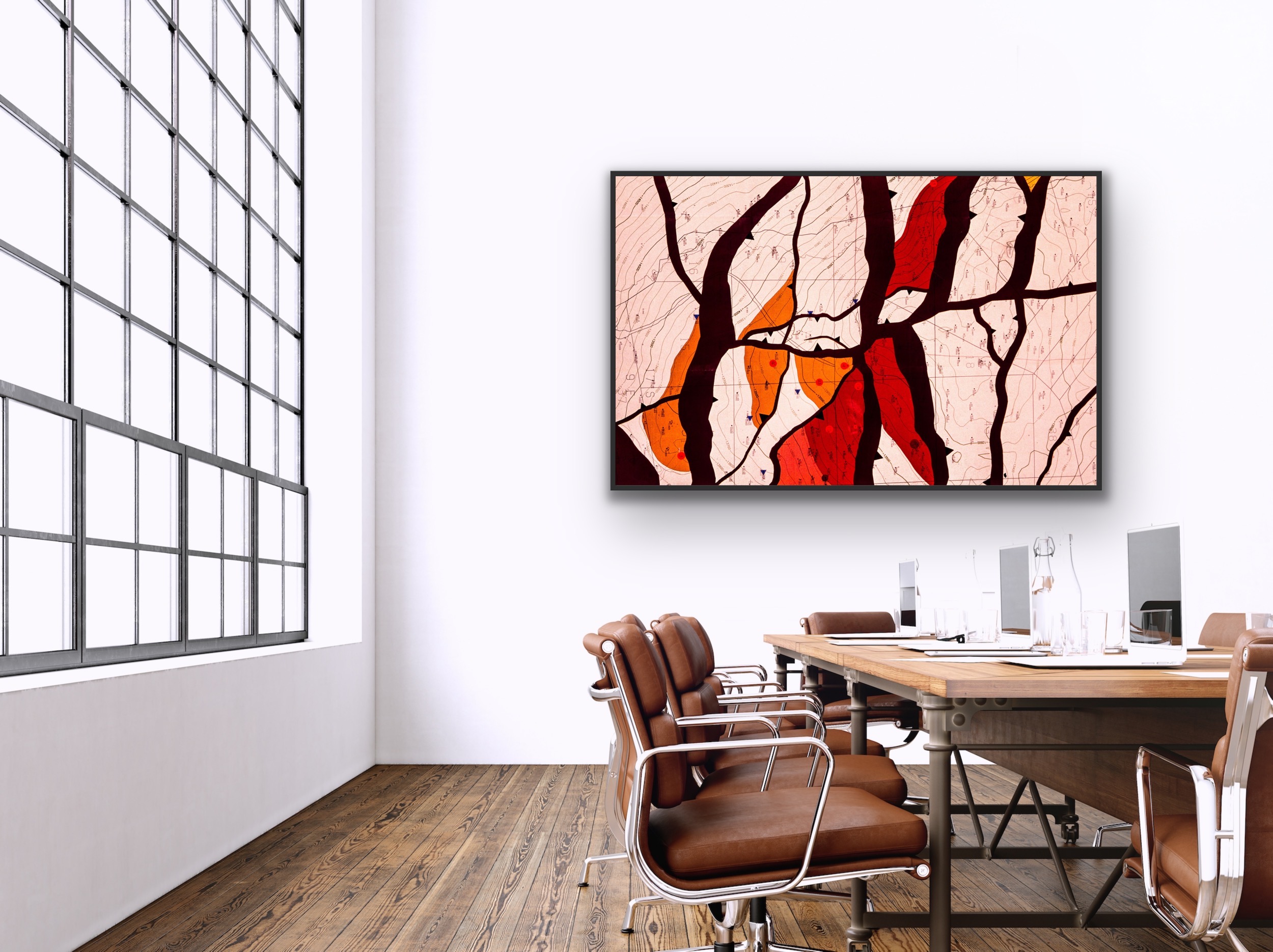
This image is a sonar mapping image of the floor of the Gulf of Mexico identifying were there are voids in the earth, where there is crude oil and where there is natural gas.
Once again when we turn our attention to nature we often see elegant design and beauty.
I was walking down fifth avenue and saw this image, paused turned back and asked the person if it would be ok to make an image of their shoes. They looked a little puzzled, but said, ok. After making the image I showed it to them and they said, “wow very cool, I had no idea”.
One of the great satisfactions of photography is being able to make an image of those fleeting moments that we come upon every day.













 wayne eastep's blog