Tag Archives: Images
What camera should I use? I’ve lost track of the number of times I’ve been asked this question. I learned on an assignment for Polaroid that it did not matter what camera I use. Creating an image is mostly about the way I see. I grant that a particular lens or camera may give me a technical tool that helps craft the image. When I photographed for Polaroid I was limited to the camera and film they provided. The goal was to demonstrate that fine art images could be created using only Polaroid film and a Spectra camera. These are two of many images I made for Polaroid. The images won awards in a number of categories and proved to be successful in promoting the Spectra camera.
I learned from this assignment that creating images was mostly about the way I see and minimally about what camera I use. There’s a saying among working photographers that “the best camera is the one you have with you”. These days I always have my “smart phone” with me and am pleased with the images I am creating. I love the spontaneous feel of the images. In coming posts I’ll share some of those with you.
What Camera Should I Use?
Simply Beautiful
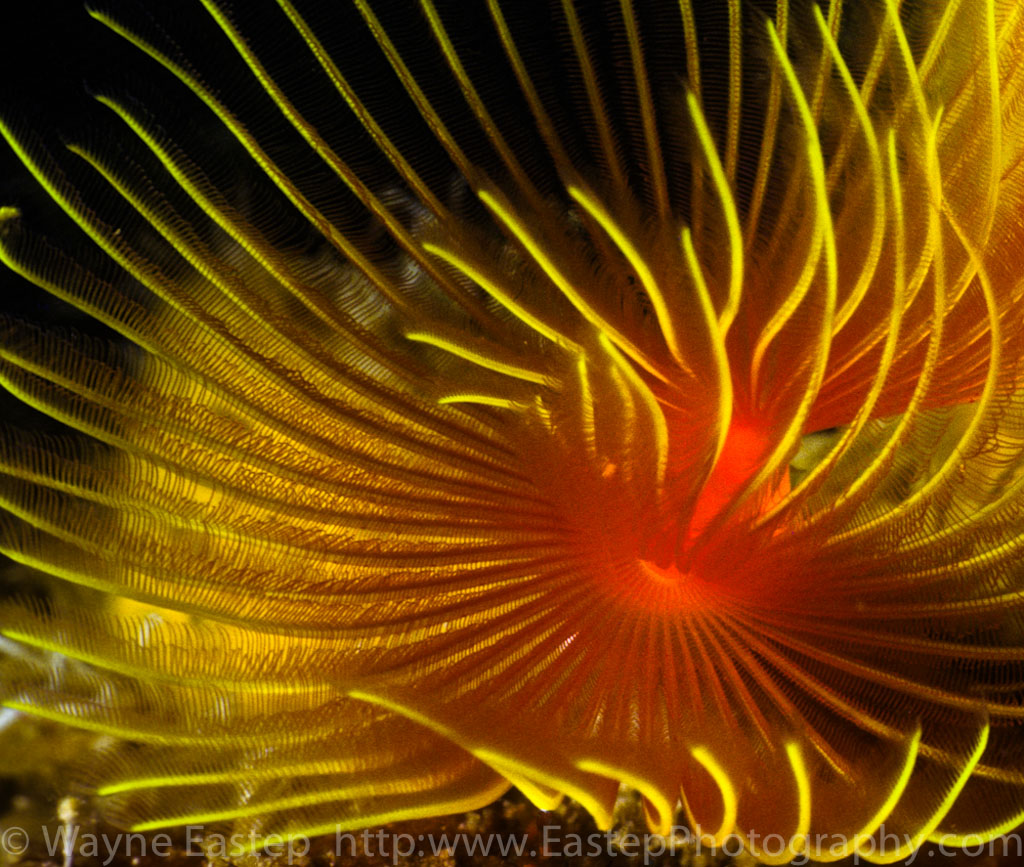
This image of a Tubeworm photographed in Saba is beautiful. Rather than saying more I’ll leave it at that.
To see more of my underwater images visit: EastepPhotography.com
Color Beyond Description
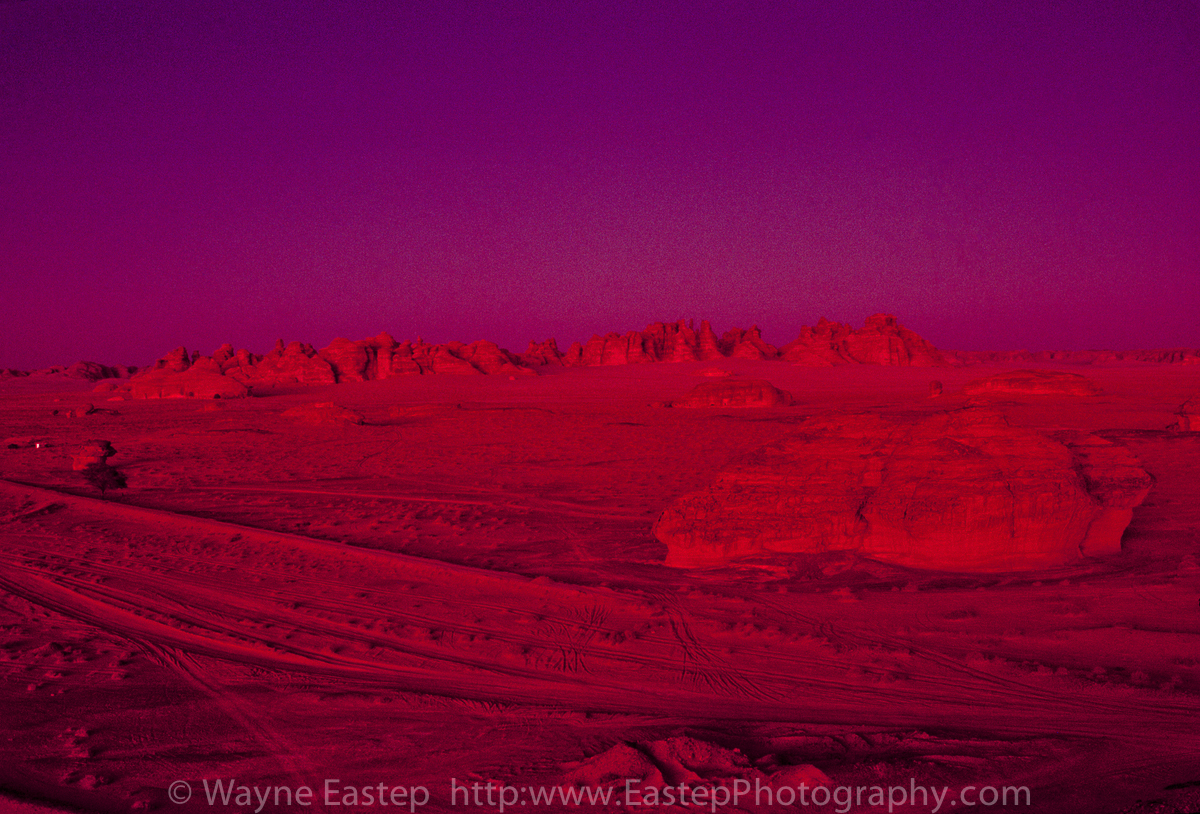
Photography has reached a strange place when I have to explain that “yes, that was the true color” and NO I did not create this in Photoshop, yikes!
The place I made this picture is Mada’in Saleh the historical site of a Nabatean trading center in north-west Saudi Arabia. These folks were part of a group whose capital was Petra in modern-day Jordan. It is also the place the Ottomans had a railroad depot which T.E. Lawrence destroyed. It is now a UNESCO World Heritage Site.
I made this image as part of a feature story of archeology for Smithsonian magazine. There are two reasons the color is other worldly. The first is the light in Arabia gets this way sometimes, that’s all I know. The second reason is I used a rare film Kodachrome Photomicrography which had insane saturation and detail. The ASA is 16. I did not add any color, the film simply recorded everything that was there.
To see more images from this story visit Eastep Image Archive @ www.EastepPhotography.com
Aloe Vera Final Phase
Final phase of the Aloe vera flower open. No further caption needed.
Homemade Strawberry Rhubarb Pie
Fourth of July
On December 16, 1991, Kazakhstan emerged from a long and challenging period under Soviet rule. Over the past 20 years the country has blossomed in what can be described as the Kazakh Renaissance, a demonstration of the enduring spirit of the Kazakh culture. I celebrate this anniversary with a selection of images from the book, The Soul of Kazakhstan. The collection showcases Kazakhstan’s people, history, culture and land. They will be posted on my WordPress blog over the coming days leading up to the anniversary.
A permanent library of images is available for purchase as prints or licensing at http://eastep.photoshelter.com/gallery/Kazakhstan/G0000xg4sBqG4LWQ/
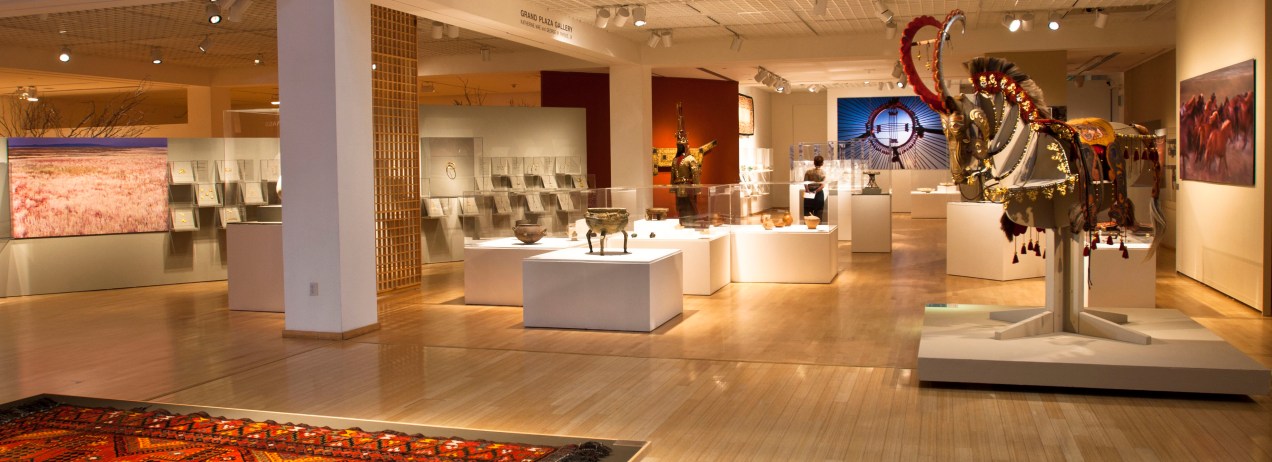
- Photographs by Wayne Eastep in the exhibit “Of Gold and Grass” Mingei Museum, San Diego, CA
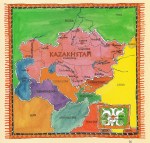
- Map of Kazakhstan created by Bill McCaffery for the book, The Soul of Kazakhstan
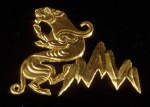
- A stamped and engraved gold plaque on the Golden Warrior’s headdress features mountains and a snow leopard. He was a 5th century B.C. Saka chieftain
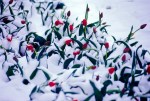
- “While researching for the book The Soul of Kazakhstan in the New York Public Library, I came across a letter Natllya Sedova, Leon Trotsky’s wife, wrote home while exiled in Almaty. She exclaimed about the beauty of a late spring snow blanketing the tulips. As good fortune would have it, my apartment was across from where the Trotskys lived. On a spring day in April, I was treated to the same beautiful sight” – W.E.
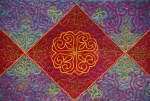
- It took Kaineke Zarykpai-Kyzy Kanapyanova two years to create this embroidered-felt Tuskiiz. She made it as a wedding gift for her son, Nurgazy, in 1973. When I told her she was a master like the artists in Japan called “National Treasurers,” she said, “Thank you.” After a pause she asked, “Will you put that in your book?”
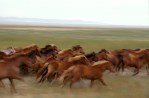
- Kazakh Steppe Horses
- The opening at the top of a Kazakh yurt is called a Shangiraq. The circle represents the circle of life and the cross marks the cardinal points.