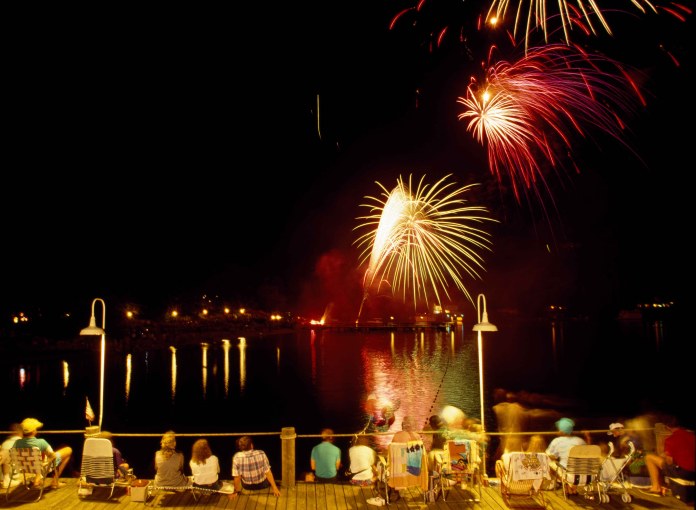
4th of July fireworks, Lake Lure, North Carolina
Happy 4th of July from Lake Lure, North Carolina
4th of July fireworks, Lake Lure, North Carolina
Happy 4th of July from Lake Lure, North Carolina

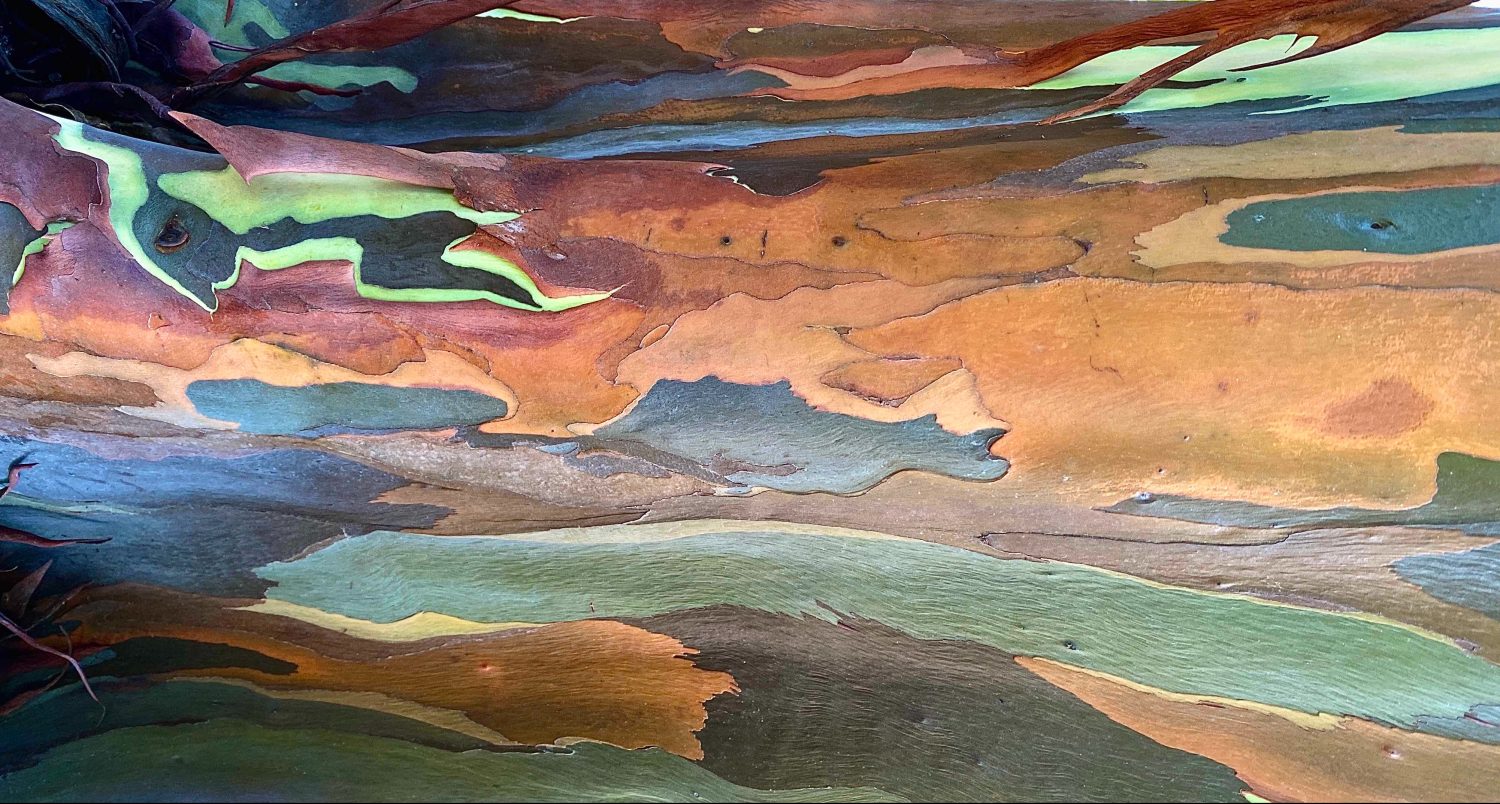
Ordinary plant in my front yard.
I’d like to share this image with you as a way of celebrating the ordinary. This plant grows in my front yard. It can be purchased in any nursery. I like its formal name, Monstera deliciosa, the plant book says, “name unexplained,” love that. You might know it as Dieffenbachia or philodendron, it’s a member of the Araceae family.
There’s so much beauty all around us, enjoy. Wayne
If you would like to see more visit: http://eastep.photoshelter.com/gallery-image/Fine-Art-Images/G0000awEbYVaMvH0/I0000ZWpOjF9Bb0k

Bill Stettner and Wayne Eastep on location in Egypt.
Perhaps the refusal to cut down a tree blocking an advertising shot for RJ Reynolds in Egypt, the dismissal of an over zealous dog handler in Central Park on a shoot for Polaroid, or not requiring a 6-year-old to eat spam on a photo shoot for Hormel show something about Bill Stettner’s humanity. Bill was a highly sensitive and complex person.
I was fortunate to work with Bill at the peak of his commercial photography career. I assisted him on 250 jobs and saw the professional and the person behind the camera: a man with a terrific sense of humor, a remarkable awareness of the mechanics of image making, business acumen and ethics of the profession.
He was human with the good and bad. He had a temper and could be impatient. He had the ability to be direct in a way that at times felt abrupt. He was funny very funny.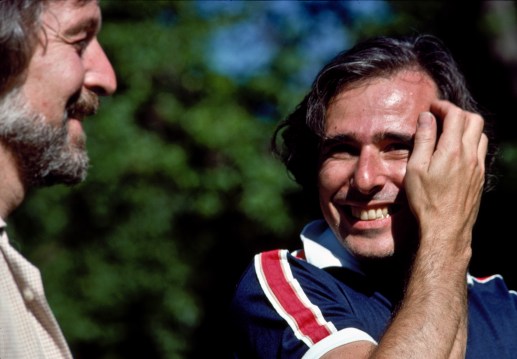
Toward the end of my two years with Bill we had a conversation about what I might do with my career, as an “artist” I wanted to talk about the aesthetics of photography. Bill cut to the point and asked me, “What kind of lifestyle do you want?” I wondered out loud what that had to do with photography and he responded, “Everything. Look, if you create a photograph for an editorial story you’ll get paid $500. If you create the same image for corporate communications you’ll get paid $2,500, create the identical image for advertising and you’ll make between $5,000 and $10,0 00 dollars. If you want a family, to own your own home, go out to restaurants and have a nice car, you’ll need to shoot for advertising or corporate assignments. If you are ok with living a low profile life then you can do editorial or fine art work.” Thirty years later as a professional photographer I can affirm that Bill’s advice was sound. I wanted the “good life” and I wanted to do documentary projects, so I built a business that combined commercial and personal work, not an easy thing to do but worth the effort.
Bill had a director’s ability and paid attention to everything on a shoot, both human behavior and physical details. I remember many times being sent to the print collection at the New York Public Library to research a specific time or place. Bill was intent on getting the hat, car, soda can, the hairstyle and every other detail as authentic as possible.
One assignment comes to mind that will illustrate this attentiveness.
Bill Stettner shooting in Louisville, KY.
We were creating an album cover for Columbia records. The layout indicated a Victorian house with picket fence, mailbox and sidewalk. Bill commissioned a model maker in New York to build the Victorian house to scale. The model stood about thirty inches tall, included interior lights that worked, a one inch tall tricycle with pedals that turned and a mailbox with an envelope inside addressed to the artist c/o Columbia Records 1221 Avenue of the Americas, New York, NY 10020.
I asked Bill why make the doors and windows open, the lights turn on, the tricycle work and place an envelope inside a closed mailbox with a handwritten address. Bill answered, “The purpose of the image is to tell a story. As photographers we must go inside the story and illustrate it with authenticity. The intention of our effort and the energy we put into the picture will inform the final photograph in a way that the viewer will believe .” I was at an impressionable phase in my career and took that advice to heart. The advice has caused me a lot of extra work, but I believe my images are more authentic as a result.
Bill Stettner was a storyteller. He told stories, often very funny stories, better than anyone I’ve ever heard. That’s saying a lot because I grew up in the South where storytelling is a way of life. Time and again he helped a person who was self conscious in front of the camera relax and open up as a result of a story he told. He had a love of the story and great sense of humor.
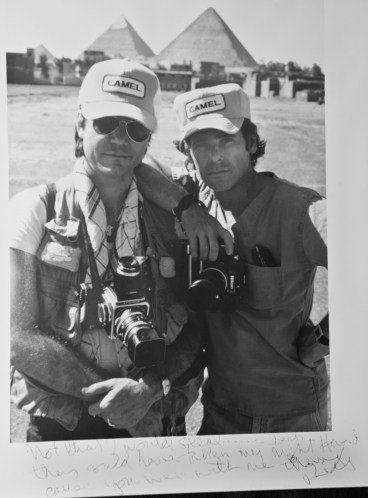
Bill Stettner and Wayne Eastep on location at the pyramids, Giza, Egypt
Bill was one of those photographers who worked for years to secure photographers rights and protect artist’s copyright. He was ambitious and competitive but he was also generous. He was
effective in strengthening the profession of photography. He made my career possible because he gave me my first chance to work as a photographer. His plain talk and straightforward advice that I actually took to heart has helped me have a career that provided a good living for my family and a fulfilling life as an artist. Not only does Bill’s memory live on in my heart it is manifest in my creative and professional life. With gratitude I honor Bill Stettner.
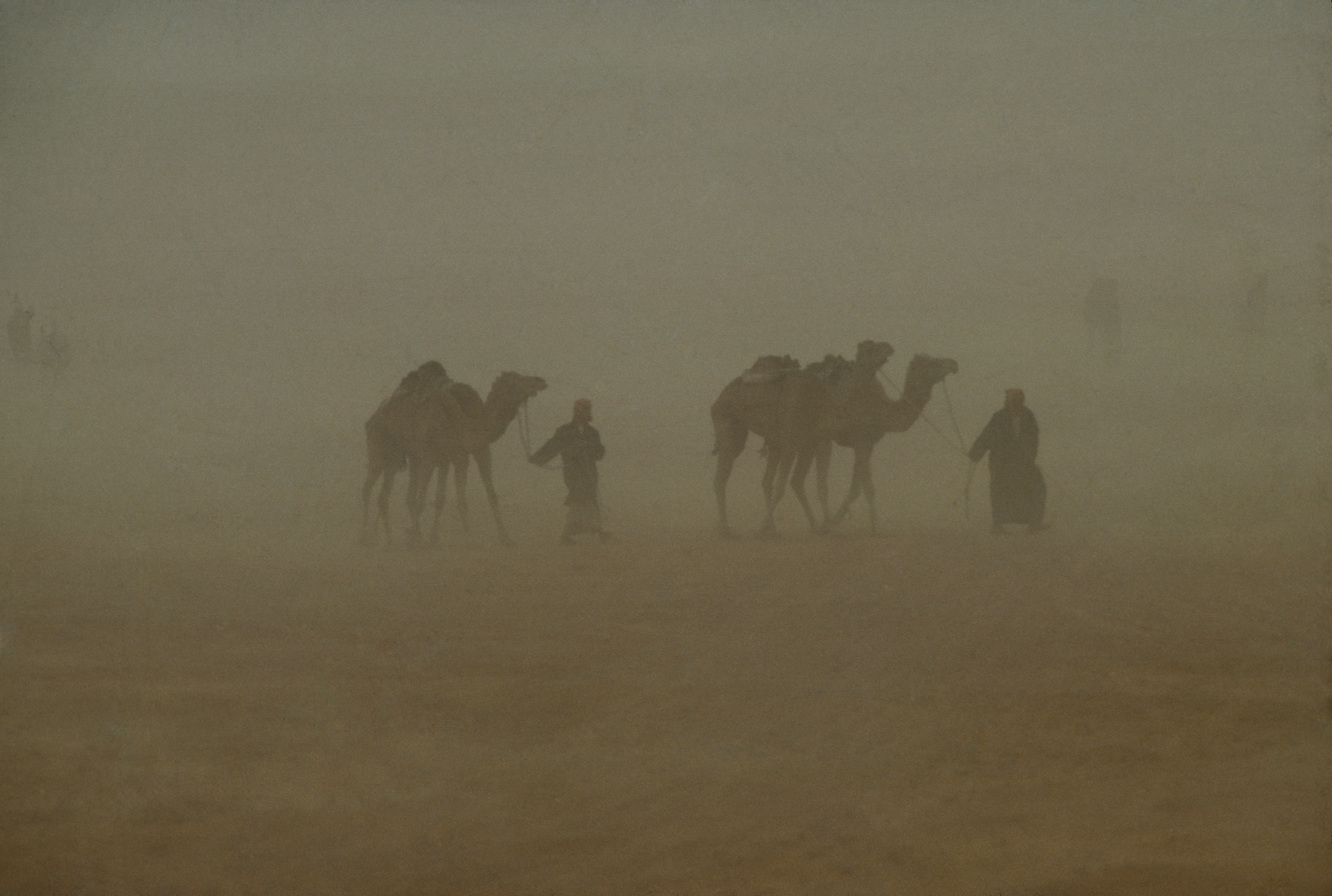
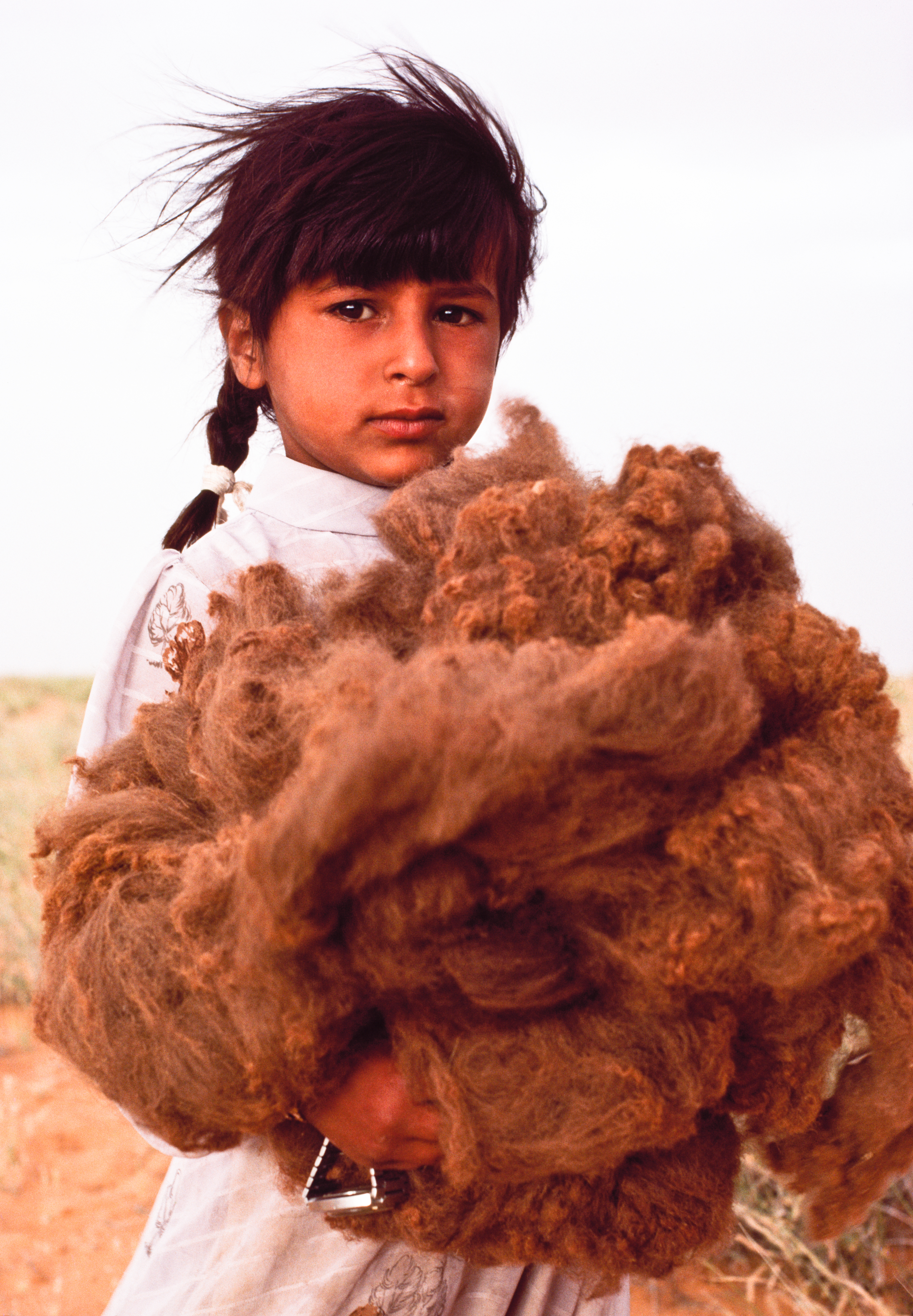
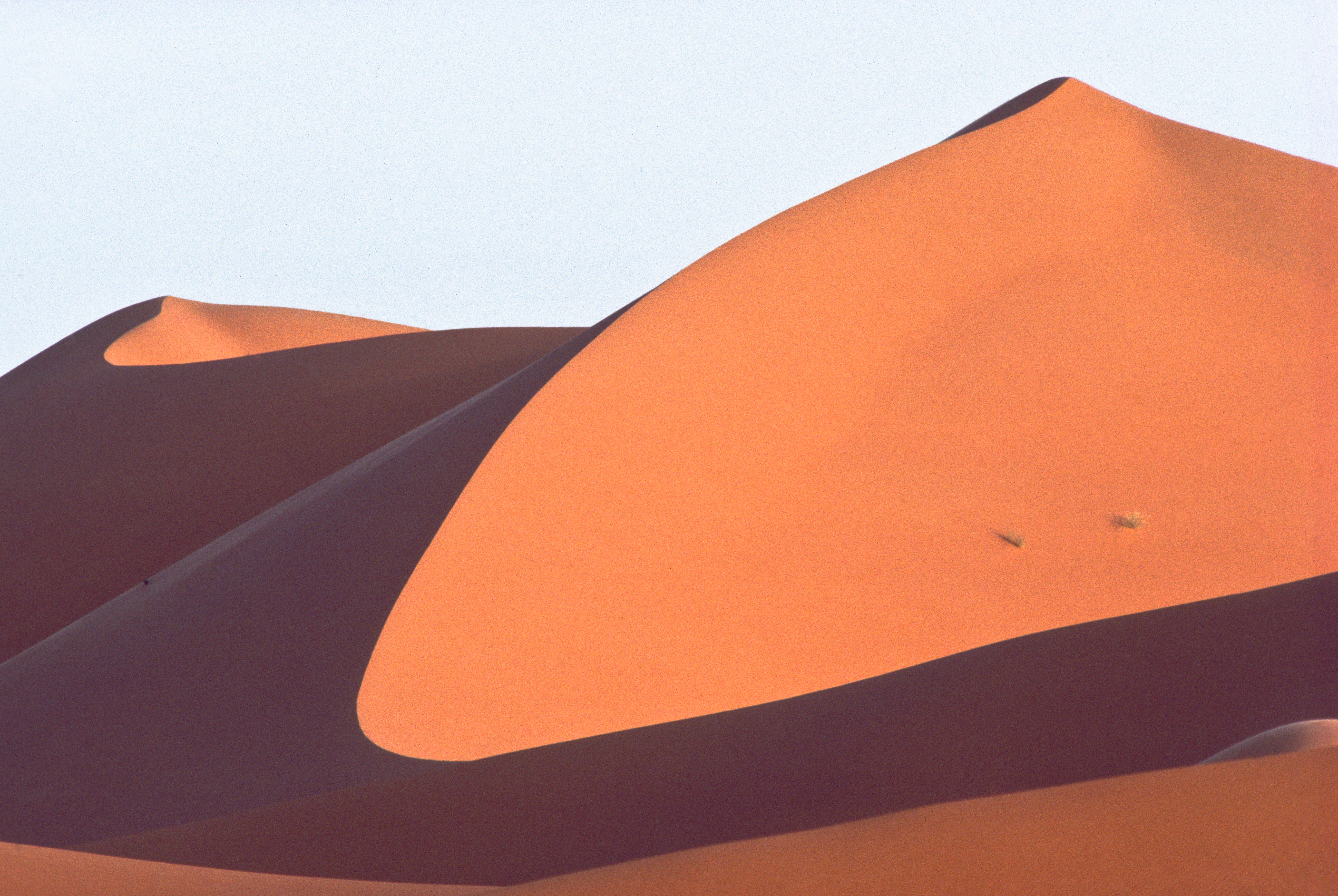
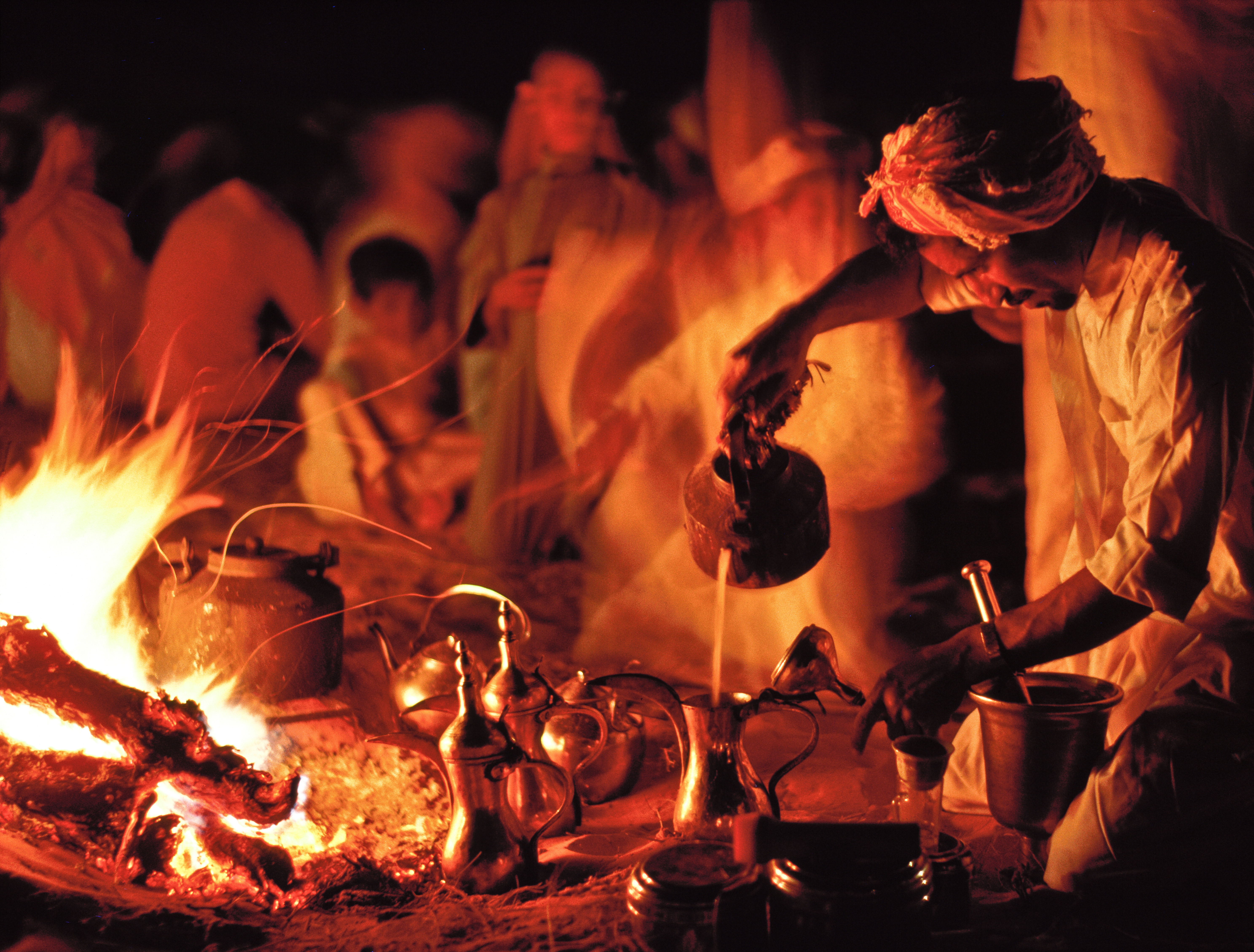
 The Bedouin of Saudi Arabia are one of the world’s most unique nomadic people. They survive in the Arabian deserts under some of the harshest conditions in nature.
The Al Murrah Bedouin tribe attracted my attention because they have lived as nomads in Arabia with an unbroken bloodline for 5,000 years. I figured such unique people would have important insights into human relationships. I was right.
Leading Saudi families in government, business, judicial and academic communities have sent their young children to live among the Bedouin for similar reasons. King ‘Abd al-‘Aziz ibn Sa’ud, the monarch who unified the Arabian tribes and created the modern Kingdom of Saudi Arabia, spent time with the Al-Murrah in the southern desert of Saudi Arabia.
When I began my career I decided to document the Bedouin in Arabia, specifically the Al Murrah tribe. This modest collection of images is from a library of over 25,000 images. They represent the book BEDOUIN which won the Pershke Price “Best Book” award and Gold Prize for the “Best of All Things in Print” the year it was published.
Visit http://www.EastepPhotography to see images from the book BEDOUIN

The news of downsizing at the Post Office brought to mind an image I made of the the smallest Post Office in America. To see this image and other examples of interesting American Architecture visit the American Built gallery at: http://www.EastepPhotography.com
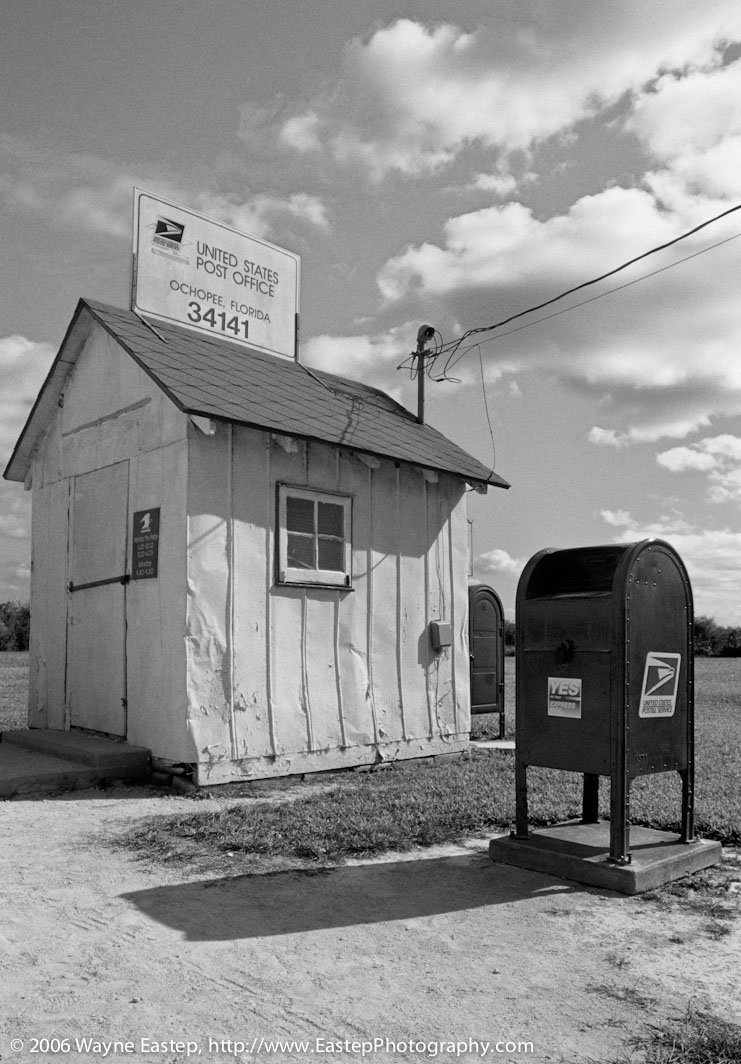
Smallest Post Office in United States, Ochopee, Florida
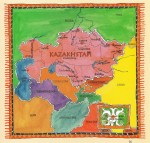
“The End of the Earth,” that’s how Herodotus described Kazakhstan. After traveling from one end of the country to the other I would describe it as the Center of the Earth.
It’s large. The ninth largest country in terms of land mass and the largest in Central Asia. China and Mongolia are on the eastern border, Siberia on the north, Russia on the northwest, the Caspian Sea on the west and the Stan’s: Turkmenistan, Uzbekistan and Kyrgyzstan along the southern border.
The landscape is diverse; mountains, forests, canyons, foothills, plains, steppes, semi-desert and deserts. Climate ranges from very hot summers to extremely cold and windy winters.
To keep my Nikon motor drives working in the winter I had to keep the batteries next to my chest under a layer of tee shirt, thermal undergarments, wool shirt, wind resistant insulated layering jacket and extreme weather shell designed for high altitudes. I had to slowly hand rewind the film to a avoid static electric streaks like lightning on the emulsion.
There’s a lot to show, so I will break the images up into sets. This first set will illustrate the mountains. Subsequent entries will show other features of this diverse and magnificent land.

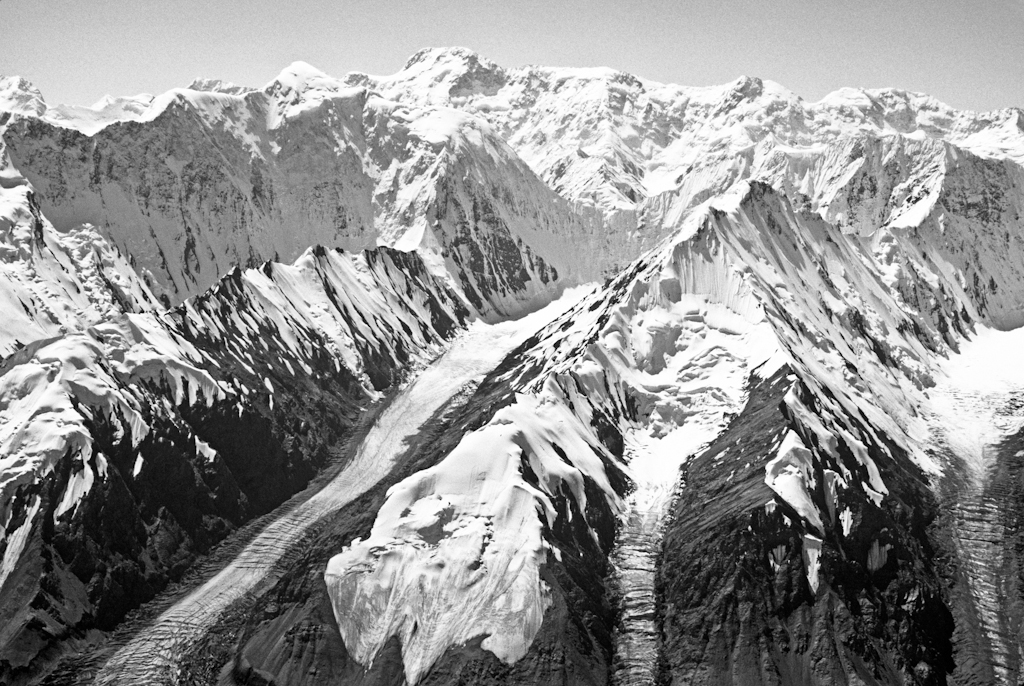
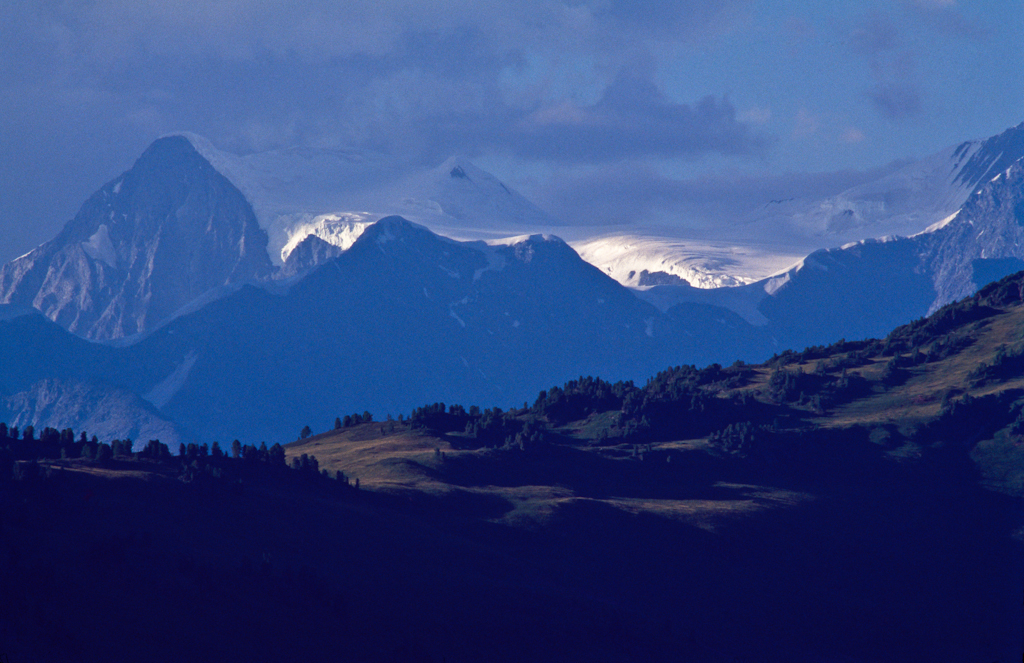


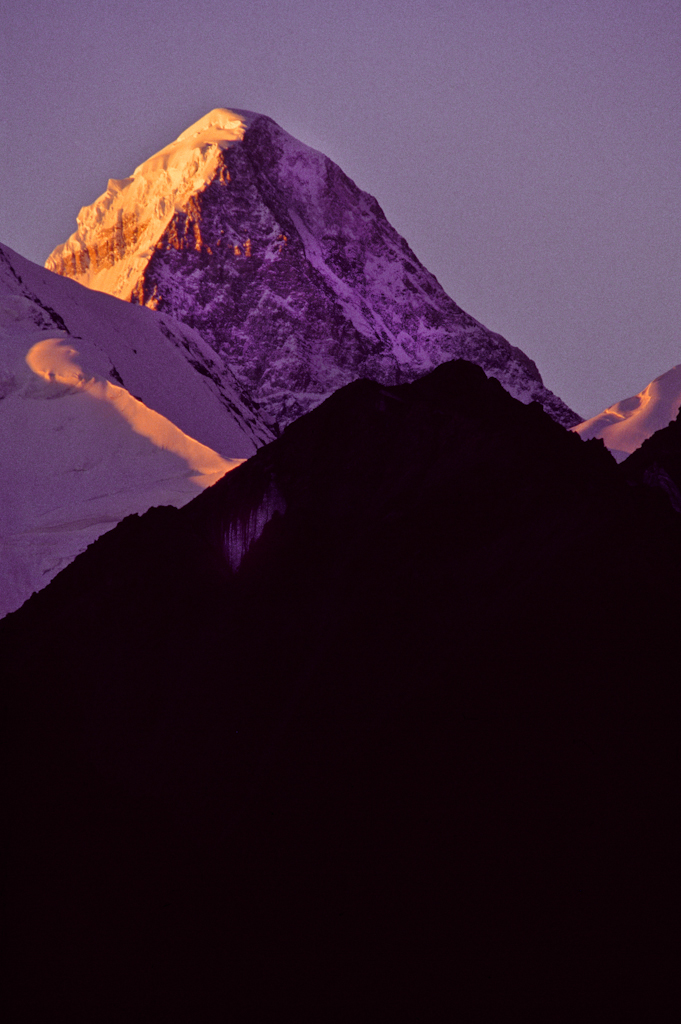

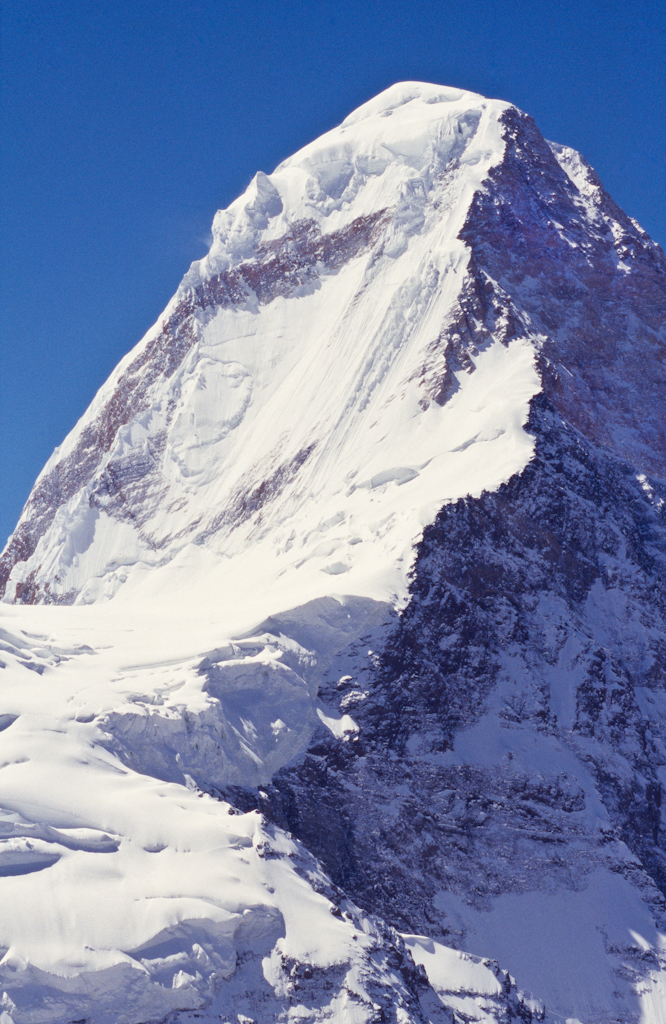

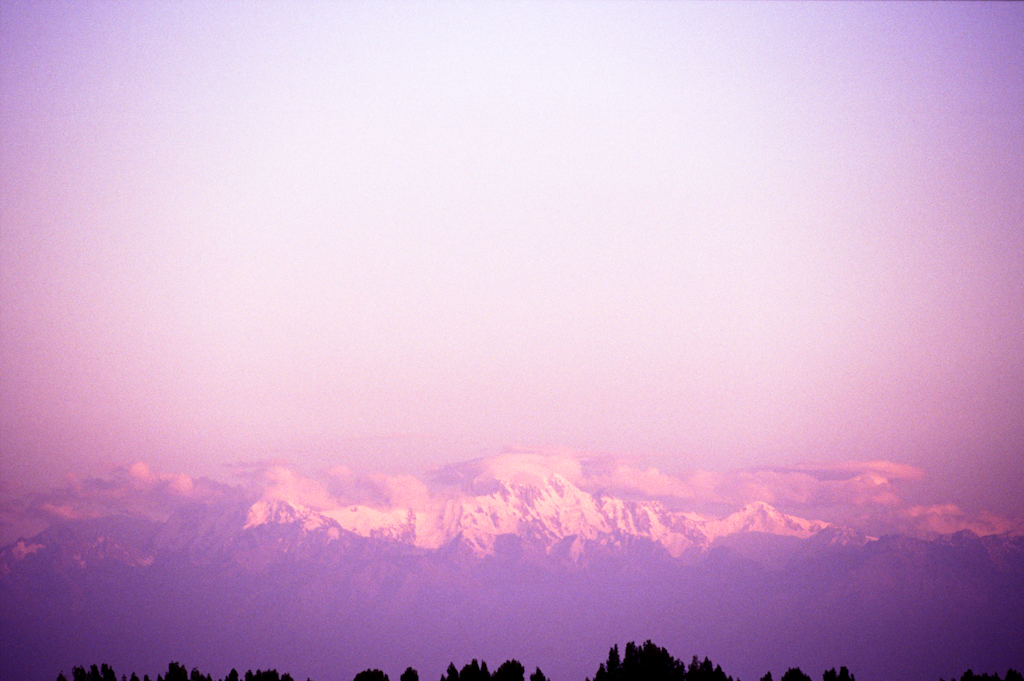


On December 16, 1991, Kazakhstan emerged from a long and challenging period under Soviet rule. Over the past 20 years the country has blossomed in what can be described as the Kazakh Renaissance, a demonstration of the enduring spirit of the Kazakh culture. I celebrate this anniversary with a selection of images from the book, The Soul of Kazakhstan. The collection showcases Kazakhstan’s people, history, culture and land. They will be posted on my WordPress blog over the coming days leading up to the anniversary.
A permanent library of images is available for purchase as prints or licensing at http://eastep.photoshelter.com/gallery/Kazakhstan/G0000xg4sBqG4LWQ/
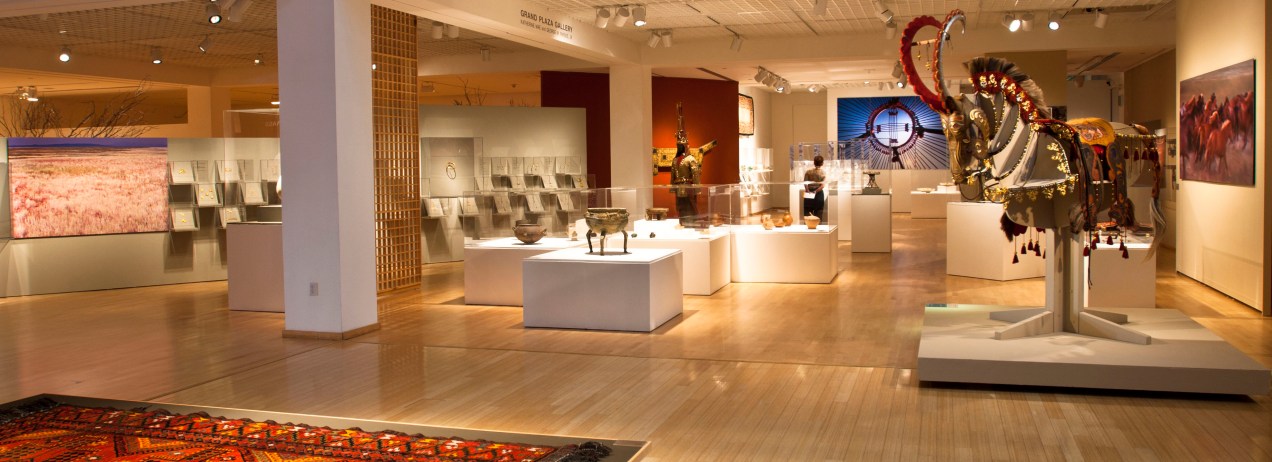
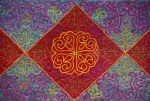
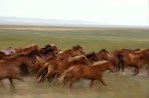
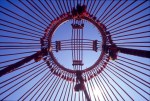
Photographs by Wayne Eastep in the exhibit "Of Gold and Grass" Mingei Museum, San Diego, CA


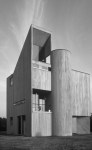
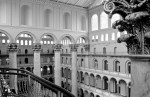
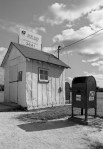



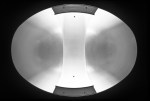
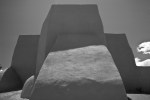
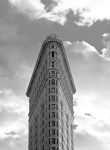
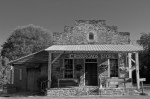
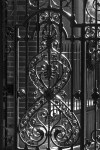
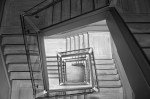


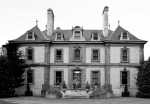

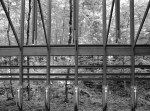
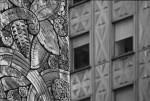
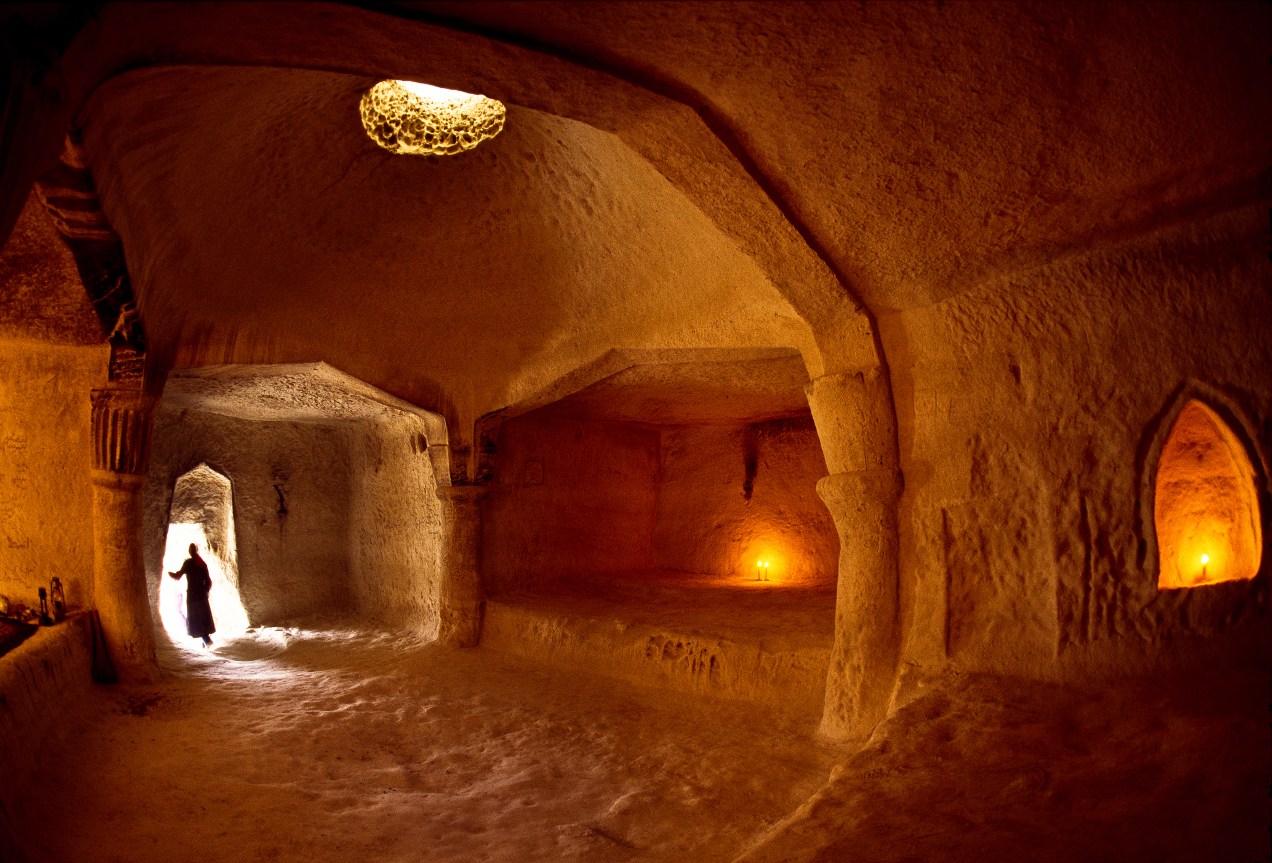
Since the beginning of my career as a photographer I’ve been drawn to architecture. The visual vocabulary of photography and architecture share some fundamentals: shape, form, line, and interplay of light. Recently I edited this gallery of images. I hope you enjoy them.

Photographer Wayne Eastep receiving the GLAAD Amplifier Award, NY Oct. 4, 201
Photographer Wayne Eastep won the GLAAD Amplifier Award in New York for “Outstanding Print Campaign” in Mainstream Markets. The award honors the best individuals and companies in advertising that present fair, accurate and inclusive representations of the LGBT community. The event was an official feature of “Advertising Week” Oct. 3-7, 2011 in New York. Mr. Eastep photographed the award-winning ad “So What’s Cooking in the Kitchen” for GE-Monogram featuring renowned interior designer Robert Couturier and Jeffery Morgan at their South Kent, CT home. This is his 16th ad for the campaign, and second GLAAD award.
MSNBC anchor Thomas Roberts and Tabatha Coffey of “Tabatha’s Salon Take Over” presented Mr. Eastep the Amplifier Award at the Altman Building in Chelsea.

This event is significant because as GLAAD Acting President Mike Thompson told the crowd, “The advertising industry is premised on the power of persuasion, making it perhaps the most powerful form of media to shape public opinion.”
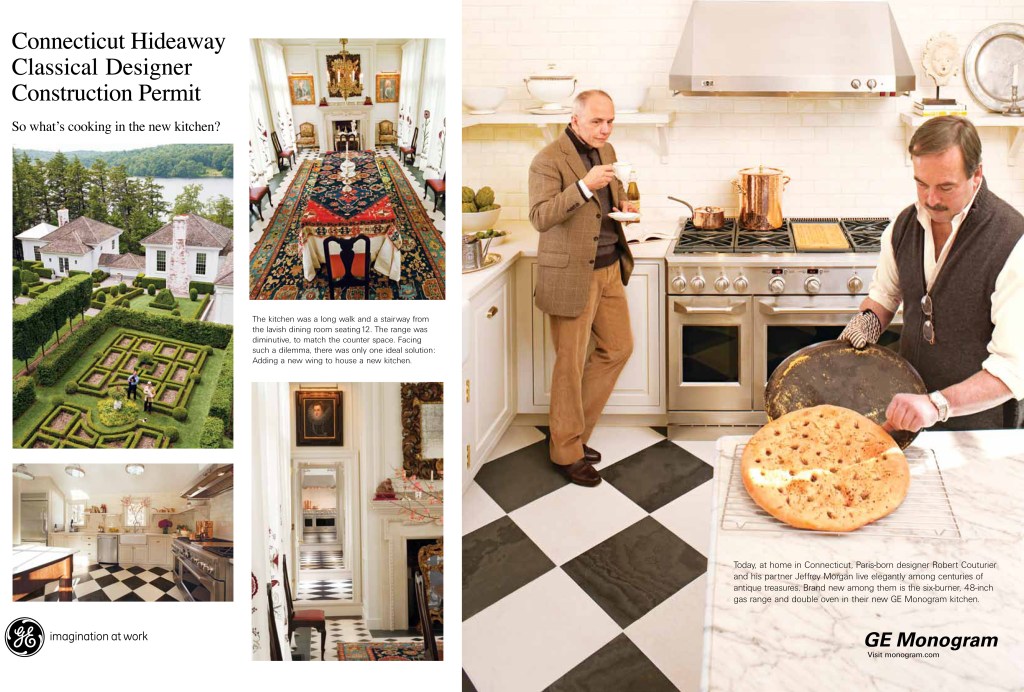
Robert Couturier & Jeffery Morgan at their South Kent, CT home.
The Monogram campaign is a successful example, having increased the brand’s market share from #13 to #3.
GLAAD Amplifier Award for "Outstanding Print Campaign" Mainstream Markets, for GE-Monogram ad "What's Cooking in the Kitchen"

Layla Eastep, Wellesley College student accompanies her father Photographer Wayne Eastep at the GLAAD Amplifier Awards in New York Oct. 4, 2011
The creative team included: creative director Bill McCaffery, co-creative Sheila McCaffery, GE-Monogram ad manager Paul Klein, stylist Carlos Molta, lighting & logistics William DeVincenzo, and photo assistant Rod Millington.
To view the complete campaign see “What’s Cooking in the Kitchen” http://www.EastepPhotography.com

Summer is the one season that always seems to go by too quickly. The Joy Motel in Eureka Springs, Arkansas has just the right mix of funkiness and innocence to symbolize summer.
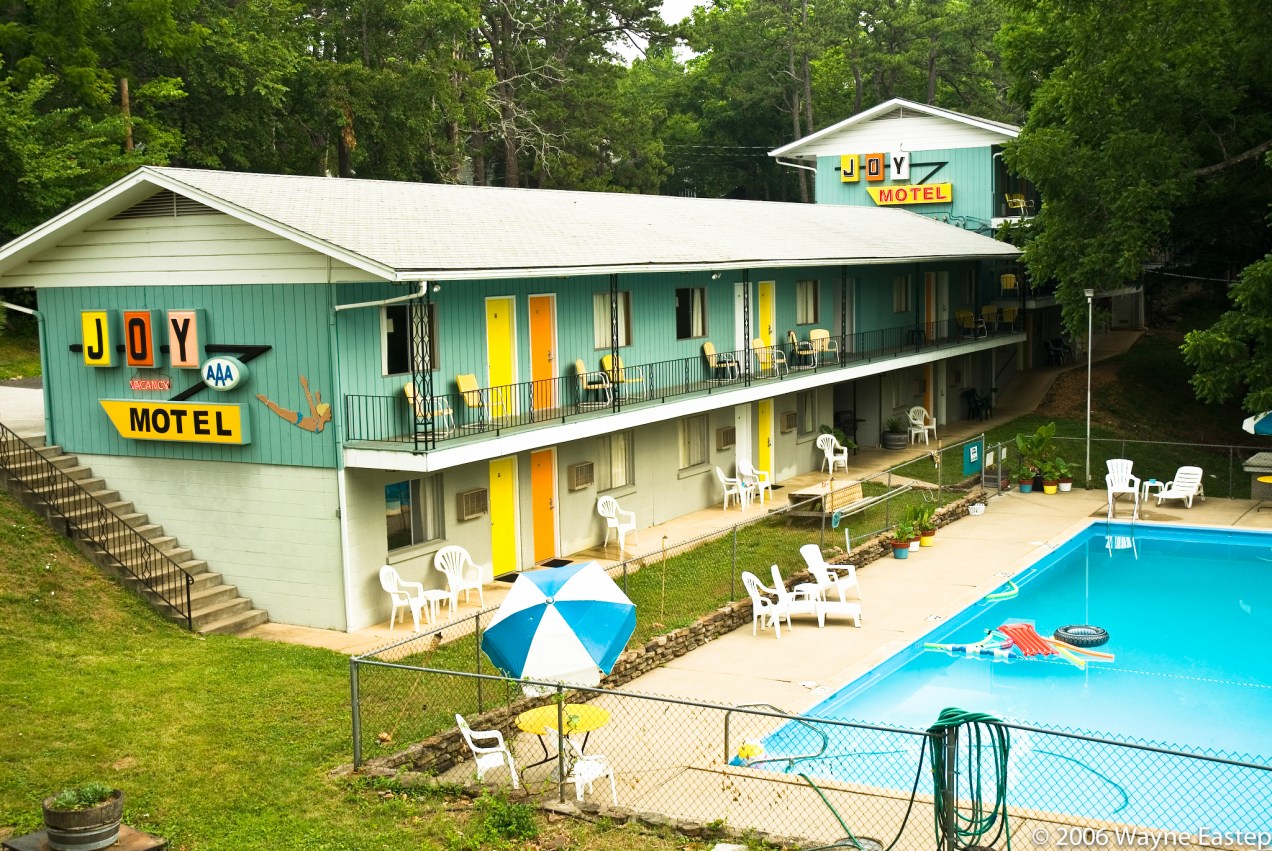
Joy Motel, Eureka Springs, Arkansas


 wayne eastep's blog