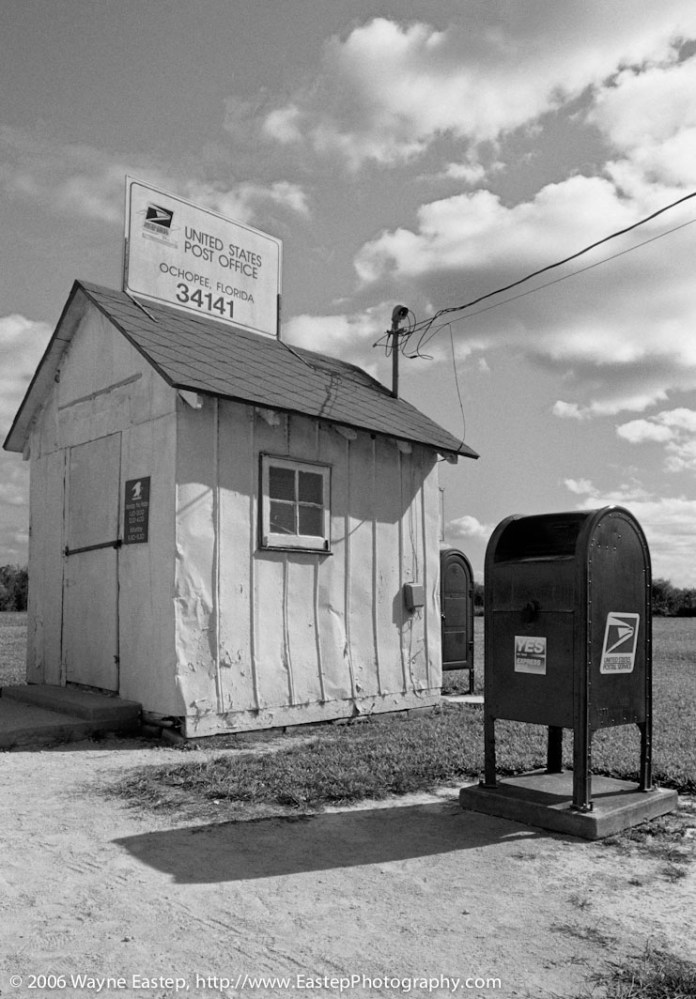
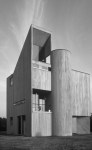
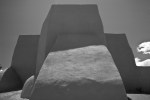
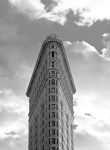
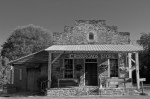
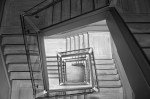
The news of downsizing at the Post Office brought to mind an image I made of the the smallest Post Office in America. To see this image and other examples of interesting American Architecture visit the American Built gallery at: http://www.EastepPhotography.com
Author Archives: Wayne Eastep
“The End of the Earth,” that’s how Herodotus described Kazakhstan. After traveling from one end of the country to the other I would describe it as the Center of the Earth.
It’s large. The ninth largest country in terms of land mass and the largest in Central Asia. China and Mongolia are on the eastern border, Siberia on the north, Russia on the northwest, the Caspian Sea on the west and the Stan’s: Turkmenistan, Uzbekistan and Kyrgyzstan along the southern border.
The landscape is diverse; mountains, forests, canyons, foothills, plains, steppes, semi-desert and deserts. Climate ranges from very hot summers to extremely cold and windy winters.
To keep my Nikon motor drives working in the winter I had to keep the batteries next to my chest under a layer of tee shirt, thermal undergarments, wool shirt, wind resistant insulated layering jacket and extreme weather shell designed for high altitudes. I had to slowly hand rewind the film to a avoid static electric streaks like lightning on the emulsion.
There’s a lot to show, so I will break the images up into sets. This first set will illustrate the mountains. Subsequent entries will show other features of this diverse and magnificent land.
- Bayankol River Valley in the Tien Shan mountains, Kazakhstan
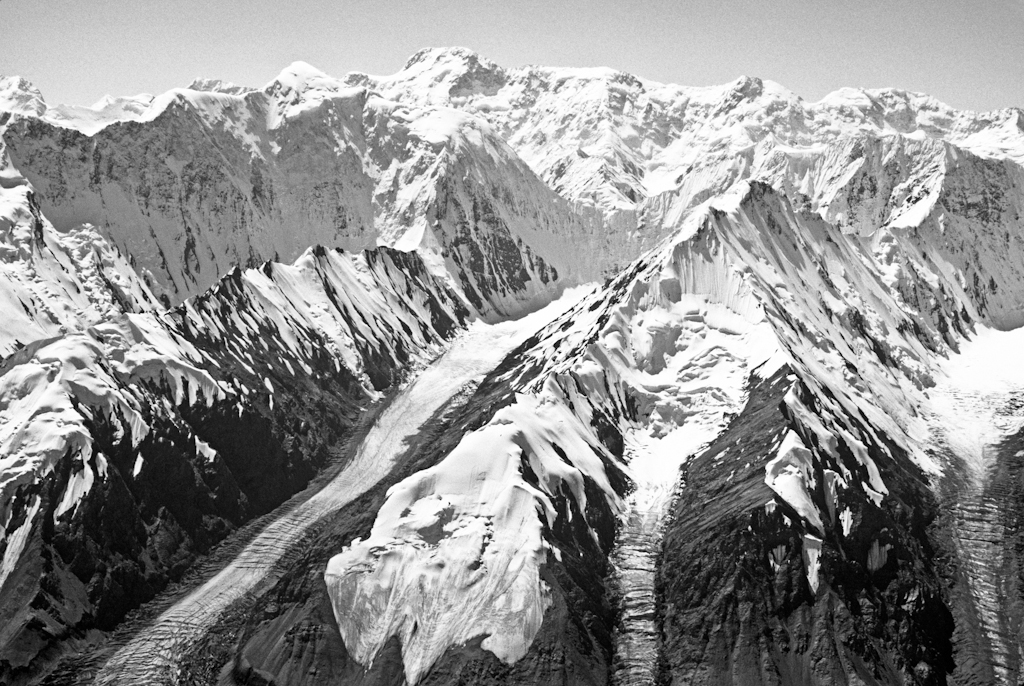
- Glaciers in the Tien Shan mountain range, Kazakhstan
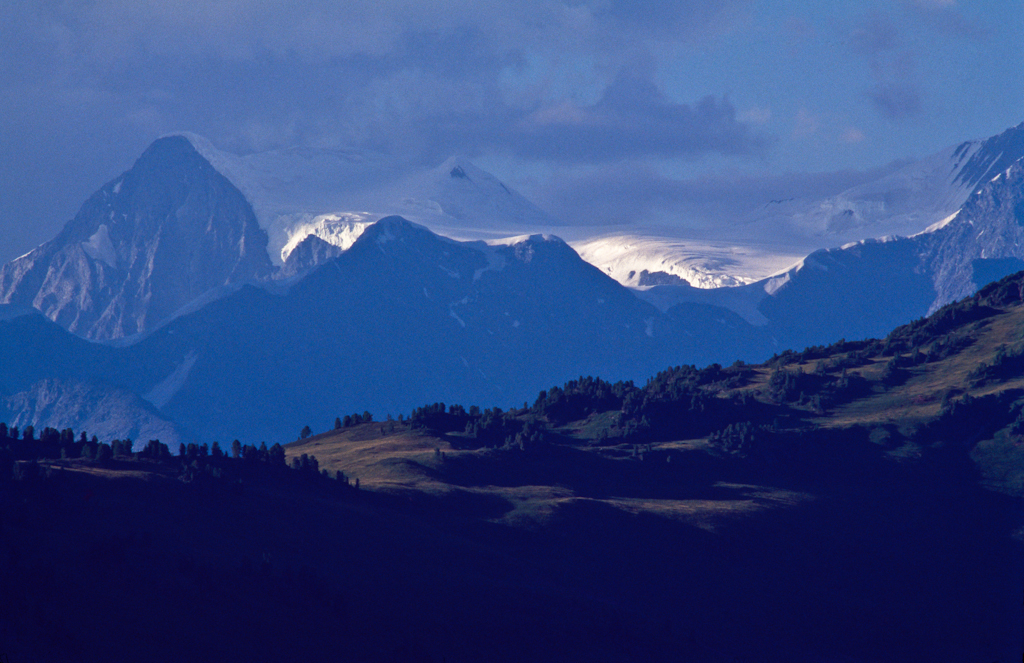
- The Altai Range that runs along Kazakhstan’s northeastern border is noted for its rivers, waterfalls, springs and spectacular vistas, Mount Belukha, often shrouded in clouds, has its own persona that is steeped in history and religion. It has witnessed Chingis Khan invading with 200,000 Mongols, and listened as the chants, songs and laments of shamans echoed off its sheer cliffs. Kazakhstan
- Zailiinsky Alatau in southeastern Kazakhstan
- Nomads camped in a summer pasture (Dzhailyau) near Khan Tengri 6994 meters in the Tian Shan mountains.
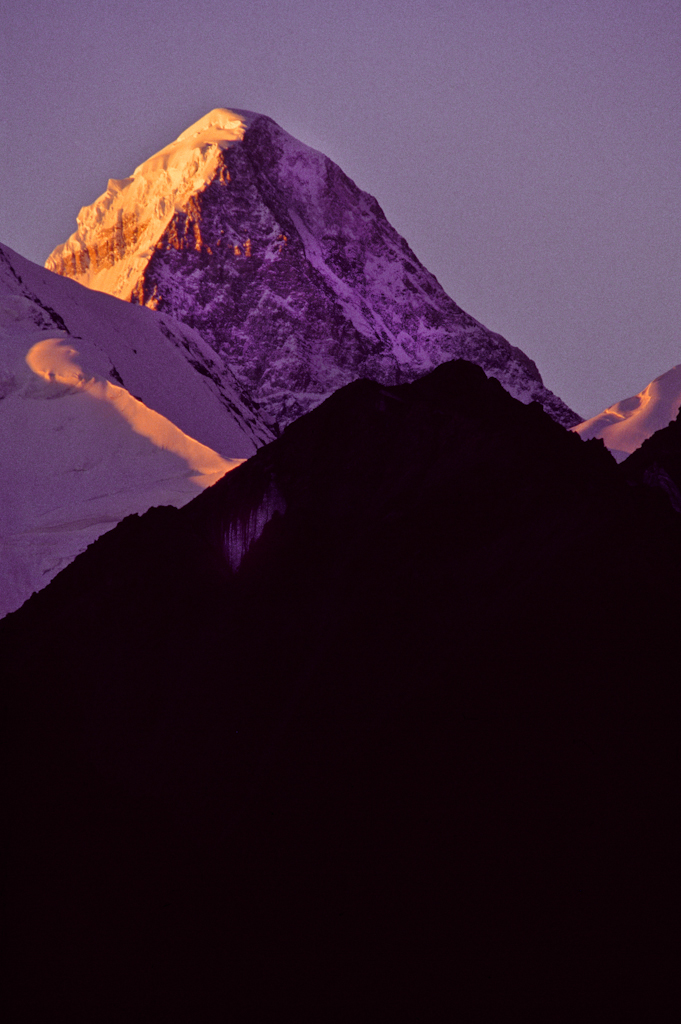
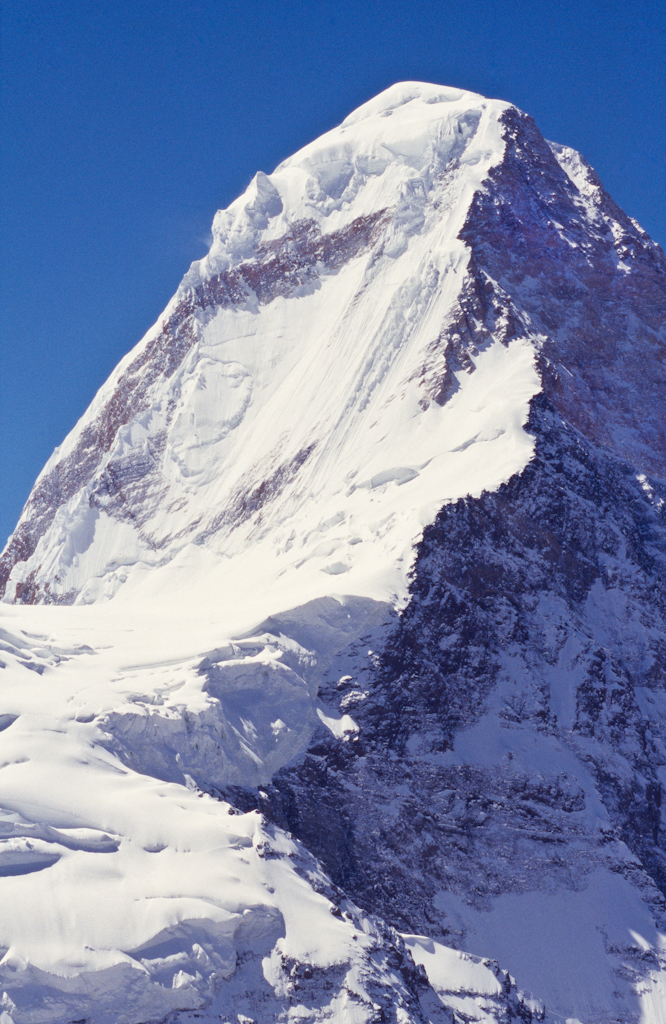
- The sacred mountain Khan-Tengri is know as “the prince of spirits.” Kazakhs revere this peak as a symbol of their ancient Tengri faith, which looks to the sky as the source of the great spirit. It is the highest peak in Kazakhstan and the crown jewel of the Tien Shan Range, which are called the celestial mountains. The upper third of the mountain is marble that glows red at sunrise and sunset. The Tien Shan is the most northern range of the Himalaya mountains.
- Glaciers in the Tien Shan range with Khan Tengri in background, Kazakhstan
- The sacred mountain Khan-Tengri stands along Kazakhstan’s borderr with Kyrgyzstan and China. At 6,995 meters (about 23,000 feet), it is only a few thousand feet lower than Mount Everest. This image was made through the open window of a Kazakh Air Force high-altitude helicopter flying at 6,700 meters (about 22,000 feet).
- Fabled Shambhala is believed to be near Mount Belukha where the borders of Kazakhstan, Siberia, Mongolia and China meet. Rises more than 4,500 meters (nearly 15,000 feet) in the Altai Mountains.
- Zailiinsky Alatau, Kazakhstan
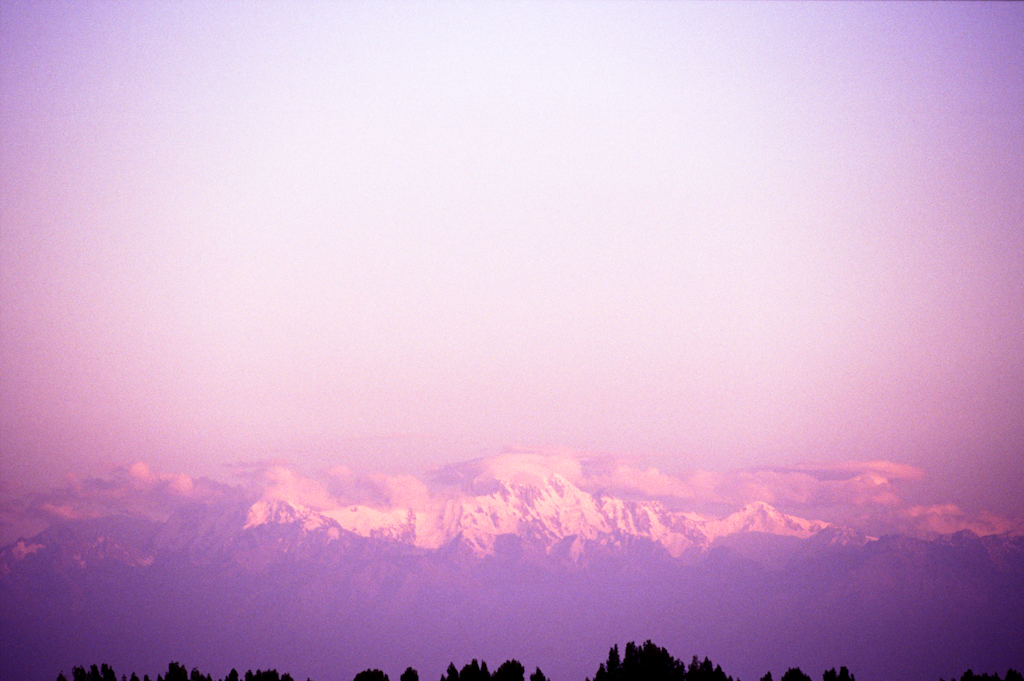
- Tien Shan range most northern ranges of the Himalayian mountains, Kazakhstan
- Tien Shan Range
Kazakhstan, “The End of the Earth”
On December 16, 1991, Kazakhstan emerged from a long and challenging period under Soviet rule. Over the past 20 years the country has blossomed in what can be described as the Kazakh Renaissance, a demonstration of the enduring spirit of the Kazakh culture. I celebrate this anniversary with a selection of images from the book, The Soul of Kazakhstan. The collection showcases Kazakhstan’s people, history, culture and land. They will be posted on my WordPress blog over the coming days leading up to the anniversary.
A permanent library of images is available for purchase as prints or licensing at http://eastep.photoshelter.com/gallery/Kazakhstan/G0000xg4sBqG4LWQ/
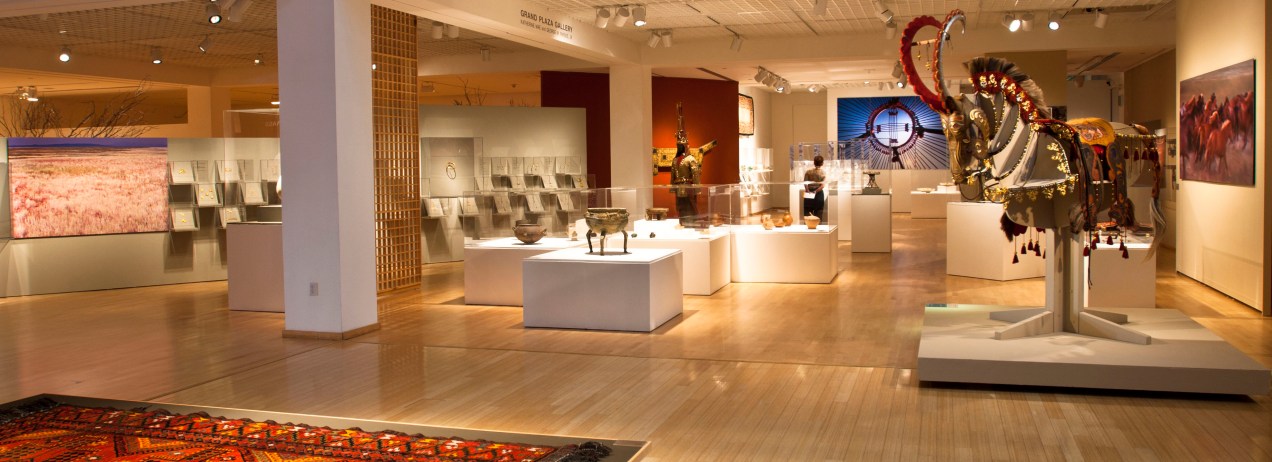
- Photographs by Wayne Eastep in the exhibit “Of Gold and Grass” Mingei Museum, San Diego, CA
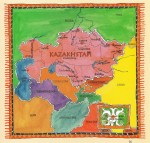
- Map of Kazakhstan created by Bill McCaffery for the book, The Soul of Kazakhstan
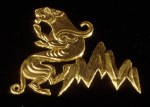
- A stamped and engraved gold plaque on the Golden Warrior’s headdress features mountains and a snow leopard. He was a 5th century B.C. Saka chieftain
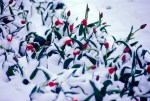
- “While researching for the book The Soul of Kazakhstan in the New York Public Library, I came across a letter Natllya Sedova, Leon Trotsky’s wife, wrote home while exiled in Almaty. She exclaimed about the beauty of a late spring snow blanketing the tulips. As good fortune would have it, my apartment was across from where the Trotskys lived. On a spring day in April, I was treated to the same beautiful sight” – W.E.
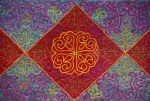
- It took Kaineke Zarykpai-Kyzy Kanapyanova two years to create this embroidered-felt Tuskiiz. She made it as a wedding gift for her son, Nurgazy, in 1973. When I told her she was a master like the artists in Japan called “National Treasurers,” she said, “Thank you.” After a pause she asked, “Will you put that in your book?”
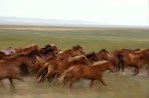
- Kazakh Steppe Horses
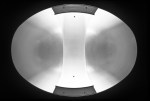
- The opening at the top of a Kazakh yurt is called a Shangiraq. The circle represents the circle of life and the cross marks the cardinal points.
Kazakhstan Crossroads of Culture and Commerce
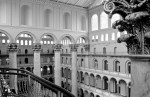
Since the beginning of my career as a photographer I’ve been drawn to architecture. The visual vocabulary of photography and architecture share some fundamentals: shape, form, line, and interplay of light. Recently I edited this gallery of images. I hope you enjoy them.
American Built
GLAAD Amplifier Award
Photographer Wayne Eastep won the GLAAD Amplifier Award in New York for “Outstanding Print Campaign” in Mainstream Markets. The award honors the best individuals and companies in advertising that present fair, accurate and inclusive representations of the LGBT community. The event was an official feature of “Advertising Week” Oct. 3-7, 2011 in New York. Mr. Eastep photographed the award-winning ad “So What’s Cooking in the Kitchen” for GE-Monogram featuring renowned interior designer Robert Couturier and Jeffery Morgan at their South Kent, CT home. This is his 16th ad for the campaign, and second GLAAD award.
MSNBC anchor Thomas Roberts and Tabatha Coffey of “Tabatha’s Salon Take Over” presented Mr. Eastep the Amplifier Award at the Altman Building in Chelsea.

This event is significant because as GLAAD Acting President Mike Thompson told the crowd, “The advertising industry is premised on the power of persuasion, making it perhaps the most powerful form of media to shape public opinion.”
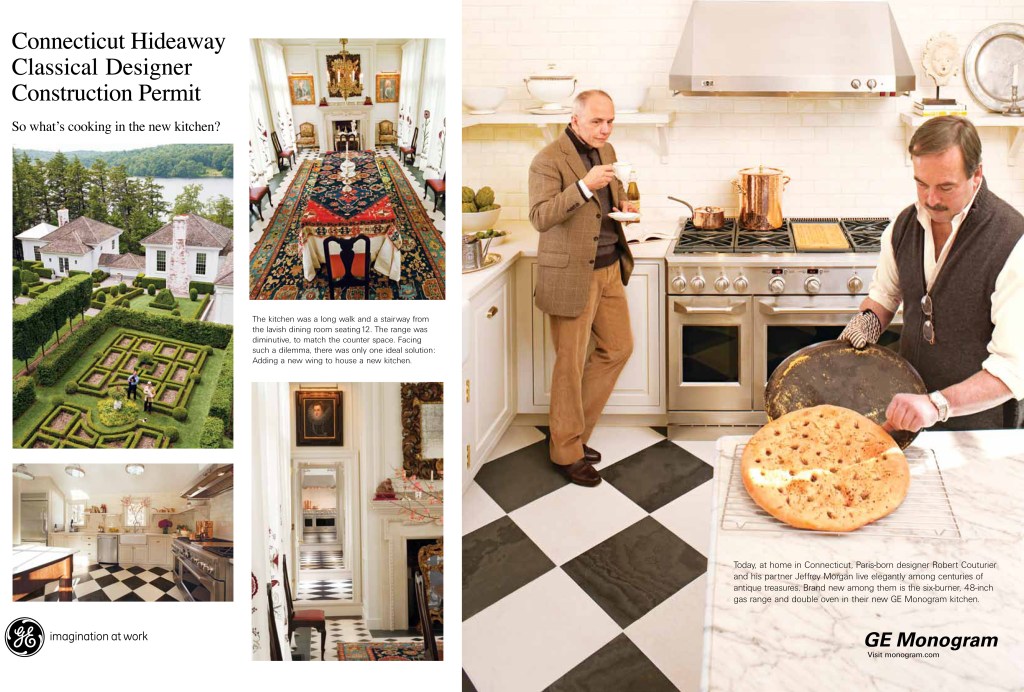
The Monogram campaign is a successful example, having increased the brand’s market share from #13 to #3.
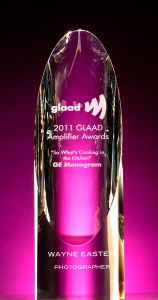
GLAAD Amplifier Award for "Outstanding Print Campaign" Mainstream Markets, for GE-Monogram ad "What's Cooking in the Kitchen"

Layla Eastep, Wellesley College student accompanies her father Photographer Wayne Eastep at the GLAAD Amplifier Awards in New York Oct. 4, 2011
The creative team included: creative director Bill McCaffery, co-creative Sheila McCaffery, GE-Monogram ad manager Paul Klein, stylist Carlos Molta, lighting & logistics William DeVincenzo, and photo assistant Rod Millington.
To view the complete campaign see “What’s Cooking in the Kitchen” http://www.EastepPhotography.com
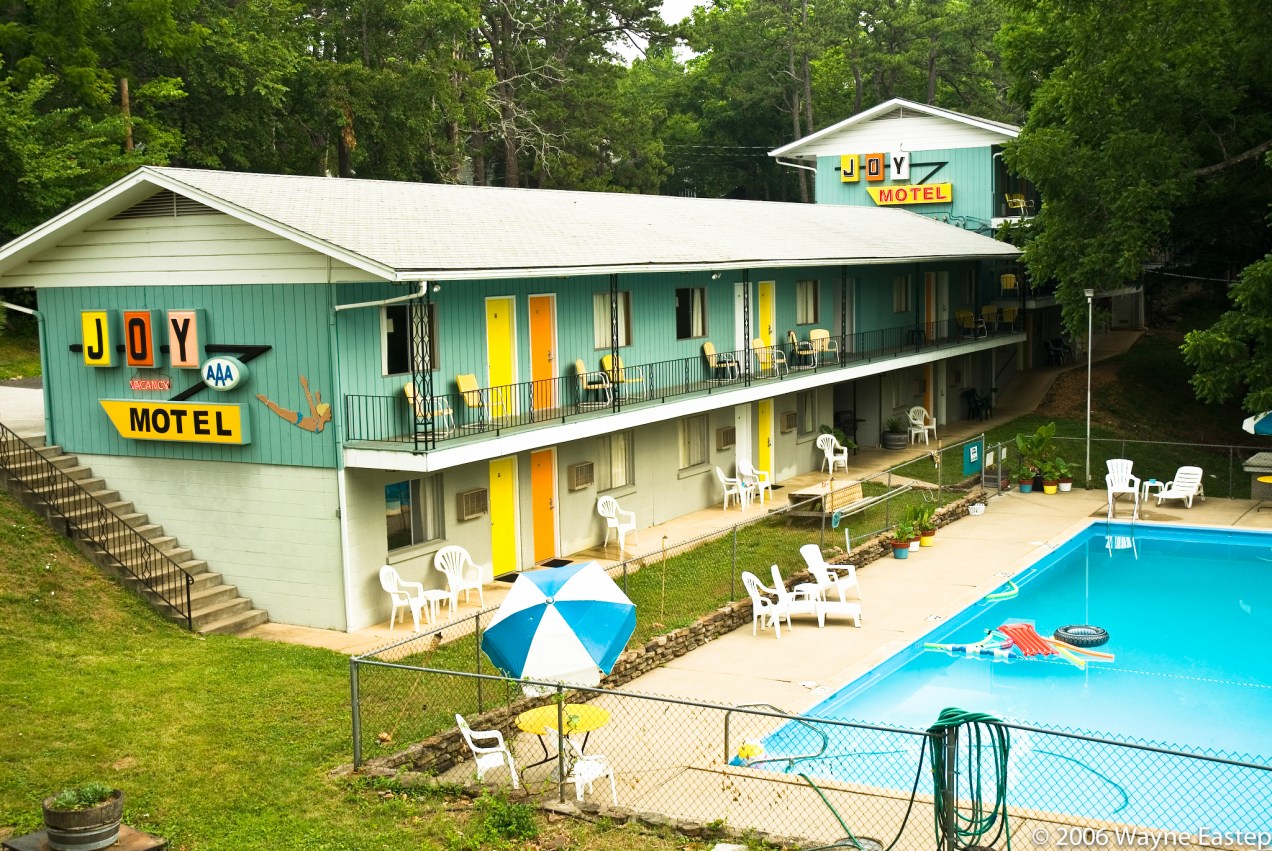
I Lost My Joy & I Want it Back
Summer is the one season that always seems to go by too quickly. The Joy Motel in Eureka Springs, Arkansas has just the right mix of funkiness and innocence to symbolize summer.
Imploding
Watching the dysfunctional circle game going on in Washington over raising the debt ceiling reminded me of an image my mentor Bill Stettner made back in the 1970’s. It’s a symbol for what the politicians are playing with in our capital.
I propose a solution. Given that the meetings have been going on for months and the only thing that has happened is that our citizens have been pushed closer to the brink of disaster, and those who got us here are mostly men we need to pivot—this is not working. Those in the meeting should pick up the phone and call their wives and ask them to get the kids and bring them to the White House where they sit in on the meetings. The least these men can do is allow their wives and children to be witness to the disaster they are causing.
I am paying attention, taking names and will be back November 2012
The upside of advertising photography
So what’s cooking in the kitchen?
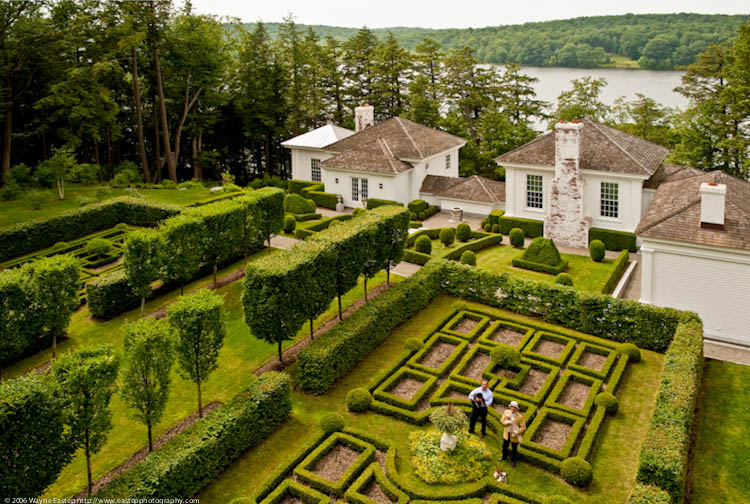
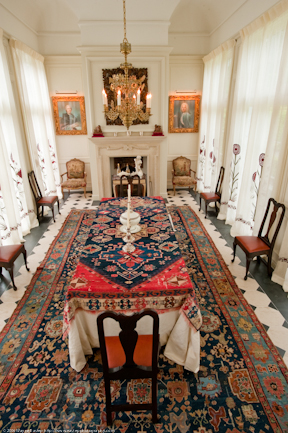
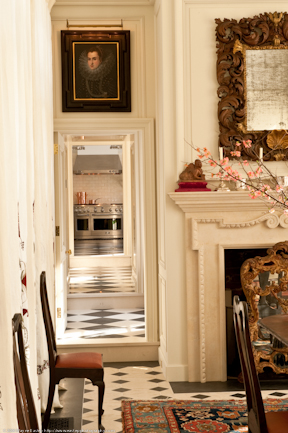
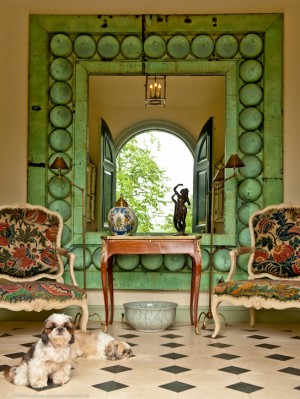
This ad features Paris-born designer Robert Couturier and his partner Jeffrey Morgan at their elegant Connecticut home filled with centuries of antique treasures. It is the most recent of 16 ads I’ve shot for the GE-Monogram brand campaign, “So what’s cooking in the kitchen?” The theme of the campaign features people whose personal and professional lives exemplify style. Working on projects like this is one of the reasons I do lifestyle advertising photography. In addition to meeting and working with superbly talented people like Robert and Jeffrey, I get to see and photograph beautiful and fascinating places I normally would not have access to. Another great benefit is the fabulous food.
Some of the other people I’ve photographed for this campaign include: Mark Miller, Martha Stewart, Alton Brown, Bo & Heidi Barrett, Richard Wurman & Gloria Nagy, Annette Theisen, Thomas & Justyna Roszak, Phil & Jamie Kellogg, David Cornell & Mea Argentieri, David & Macarena Dearie, John Dransfield & Geoffrey Ross, B. Smith & Dan Gasby, Dr. Walt & Suzie Fairfax, Donald Trump, and Jay Leno.
If you are privileged as I am to work on exceptional projects like this, you’ll acknowledge that the ad only succeeds if the client supports the concept completely. Paul Klein from GE-Monogram is such a client. The creatives at the agency must have a clear idea grounded in the uniqueness of the product—it’s all about the idea. Bill and Sheila McCaffery of The Creative Farm exemplify an approach to advertising that focuses on a clear idea. I turn the idea into an image, but it’s my team who make it happen. William DeVincenzo, “D,” is my right hand man who makes sure every detail is taken care of. On jobs like these it’s all about the details.
Images of the Couturier Morgan home in Connecticut. If you would like to hear Robert talk about his new kitchen visit: http://www.monogram.com/get_inspired/see_whats_cooking/couturier.htm.
To see other images I’ve shot in this campaign visit: http://eastep.photoshelter.com/gallery/Lifestyle/G0000OyRO5rOs6OA/
America’s No. 1 Beach
The Best Beach in America
Siesta Beach, Sarasota, Florida
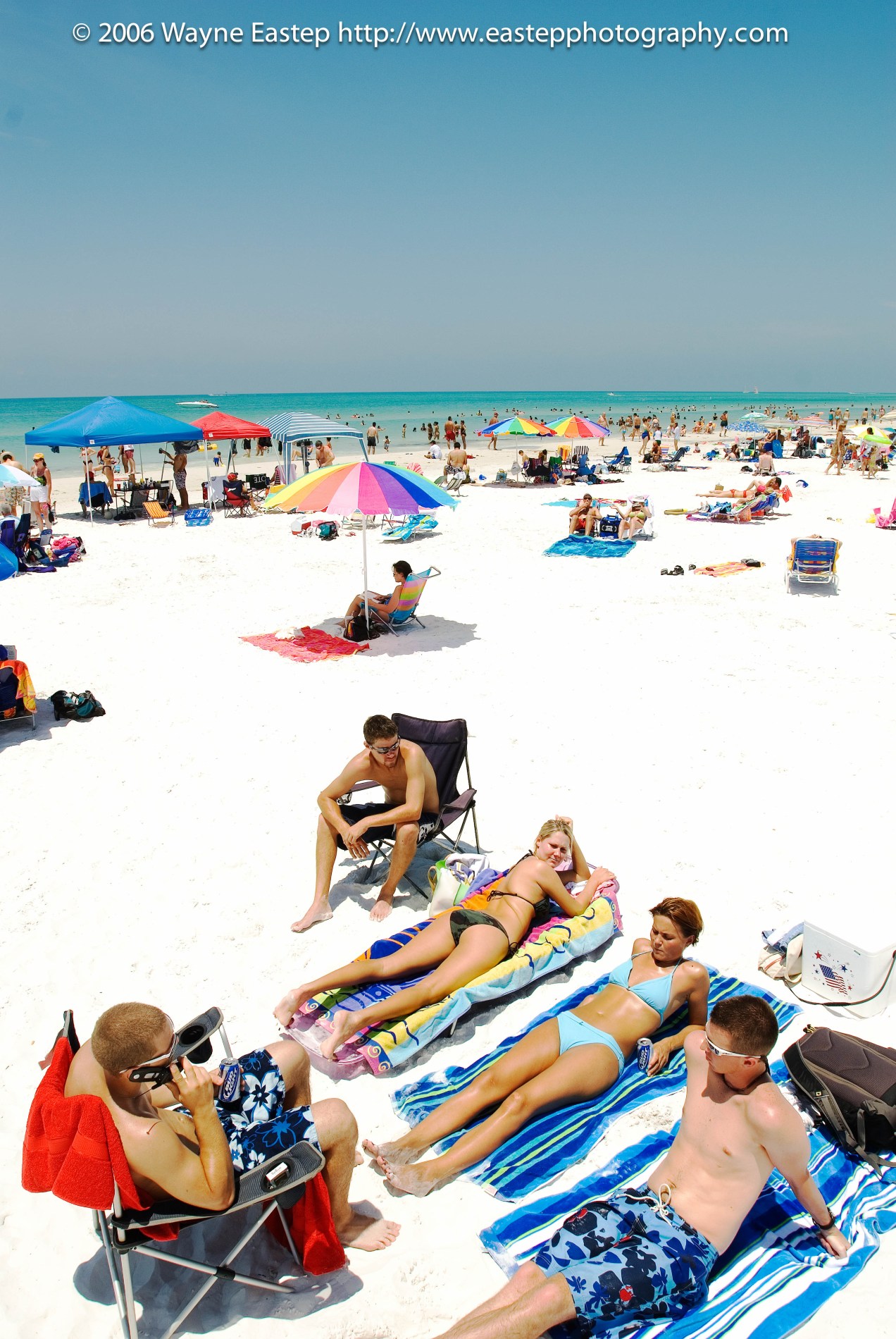
This is what happens when people discover you have the “Best Beach in the USA.” They come cover it up and make phone calls. Hang on. Who says it’s the best, and who made them an authority? Well Dr. Beach of course! Yes, there is a Dr. Beach, Stephen P. Leatherman, Director of Florida International University’s Laboratory for Coastal Research.
This is what the doctor says…”Siesta Beach in Sarasota boasts that it has the finest and whitest sand in the world, and I cannot argue with this claim; the powdery sand is nearly pure quartz crystal. The beautiful blue-colored water is clean and clear, making it so inviting to bathers and swimmers. The beach is hundreds of yards wide, attracting volleyball players and beachcombers as well as those who just want to find their place in the sun. Waves at Siesta Key Beach are normally measured in inches and the beach gradually slopes into the Gulf waters, making it very safe area for children.” Consumer Traveler, May 31, 2011
I actually prefer Lido Beach on Lido Key in Sarasota, FL – mainly because it’s closer to my home.
A brush with the Paranormal
Photographing lightning is straightforward: attach the camera to a tripod, set the lens aperture to f 5.6, the shutter on bulb and focus on infinity. During a period when there is lightning activity press the shutter release and leave the shutter open until one or two bolts of lightning appear. This is normally done at night.
When the storm is during daylight this method does not work because leaving the shutter open for 30 seconds or more while you wait for the lightning bolt results in a washed out image.
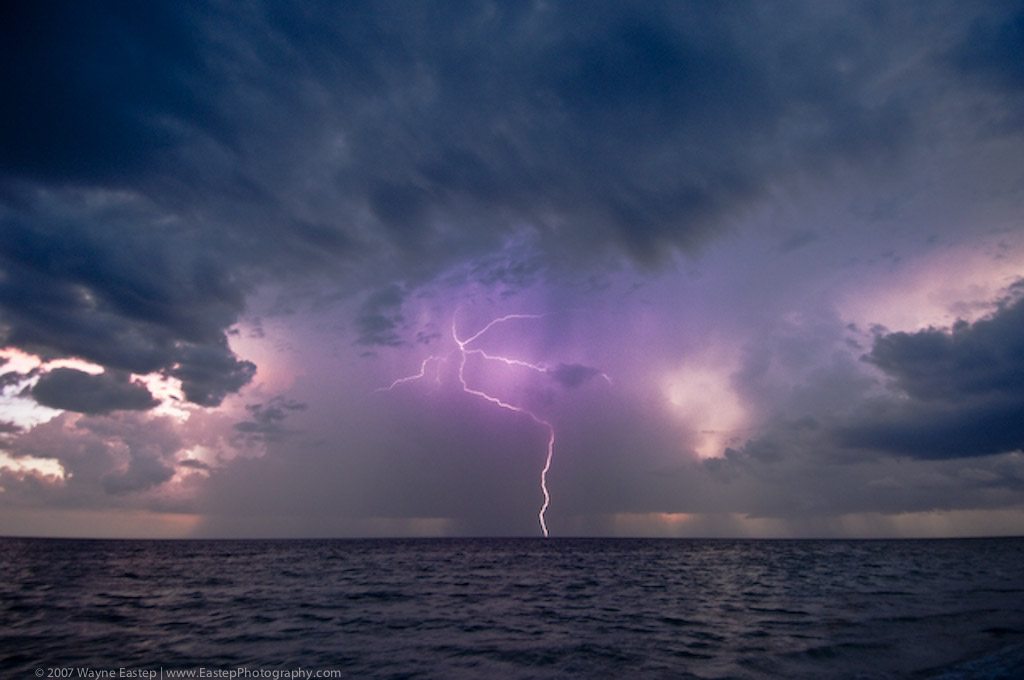
One afternoon a powerful storm was developing over the Gulf of Mexico. I went out to the beach and set up my tripod and camera. Eager to photograph lightning during these afternoon summer storms I concentrated on a particular cloud formation just offshore Lido Beach in Sarasota. I watched with what might be called hyper-focus, attempting to connect with the energy in the developing storm and anticipate when the lightning would develop. Another way of saying it is I was guessing. Because it was daylight I set the aperture to f 8, the shutter to ¼ second, the focus on infinity and waited. When I felt the energy was at the instant of release I pressed the shutter. This is the image I made.
I remained at the beach trying to connect to the energy in the storm and got lucky again.