Are You Alarmed?

The heightened emphasis on Christianity in the current election cycle is alarming. A constant declaration by political candidates about their religious beliefs and its place in politics is a red flag.

People running for political office have the right under the Constitution of the United States of America to express their views, including religious ones.

The problem with the emphasis on religion by political candidates Cruz, Rubio, Trump, and Carson et al, is that the emphasis on Christianity is coming across as superior and exclusionary – a moral test leading to fear of those with differing beliefs.

Constantly announcing one’s credentials of religious faith is no verification that a politician is fair, compassionate, and tolerant. The opposite is evident in statements that Muslims should be barred entry into the U.S., a Muslim can’t be President of the United States and that under his presidency we’ll make the sand in Syria and Iraq glow…because we will carpet bomb “them.”

The placement of Christianity in a central position of this political process is antithetical to Article six of the U.S. Constitution.

The First Amendment to the United States Constitution provides that and Article VI specifies that “no religious Test shall ever be required as a Qualification to any Office or public Trust under the United States.” The modern concept of a wholly secular government is sometimes credited to the writings of English philosopher John Locke, but the phrase “separation of church and state” in this context is generally traced to a January 1, 1802 letter by Thomas Jefferson, addressed to the Danbury Baptist Association in Connecticut, and published in a Massachusetts newspaper.

History shows us that when religion and politics are married the birth child is a monster of exclusion, oppression and an attitude of superiority. The irony is that religion talks about promoting love, compassion, fairness, and justice; but more often than not, the talk and actions of these politicians focus on hate-filled anger of the “other.” This attitude is one example of Fascism.

Perhaps we can agree on one thing. This election is a contest of moral values. Will we as the electorate allow a politician to turn us away from our secular foundation and toward a Theocracy?

Culture, Political

Are You Alarmed?

Image

Flower Essence

About the Artist and this exhibition

The signature characteristic of Wayne Eastep’s photography is the ability to express the essence of a subject.  His images go beyond representational pictures to touch the spirit of the subject, evoking an emotional response.  In this exhibition he turns his attention to the exquisite design in nature  and inherent beauty within flowers.

Eastep’s images are commissioned and collected internationally. They garner awards for books, documentary, and commercial assignments.  His intention with each assignment is to go beyond the surface and look inside the subject.  Photography for Wayne is both vocation and avocation. He is driven by a passion for the art of image making.

Exhibition February 4 – May 14, 2015

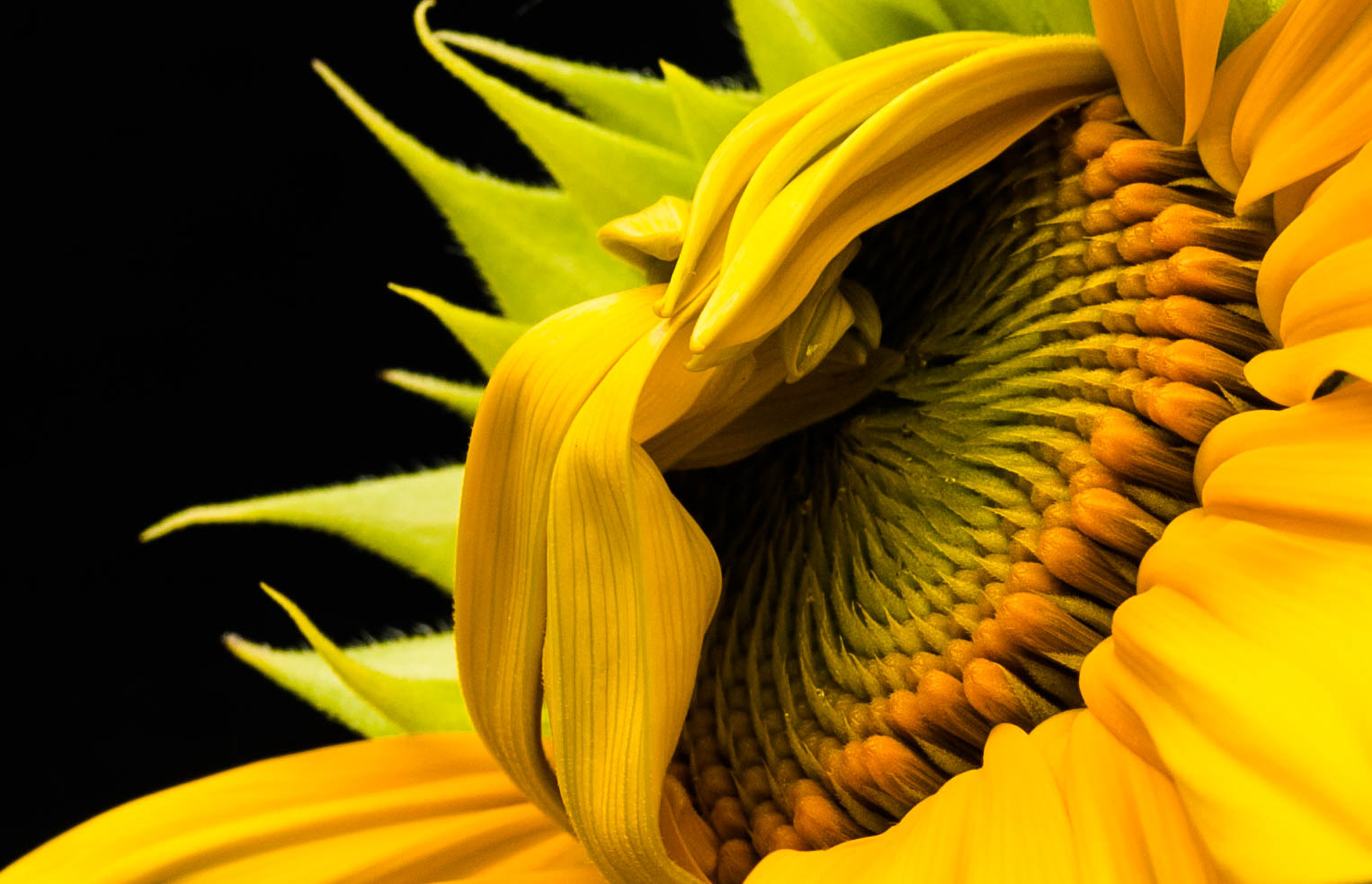
Sunflower

The sunflower an annual plant is native to the Americas. The flower petals within the sunflower’s cluster are always in a spiral pattern. Generally, each floret is oriented toward the next by approximately the golden angle, 137.5 degrees, producing a pattern of interconnecting spirals, where the number of left spirals and the number of right spirals are successive Fibonacci numbers. This pattern produces the most efficient packing of seeds within the flower head.

Flour Parlor

Opening February 4, 2015  6 pm to 9 pm

128 N. Orange Ave., Sarasota, FL 34236

Contact: Amy Nichols  941.993.8649      flourparlor@gmail.com          http://www.flourparlor.com

Hours:  Monday – Friday 8 – 5:30, Saturday 9 – 4

Art, artists, creativity, Culture, Design, Exhibition, Flowers, Interior Design, Nature, Recent Personal Images, Sarasota, Florida, Art
Image

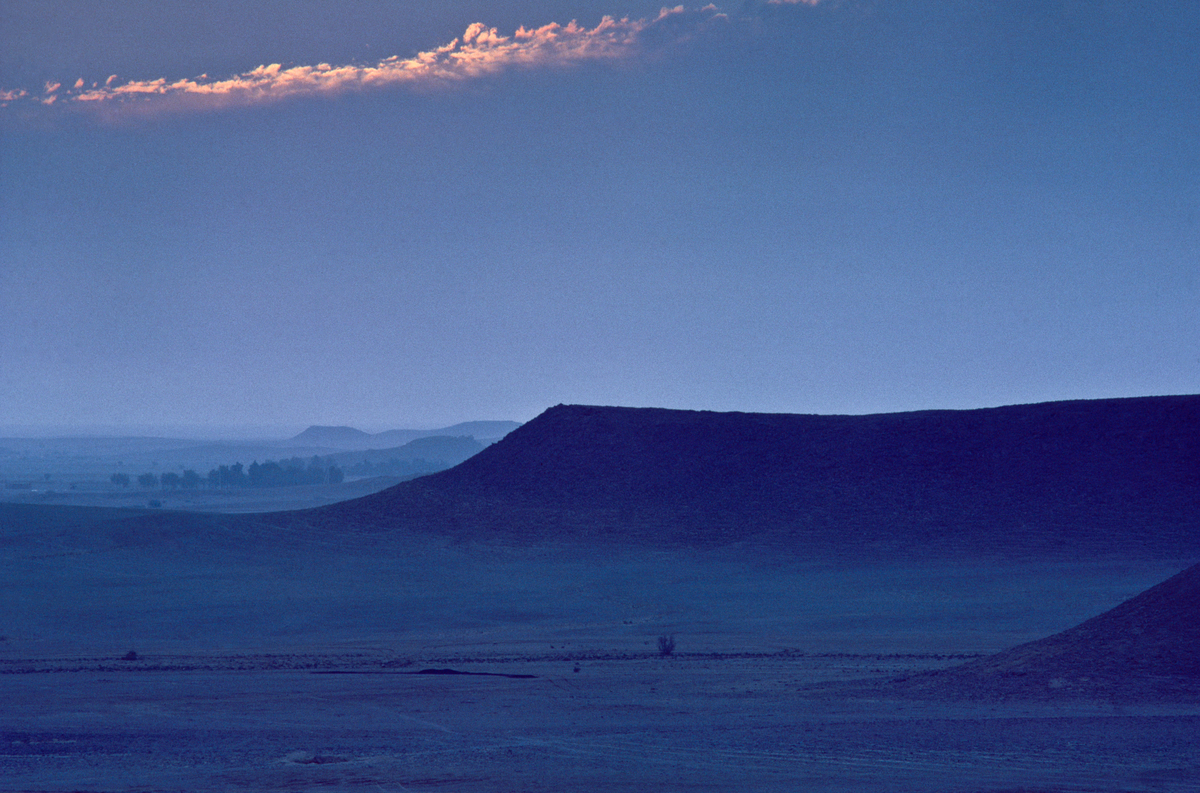
Arabia, Beauty in Nature, Blue, Central Arabia, Clouds, Landscape, Middle East, Najd, Nejd, Saudi Arabia, Sunrise, ancient land, desert, escarpment, highland region, iris in April, peaceful, plateau, solitary

Sunrise in the Najd

Sunrise in the Najd, or “highland,” the central region of the Arabian Peninsula. 

The dromedary camel walks moving both legs on one side then the other while its body rolls side to side.  This seesaw movement can cause a storage bag to rub against the camels body developing  a hole.  As best I can tell this is what most likely took place on one of the caravans crossing the Arabian desert.

Numerous caravan routes criss crossed Arabia.  This image is of one traversing the  Najd in central Saudi Arabia.  Along this ancient trade route a hole wore into a bag carrying iris bulbs.  The seesaw movement of the camel deposited bulbs along the desert floor.  Wind blew sand over the bulbs and they lay dormant until in the spring the winter rains enable the iris to bloom.

To buy a print and see more images visit EastepPhotography.com

Art, Culture, Design, Interior Design, Nature, Recent Personal Images, Saudi Arabia, Travel

Gift of the Caravans

Image
Art, artists, creativity, Culture, Design, People who have influenced me, Portraits

Like a Good Bonfire

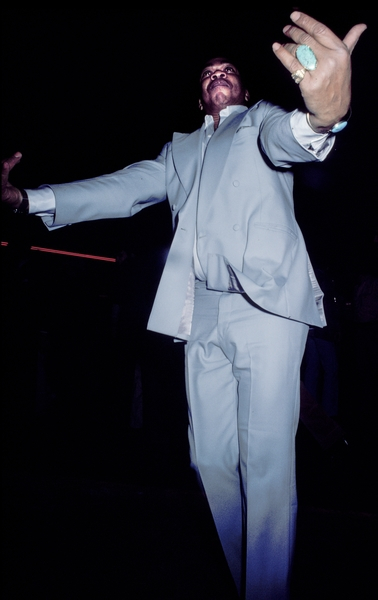
Actor, Costume Designer, Disco, Geoffrey Holder, NYC, New Yok, New York City, Photographer, Stage Director, Studio 54, Tony Award Winner, Winner of Guggenheim Fellowship, artist, dancer

Geoffery Holder Studio 54, New York NY

Passion personified, that’s the impression I had of Geoffery Holder when I photographed him at Studio 54.  He lived around the corner from my NY apartment and each time I saw him in the neighborhood I had the same response, I was in the presence of power.

When I heard on NPR that Geoffery Holder was listening to one of his favorite artists, Bill Evans moving with the music, expressing life and  his love of art at the moment of  his passing on sunday, I thought that seems about right.  He was full of life and creativity.  He expressed that passion with his last breath.

“When you do something, you should burn yourself up completely, like a good bonfire, leaving no trace of yourself.”  Shunryu Suzuki


Standard
Art, Culture, Nature

Generation to Genration

Japanese cedar trees near Kyoto, Japan.

Japanese cedar trees near Kyoto, Japan.

Japanese cedar trees (Petasites japonicus) with branches cleared to develop a smooth exterior. Tree trunks are used as a feature in living room alcoves. Children harvest the trees their grandparents planted, nurture and cultivate trees their parents plant and  plant new trees for future generations.  West of Kyoto, Takao area, Japan.  To see more images from Japan visit EastepPhotogrpahy.com

Standard
Art, Culture, Saudi Arabia, Travel

Color Beyond Description

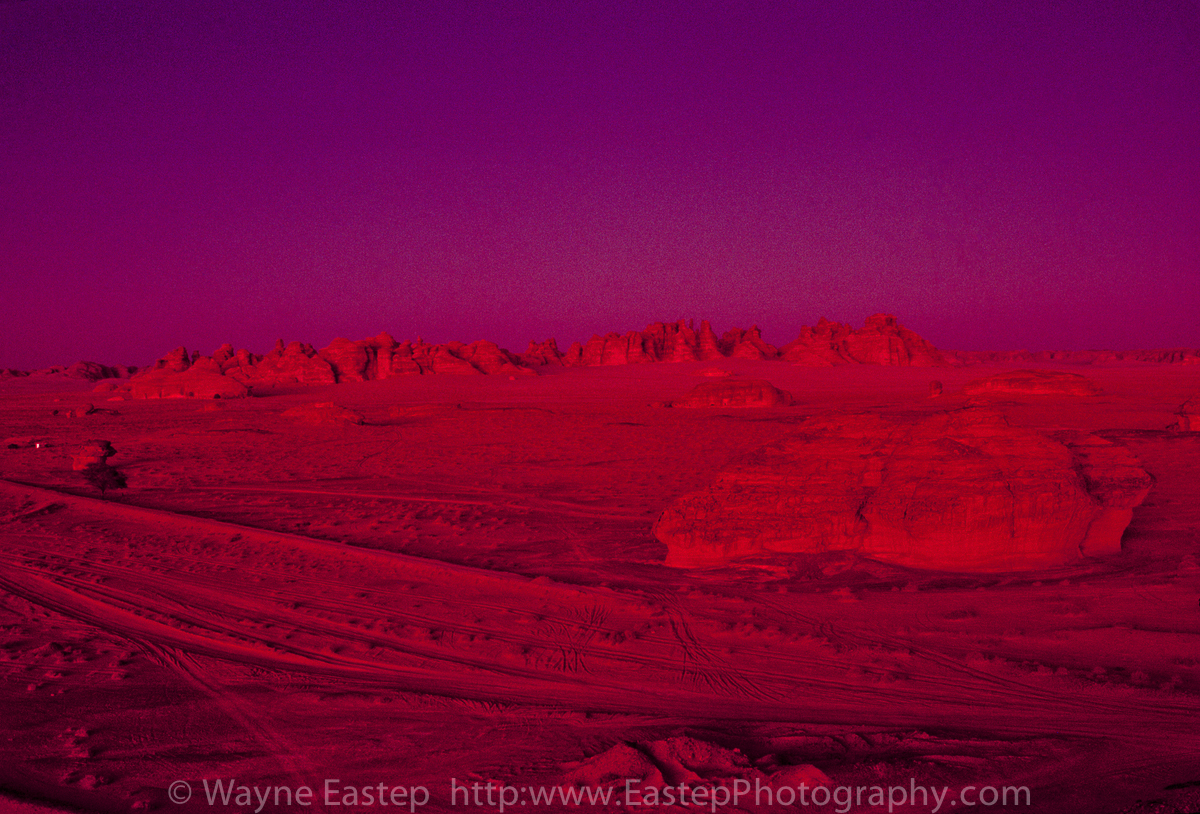
Mada'in Saleh, the historical site of a Nabataen trading center, northern Saudi Arabia

Mada’in Saleh, the historical site of a Nabatean trading center, northern Saudi Arabia

Photography has reached a strange place when I have to explain that “yes, that was the true color” and NO I did not create this in Photoshop, yikes!

The place I made this picture is Mada’in Saleh the historical site of a Nabatean trading center in north-west Saudi Arabia.  These folks were part of a group whose capital was Petra in modern-day Jordan.  It is also the place the Ottomans had a railroad depot which T.E. Lawrence destroyed.  It is now a UNESCO World Heritage Site.

I made this image as part of a  feature story of archeology  for Smithsonian magazine. There are two reasons the color is other worldly.  The first is the light in Arabia gets this way sometimes, that’s all I know.  The second reason is I used a rare film Kodachrome Photomicrography which had insane saturation and detail.  The ASA is 16.  I did not add any color, the film simply  recorded everything that was there.

To see more images from this story visit Eastep Image Archive @ www.EastepPhotography.com 

Standard

Nomads,Nomadic,Bedouin,Bedu,Saudi Arabia,Al Murrah,Portrait, people,

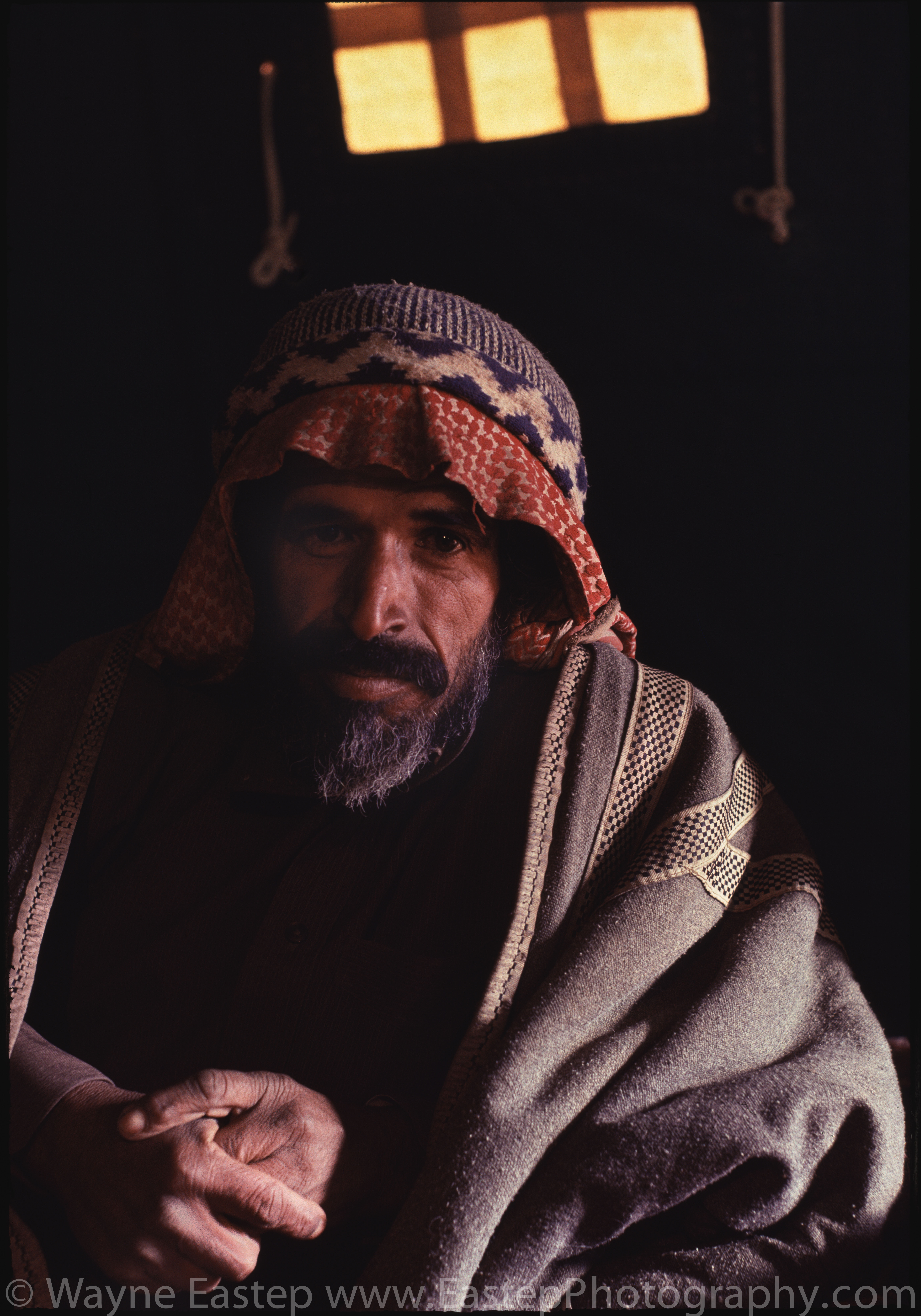
Murie bin Mohammed Al Murrah brought us a bag of truffles from the Empty Quarter. Dahana Sands, Saudi Arabia.

The Bedouin of Saudi Arabia are one of the world’s most unique nomadic people.  They survive in the Arabian deserts under some of the harshest conditions in nature.

The Al Murrah Bedouin tribe attracted my attention because they have lived as nomads in Arabia with an unbroken bloodline for 5,000 years +.  I figured such unique people would have important insights into human relationships.  I was right.

Leading Saudi families in government, business, judicial and academic communities have sent their young children to live among the Bedouin for similar reasons.  King ‘Abd al-‘Aziz ibn Sa’ud, the monarch who unified the Arabian tribes and created the modern Kingdom of Saudi Arabia, spent time with the Al-Murrah in the southern deserts of Saudi Arabia.

When I began my documentary photography career I decided to study the Bedouin in Arabia, specifically the Al Murrah tribe.  This modest collection of images is from a library of over 25,000 images.  They are the subject of the book BEDOUIN which won the Pershke Price “Best Book” award and Gold Prize for the “Best of All Things in Print”.

To see more images of the Bedouin visit EastepPhotography.com

Culture, People who have influenced me, Portraits, Saudi Arabia, Travel

BEDOUIN of Saudi Arabia

Image
Culture

400 Years Making Sumi

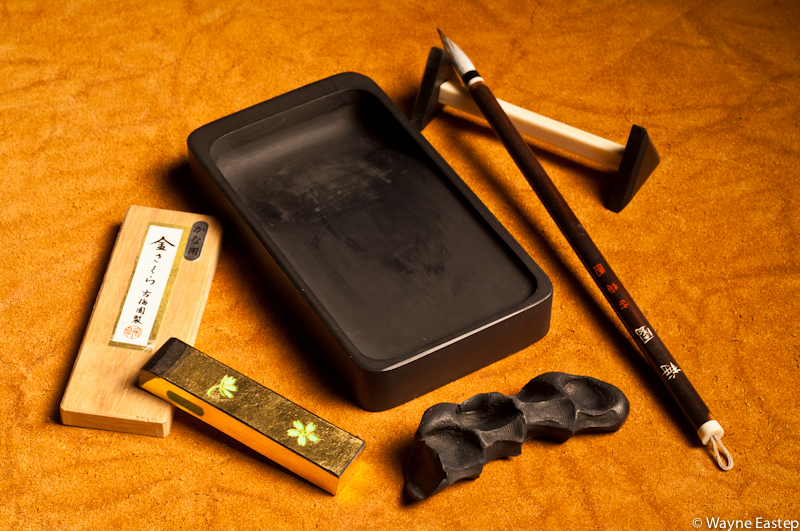
Sumi tools and materials for calligraphy

Sumi tools and materials for calligraphy.  Sumi stick, slate inkwell, calligraphy brush, sumi stick with finger impression by workman at Kobaien sumi factory in Nara, Japan.

While documenting Japanese culture for National Geographic Traveler,  I had the opportunity to photograph at Kobaien in Nara, the oldest sumi shop in Japan. The city of Nara produces 90% of the sumi-ink in Japan.  Kobaien sumi shop has produced sumi-ink sticks for calligraphy and ink painting for 400 years.

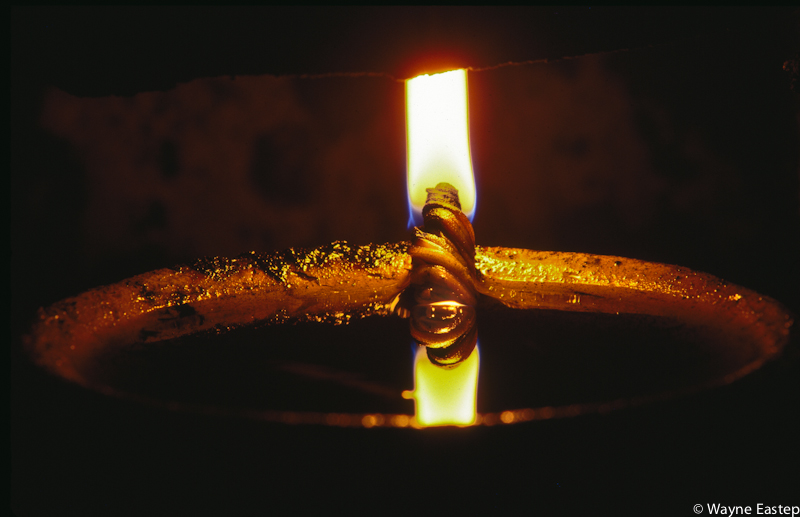
Sumi is made by collecting soot from burning pure vegetable oil, usually sesame or pauwlonia, and combining this with glue derived from vegetable starch.  This is then shaped into sticks and dried.  Ink is made by grinding the sumi stick in the slate inkwell called a suzuri until the desired consistency is achieved.

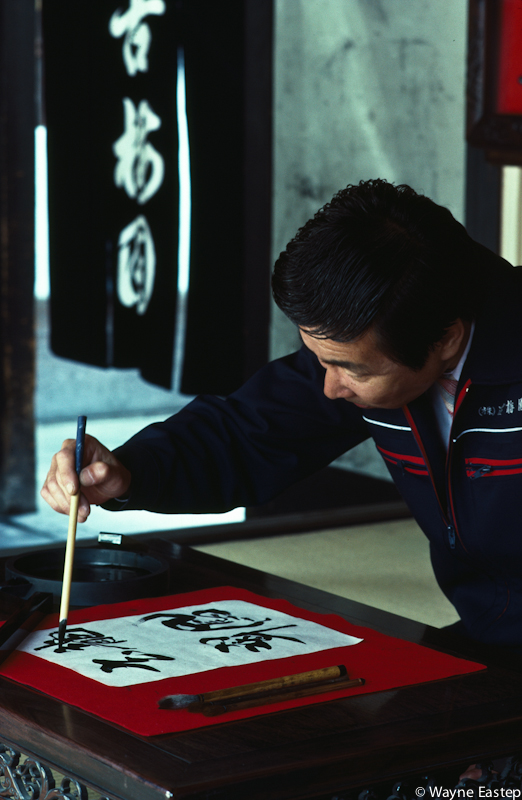
I requested Mr. Mitsuyoshi Nakano, chief at the Kobaien sumi shop, to have the workman making sumi press his fingers into a freshly made stick for me, shown here. Mr. Nakano then created the names Nara and Kyoto in Japanese calligraphy on washi, mulberry paper as a gift.

Kobaien sumi shop, 7 Tsubaicho, Nara, Japan Tel. (Nara 22)-4922

More images on Japanese culture in Kyoto & Nara.

Standard
Culture

Amagansett Art: Across the Years


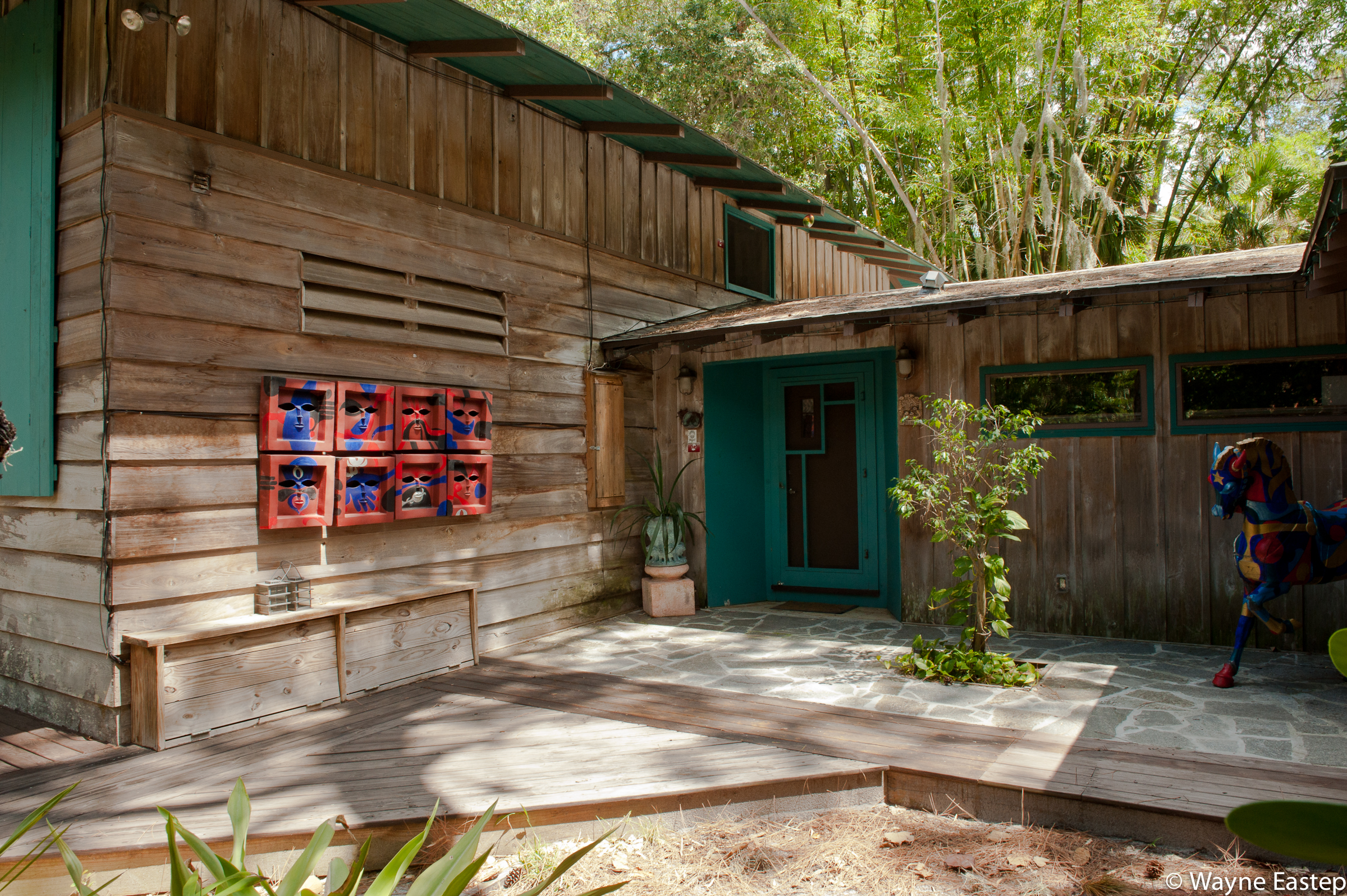
Photograph by Wayne Eastep is on display at the show “Amagansett Art: Across The Years.”  Sales from the show benefit the Amagansett Historical Association. The building shown in the photo is the Hilton Leech house and Amagansett Art School in historic Sarasota, Florida. The house is listed on the  U.S. National Register of Historic Places.

Hilton Leech lived and taught art in Amagansett, East Hampton, NY and Sarasota, Florida.


Standard
Culture

I Lost My Joy & I Want it Back

Looking back on summer


Summer is the one season that always seems to go by too quickly.  The Joy Motel in Eureka Springs, Arkansas has just the right mix of funkiness and innocence to symbolize summer.

The Joy Motel

Joy Motel, Eureka Springs, Arkansas

Standard