Polaroid, Photograph, Image, Fine Art, St. Lucia, Interior Designers, Interior Design, Decor, Decorative Print,

Polaroid image on St. Lucia of a Rasta man and Rooster.

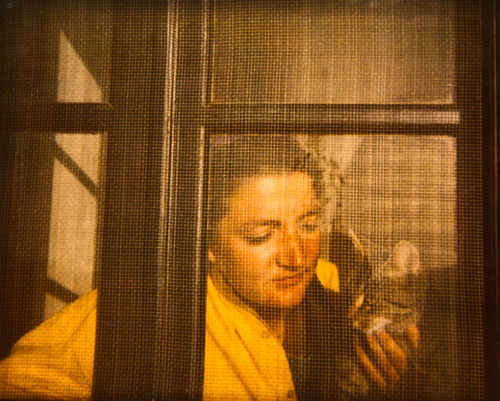
What camera should I use?  I’ve lost track of the number of times I’ve been asked this question.  I learned on an assignment for Polaroid that it did not matter what camera I use.  Creating an image is mostly about the way I see.  I grant that a particular lens or camera may give me a technical tool that helps craft the image.  When I photographed for Polaroid I was limited to the camera and film they provided.  The goal was to demonstrate that fine art images could be created using only Polaroid film and a Spectra camera.  These are two of many images I made for Polaroid.  The images won awards in a number of categories and proved to be successful in promoting the Spectra camera.

I learned from this assignment that creating images was mostly about the way I see and minimally about what camera I use.  There’s a saying among working photographers that “the best camera is the one you have with you”.  These days I always have my “smart phone” with me and  am pleased with the images I am creating.  I love the spontaneous feel of the images.  In coming posts I’ll share some of those with you.
Polaroid, Photograph, Image, Fine Art, Decorative Image, Decorative Picture, Interior Designers, Interior Design,

Polaroid image, Crete, Greece
Art, creativity, Design, Interior Design, Portraits, Travel

What Camera Should I Use?

Image
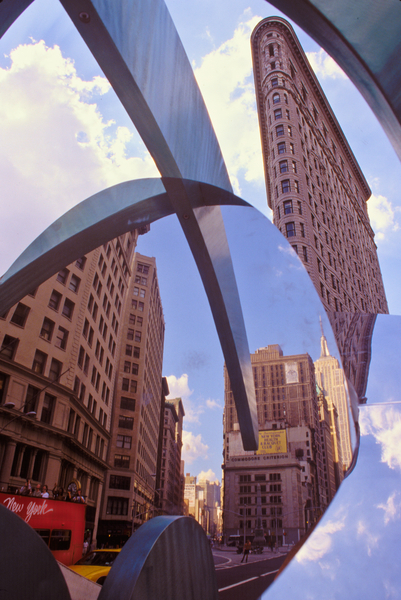
art, perception, abstract, mirror, sculpture, photo, photography, New York City,

Reflection of the Flatiron Building from mirror sculpture at 23rd St. and Fifth Avenue, New York City

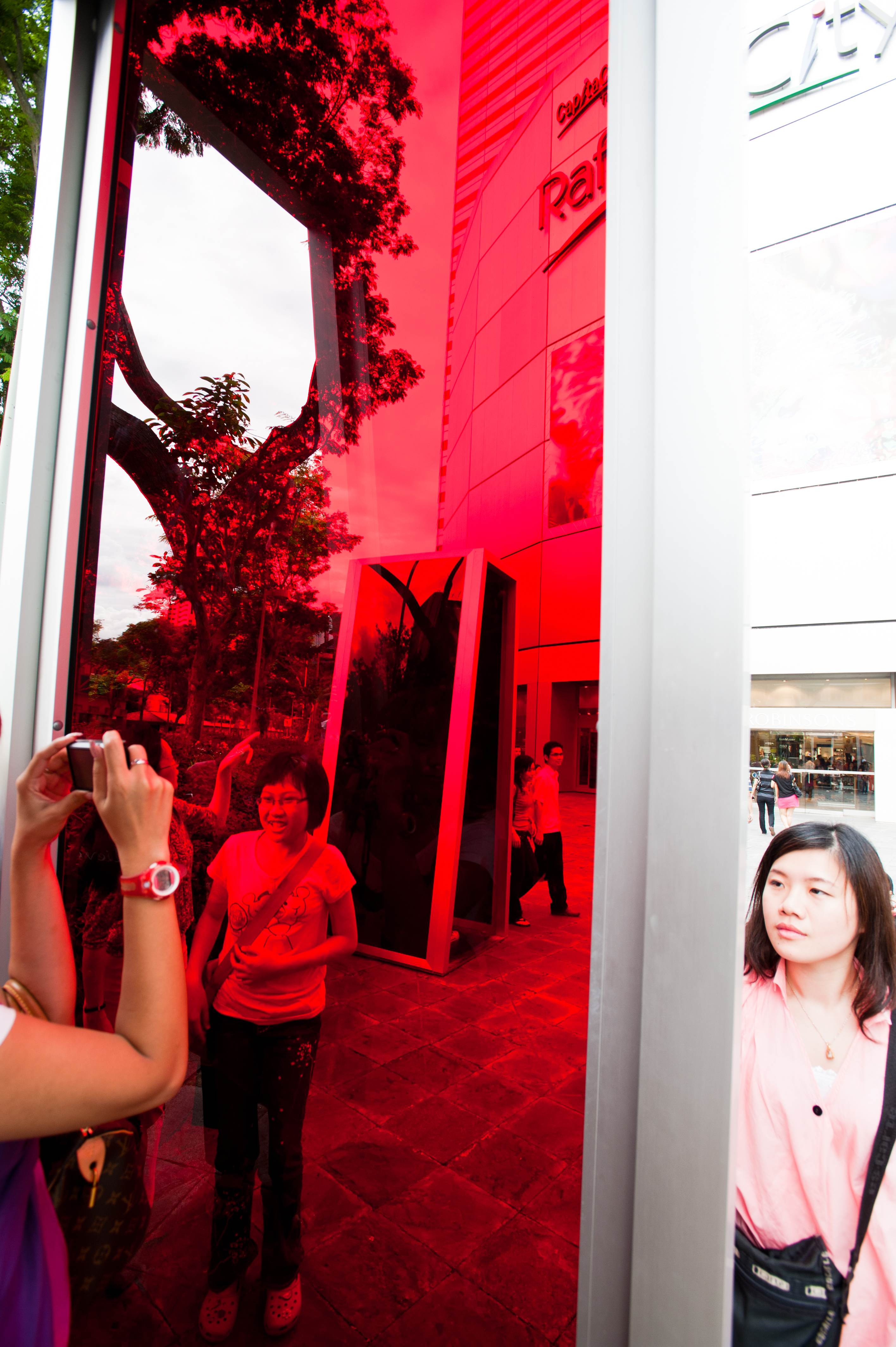
Art in public space Singapore

Art in public space Singapore

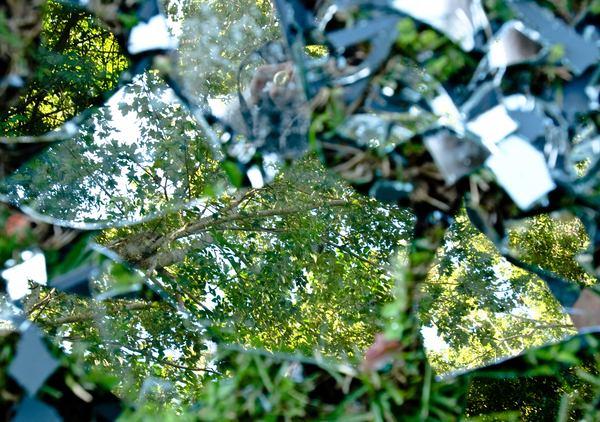
broken mirror,nature, woods

Broken mirror in the woods, Sarasota, Florida

When I think about how we see, I sense that we look optically with our eyes and we perceive with our minds eye. The amount of information we see at one time is enormous. Our minds eye selects, filters, organizes, categorizes, defines, and correlates what we see, then creates meaning by integrating with our consciousness. Did I mention this is done in a micro second?

Art can frame and re-frame the physical world and help us see and think about what we often take for granted.  It presents  an opportunity to expand our perception and enter a state of observation and hopefully, awareness.

These three images that did that for me.   The broken mirror reflecting the surrounding woods was alongside the road.  The women in Singapore were having fun with a freestanding set of translucent and mirrored panels and the sculpture near Madison Square park in New York created segmented and reflected views of the iconic Flatiron building, the Empire State building and a tour bus along Fifth Avenue.

These images posit the question, what is consciousness?  They even challenge our assumption of what reality is.  Is it what’s in front of us, behind us, what we see within one plane or what we saw just before we became aware of what we are now seeing?  More often than not, the role of art is to raise the question rather than propose the answer.

Art, Recent Personal Images

Planes of Perception

Image
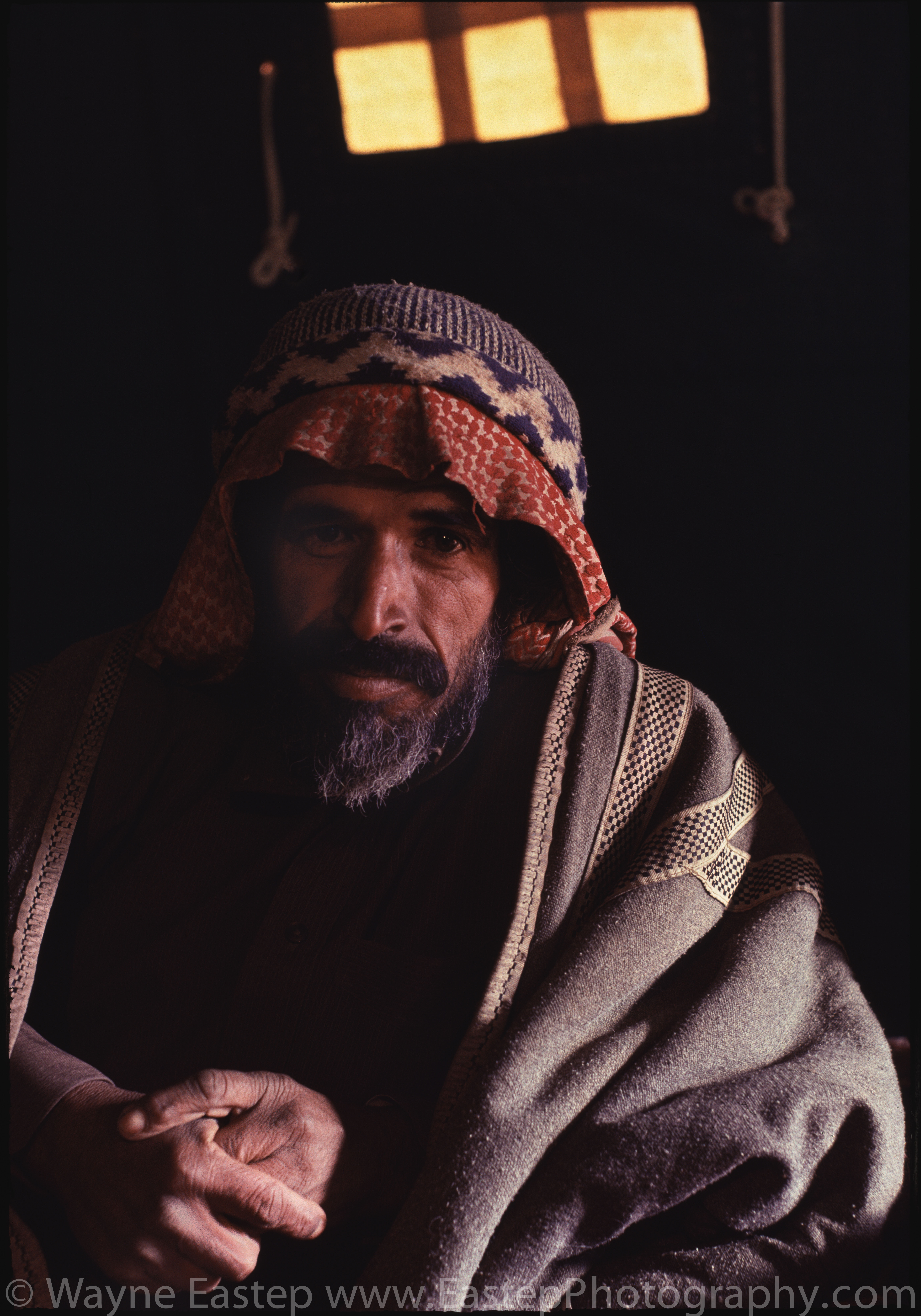
Nomads,Nomadic,Bedouin,Bedu,Saudi Arabia,Al Murrah,Portrait, people,

Murie bin Mohammed Al Murrah brought us a bag of truffles from the Empty Quarter. Dahana Sands, Saudi Arabia.

The Bedouin of Saudi Arabia are one of the world’s most unique nomadic people.  They survive in the Arabian deserts under some of the harshest conditions in nature.

The Al Murrah Bedouin tribe attracted my attention because they have lived as nomads in Arabia with an unbroken bloodline for 5,000 years +.  I figured such unique people would have important insights into human relationships.  I was right.

Leading Saudi families in government, business, judicial and academic communities have sent their young children to live among the Bedouin for similar reasons.  King ‘Abd al-‘Aziz ibn Sa’ud, the monarch who unified the Arabian tribes and created the modern Kingdom of Saudi Arabia, spent time with the Al-Murrah in the southern deserts of Saudi Arabia.

When I began my documentary photography career I decided to study the Bedouin in Arabia, specifically the Al Murrah tribe.  This modest collection of images is from a library of over 25,000 images.  They are the subject of the book BEDOUIN which won the Pershke Price “Best Book” award and Gold Prize for the “Best of All Things in Print”.

To see more images of the Bedouin visit EastepPhotography.com

Culture, People who have influenced me, Portraits, Saudi Arabia, Travel

BEDOUIN of Saudi Arabia

Image

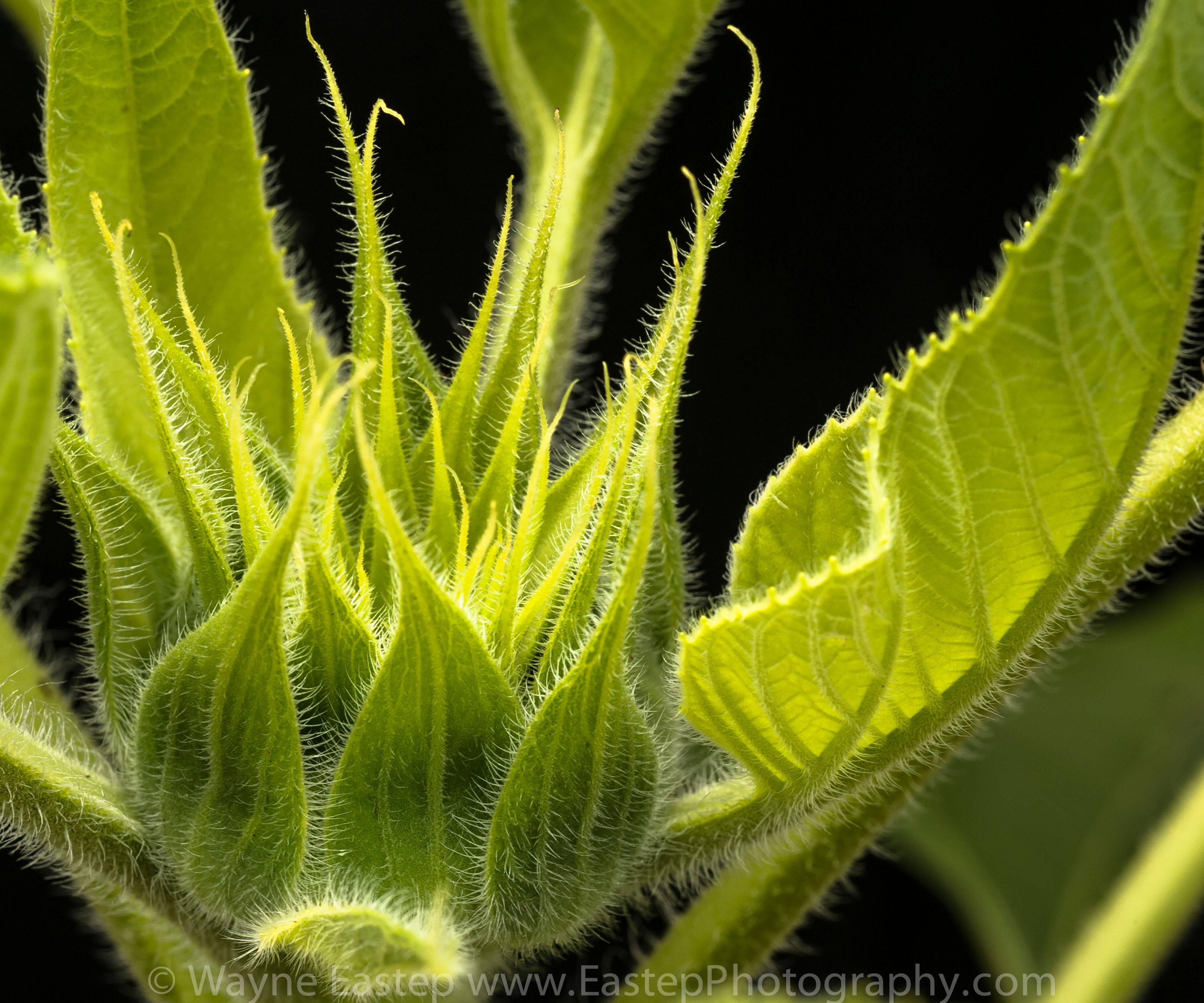
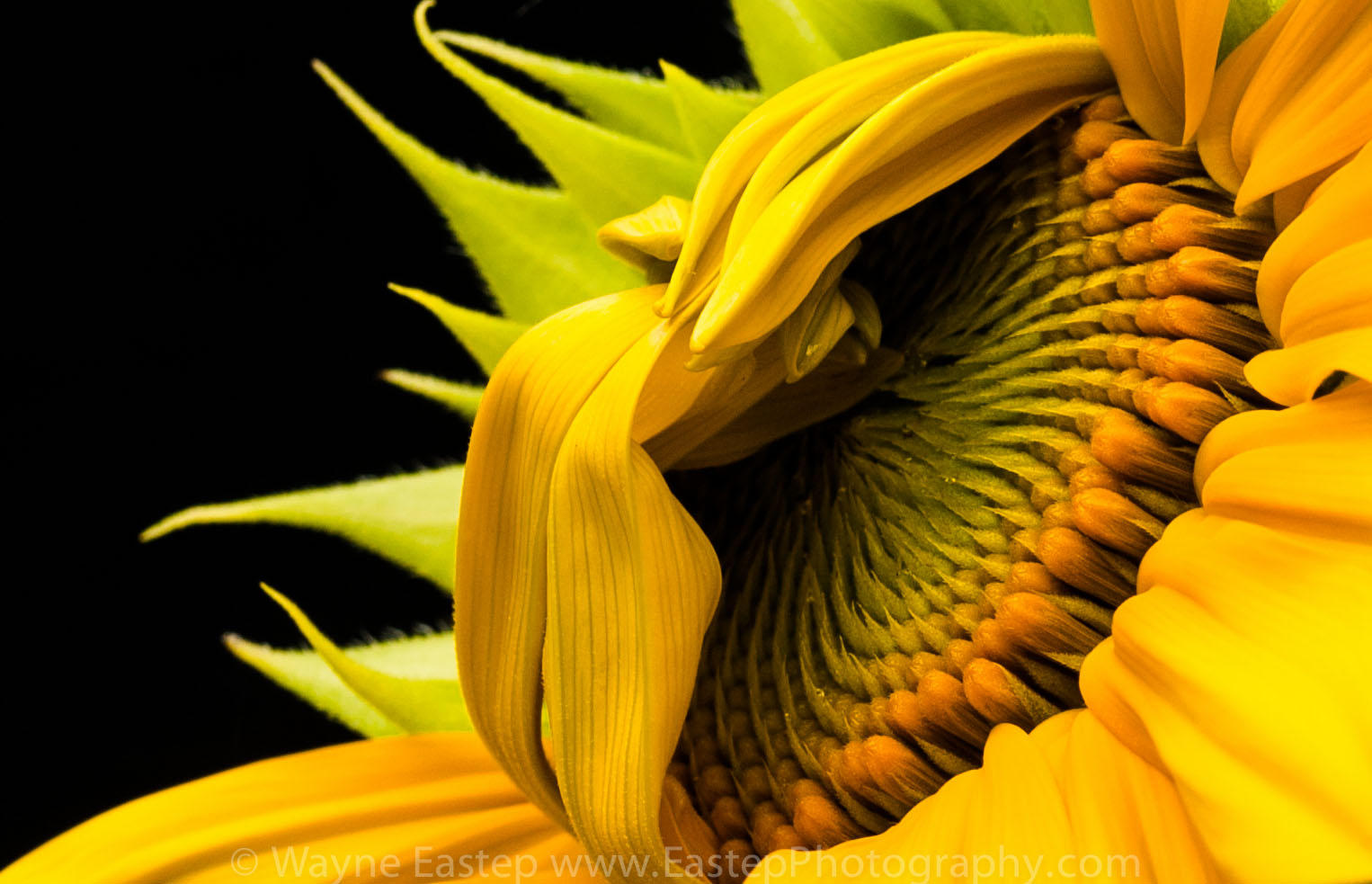
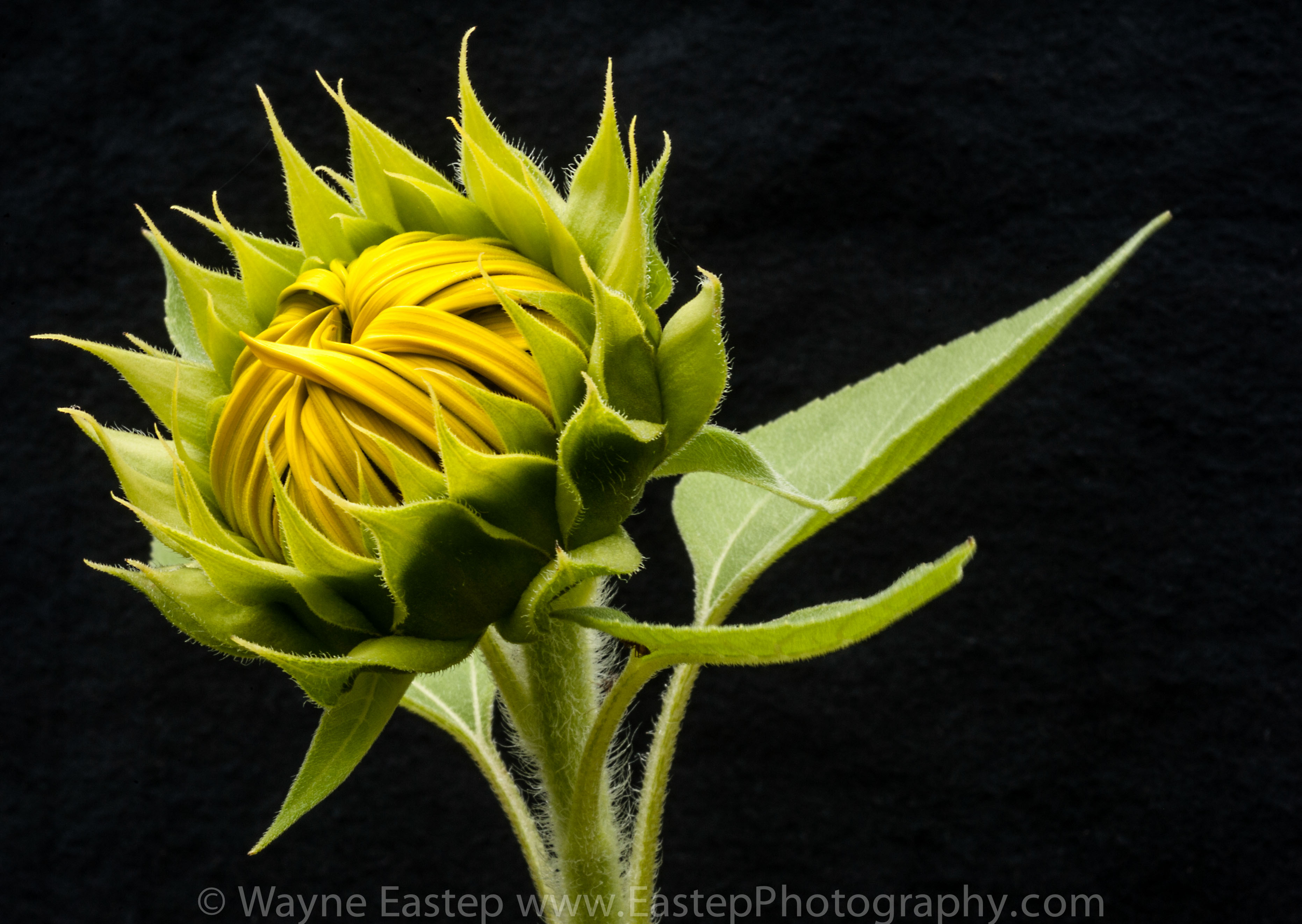
SunflowerSunflower plant forming a flower bud.Petals of a sunflower preparing to open

Petals of a sunflower preparing to open

Sunflower The nexus between art and science intrigues me.  The more I look, study  and  reflect on the design within nature the more I appreciate the relationship between science and art.  The elegant design of the sunflower is a good example of this relationship.  There is something in the design of a sunflower that informs our perception and moves us to call it beautiful.  When we study the structure of the sunflower we discover that the beauty is a combination of art and science.

The flower petals within the sunflower’s cluster are always in a spiral pattern.  Generally, each floret is oriented toward the next by approximately the golden angle, 137.5 degrees, producing a pattern of interconnecting spirals, where the number of left spirals and the number of right spirals are successive Fibonacci numbers.  This pattern produces the most efficient packing of seeds within the flower head.

This past spring I planted sunflowers  seeds then watched and photographed them from seedlings to mature plants.  These images were made from those plants.  To see additional images of the sunflowers I grew  visit my image archive; EastepPhotography.com

Nature

Nexus of Science & Art

Image