“The End of the Earth,” that’s how Herodotus described Kazakhstan. After traveling from one end of the country to the other I would describe it as the Center of the Earth.
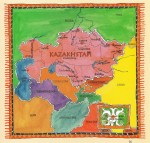
It’s large. The ninth largest country in terms of land mass and the largest in Central Asia. China and Mongolia are on the eastern border, Siberia on the north, Russia on the northwest, the Caspian Sea on the west and the Stan’s: Turkmenistan, Uzbekistan and Kyrgyzstan along the southern border.
The landscape is diverse; mountains, forests, canyons, foothills, plains, steppes, semi-desert and deserts. Climate ranges from very hot summers to extremely cold and windy winters.
To keep my Nikon motor drives working in the winter I had to keep the batteries next to my chest under a layer of tee shirt, thermal undergarments, wool shirt, wind resistant insulated layering jacket and extreme weather shell designed for high altitudes. I had to slowly hand rewind the film to a avoid static electric streaks like lightning on the emulsion.
There’s a lot to show, so I will break the images up into sets. This first set will illustrate the mountains. Subsequent entries will show other features of this diverse and magnificent land.
-
-
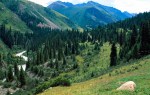
Bayankol River Valley in the Tien Shan mountains, Kazakhstan
-
-
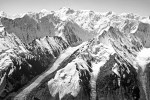
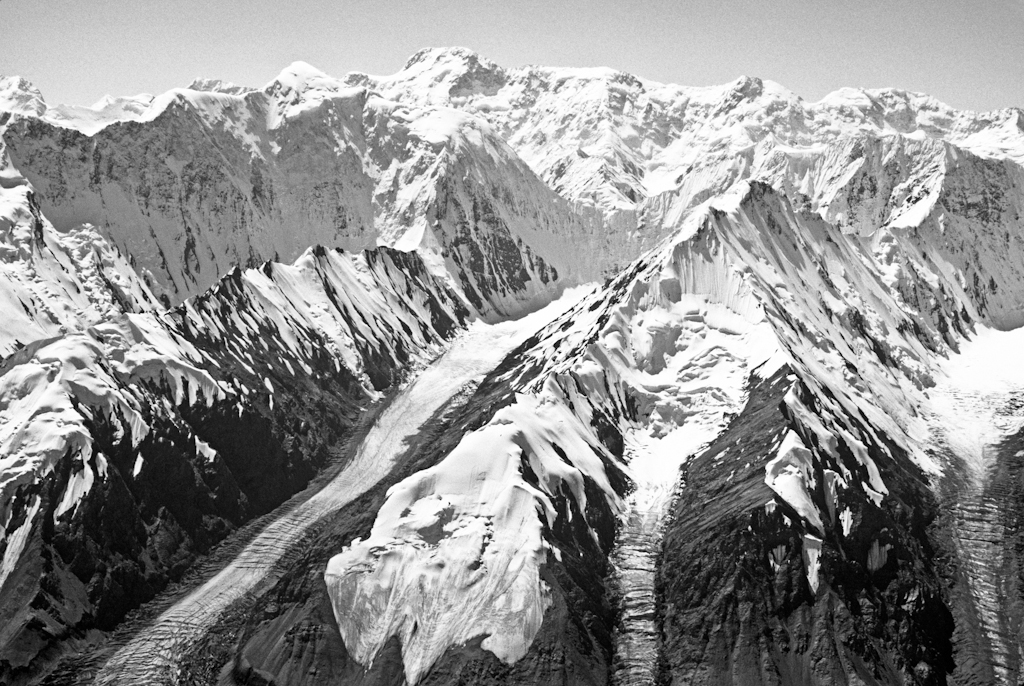
Glaciers in the Tien Shan mountain range, Kazakhstan
-
-
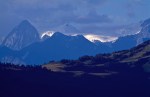
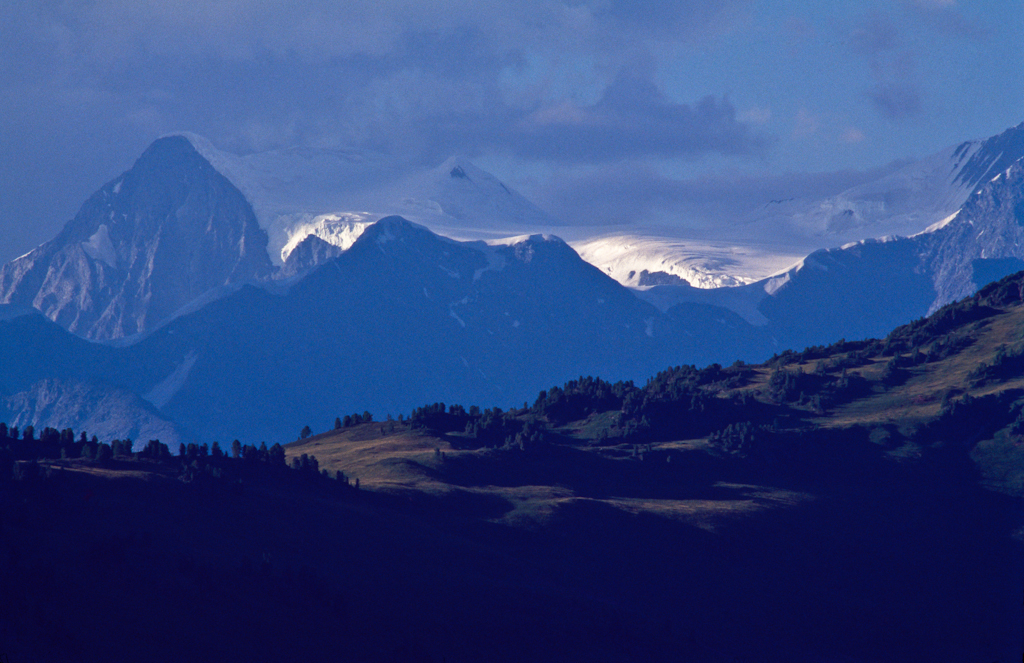
The Altai Range that runs along Kazakhstan’s northeastern border is noted for its rivers, waterfalls, springs and spectacular vistas, Mount Belukha, often shrouded in clouds, has its own persona that is steeped in history and religion. It has witnessed Chingis Khan invading with 200,000 Mongols, and listened as the chants, songs and laments of shamans echoed off its sheer cliffs. Kazakhstan
-
-
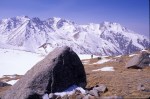
Zailiinsky Alatau in southeastern Kazakhstan
-
-
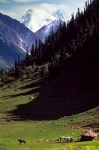
Nomads camped in a summer pasture (Dzhailyau) near Khan Tengri 6994 meters in the Tian Shan mountains.
-
-
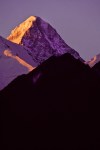
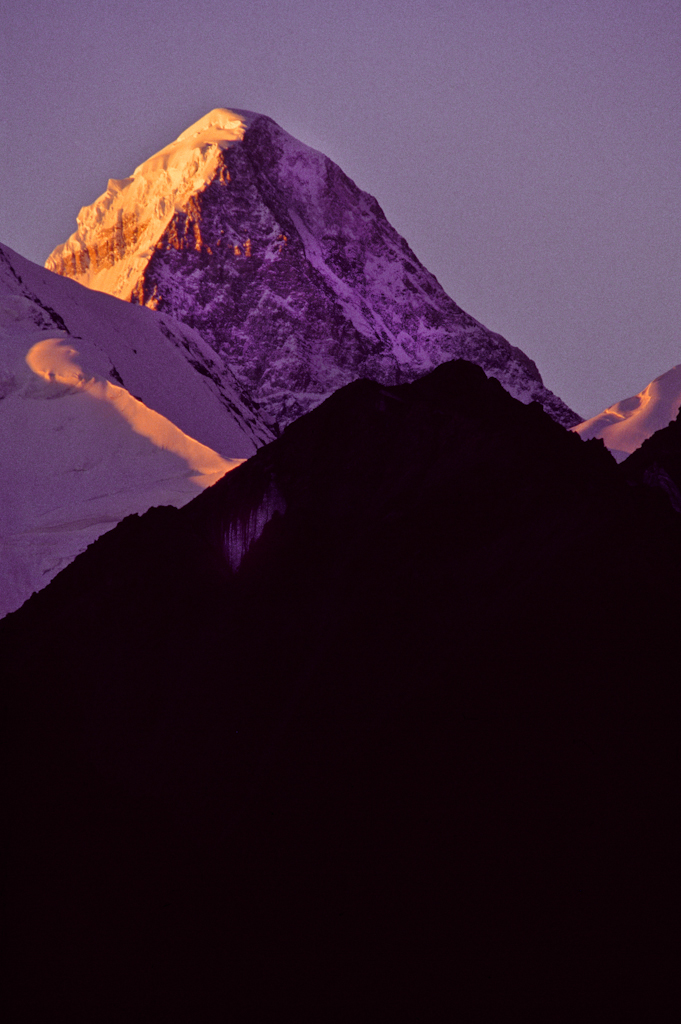
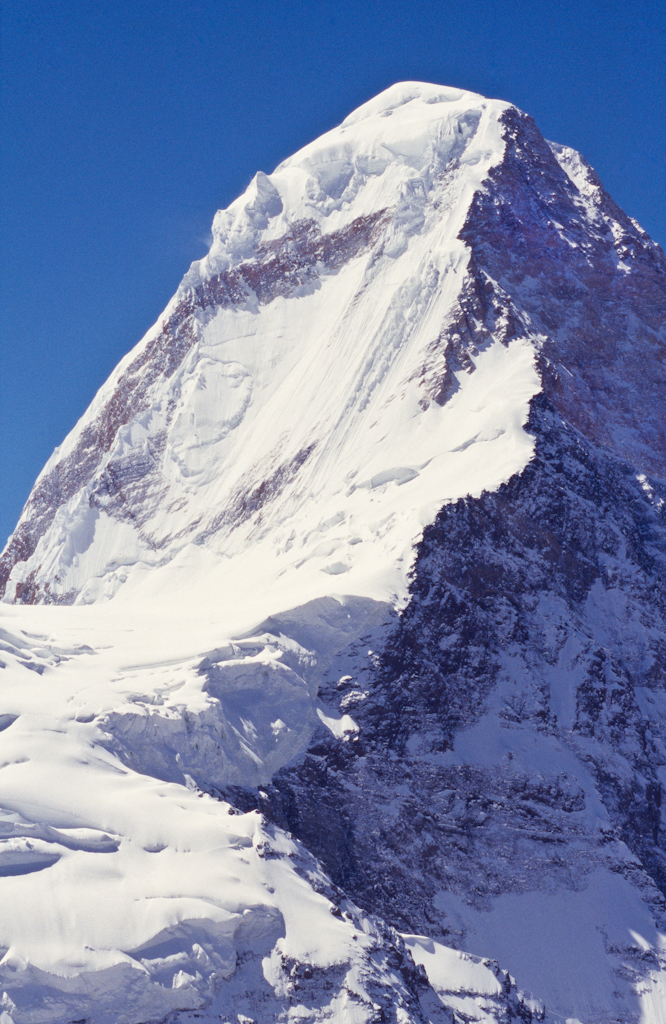
The sacred mountain Khan-Tengri is know as “the prince of spirits.” Kazakhs revere this peak as a symbol of their ancient Tengri faith, which looks to the sky as the source of the great spirit. It is the highest peak in Kazakhstan and the crown jewel of the Tien Shan Range, which are called the celestial mountains. The upper third of the mountain is marble that glows red at sunrise and sunset. The Tien Shan is the most northern range of the Himalaya mountains.
-
-
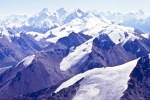
Glaciers in the Tien Shan range with Khan Tengri in background, Kazakhstan
-
-
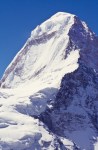
The sacred mountain Khan-Tengri stands along Kazakhstan’s borderr with Kyrgyzstan and China. At 6,995 meters (about 23,000 feet), it is only a few thousand feet lower than Mount Everest. This image was made through the open window of a Kazakh Air Force high-altitude helicopter flying at 6,700 meters (about 22,000 feet).
-
-
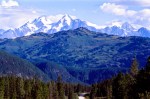
Fabled Shambhala is believed to be near Mount Belukha where the borders of Kazakhstan, Siberia, Mongolia and China meet. Rises more than 4,500 meters (nearly 15,000 feet) in the Altai Mountains.
-
-
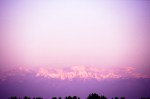
Zailiinsky Alatau, Kazakhstan
-
-
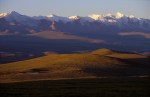
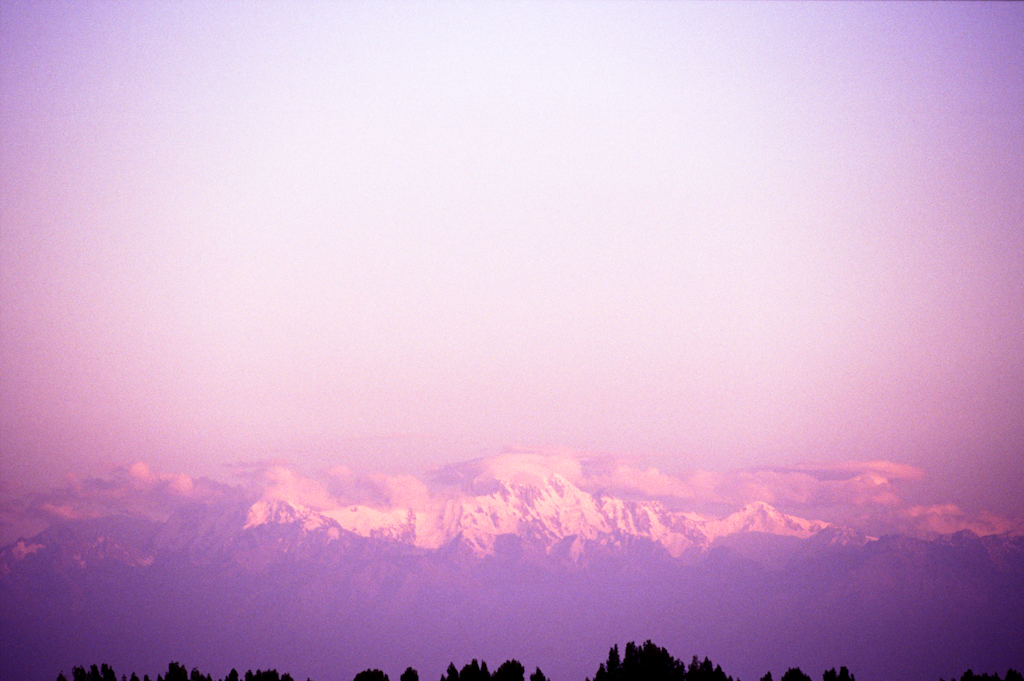
Tien Shan range most northern ranges of the Himalayian mountains, Kazakhstan
-
-
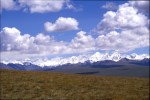
Tien Shan Range
27.377602
-82.519619















 wayne eastep's blog