Culture

400 Years Making Sumi

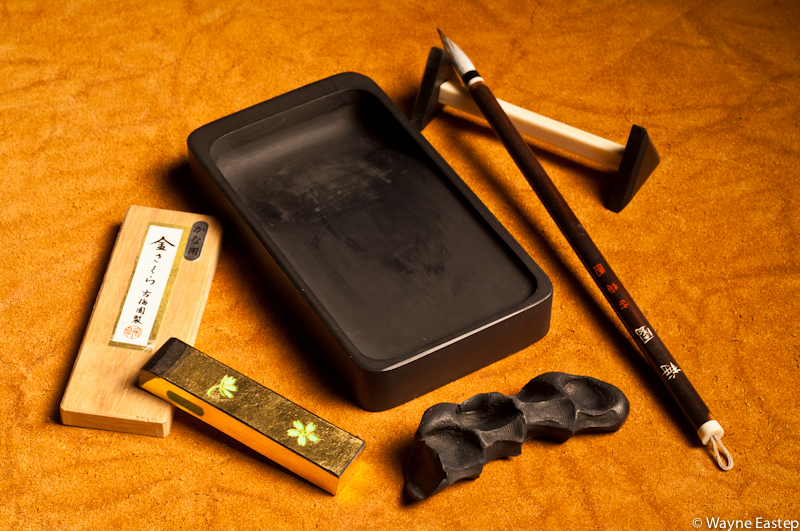
Sumi tools and materials for calligraphy

Sumi tools and materials for calligraphy.  Sumi stick, slate inkwell, calligraphy brush, sumi stick with finger impression by workman at Kobaien sumi factory in Nara, Japan.

While documenting Japanese culture for National Geographic Traveler,  I had the opportunity to photograph at Kobaien in Nara, the oldest sumi shop in Japan. The city of Nara produces 90% of the sumi-ink in Japan.  Kobaien sumi shop has produced sumi-ink sticks for calligraphy and ink painting for 400 years.

Sumi is made by collecting soot from burning pure vegetable oil, usually sesame or pauwlonia, and combining this with glue derived from vegetable starch.  This is then shaped into sticks and dried.  Ink is made by grinding the sumi stick in the slate inkwell called a suzuri until the desired consistency is achieved.

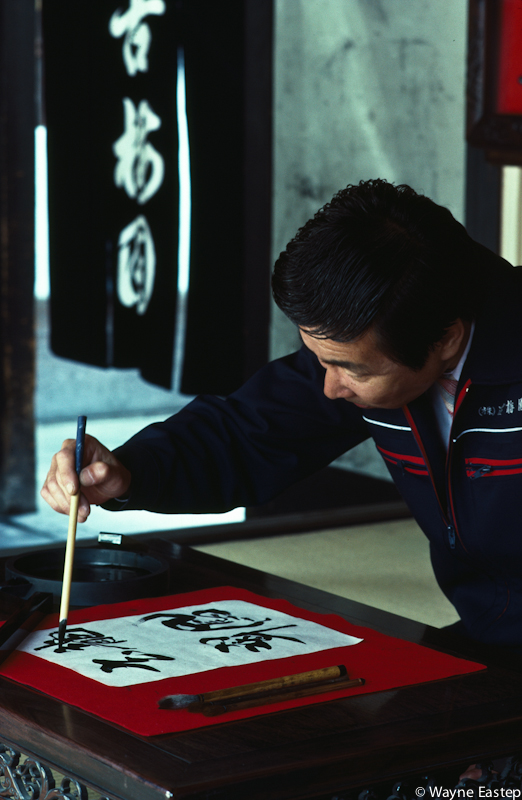
I requested Mr. Mitsuyoshi Nakano, chief at the Kobaien sumi shop, to have the workman making sumi press his fingers into a freshly made stick for me, shown here. Mr. Nakano then created the names Nara and Kyoto in Japanese calligraphy on washi, mulberry paper as a gift.

Kobaien sumi shop, 7 Tsubaicho, Nara, Japan Tel. (Nara 22)-4922

More images on Japanese culture in Kyoto & Nara.

Standard
Food

Gnocchi

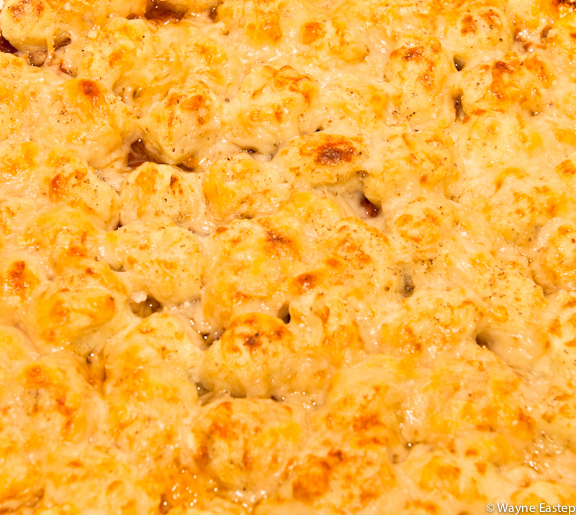
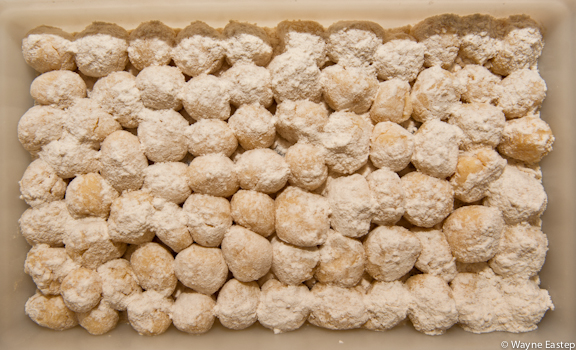
Baked Gnocchi

Gnocchi with Grana Padano

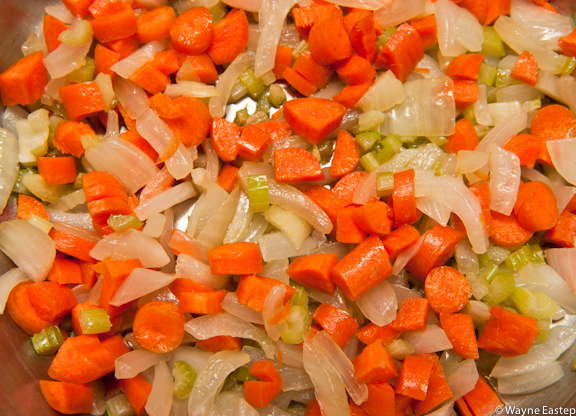
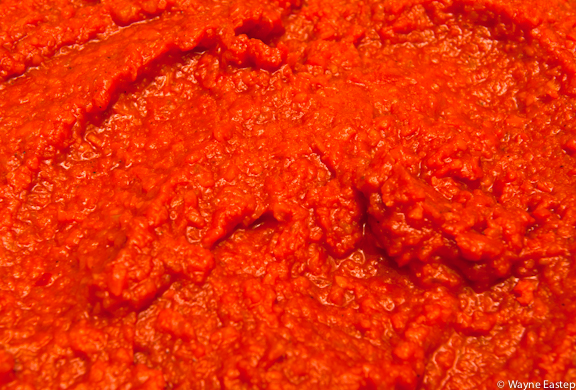
“D” my photography associate and I were on assignment in Italy when we discovered the definitive Gnocchi recipe.  We ate at the Trattoria Cavalino Bianco  (The White Horse) in Novara.  Their specialty is Gnocchi alla Radetzky.  It was so delicious we returned the next night and ordered it again.  I asked the woman who owned the restaurant about the recipe.  She went to the front of the restaurant and returned with a framed newspaper story from twenty five years ago.  It showed a man with a young girl at his side in a restaurant.  She explained that the man was her papa and she the young girl.  She shared that her family had been making the Gnocchi alla Radetzky for four generations.  She insisted that the critical ingredient was Grana Padano cheese.  She also pointed out that the Gnocchi balls were small and made with a light amount of flour.

When I returned to the U.S. I set about trying to replicate these light Gnocchi with the bright sauce and rich buttery broiled topping.  I went to the definitive Italian cookbook, Italian Cuisine by Tony May (ISBN 0-312-30280-0, third edition).  I made slight adjustments, making sure to use Grana Padano, keeping the balls small and going very light on the flour, just enough to shape the balls.

Trattoria Cavallino Bianco, Vicolo dell’ Arco, 2/a – Novara, Italy.  Tel. 0321 393908

Tony May’s restaurant in New York City, SD26, Madison Square Park, 19 East 26th Street, New York, NY 10010.  Tel. 212-265-5959

Standard
Nature, People who have influenced me

Neil Armstrong, thank you.

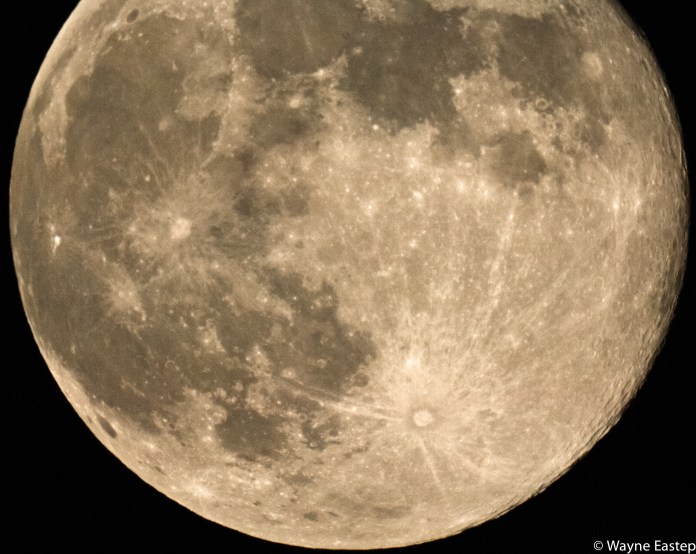
Full Moon, Blue Moon

August 31, 2012 Blue Moon

Neil Alden Armstrong an astronaut and first man to walk on the moon was laid to rest yesterday, August 31, 2012.  Coincidentally last night was a “Blue Moon” (a second full moon during the same month).  My sense of wonder was inspired by Neil Armstrong.  Thank you Mr. Armstrong.

Standard
Culture

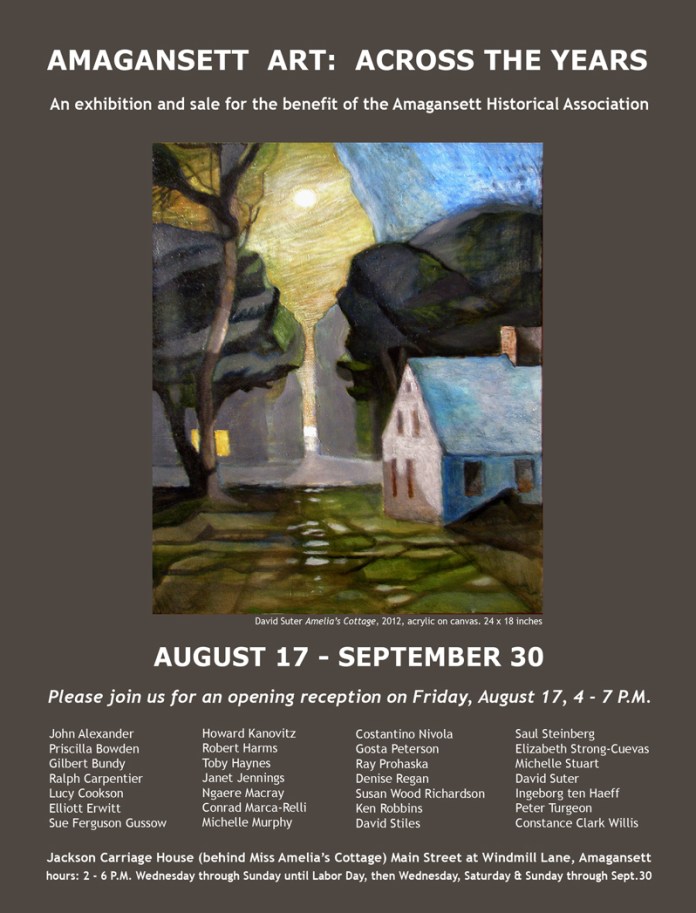
Amagansett Art: Across the Years


Photograph by Wayne Eastep is on display at the show “Amagansett Art: Across The Years.”  Sales from the show benefit the Amagansett Historical Association. The building shown in the photo is the Hilton Leech house and Amagansett Art School in historic Sarasota, Florida. The house is listed on the  U.S. National Register of Historic Places.

Hilton Leech lived and taught art in Amagansett, East Hampton, NY and Sarasota, Florida.


Standard
Kazakhstan

Nomads and Networks: The Ancient Art and Culture of Kazakhstan


Photographer Wayne Eastep at Kazakhstan exhibition "Nomads & Networks"

Wayne Eastep standing by his photograph of the Tien Shan mountain range in Kazakhstan. The Tien Shan are also know as the “Celestial Mountains.” The print is at the entrance to the exhibit “Nomads and Networks” at the Freer | Sackler Galleries of the Smithsonian, Washington, D.C.

Documentary Photographer Wayne Eastep with his print at the Arthur Sackler gallery at the Smithsonian in Washington, D.C.

Documentary photographer Wayne Eastep next to his print of a Steppe horse in the steppes of southern Kazakhstan. The print is part of the “Nomads & Networks” exhibit at the Arthur Sackler Gallery at the Smithsonian in Washington, D.C.

Nomads and Networks: The ancient Art and Culture of Kazakhstan

August 11- November 12, 2012

Arthur M. Sackler Gallery        Asian Art Museum of the Smithsonian Institution        Washington, D.C.


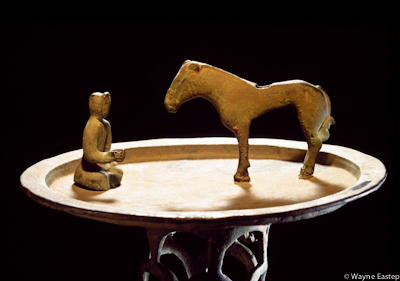
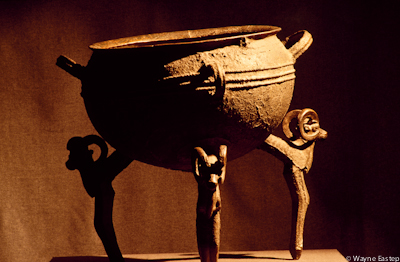
Artifacts in the exhibition.                             Images from THE SOUL OF KAZAKHSTAN.

Wayne Eastep at the opening of "Nomads & Networks" exhibition at the Arthur Sackler gallery Smithsonian, Washington, D.C.

Wayne Eastep with Dana Masalimova, Third Secretary, Embassy of the Republic of Kazkahstan and William C. Veale, Executive Director U.S. – Kazakhstan Business Association at the opening of “Nomads & Networks.” Arthur Sackler Gallery, Smithsonian, Washington, D.C.

The Exhibition has been organized by the Institute for the Study of the Ancient World at New York University in collaboration with:

Ministry of Culture and Information of the Republic of Kazakhstan.                                           The Central State Museum of the Republic of Kazakhstan.                                                           Multifunctional Scientific-Analytical and Humanitarian-Educational State Enterprise “Nazarbayev Center.”                                        Ministry of Science and Education of the Republic of Kazakhstan.

A. Kh. Margulan Institute of Archaeology of the Republic of Kazakhstan                        Museum of Archaeology of the Republic of Kazakhstan 

The exhibition was made possible through support of the Leon Levy Foundation.


Standard
Nature

One of the Survivors

Green Anoles

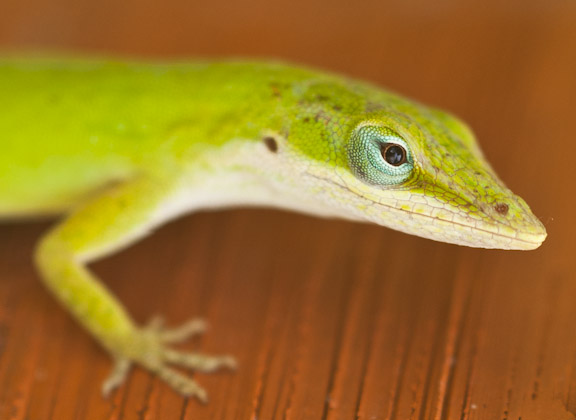
Carolina  anole (Anolis carolinensis) is the only anole native to the United States. Sarasota, Florida

A few days ago I posted an image of a Cuban Anole.  They were brought to Florida from Cuba in plants.  They are aggressive and have driven the Green Anoles away.  The Carolina anole (Anolis carolinensis) is the only anole native to the United States. They are also called American chameleon.  I was photographing a unique cactus which is about to flower and this Green Anoles came marching into view.

To see more nature studies visit: EastepPhotography.com

Standard
Nature

Advertising in Nature

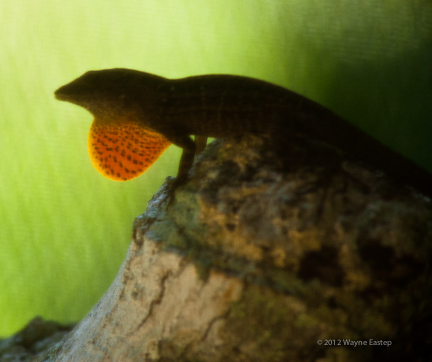
Cuban brown anole with dewlap extended

Cuban brown anole with dewlap extended. Sarasota, Florida

The Cuban brown anole advertises his presence by extending the dewlap (erectile cartilage).  This anole was outside my Studio early this morning.  I photographed with a 350mm lens with the lens wide open through two layers of screen and wire mess, that’s why the image is slightly soft.

More nature images at my image archive www.EastepPhotography.com

Standard
Nature, Recent Personal Images

Aloe Vera Final Phase

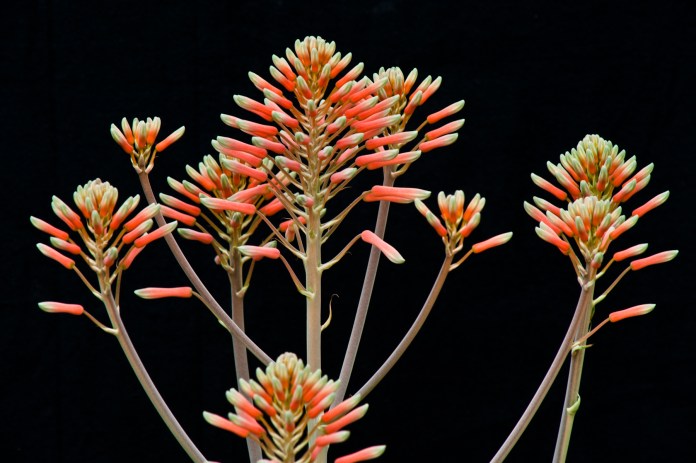
Aloe vera flower, Sarasota, Florida

Aloe vera flower, Sarasota, Florida

Final phase of the Aloe vera flower open. No further caption needed.

Standard
Nature

Aloe Vera Stage 2

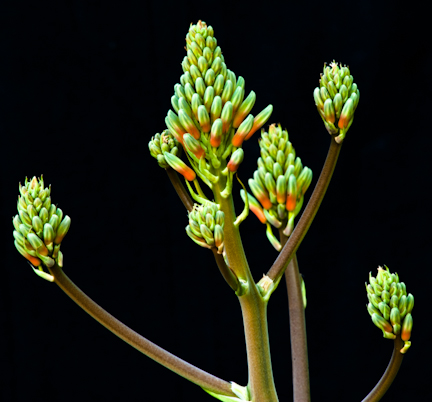
Aloe vera flower bud

Aloe vera flower bud

Nature offers a counter-balance to the hyper speed pace of our modern instant gratification lives.  Last week I posted an image of this Aloe vera flower bud shortly after it had formed.  I had thought, “it will flower in a day or so and I’ll post the image of it open.”

Well, mother nature had a lesson for me.  She’s not on my blog, twitter, facebook, linkedin schedule. It’s been a week and you can see the delicate orange color developing slowly at the base of the petals.  When the time is right I’ll share with you the image of the fully open aloe vera flowers. Wouldn’t these buds make wonderful earrings!

To see more visit: Nature Studies at EastepPhotography.com

Standard
Nature

Celebrating the Ordinary

Aloe vera

Aloe vero bud in the front yard, Sarasota, Florida

One of the things I enjoy is the way the camera helps me focus and see the ordinary in a  fresh way.  I walk past this Aloe vera flower several times everyday.  Today I stopped and looked.  I invite you to stop and look. The ordinary  is so full of wonder.

Standard